
Antique Flap Dining Table
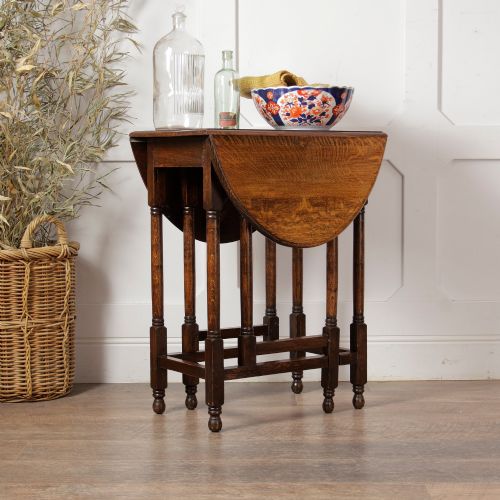
An antique flap dining table offers flexible timber surface space that folds away cleanly when the meal is finished.
What an antique flap dining table is
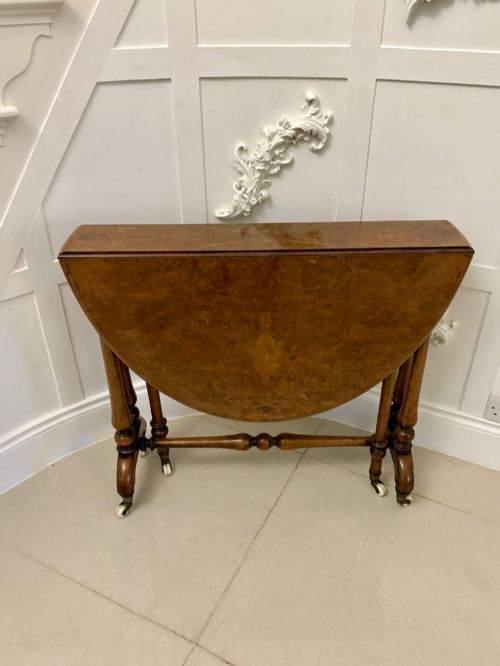
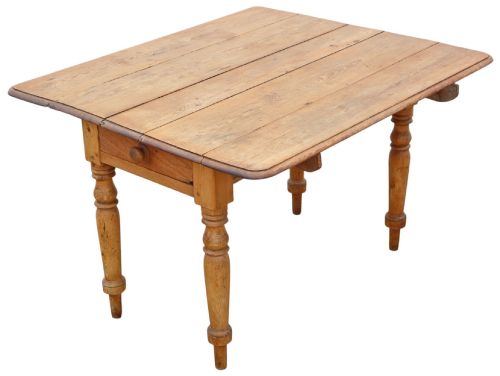
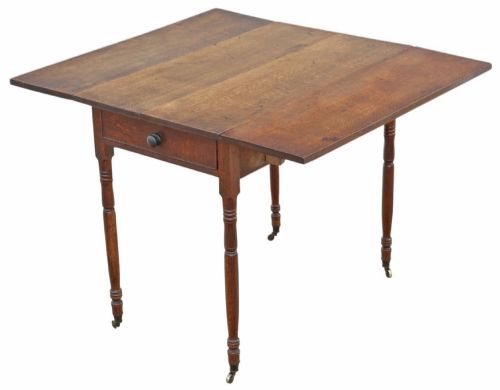
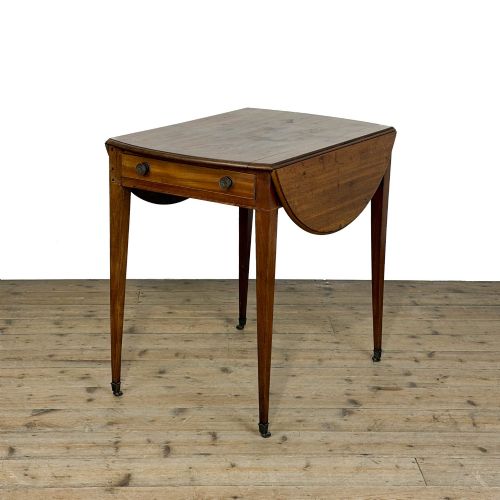
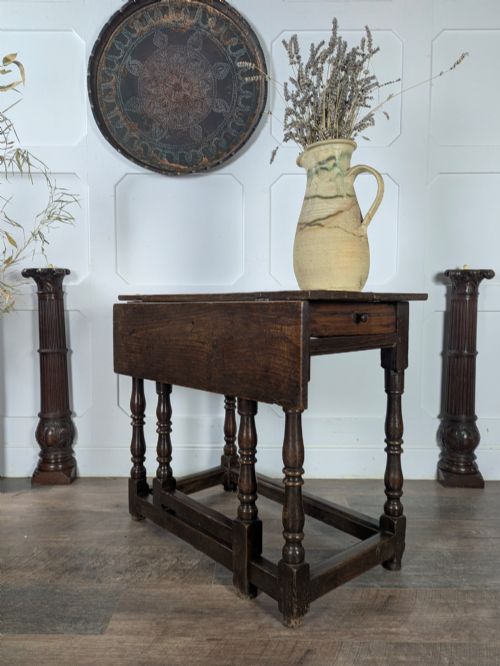
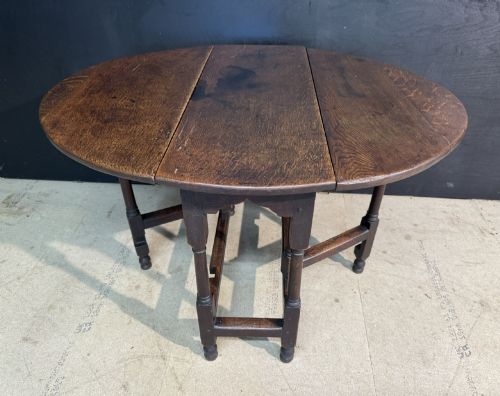
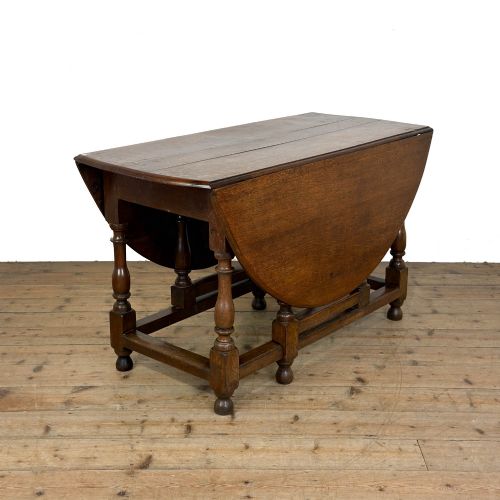
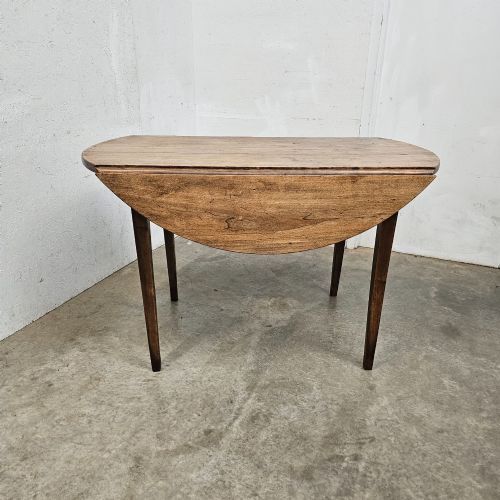
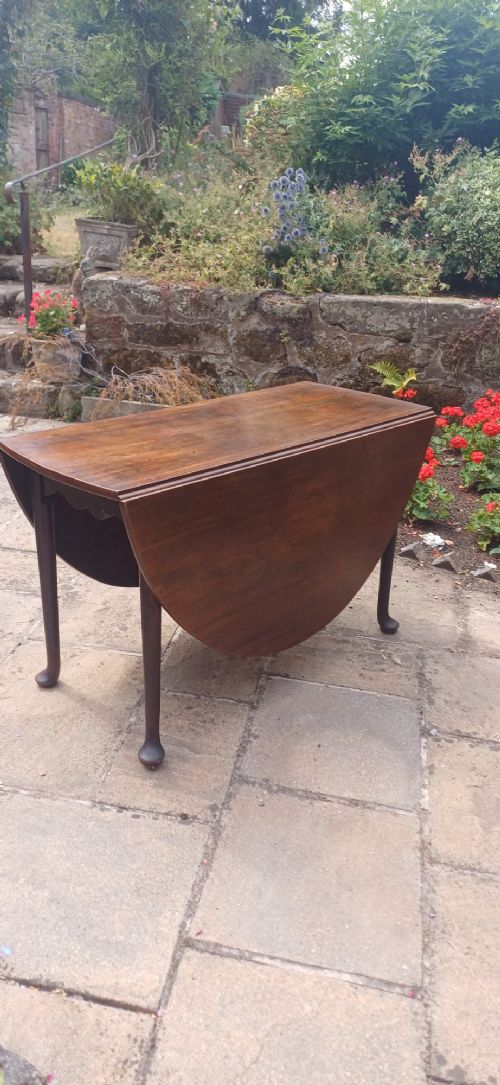
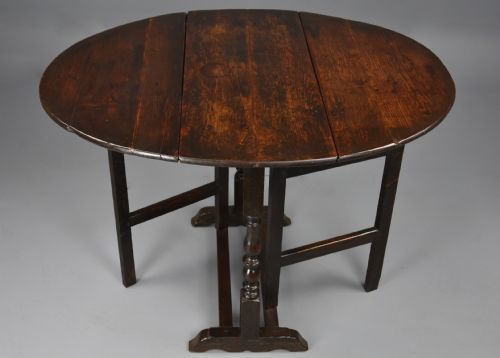
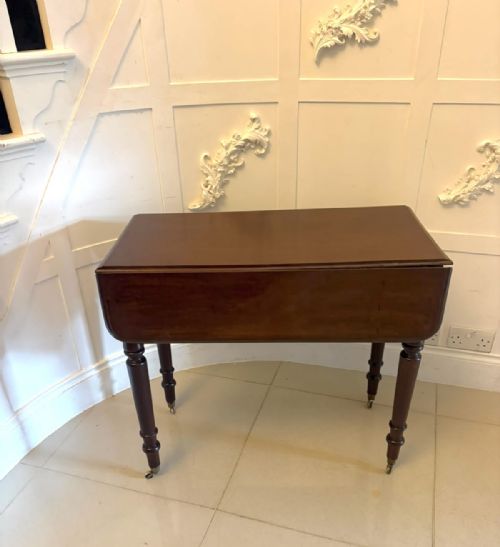
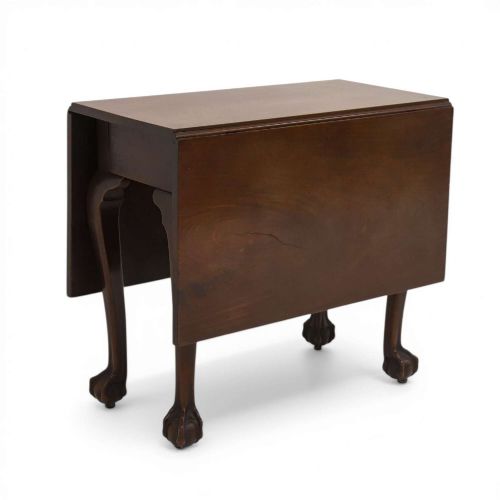
An antique flap dining table provides a practical surface that extends with hinged leaves and drops down when space is needed. These versatile pieces appear in oak, mahogany, and Cuban mahogany across periods from the seventeenth century through to the Victorian era.
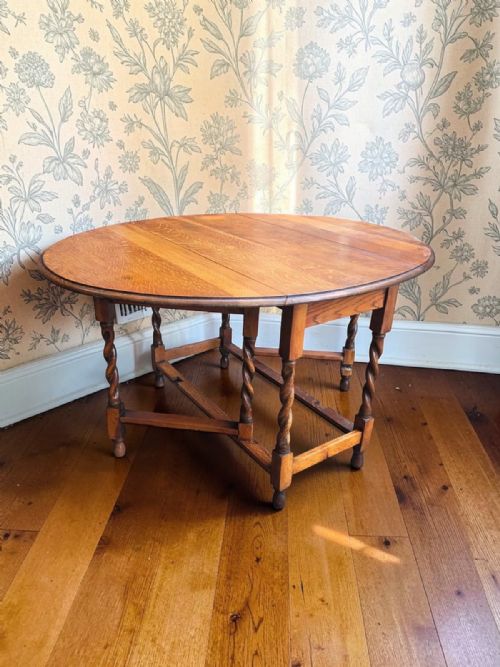
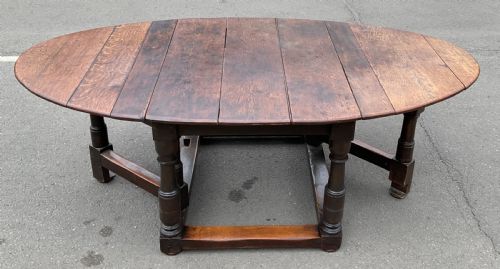
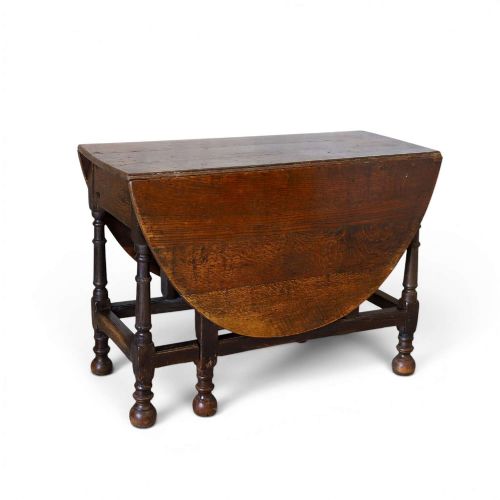
The selections available include gateleg forms with bobbin turned legs alongside compact cottage diners and large scale oval drop-leaf tables. Styles range through Jacobean, Georgian, George II, and French Provincial, showing the wide geographic spread of this practical form.
Buyers seeking an antique flap dining table will encounter pieces designed for varied domestic spaces, from narrow kitchen drops to large six or eight seater dining arrangements. The folding mechanism remains central to every piece, allowing tables to sit flat against a wall until required.
How they were made
Cabinet makers built these tables using solid hardwoods, primarily selecting sturdy oak for earlier seventeenth and eighteenth century pieces and rich mahogany or Cuban mahogany for later Georgian and Victorian examples. The timber choice dictated both the weight and the structural support required for the hinged flaps.
Construction methods relied on robust joints and pivoting wooden or swinging leg supports to hold the drop leaves securely in place during use. Carpenters turned decorative elements such as bobbin legs on a lathe, integrating structural uprights with functional folding leaves.
Retail Price Guide 2026
Typical UK retail prices for flap dining table, calculated from the Sellingantiques database of over a million retail prices indexed since 2003. This retail price guide relies exclusively on Sellingantiques data; no external sources or auction records are used, so the figures do not describe the wider market.
Listings feature oak, mahogany, and Cuban mahogany across Georgian, Victorian, and seventeenth-century periods.
What varies in quality
Quality rests in the selection of the timber grain, particularly the rich figuring found in Cuban mahogany and the dense grain of older oak specimens. Superior examples display thoughtful proportions and careful matching of the timber across the main top and the drop leaves.
The refinement of the turning on the legs and the smoothness of the folding mechanism distinguish finer workshops from simpler provincial pieces. Better tables maintain stability and balance whether the leaves are raised for dining or dropped for storage.
The Antique Flap Dining Table Glossary
- Gateleg table
- A table with hinged leaves supported by legs that swing outward like a gate to hold the flaps. This design provides sturdy under-framing for larger dining surfaces.
- Drop-leaf table
- A table featuring a fixed central section and one or two hinged flaps that drop down when unsupported. It allows the furniture to save floor space when not in use.
- Bobbin turned
- A style of leg decoration shaped on a lathe to resemble a series of rounded wooden bobbins or spools stacked end to end. This turning is frequently seen on seventeenth-century oak furniture.
- Cuban mahogany
- A dense, dark timber prized for its rich grain patterns and deep colour. Cabinet makers used this imported wood for high-status eighteenth-century tables.
Frequently Asked Questions
How do I seat six people at a flap table?
These tables rely on drop leaves or gateleg swings to expand the surface area when guests arrive. Raising both flaps transforms a compact side table into a full dining arrangement.
Ensure the swinging leg supports are locked properly into position beneath the leaves before placing weight on the extended timber.
Can I use an antique flap table every day?
Solid oak and mahogany construction makes these tables resilient enough for daily meals and family gatherings. Regular use simply adds to the patina of the polished timber surface.
Protect the wood from direct heat and moisture by using mats underneath hot dishes and drinks.
How do I tell a Georgian flap table from a Victorian one?
Georgian tables often feature rich mahogany with elegant proportions and refined leg turnings typical of the eighteenth century. Victorian examples tend toward heavier proportions and simpler cottage or dining formats.
Examine the timber species and construction marks underneath the leaves to understand the period of manufacture.
Where did people put these tables when not eating?
With the leaves dropped down, these tables rested against a living room or hallway wall to save valuable floor space. They functioned as side tables or serving consoles between meals.
This space-saving versatility explains why the form remained popular across the seventeenth, eighteenth, and nineteenth centuries.