




Oval Oak Dining Table
An oval oak dining table brings a softened geometry and tactile warmth to a room, offering generous seating without the harsh corners of a traditional rectangle.
What these tables are
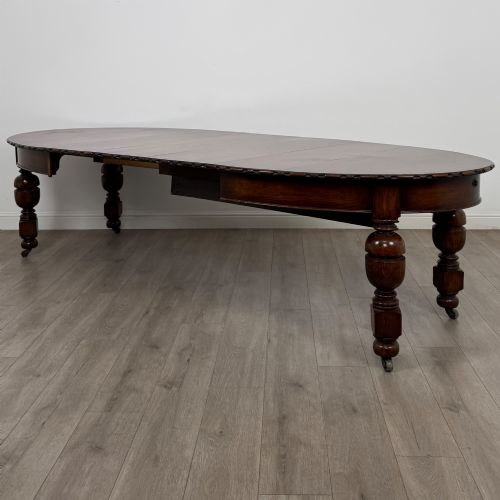
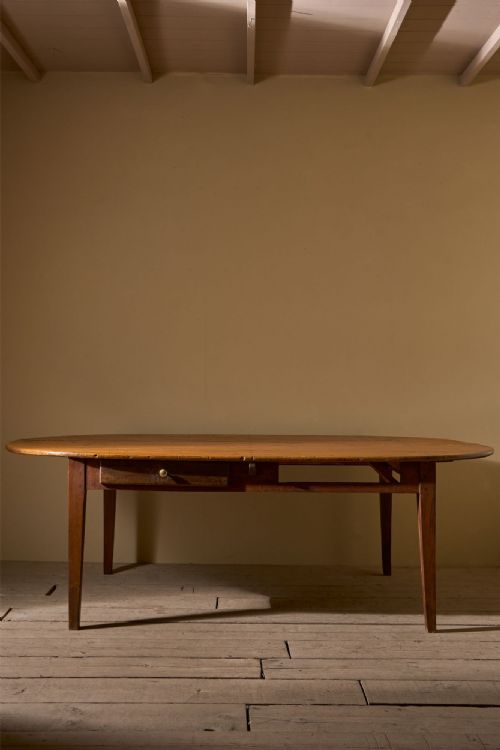
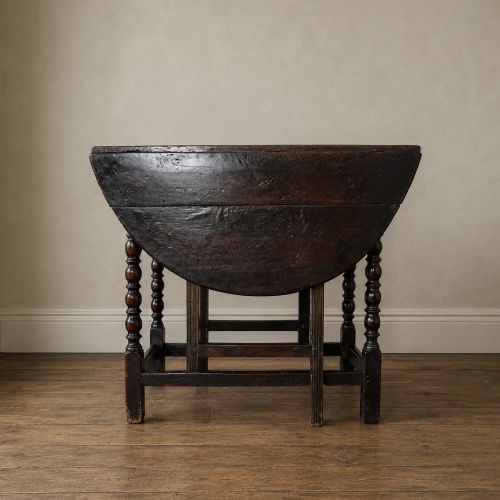
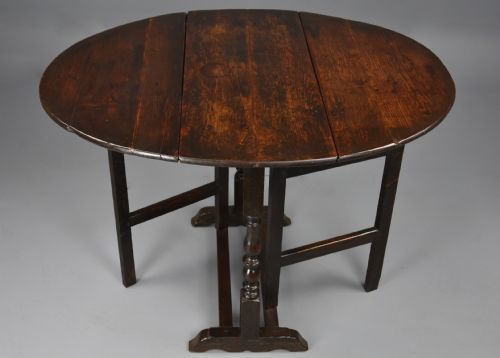
An oval oak dining table appears in various architectural styles across multiple centuries, ranging from seventeenth-century gateleg designs to nineteenth-century refectory and extending formats. Buyers seek these pieces for their robust timber construction and capacity to soften the layout of a dining room.
How they were made
Makers constructed these tables predominantly from solid oak, occasionally combining the timber with fruitwood, beech, or brass fittings depending on the regional tradition. Joinery techniques included pegged frames, drop-leaf hinges, and extendable mechanisms designed to support heavy tabletops.
Surfaces exhibit natural grain patterns, historical bleaching treatments, or hand-carved decorative motifs reflecting French provincial, English country, and Jacobean revival traditions. Construction prioritises structural durability, utilising sturdy gatelegs and pedestals to bear the weight of the dense hardwood.
Retail Price Guide 2026
Typical UK retail prices for oval oak dining table, calculated from the Sellingantiques database of over a million retail prices indexed since 2003. This retail price guide relies exclusively on Sellingantiques data; no external sources or auction records are used, so the figures do not describe the wider market.
Some gatelegs have hidden nooks where crumbs of ancient bread still hide like archaeological treasures.
What varies in quality
The distinction between tiers rests upon the choice of timber and the integrity of the original construction, where solid oak and well-matched fruitwood elements outlast composite replacements. Superior examples display harmonious grain alignment across extending leaves or drop-leaf flaps.
Refinement in carving, the smoothness of gateleg and extension mechanisms, and the retention of original brass hardware elevate certain pieces above standard utilitarian furniture. The depth of the natural patina acquired through domestic use further differentiates exceptional historical survivals.
Heals
The Oval Oak Dining Table Glossary
- Gateleg table
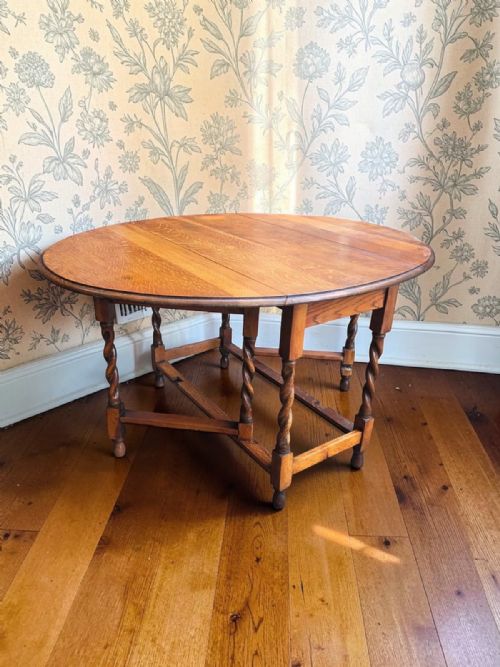
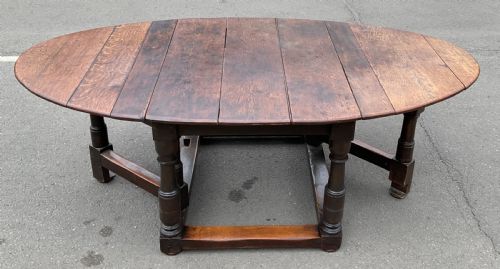
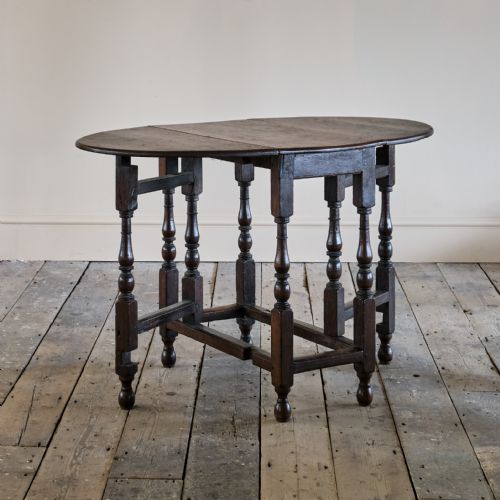
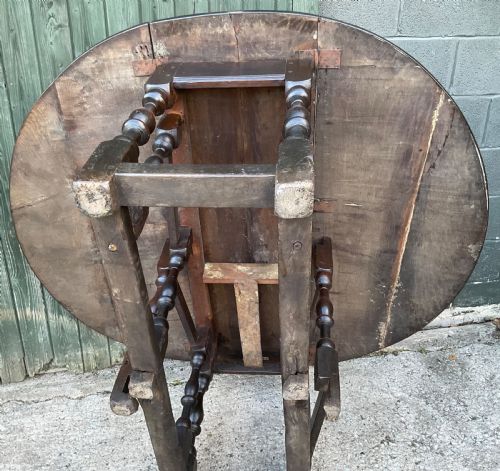
- A drop-leaf table with hinged flaps supported by hinged legs that swing out from the frame like a gate. This clever design allows the table to expand for dining and fold down for compact storage.
- Refectory table
- A long, narrow dining table traditionally used in communal dining halls and constructed with substantial solid timber tops and robust stretcher bases. These tables provide immense stability and generous seating capacity.
- Drop-leaf
- A tabletop featuring a fixed centre section and hinged flaps that lower or raise on supporting brackets. It offers flexibility in floor space management.
- Bleached oak
- Timber treated with a whitening agent to lighten its natural warm tone, achieving a pale, Scandinavian-influenced or French farmhouse aesthetic. This finish highlights the porous texture of the grain.
- Barley twist
- A turning technique resembling a spiralling rope, frequently utilised on the legs and stretchers of seventeenth-century and revival dining tables. It adds sculptural movement to heavy timber furniture.
Frequently Asked Questions
How do I seat six people comfortably?
An oval oak dining table accommodates guests smoothly because the curved ends eliminate rigid corner boundaries. Drop-leaf and extending versions allow you to expand the surface area only when dinner parties require extra room.
Position chairs to follow the sweeping curve of the timber top, ensuring legs and pedestals do not restrict legroom. This layout maximises seating capacity without crowding the surrounding floor space.
How do gateleg tables function?
Gateleg tables utilise hinged flaps supported by pivoting wooden legs that swing outward from the central frame. When folded down, the table occupies minimal space against a wall.
Swinging the legs outward locks the leaves into a horizontal position to bear the weight of serving dishes. This mechanism provides a sturdy dining surface while retaining historical versatility.
How do I clean bleached oak?
Clean bleached oak surfaces with a lightly dampened cloth, avoiding harsh chemical sprays that strip the pale finish. Dry the timber immediately with a soft lint-free cloth to protect the grain.
Nourish the wood periodically with appropriate wax or specialist oil if the surface appears dry. Regular dusting maintains the matte appearance characteristic of bleached farmhouse tables.
How do I date an oak table?
Examine the construction methods, such as hand-cut peg joints, tool marks on the underside, and the style of the leg turnings. Earlier pieces often display wider boards and irregular grain patterns resulting from manual quarter-sawing.
Compare the hardware, timber patina, and overall proportions against known period styles like Jacobean revival or Edwardian country furniture. Subtle inconsistencies can indicate later repairs or assembled components.