

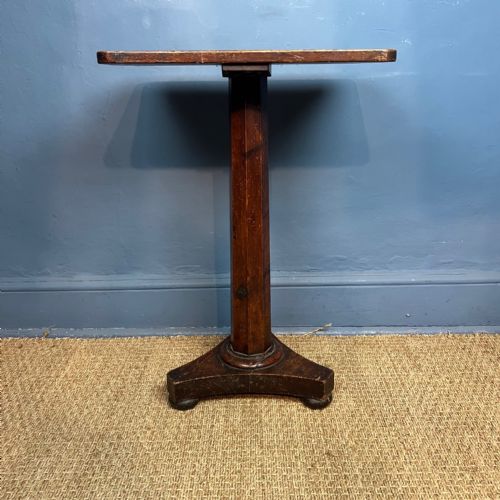
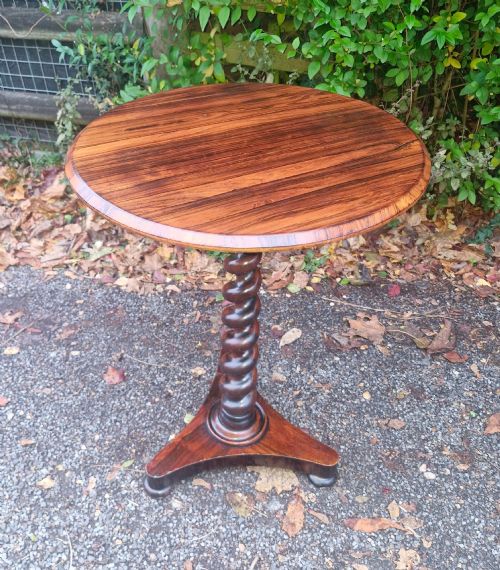
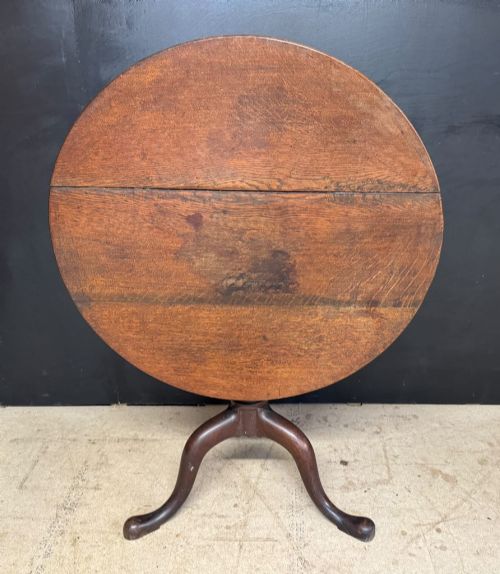
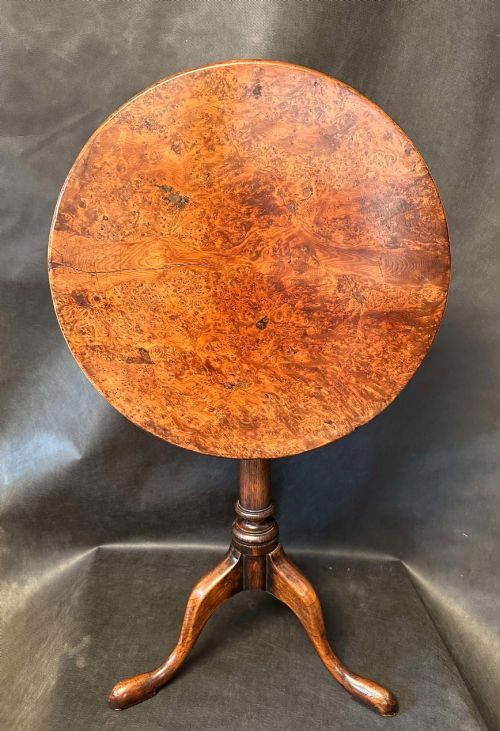
Tripod Base Table
When you search for a tripod base table, you enter a lineage of agile, central-pillar furniture designed to balance mobility with stable three-legged support.
Tripod Base Table
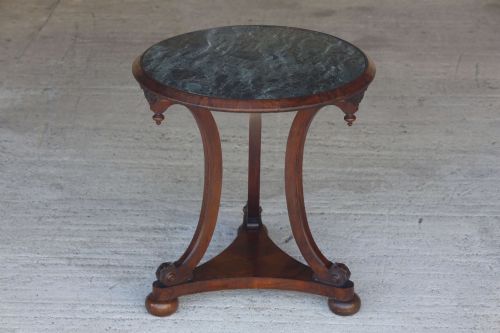
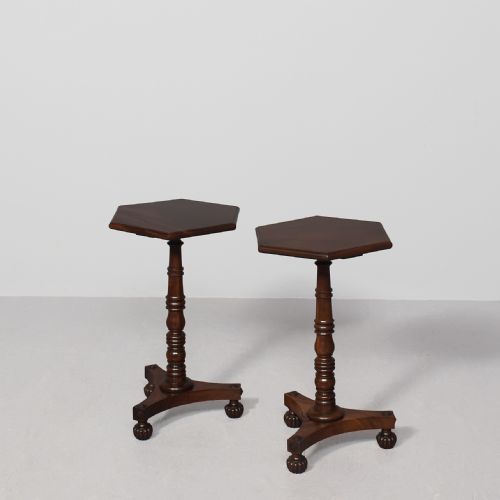
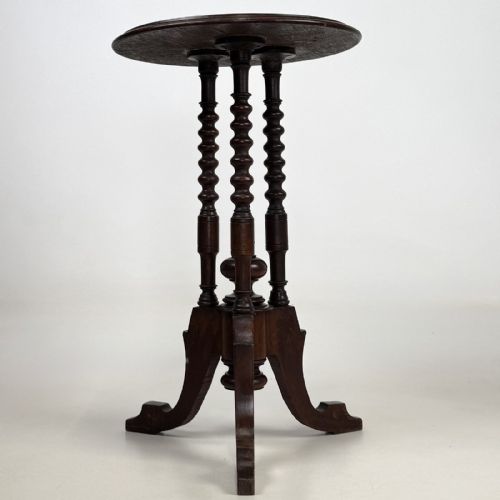
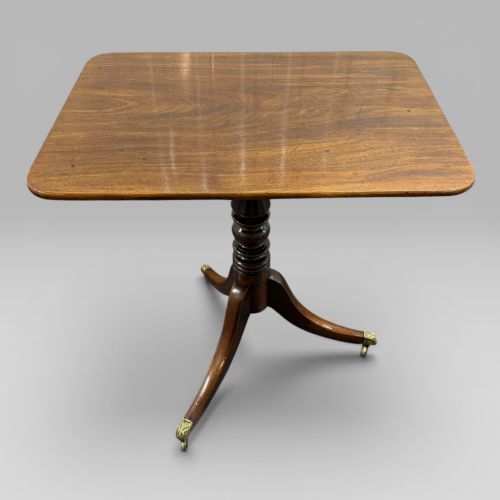
A tripod base table unites a central column with three splaying legs, offering a compact footprint that naturally levels on uneven period flooring. You encounter these most frequently as wine tables, tea tables, and occasional lamp stands spanning the Georgian, Regency, and Victorian eras.
Earlier iterations often incorporate a snap-top or tilt-top mechanism, allowing the surface to fold vertically and rest flat against a wall when not in use. Later Victorian and Edwardian examples lean towards stationary occasional uses, supporting everything from table lamps to revolving book stands and chess boards.
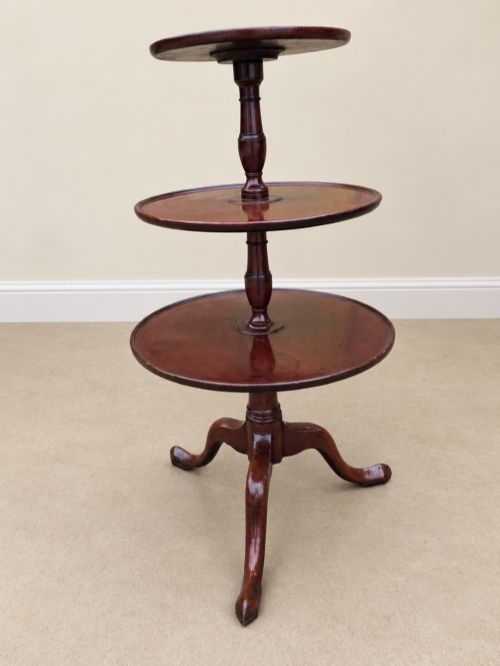
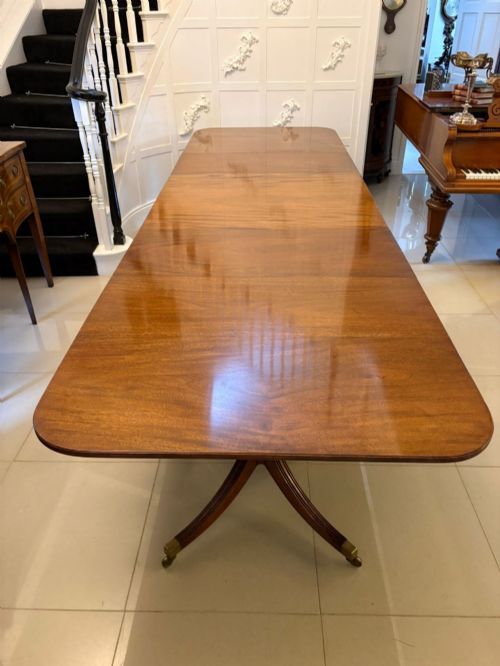
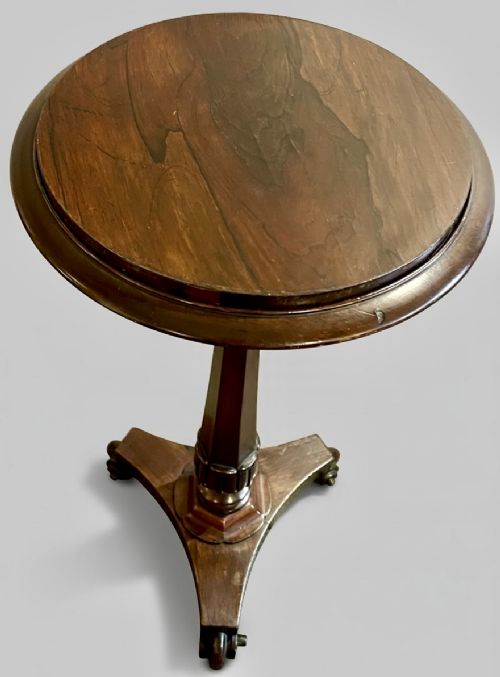
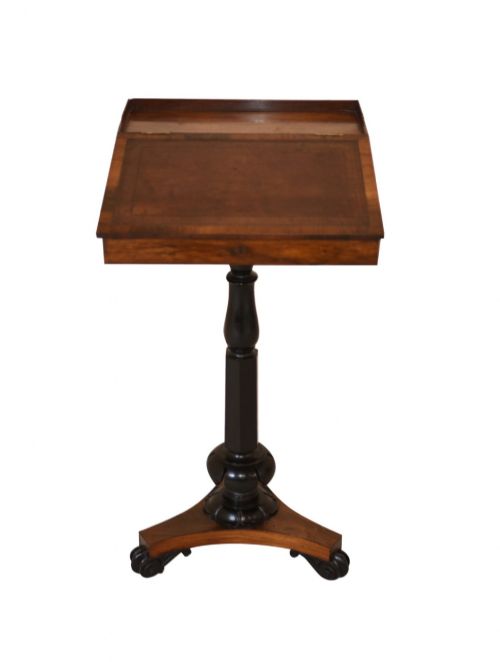
The format also extends into specialised forms such as shaving mirrors, reading stands, and dumb waiters, all anchored by the signature three-legged pedestal. Proportions range from diminutive miniature dish-top pieces to large circular breakfast and centre tables.
Materials and Construction
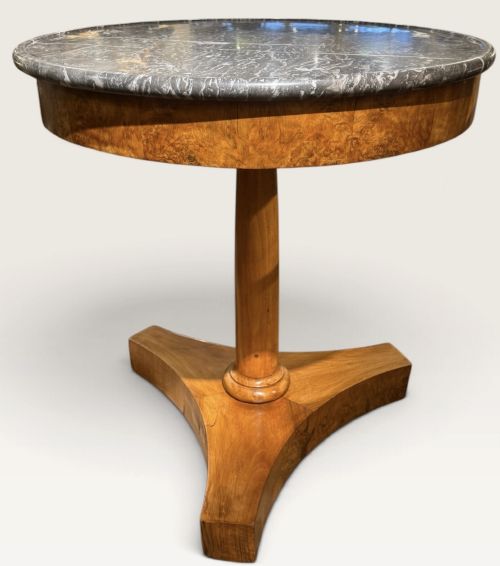
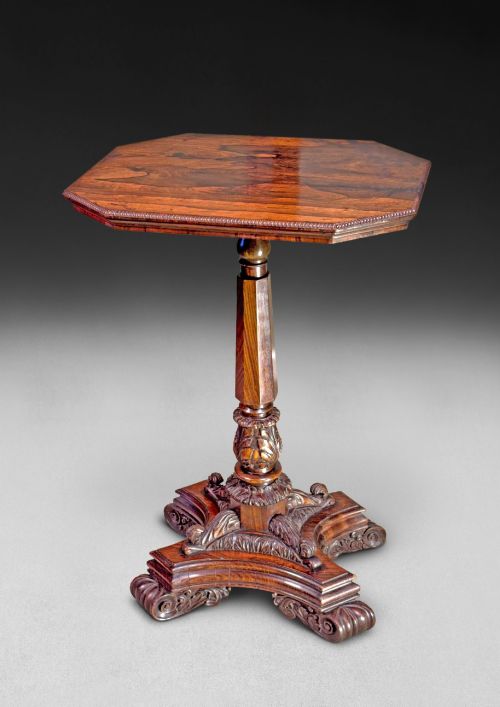
Makers relied heavily on dense hardwoods such as mahogany and rosewood, frequently selecting figured veneers and incorporating contrasting stringing like boxwood inlay. Walnut, oak, and satin-birch also appear across regional and period pieces, occasionally paired with marble tops or brass gallery edges.
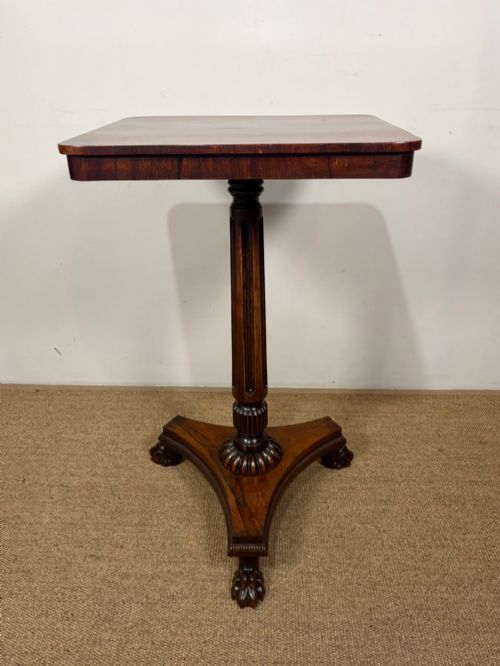
Structural stability relied on tight joinery at the central column and splayed legs, often reinforced beneath by spider blocks or birdcage mechanisms allowing the top to revolve and tilt. Carving was executed by hand, manifesting in reeded pillars, cabriole legs, and claw-and-ball or scroll feet.
Tripod Base Table Retail Price Guide 2026
Typical asking prices for tripod base table among the pieces listed under this phrase on Sellingantiques today, from the lower quarter to the upper quarter. They describe what is for sale here now, not the wider market.
Listings feature woods spanning mahogany, rosewood, walnut, oak, satin-birch, and padouk, alongside marble and brass.
Distinctions in Quality
Quality rests in the harmony of proportions between the top diameter, the height of the turned pillar, and the outward spread of the tripod legs. Superior examples display crisp, hand-carved detailing on the knees and pillar rather than soft, mechanical moulding.
The integrity of the tilting mechanism and the snug fit of the block beneath dictate functional longevity. Timber selection equally divides standard utility items from elite parlour pieces, with richly figured grain and precise marquetry elevating the work.
The Tripod Base Table Glossary
- Tilt-top table
- A table with a hinged top that locks flat for use or folds vertically for storage when not required.
- Snap-top
- A specific tilting mechanism utilising a spring catch to secure the tabletop in the horizontal position.
- Birdcage
- A rotating wooden frame beneath the tabletop that allows the surface to both spin horizontally and tilt.
- Spider block
- The small wooden bracket beneath the pillar that strengthens the joint where the three legs meet the central column.
- Triform base
- A three-sided pedestal support functionally similar to a traditional tripod base.
- Teapoy
- A small pedestal table or box originally designed to store and serve tea leaves in formal drawing rooms.
Tripod Base Table: Frequently Asked Questions
What were tripod base tables used for originally?
These tables served flexible domestic roles, easily moved beside chairs for tea service, dining, or reading. Their light frame made them ideal for shifting around candlelit rooms.
Over time, specific variants evolved for specialised tasks, including chess playing, holding pocket watches during shaving, or supporting heavy porcelain lamps.
How do I distinguish a tilt-top table from a fixed one?
Examine the underside of the tabletop for a wooden catch, block hinge, or birdcage mechanism. Fixed tables join the pillar rigidly to the top without pivoting hardware.
Tilt-top variants often show minor wear around the pivot point from decades of folding flat against walls.
How can I tell a Georgian piece from a Victorian one?
Georgian examples often emphasise restrained mahogany timbers, snap-top actions, and slender cabriole or splayed legs. Carving tends to be crisp and architectural.
Victorian pieces frequently utilise heavier rosewood or walnut, incorporating elaborate carving, inlaid chess boards, and larger circular centre table formats.