


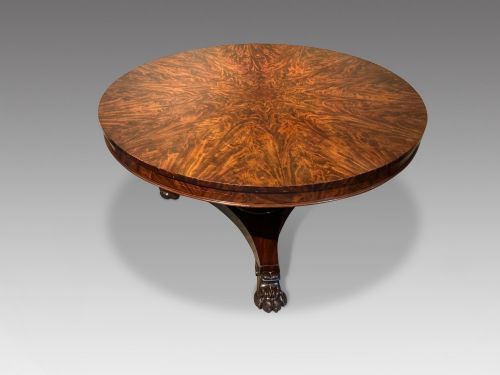
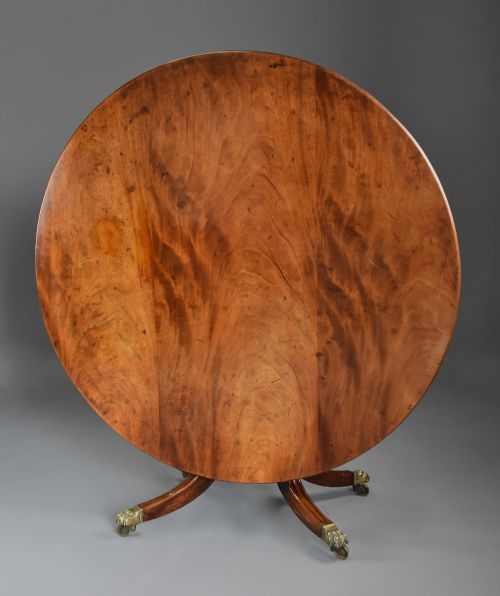
Circular Breakfast Table
A circular breakfast table is a versatile pedestal piece designed for morning dining or central display, offering enduring elegance for period interiors.
Circular Breakfast Table
When you search for a circular breakfast table, you encounter robust pedestal designs rooted in the Georgian, Regency, William IV, and Victorian eras. These versatile tables function as intimate morning dining spots or grand centre tables in a hallway or drawing room.
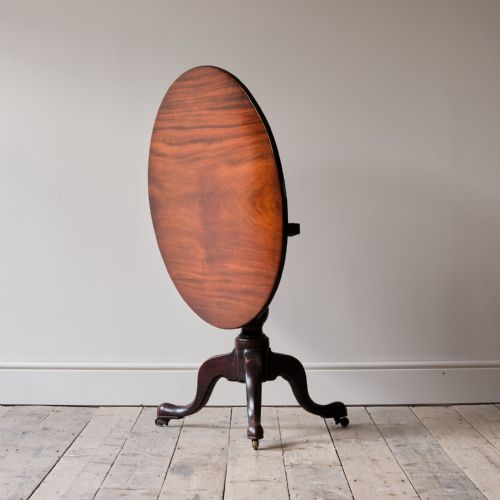
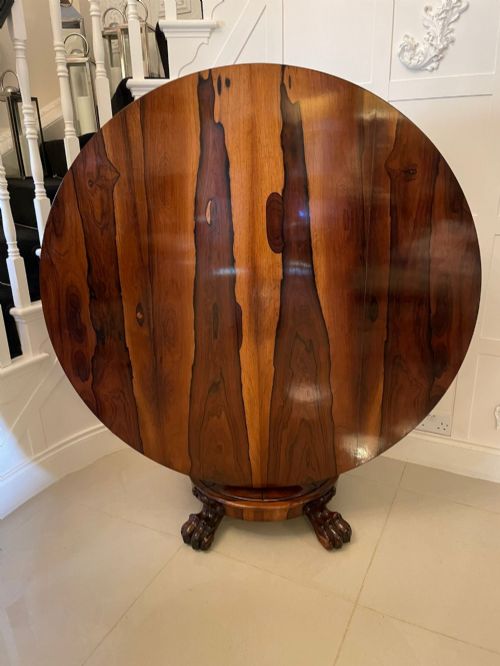
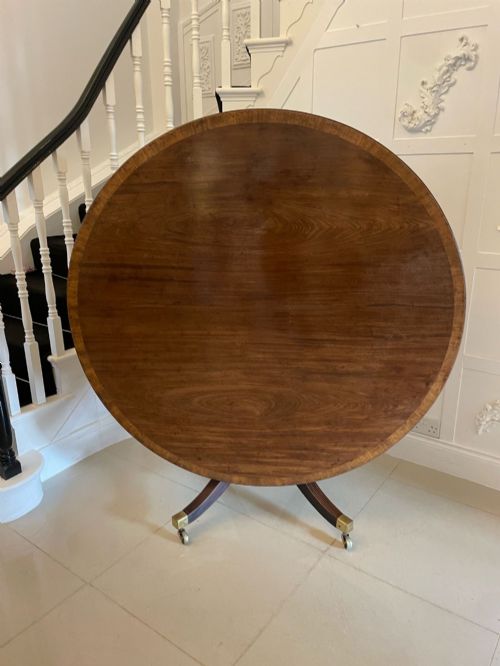
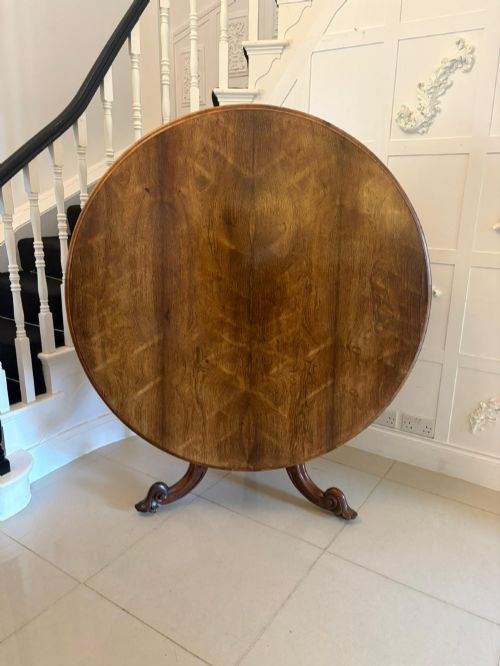
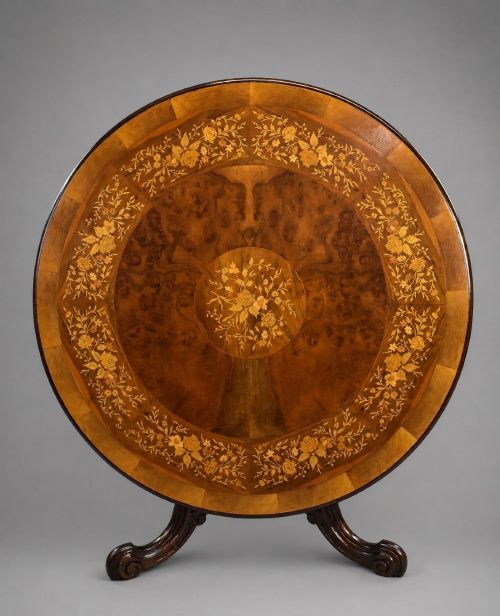
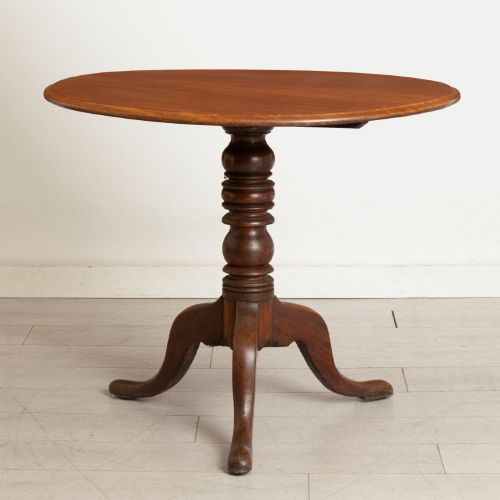
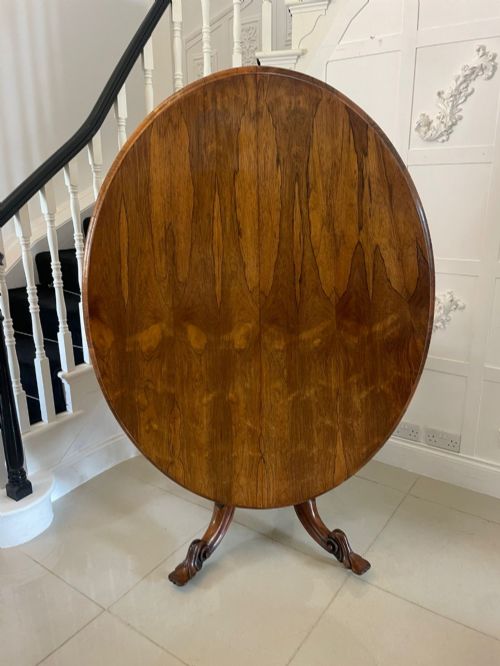
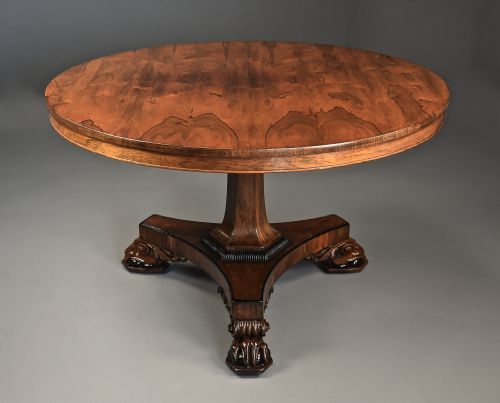
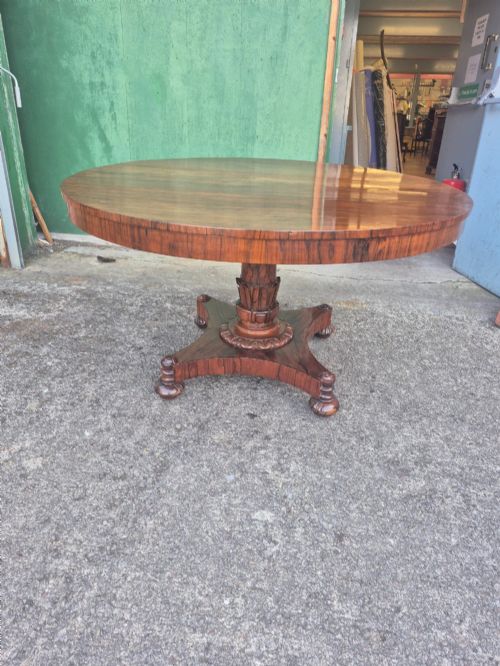
The version you are most likely to meet on this page is a nineteenth-century example in rich mahogany or rosewood, often featuring a tilt top for convenient storage when not in use. Many examples rest on a sturdy triform or pedestal base, sometimes supported by carved legs or brass castors.
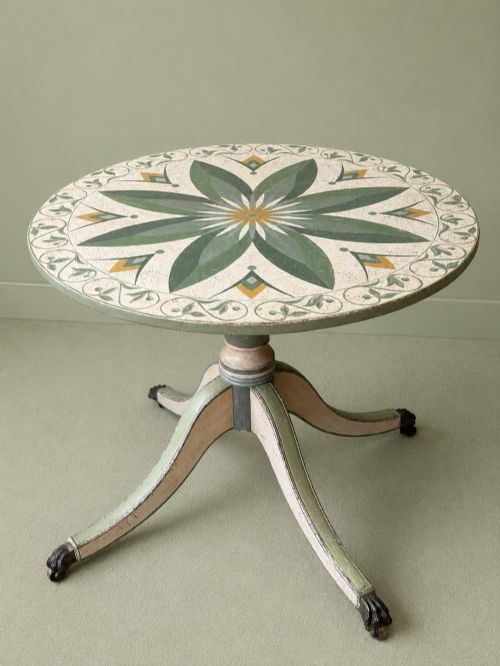
Makers and cabinet makers of the past produced these forms in various sizes, ranging from compact tripod tables to large dining versions capable of seating multiple guests comfortably. The combination of a central pillar and a round top defines the distinctive silhouette shared across these periods.
How They Were Made
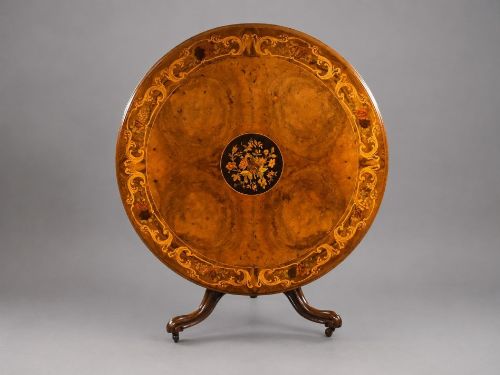
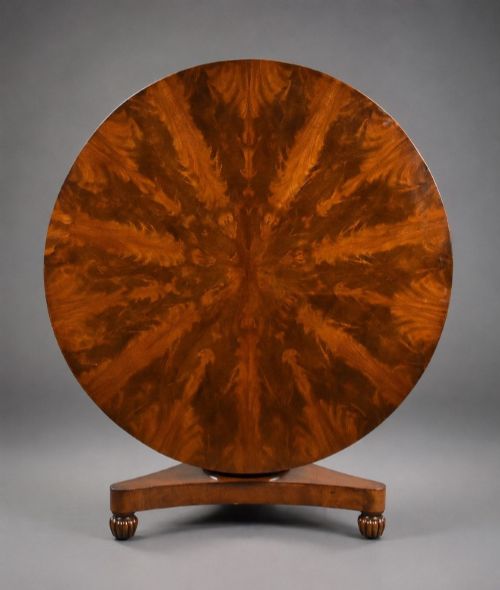
Cabinet makers utilised dense native and exotic timbers, applying figured mahogany, rosewood, burr walnut, and pollard oak veneers to the expansive circular tops. These decorative veneers were carefully matched to display intricate grain patterns across the surface.
Structural stability relied upon heavy central pillars, often joined to tripartite or quadruped pedestal bases constructed from solid timber to support the weight of the top. Tilt-top mechanisms incorporated clever catches and brass fittings allowing the surface to pivot upright.
Circular Breakfast Table Retail Price Guide 2026
Typical asking prices for circular breakfast table among the pieces listed under this phrase on Sellingantiques today, from the lower quarter to the upper quarter. They describe what is for sale here now, not the wider market.
Listings feature circular breakfast tables spanning the Georgian, Regency, William IV, and Victorian periods, constructed primarily in mahogany, rosewood, and walnut.
What Varies in Quality
The distinction between ordinary and exceptional pieces lies primarily in the selection of timber veneers and the crispness of the carved details on the pedestal base. Superior examples display highly figured grain, such as flame mahogany or burr walnut, matched symmetrically across the circular top.
Engineering and joinery also dictate standing worth, seen in the seamless operation of the tilt mechanism and the stability of the central column where it meets the feet. Finer tables often incorporate subtle marquetry inlay or brass detailing executed with precision.
Walker-Lancaster
The Circular Breakfast Table Glossary
- Tilt top
- A hinged table top mechanism designed to pivot vertically, allowing the piece to stand flat against a wall when not in use. This practical eighteenth and nineteenth-century invention saved valuable floor space in large homes.
- Triform base
- A three-sided pedestal foot configuration commonly found supporting the central pillar of Regency and Victorian tables. It provides balanced weight distribution across the floor.
- Marquetry
- The art of applying decorative veneer pieces in wood, brass, or other materials to form intricate geometric or floral patterns. Master craftsmen used contrasting timbers to create elaborate surface designs.
- Flame mahogany
- A highly figured tropical hardwood veneer displaying a distinctive undulating flame pattern. Cabinet makers reserved this premium material for the most prominent surfaces of high-status furniture.
- Pedestal table
- A freestanding item supported by a single central column rather than traditional corner legs. This architectural arrangement maximises legroom around the perimeter of the top.
Circular Breakfast Table: Frequently Asked Questions
What is a circular breakfast table used for?
These pieces originally served for morning meals in private chambers or informal dining settings before the adoption of dedicated dining rooms. Their central pedestal design also made them popular as freestanding hall or centre tables.
Today, they function effectively in modern spaces as dining spots for smaller rooms or as striking display surfaces in entrance hallways.
How do I tell a Regency table from a Victorian one?
Regency examples typically display restrained classical proportions, featuring rich mahogany, brass inlay, and crisp carved reeding upon the pedestal. They lean towards architectural simplicity and elegance.
Victorian pieces often introduce heavier proportions, darker rosewood or burr walnut veneers, elaborate carving, and occasionally marquetry or segmented tops.
What is a tilt-top mechanism?
A tilt-top mechanism uses a hinged block beneath the circular surface, allowing the entire top to pivot ninety degrees into a vertical position. A brass or wooden catch secures it in place.
This historical feature allowed servants to clear rooms quickly and protected the polished timber surface from accidental damage.
How do I care for a antique wood table?
Maintain the polished finish by dusting regularly with a soft, dry cloth and avoiding placement near direct heat sources or strong sunlight. Excessive temperature changes can cause old timber veneers to split.
Apply high-quality beeswax sparingly to nourish the grain, rubbing it in thoroughly to preserve the aged patina without building up heavy residue.