



Edwardian Reading Stand
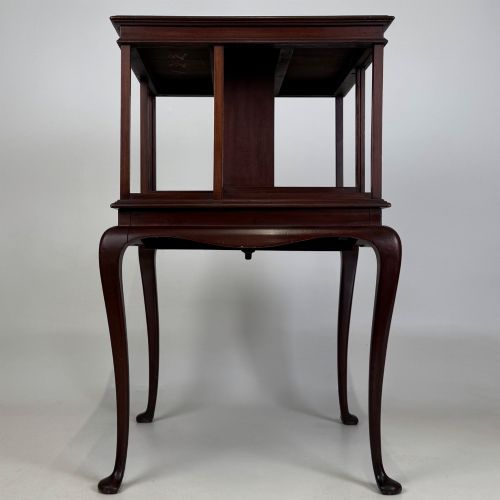
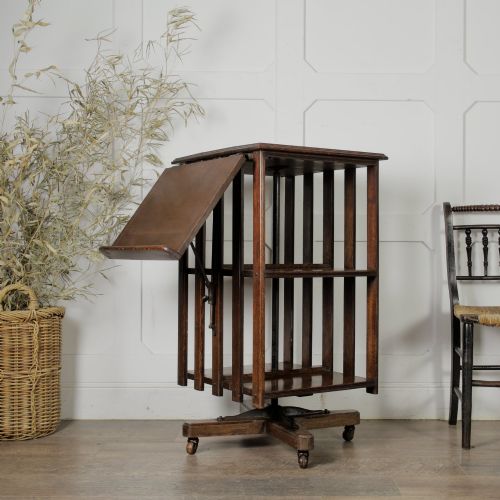
An edwardian reading stand brings mechanical adaptability and timber craftsmanship together to hold books or sheet music at precisely the required angle.
Edwardian Reading Stand
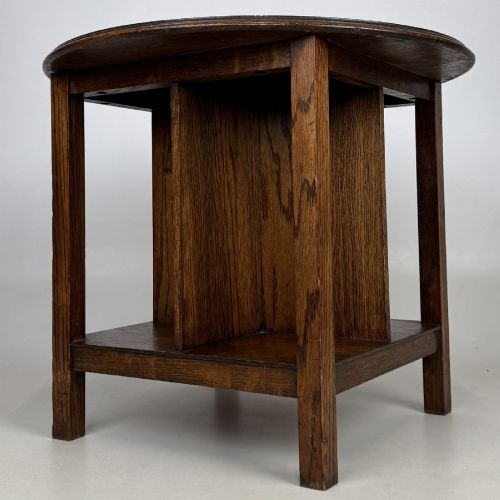
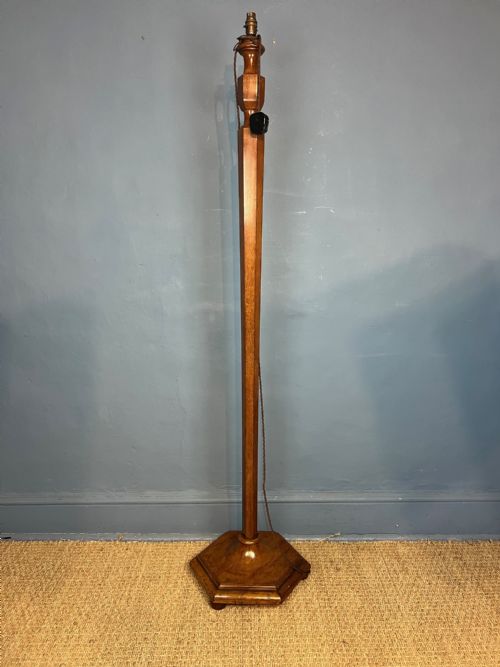
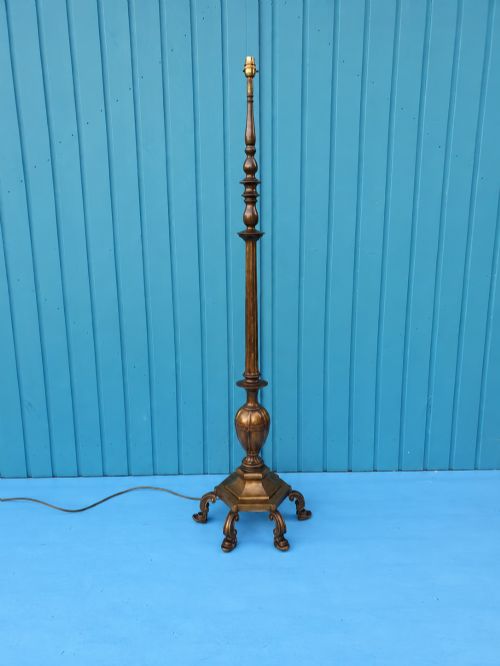
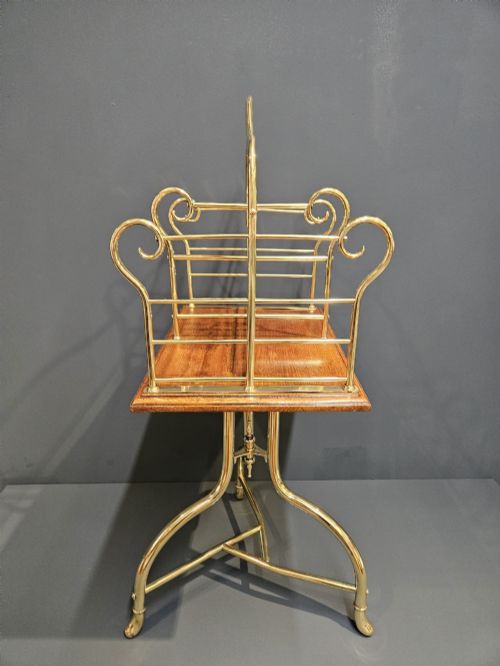
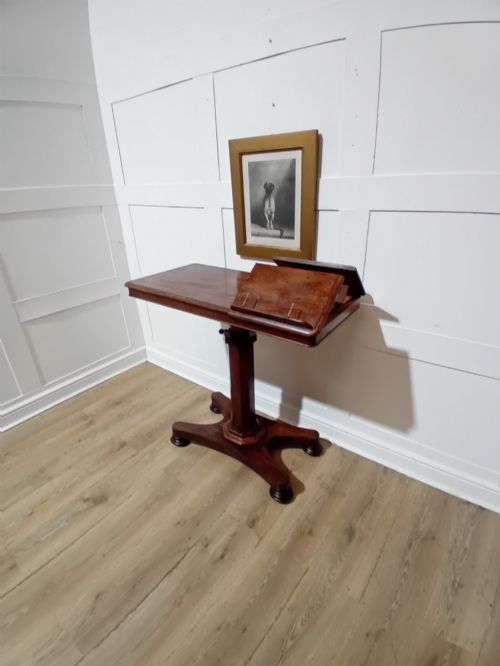
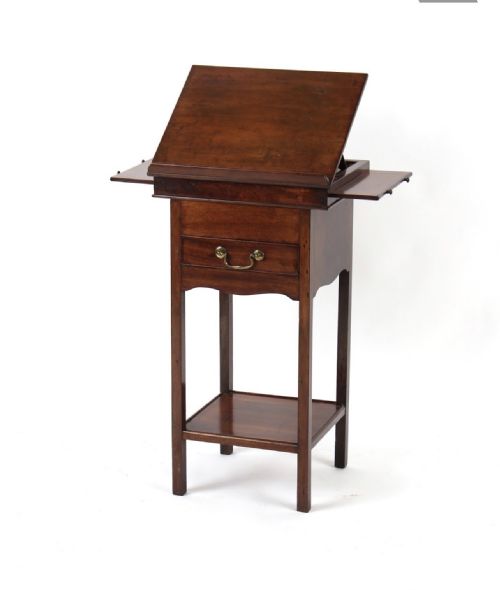
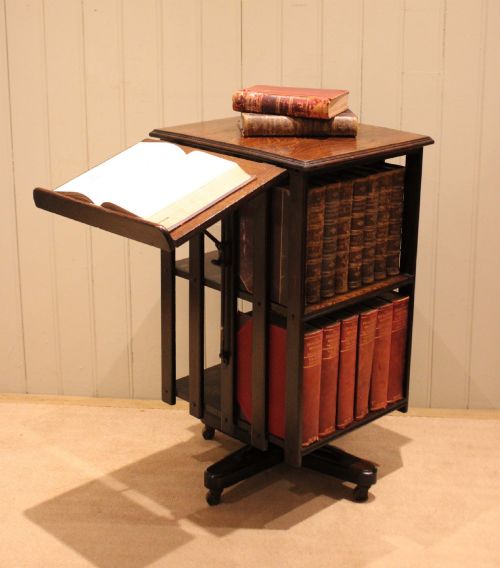
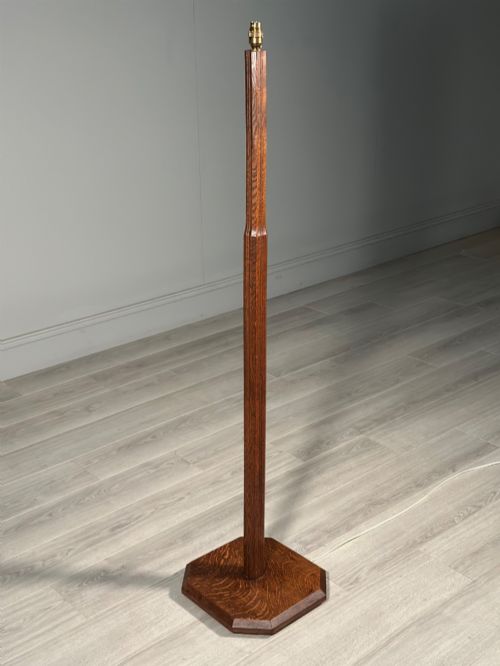
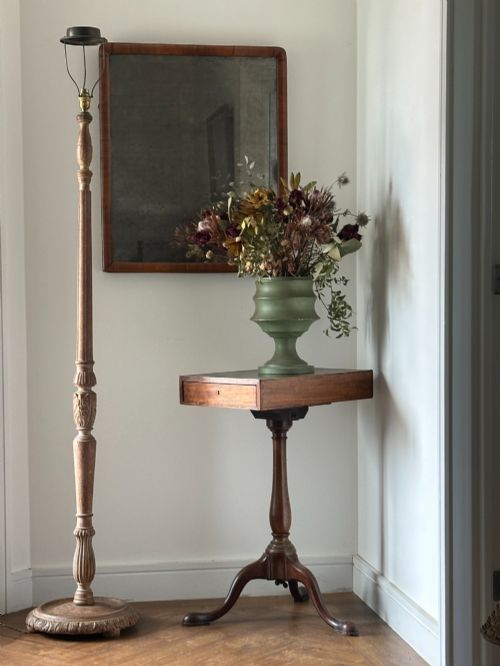
An edwardian reading stand encompasses adjustable tables, floor-standing swivel lamps, rotating bookcases, and pivoting lecterns originating primarily from the early twentieth century. Buyers seeking this phrase encounter pieces designed for functional study, domestic reading, and music rooms, frequently rendered in solid or inlaid mahogany and oak.
The selection ranges from compact bed tables and folding campaign backrests to substantial standard lamps and revolving bookcases incorporating reading ledges. Pieces emerge from the Victorian era through the interwar period, with Edwardian examples dominating the selection in both inlaid mahogany and sturdy oak.
Materials and Technique
Cabinetmakers utilised dense timbers such as mahogany, oak, walnut, and pine, often employing fine inlay or carved detailing for decorative impact. Brass, copper, and cast iron provide the adjustable stems, tripod bases, and pivoting mechanisms required for mechanical movement.
Joints and moving parts rely on traditional cabinetry techniques alongside metal threading and ratchets to allow height adjustment and tilting surfaces. Fabric elements appear occasionally on associated lampshades, while silver plate finishes accent select brass floor lamps.
Edwardian Reading Stand Retail Price Guide 2026
Typical asking prices for edwardian reading stand among the pieces listed under this phrase on Sellingantiques today, from the lower quarter to the upper quarter. They describe what is for sale here now, not the wider market.
Judging Quality
The distinction between standard examples and top-tier pieces rests on the precision of the mechanical adjustments and the crispness of the timber carving or inlay. Superior items maintain smooth articulation in their swivelling brackets and reading ledges without compromising structural stability.
Selection of materials dictates the baseline of refinement, where dense figured mahogany or patinated brass with well-cast fittings demonstrates superior workshop origin compared to plain utilitarian pine or cast iron.
Leveson and Sons·Carters Of London
The Edwardian Reading Stand Glossary
- Lectern
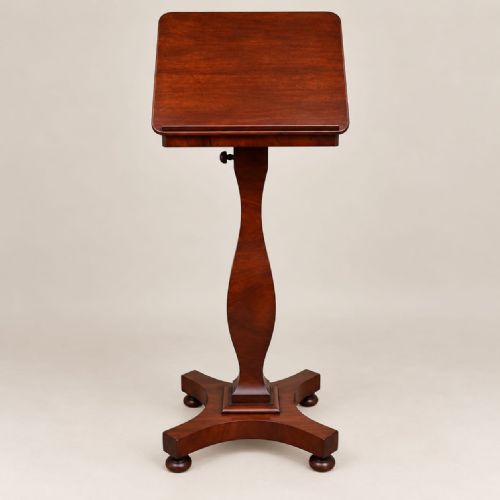
- A slanted stand designed to hold a book or sheet music at a readable height for a standing or seated person. These often feature adjustable stems or folding mechanisms for storage.
- Revolving bookcase
- A low or table-height shelving unit mounted on a rotating pivot base to allow access to books from any angle. Many Edwardian variants incorporate reading surfaces or magazine racks.
- Standard lamp
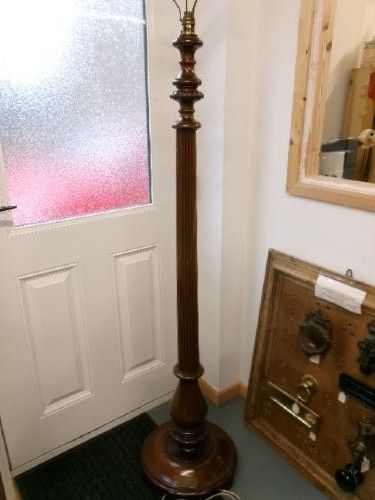
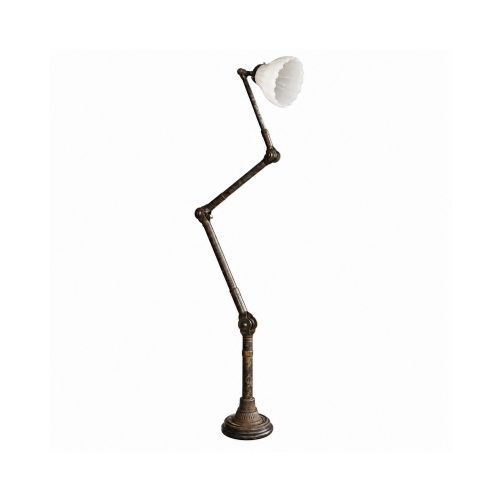
- A tall floor-standing lamp designed to illuminate a specific area, frequently featuring adjustable height mechanisms or pivoting arms developed during the late nineteenth and early twentieth centuries.
- Inlay
- A decorative technique where contrasting pieces of wood or shell are fitted into depressions within a timber surface to form patterns. Edwardian reading tables frequently employ this on mahogany tops.
Edwardian Reading Stand: Frequently Asked Questions
How do I adjust the height?
Many stands utilise sliding brass stems secured by threaded thumbscrews or internal ratchets allowing vertical positioning.
Carefully support the reading ledge while releasing the mechanism to prevent sudden drops.
Were these used for music?
Several pieces double as music stands or lecterns specifically proportioned for holding sheet scores.
Adjustable ledges kept scores at optimal viewing angles for musicians seated or standing nearby.
Can I use a modern bulb in the standard lamps?
Most antique floor lamps have been rewired to accommodate standard modern electrical fittings safely.
Check the internal wiring or consult a professional electrician if the piece retains vintage components.
How do I care for the mahogany surfaces?
Maintain polished mahogany and oak timbers with traditional beeswax applied sparingly with a soft cloth.
Avoid placing wooden stands near direct heat sources to prevent the timber from splitting.