





Georgian Book Table
These georgian book table pieces bring practical elegance to a room, offering clever surfaces designed for reading, writing and storing volumes.
Georgian Book Table
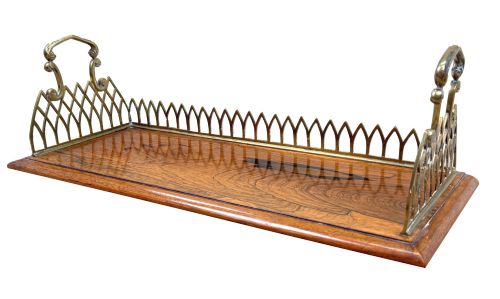
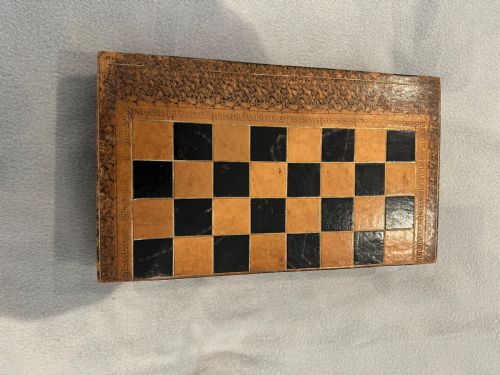
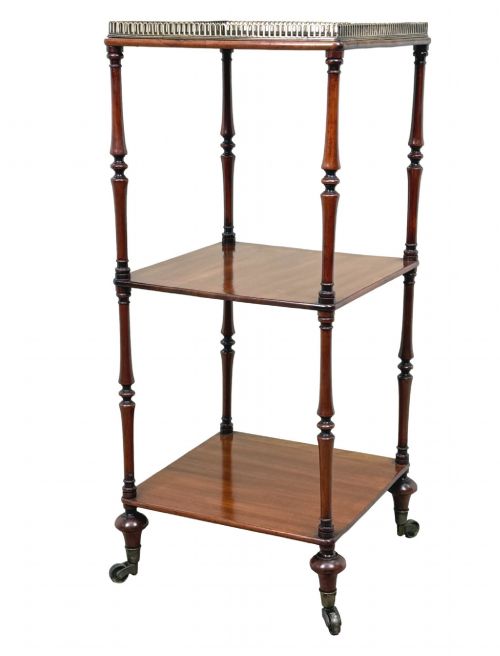
When you search for a georgian book table, you encounter diverse forms created for holding volumes, manuscripts and papers. The selection ranges from compact book carrier desk stands and table top presses to multi-tiered reading tables and occasional pieces spanning the Georgian, Regency and Victorian eras.
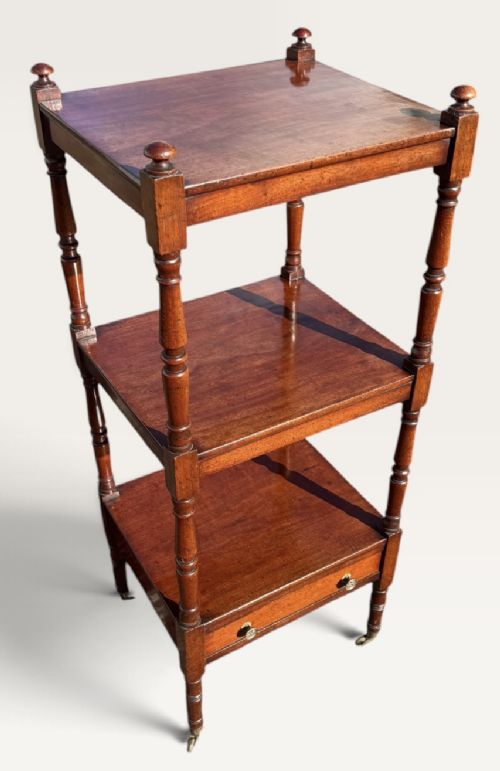
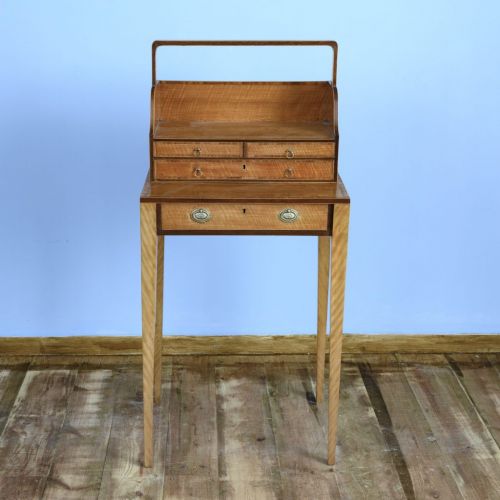
You are most likely to meet mahogany reading tables and small whatnots alongside oak book press tables and satinwood cheverets. These items reflect the domestic study habits of the eighteenth and nineteenth centuries, combining surfaces for reading with integrated storage or adjustable book rests.
How they were made
Cabinet makers utilised dense timbers such as mahogany, oak, satinwood and rosewood to construct sturdy frames capable of supporting heavy volumes. Surfaces frequently featured figured grain patterns, complemented by subtle details in brass, leather and gold leaf.
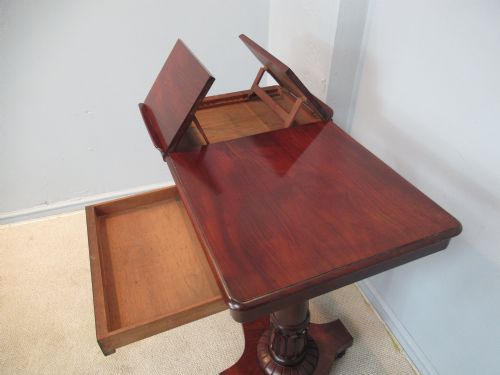
Mechanical ingenuity defined many reading tables and stands, incorporating adjustable ratchets, screws and pivoting mechanisms. Tiered whatnots and étagères relied on precise joinery to support multiple open shelves without losing structural integrity.
Georgian Book Table Retail Price Guide 2026
Typical asking prices for georgian book table among the pieces listed under this phrase on Sellingantiques today, from the lower quarter to the upper quarter. They describe what is for sale here now, not the wider market.
A tiger cowrie shell once shared a table with an open book in an eighteenth-century portrait recorded in the archives.
What varies in quality
The sophistication of the mechanism dictates much of the distinction between standard items and superior examples. Smooth action in adjustable reading stands and screw presses demonstrates higher craftsmanship.
Timber selection and surface figure set the finest pieces apart from simpler utility items. Well-matched grains in mahogany and satinwood elevate the visual presence of bookcases, cheverets and writing tables.
The Georgian Book Table Glossary
- Cheveret
- A small multi-purpose writing and reading table featuring a small bookshelf or compartment on top. It often includes drawers and pull-out surfaces.
- Whatnot
- An open set of multi-tiered shelves used for displaying and storing books or ornaments. These pieces appeared frequently during the Regency period.
- Book Press
- A heavy mechanical device utilised for flattening paper or binding books. Many examples doubled as functional tables or stands.
- Étagère
- A French term for a piece of furniture consisting of a set of open shelves for holding small objects or books. They typically feature three or more tiers.
- Bird Cage Table
- An occasional table with a pivoting wooden mechanism beneath the top allowing it to tilt and rotate. This design originated in the eighteenth century.
Georgian Book Table: Frequently Asked Questions
What is a reading table?
A reading table is an adjustable piece of furniture designed to hold books at a comfortable angle for the reader. Many examples feature ratchets or folding ledges to secure heavy volumes.
These tables frequently appear from the Regency and Georgian periods, serving scholars and readers in libraries and drawing rooms alike.
How do you use a book press table?
A book press table combines a flat working surface with a heavy mechanical screw press built into the structure. Users operated the screw mechanism to press paper, bind books or flatten documents.
Today, these robust oak and mahogany items function well as side tables or decorative desks while retaining their original mechanical character.
What is the difference between a whatnot and an étagère?
A whatnot and an étagère both describe open-shelved furniture designed for storage and display. The terms are often used interchangeably in historical listings.
Both forms provide tiered shelving supported by columns or slender uprights, appearing in mahogany, rosewood and birdseye maple.
How do I identify a Georgian reading table?
Georgian reading tables display characteristic eighteenth-century joinery, timber choices like figured mahogany and oak, and restrained classical proportions. Look for adjustable book rests and solid brass fittings.
Many examples feature stable tripod bases or column supports reflecting the George II and George III aesthetic.