

Mahogany Entry Table
A mahogany entry table offers a handsome welcome to a hall, combining rich timber and practical surface space for everyday use.
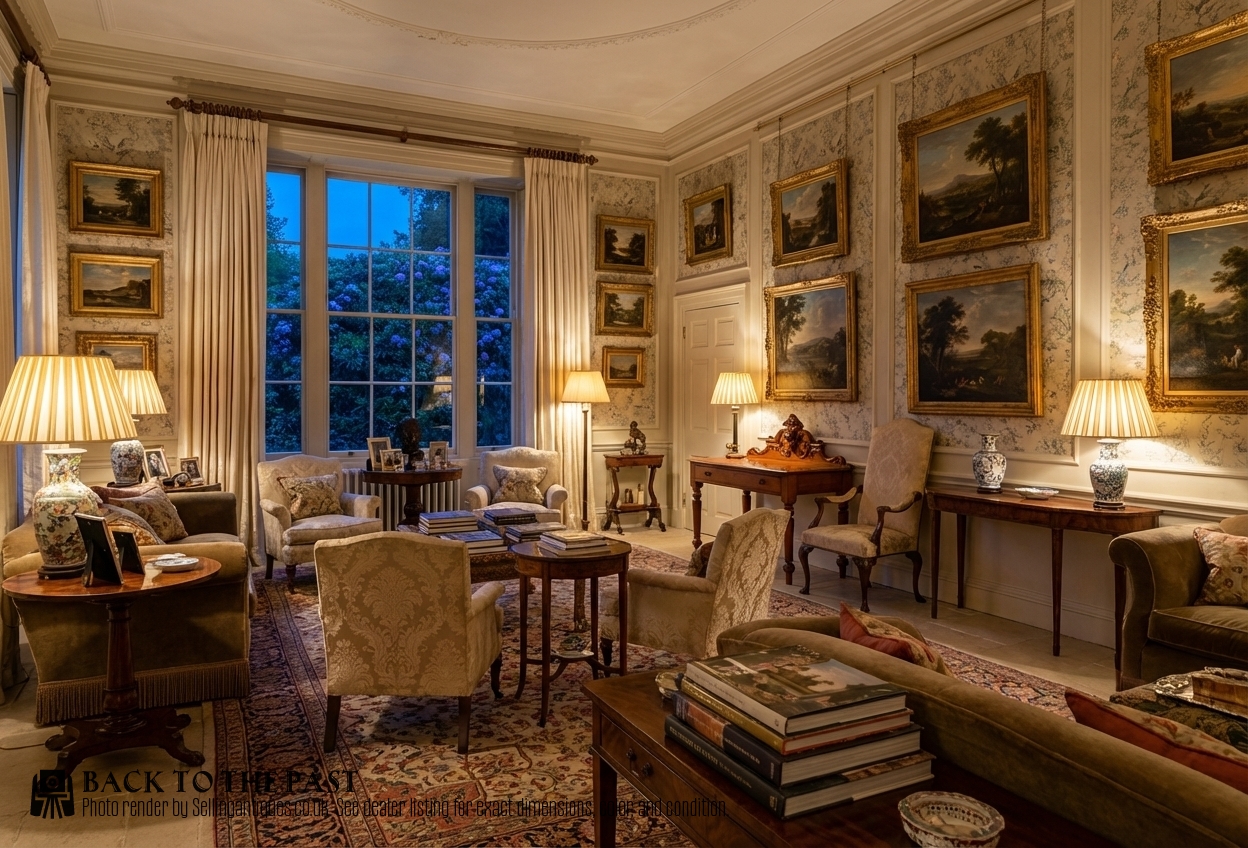
Mahogany Entry Table
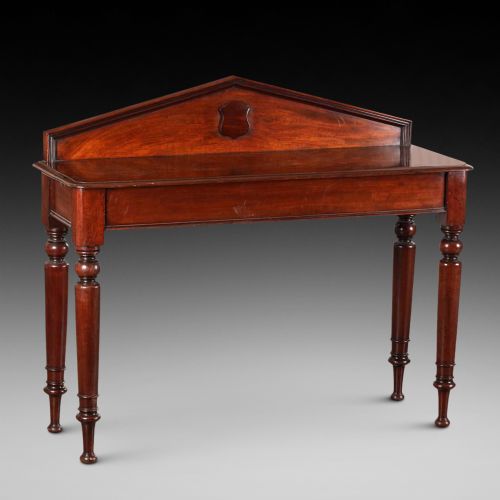
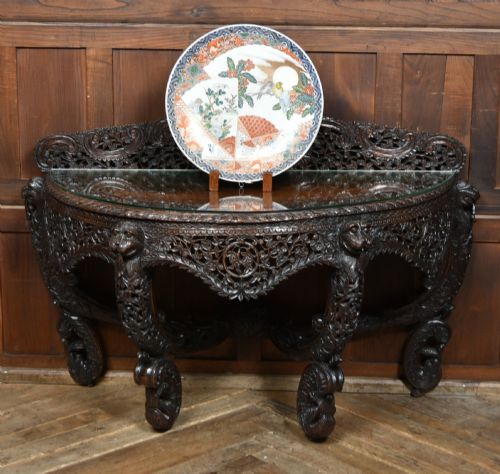
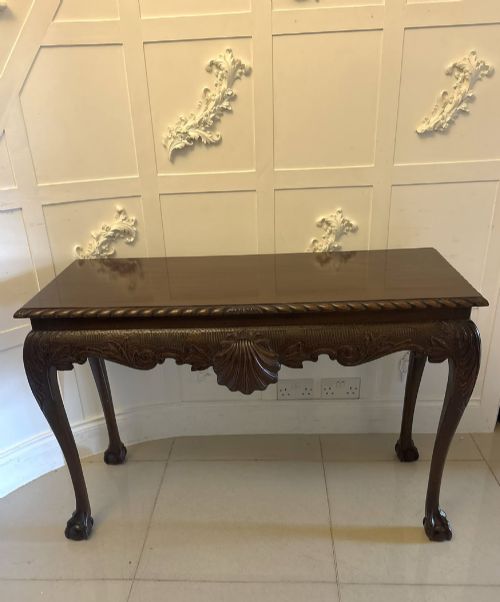
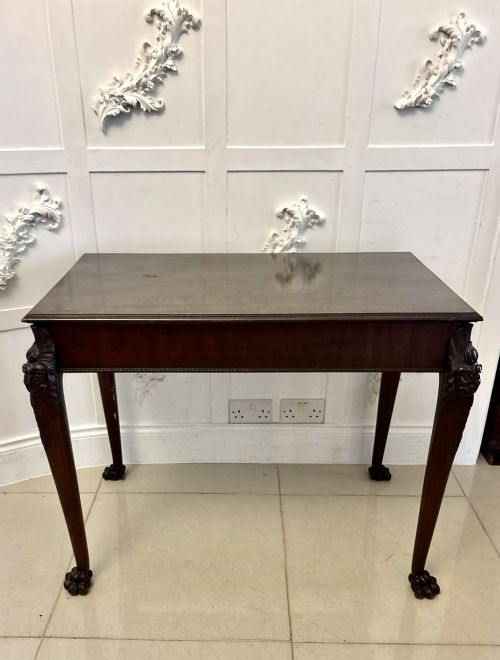
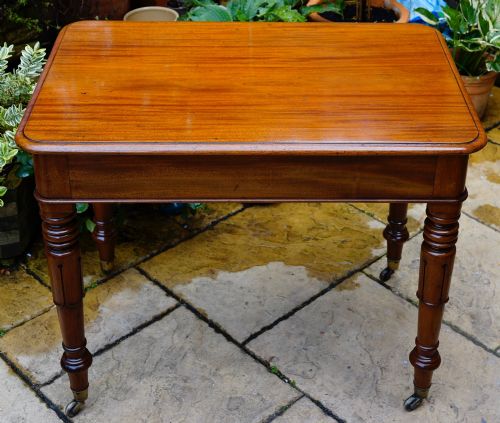
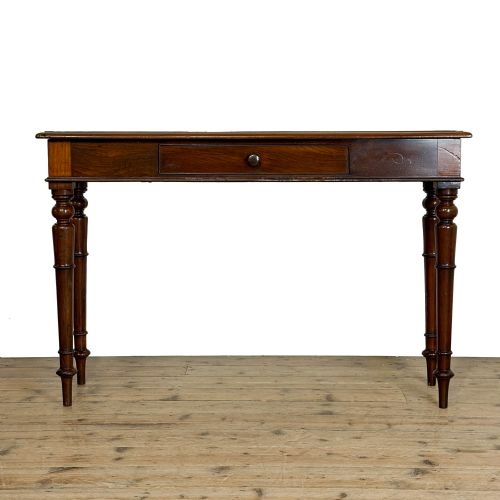
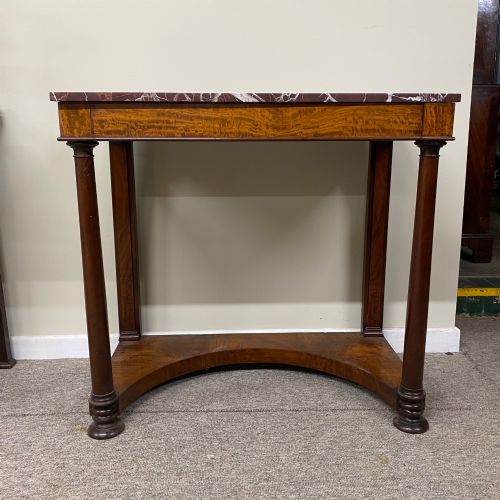
A mahogany entry table serves as a functional and decorative piece situated in hallways, corridors and reception spaces. These tables take various forms, including console tables, demi lune shapes, hall tables and side tables.
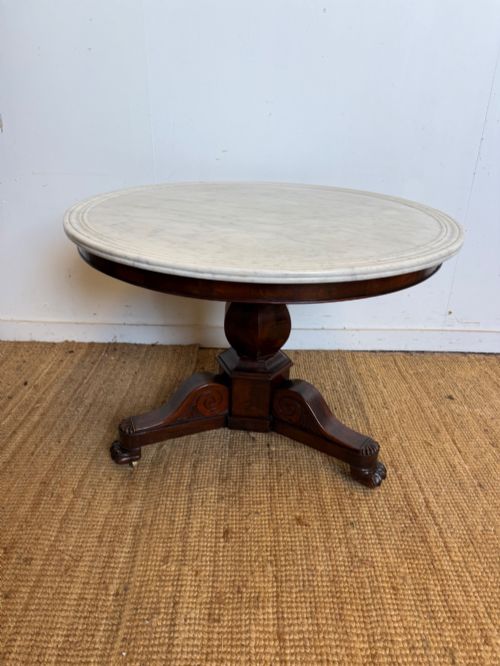
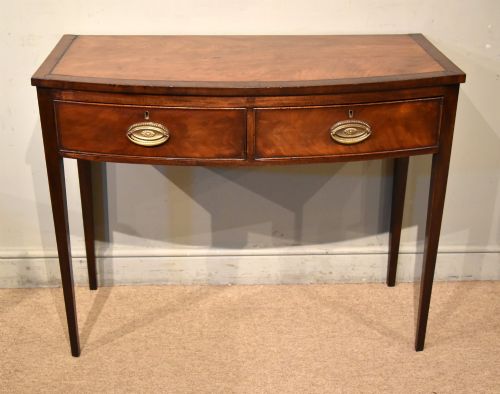
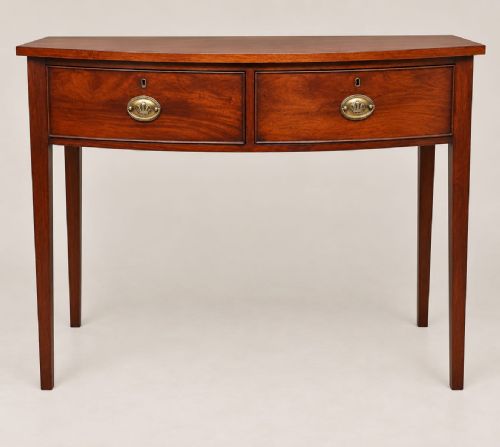
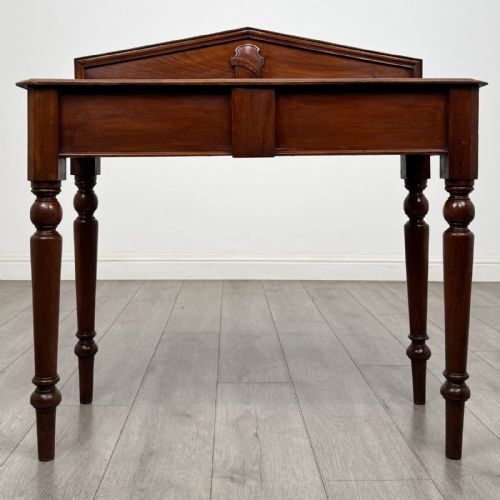
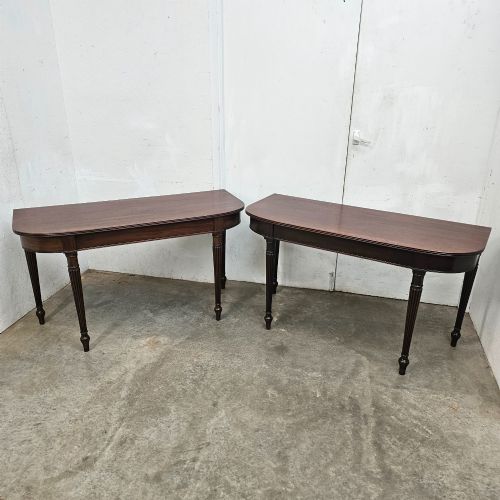
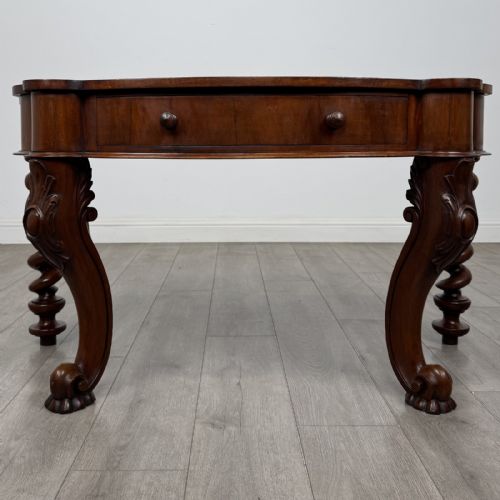
The pieces seen here span multiple periods, most notably the Georgian era, the nineteenth century, and later Victorian and Edwardian decades. Buyers frequently encounter console and side tables designed with demi lune or serpentine fronts intended to sit flush against a wall.
Origins stretch across British and continental workshops, incorporating French Empire and Dutch influences alongside traditional English cabinet-making. Many examples incorporate folding tops or drawers suited for domestic organisation.
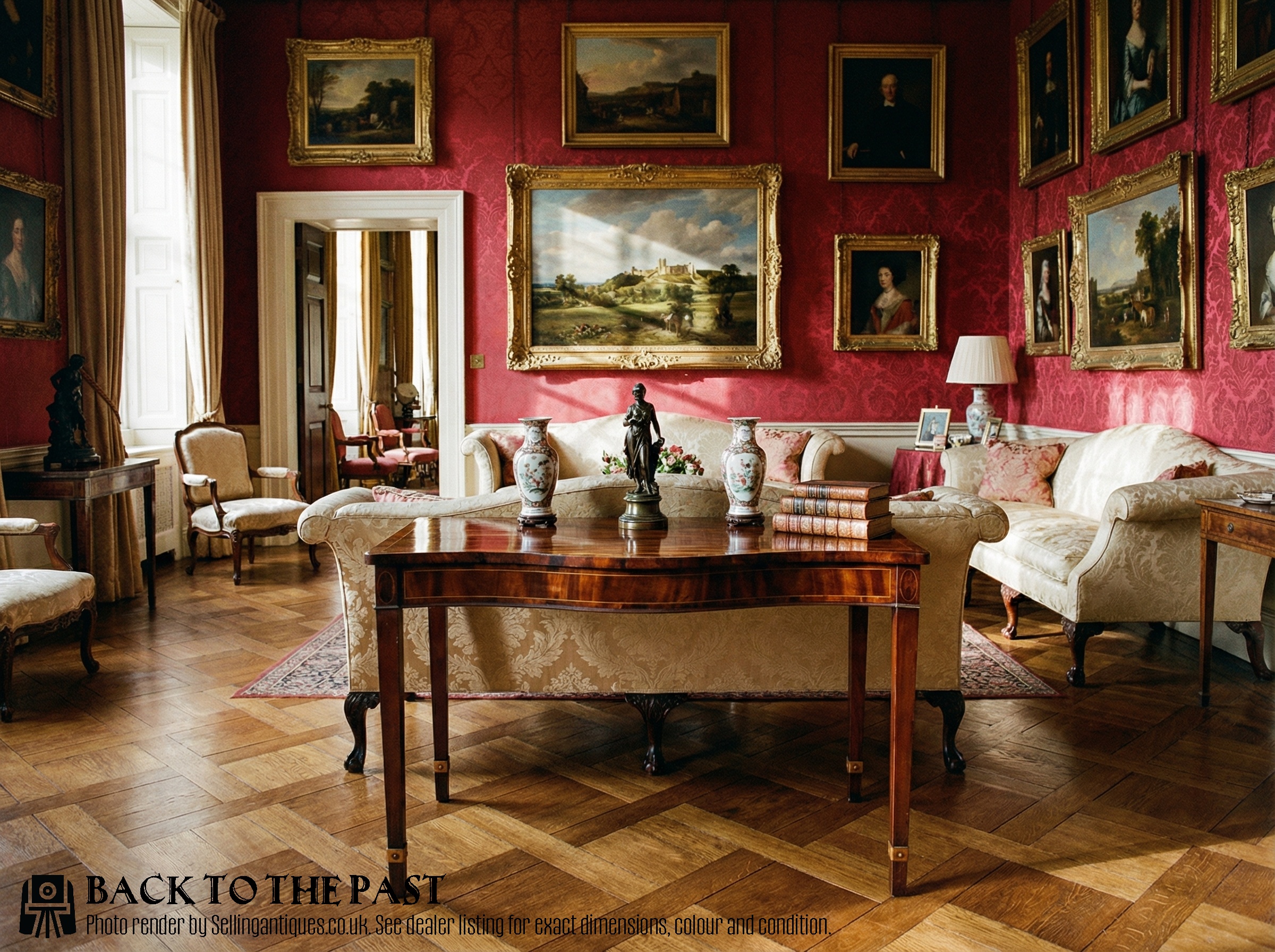
Judging the standard
Quality rests significantly on the selection of timber, where intensely figured flame mahogany or finely matched veneers elevate a piece far above plain stock. The crispness of carved mouldings and the precision of inlaid satinwood stringing also signal superior workshop standards.
Structural harmony and proportion dictate the elegance of the silhouette, particularly in serpentine and demi lune shapes where curves must flow without awkward transitions. Well-executed original brass hardware and cleanly fitted drawer linings further separate standard items from finer productions.
Mahogany Entry Table Retail Price Guide 2026
Typical asking prices for mahogany entry table among the pieces listed under this phrase on Sellingantiques today, from the lower quarter to the upper quarter. They describe what is for sale here now, not the wider market.
Several tables retain discreet small drawers originally intended for depositing pocket watches and calling cards before entering the drawing room.
Druce and Co
The Mahogany Entry Table Glossary
- Demi lune
- A half-moon shape popular for console and side tables designed to stand flat against a wall. This profile saved floor space in narrow hallways.
- Serpentine
- A gently undulating front edge curving outward at the centre and inward at the sides. This contour required advanced woodworking skill to execute properly.
- Gueridon
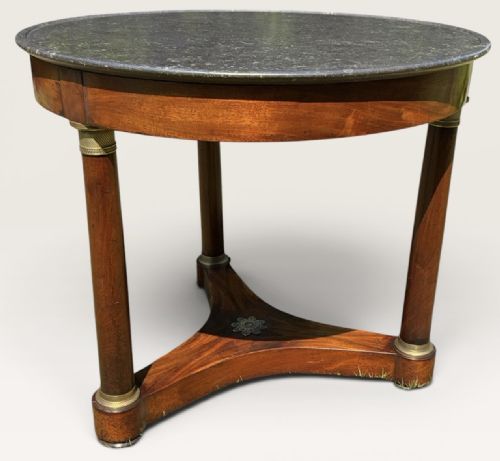
- A small round table, frequently French in origin, supported by a central pillar or three legs. These tables often feature marble tops.
- Ormolu
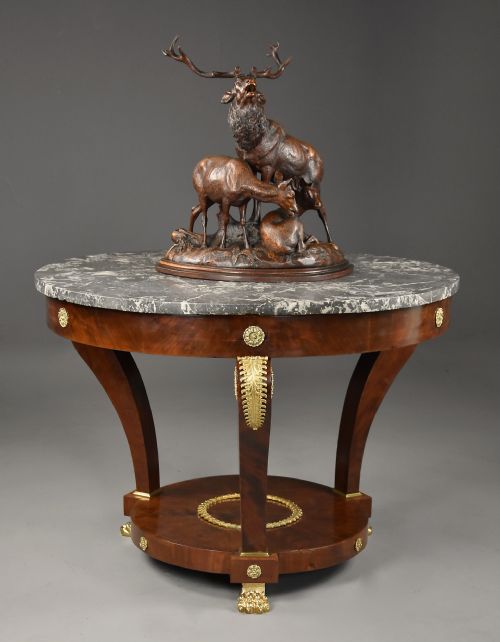
- Gilt-bronze decorative mounts applied to furniture. The technique was particularly common on French Empire and nineteenth-century pieces.
- Console table
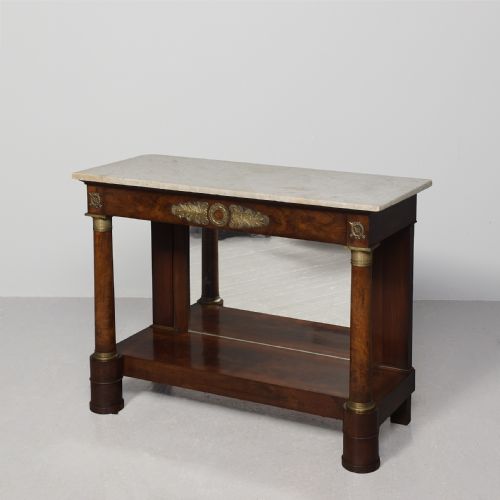
- A table supported by wall brackets or console legs, designed to sit flush against a wall. They frequently accompanied matching pier mirrors.
Mahogany Entry Table: Frequently Asked Questions
What is the difference between a console table and a hall table?
A console table is traditionally designed to be fixed against a wall, sometimes supported by front legs and wall brackets. They often feature decorative marble tops and mirror backs.
A hall table is a freestanding piece intended for practical use in an entranceway. These frequently include drawers for keys and correspondence.
How do I identify a Georgian mahogany table?
Georgian tables display restrained classical proportions, solid timber construction, and subtle carved details such as bracket feet or understated edge moulding. The mahogany used in this period tends to have a deep, natural patina acquired over centuries.
Later Victorian and Edwardian interpretations often revive these forms but utilise brighter finishes, veneering techniques, or contrasting inlay work like satinwood.
Can I use a marble top table in a busy hallway?
Marble top tables provide a durable, hard-wearing surface that resists moisture and daily wear remarkably well. They handle keys, post and decorative objects without sustaining surface scratches.
Care should be taken with acidic liquids, but the stone itself offers exceptional longevity for high-traffic entrance areas.
What does demi lune mean?
Demi lune translates from French as half-moon, describing tables with a straight back edge and a semicircular front. This shape allows the furniture to sit flat against a wall while projecting a softer curved profile into the room.
They were widely produced in console and tea table formats throughout the eighteenth and nineteenth centuries.