


Classic Hall Table
These classic hall table designs bring immediate presence to an entrance, offering refined surfaces and historical weight.
Classic Hall Table
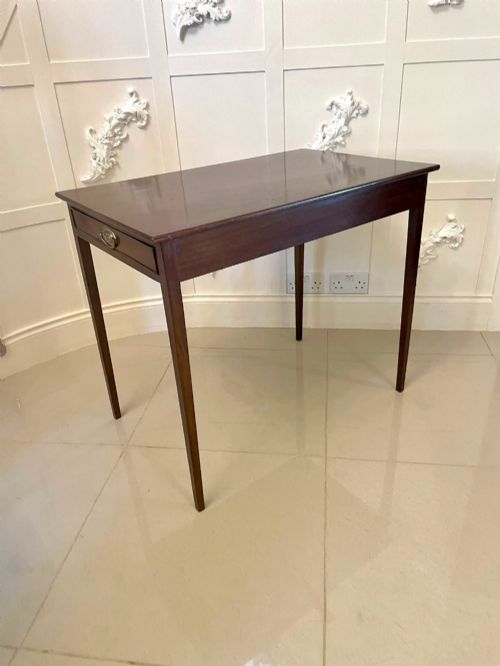
A classic hall table provides a purposeful anchor for an entranceway, typically taking the form of a console or side table designed to stand against a wall. The examples seen here span George III, Regency, Victorian, and later revival periods, bringing centuries of cabinet-making history into a domestic setting.
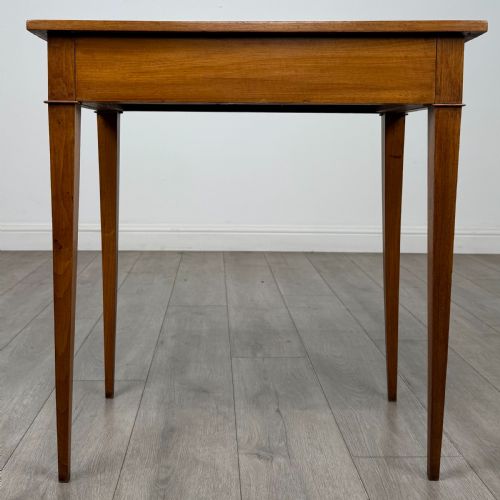
You will most frequently encounter console tables and side tables among these listings, often featuring slender proportions suited to narrow corridors or reception spaces. These pieces combine decorative presence with practical display surfaces, reflecting the formal requirements of period interiors.
Originating across British, Irish, and continental workshops, these items demonstrate regional preferences in timber selection and decorative detailing. From Scottish crossbanding to French empire influences, each piece carries the distinct hallmarks of its period of manufacture.
Materials and construction
Cabinet-makers relied heavily on rich primary timbers such as mahogany and walnut, frequently enhancing surfaces with figured veneers, burr birch, and rosewood crossbanding. These woods were chosen for their deep grain patterns and ability to take a high polish.
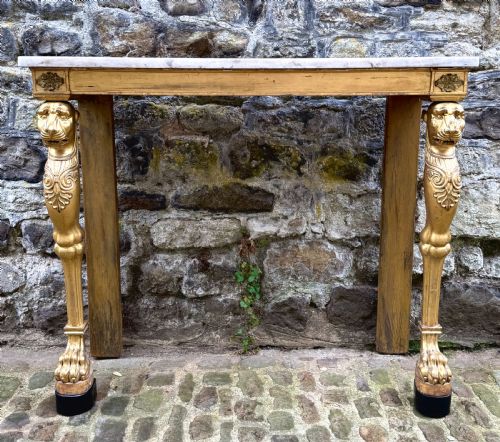
Giltwood and ebonised wood appear alongside marble tops, introducing contrasting textures and classical colour palettes to console and serving tables. Brass mounts and subtle carved details provide decorative punctuation without overwhelming the core timber structure.
The listings on this page span five distinct centuries of design, including George III, Regency, Victorian, and later revival periods.
Distinctions in quality
Quality rests primarily on the selection of timber and the ambition of the joinery, where figured veneers and meticulous crossbanding distinguish finer examples from standard production. The crispness of carved details and the integration of secondary elements like marble tops further separate workshop tiers.
Proportion and structural integrity dictate the standing of a piece, with balanced proportions and restrained ornamentation marking superior design. Maker attribution and the preservation of original surfaces also elevate the status of an item within its period.
James Mein Kelso·Epstein and Co
The Classic Hall Table Glossary
- Crossbanding
- A border strip of veneer laid around the perimeter of a table top with the grain running perpendicular to the centre. This technique frames the primary wood and demonstrates skilled cabinet-making.
- Demi-lune
- A half-moon shape characteristic of many period console tables designed to sit flush against a wall. It allows furniture to occupy a minimal footprint while offering a usable surface.
- Giltwood
- Timber that has been coated with a thin layer of gold leaf or gilt pigment. This finish was favoured for formal console tables intended to catch the light in grand reception rooms.
- Console table
- A table supported by wall brackets or front legs, designed specifically to stand against a vertical surface. They often feature elaborate underframes and decorative aprons.
- Sofa table
- A rectangular occasional table with drop leaves at either end, originally designed to sit in front of a sofa. They typically feature trestle ends and twin drawers.
Classic Hall Table: Frequently Asked Questions
Where should I place a classic hall table?
These tables are designed primarily for entrance halls, corridors, and reception rooms where a shallow footprint is required. Their finished backs and decorative fronts allow them to sit flush against interior walls.
Positioning one near an entryway provides a convenient surface for lighting and everyday items while establishing an immediate visual focal point.
How do I identify a Regency period table?
Regency pieces often display classical revival motifs, such as giltwood accents, bold mahogany grains, and architectural lines inspired by ancient Rome and Greece. Look for restrained ornamentation and balanced proportions.
Many examples from this era also incorporate brass inlay or ebonised details that contrast sharply with the primary timber.
What is the difference between a console and a side table?
Console tables are historically designed to rely partly on the wall for support, though many freestanding antique versions retain the name due to their slender proportions. They frequently feature decorative legs and carved aprons.
Side tables are fully freestanding structures with four independent legs, generally offering a more utilitarian build suited to various rooms in the house.
How do I care for mahogany and walnut surfaces?
Maintain polished wood surfaces by dusting regularly with a soft, dry cloth and avoiding direct sunlight that can fade antique timber over time. Occasional application of appropriate wax preserves the sheen.
Keep tables away from direct heat sources and moisture to prevent veneer lifting and timber movement.