
Antique Mirror Wardrobe
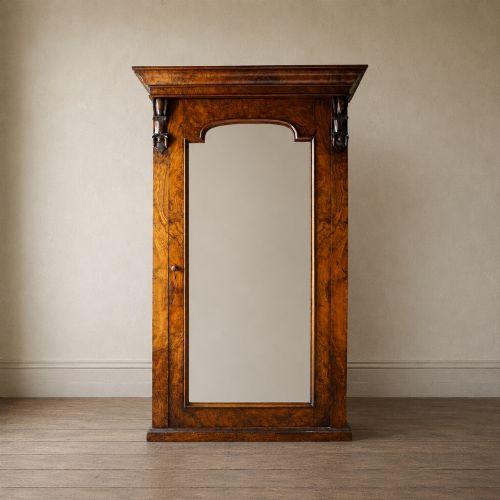
An antique mirror wardrobe offers substantial hanging space alongside long mirrored doors that reflect light across a bedroom.
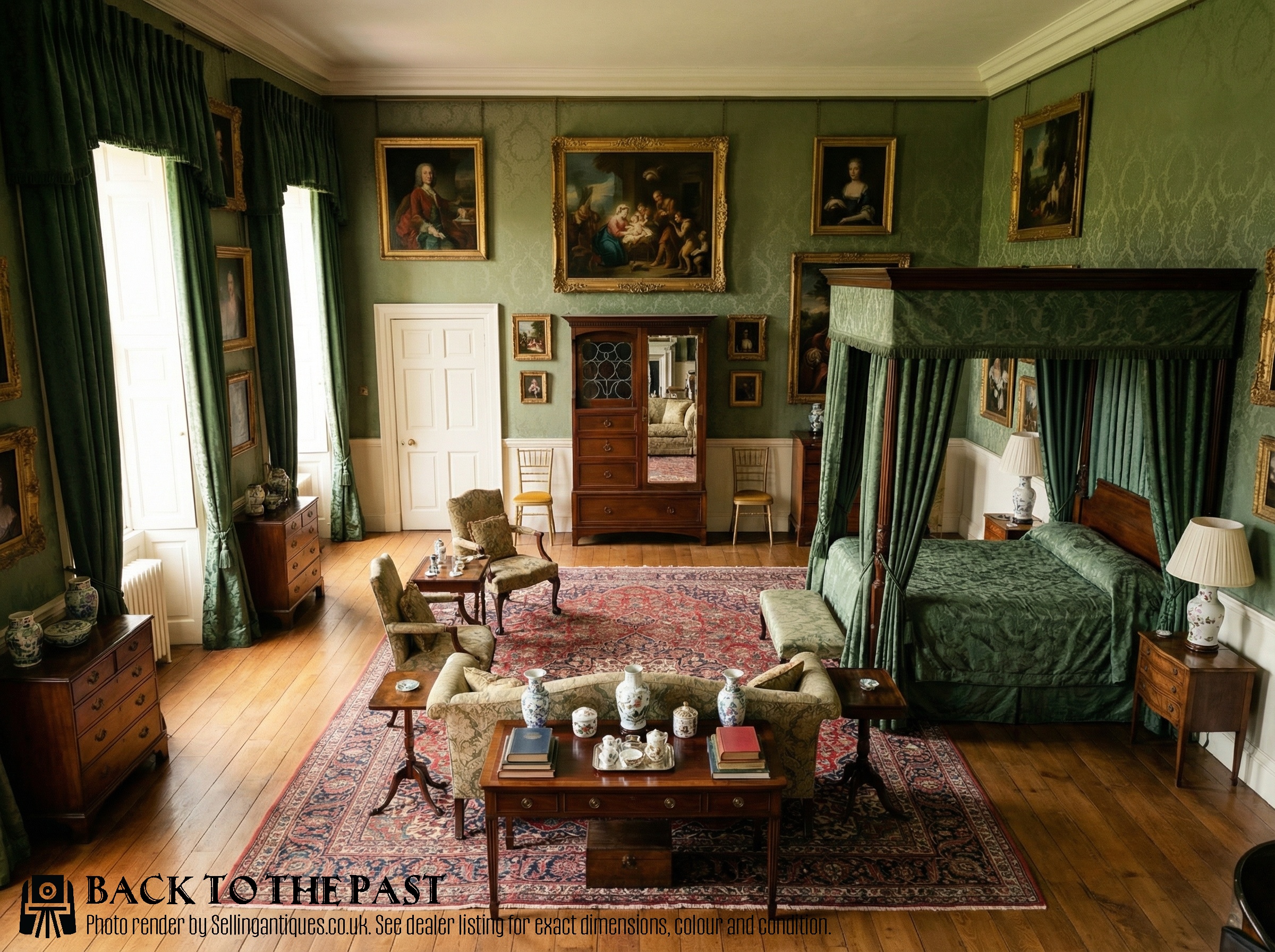
Antique Mirror Wardrobe
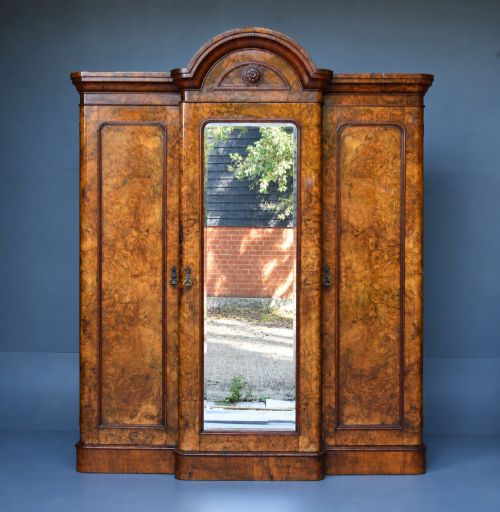
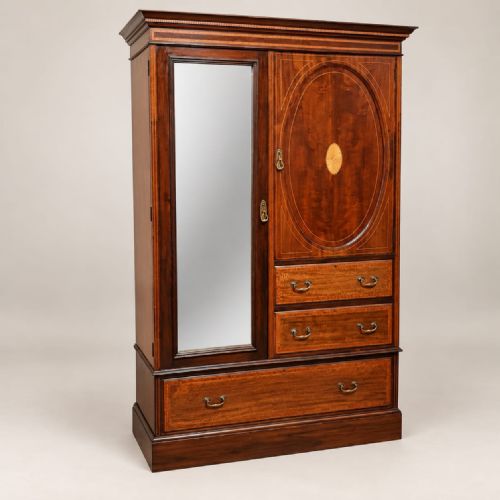
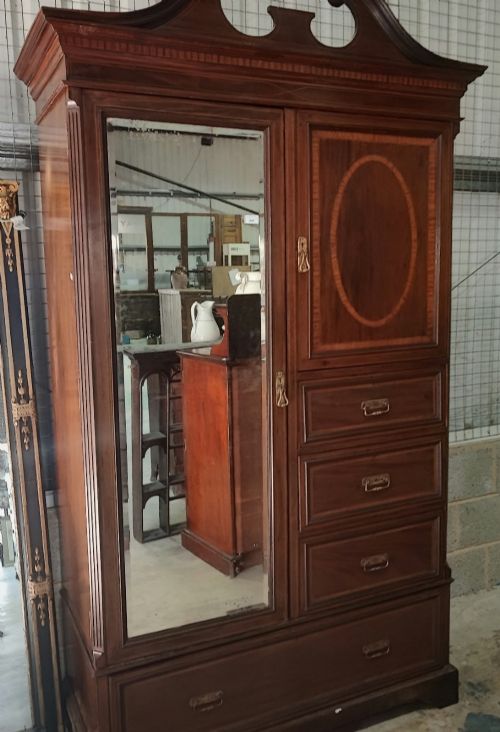
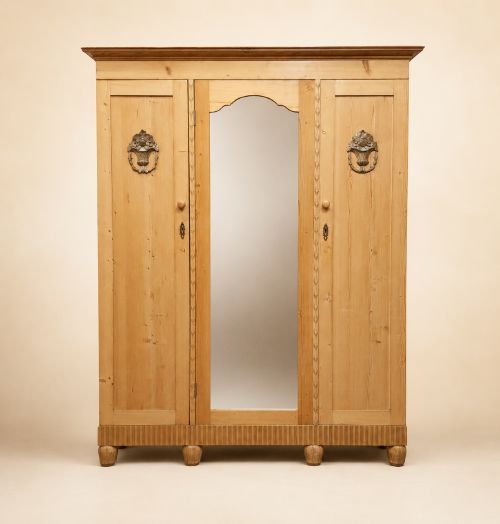
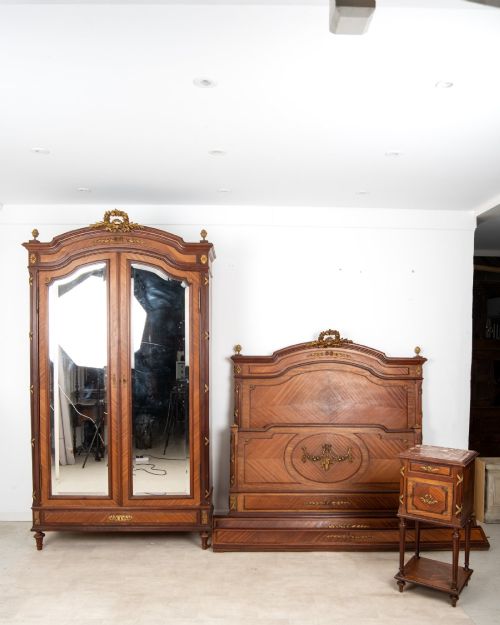
An antique mirror wardrobe provides substantial bedroom storage, combining fitted hanging compartments with full-length glass door panels.
Buyers browsing this selection frequently encounter Victorian and Edwardian examples, alongside pieces dating through the nineteenth and early twentieth centuries.
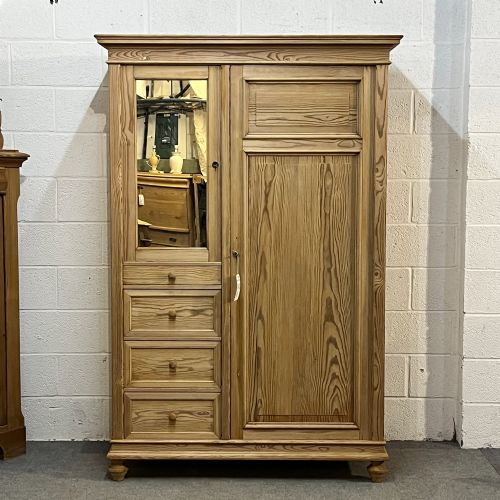
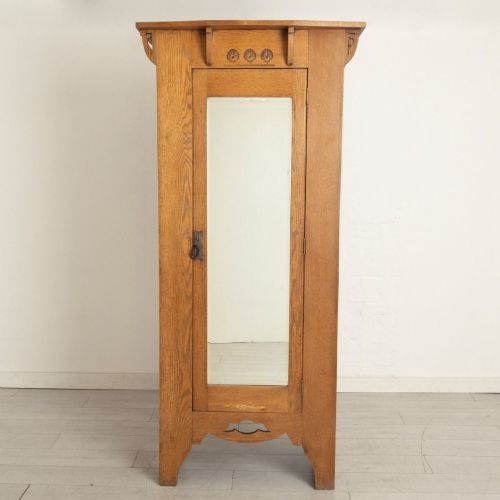
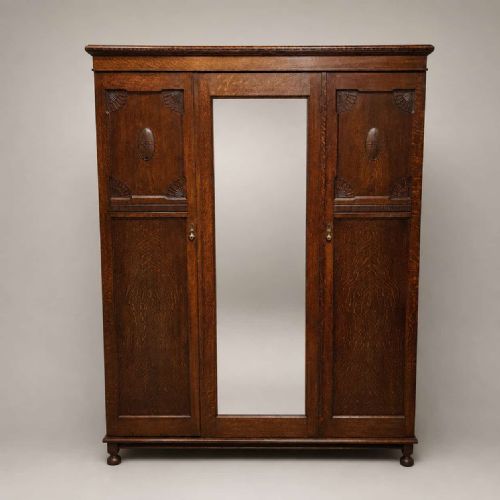
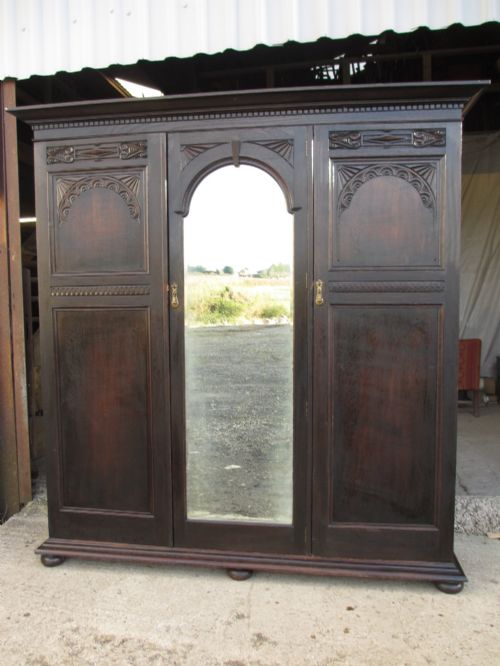
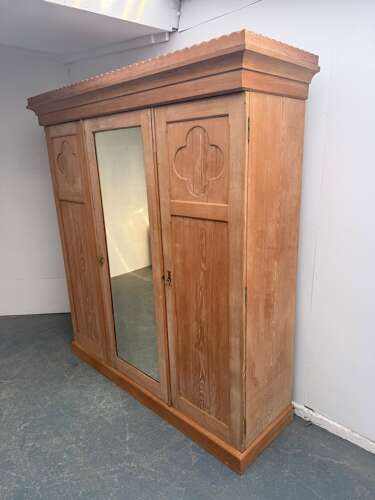
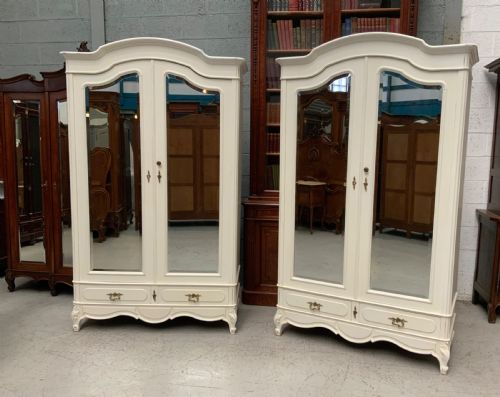
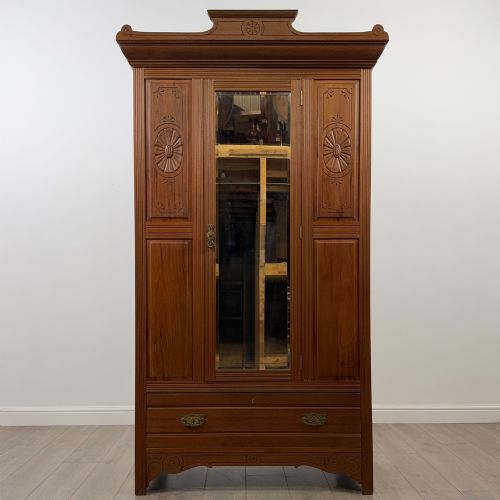
Common formats range from single-door units and compactums to expansive triple-door configurations executed in mahogany, walnut, oak, and pine.
Craftsmanship and Proportion
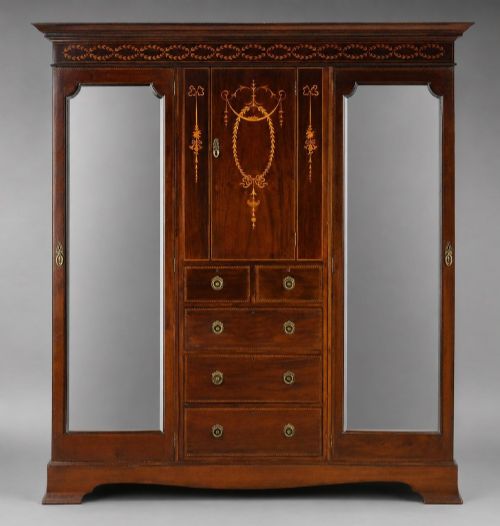
The distinction between standard workshop production and superior cabinet work rests on the selection of figured timber veneers, the depth of hand-carved ornamentation, and the integration of internal drawers.
Fine examples maintain balanced proportions across large triple-door frames, utilising precise dovetail joinery in the internal compartments and securing heavy panelled doors without structural warping.
The listings on this page span from the Victorian era through the Edwardian period into the 1930s, featuring solid and veneered woods including oak, mahogany, walnut, and pine.
Edwards and Roberts·Holland and Sons·Waring and Gillows·Shapland and Petter·Maple and Co·Ray and Miles
The Antique Mirror Wardrobe Glossary
- Compactum
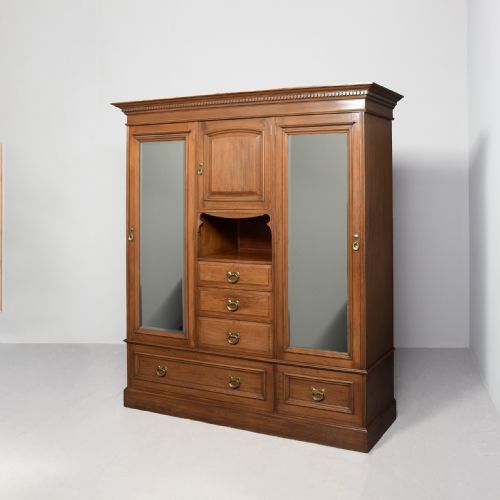
- A multi-functional wardrobe combining hanging space, shelving, and internal drawers within a single architectural unit. This clever internal arrangement maximises storage efficiency in period bedrooms.
- Bevelled glass
- A mirror plate with an angled, polished edge created by grinding the perimeter. This traditional decorative treatment catches the light and adds depth to the glass surface.
- Combination wardrobe
- A storage piece uniting hanging sections with external drawers or a central mirrored door compartment. These units offer varied organizational options within one footprint.
- Dovetail
- A traditional wood joint formed by interlocking wedge-shaped fingers secured with glue. This strong connection withstands the daily stress placed on internal wardrobe drawers.
Antique Mirror Wardrobe: Frequently Asked Questions
Do antique mirror wardrobes dismantle for transport?
Many large nineteenth and early twentieth-century examples were designed to break down into modular sections, including cornices, base plinths, and side panels, to ease movement through narrow doorways.
Buyers should verify whether a specific piece uses knockdown bolts or fixed pegged construction before arranging delivery.
How do I distinguish a Victorian wardrobe from an Edwardian one?
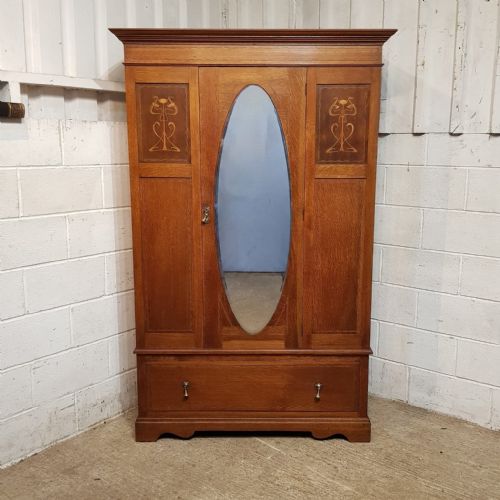
Victorian pieces generally display heavier timbers, richer dark finishes like burr walnut or mahogany, and substantial carved mouldings. Edwardian versions tend to feature lighter woods, satinwood inlay, and airier proportions influenced by Arts and Crafts or Sheraton revival tastes.
Both periods frequently incorporate large bevelled mirror doors into their primary designs.
What is the difference between a wardrobe and a compactum?
A standard wardrobe focuses primarily on vertical hanging space enclosed by one to three full-length doors. A compactum integrates dedicated banks of internal drawers and linen shelves alongside the hanging sections.
This hybrid layout provides comprehensive bedroom storage within a single carcass.
Can I replace the mirror glass if it is damaged?
Original mirror glass often shows characteristic foxing or light ageing spots, which many collectors prefer to retain as proof of age. Replacement glass can be fitted by a specialist glazier if the original plate is cracked, though finding period-appropriate silvering requires careful sourcing.
The structural integrity of the heavy door frame must remain undisturbed during any glass replacement work.