
Vintage Bedroom Wardrobe
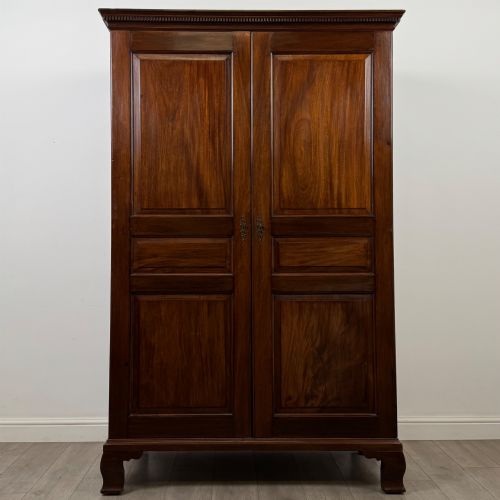
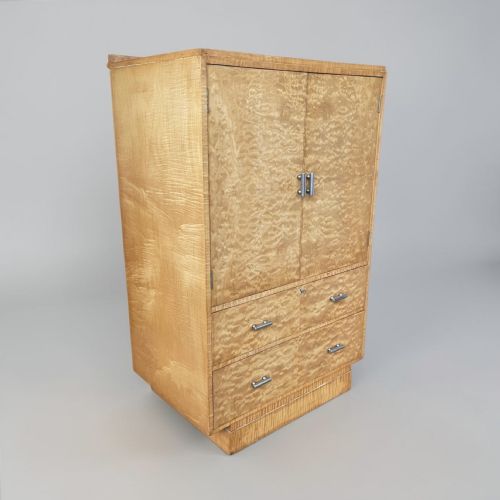
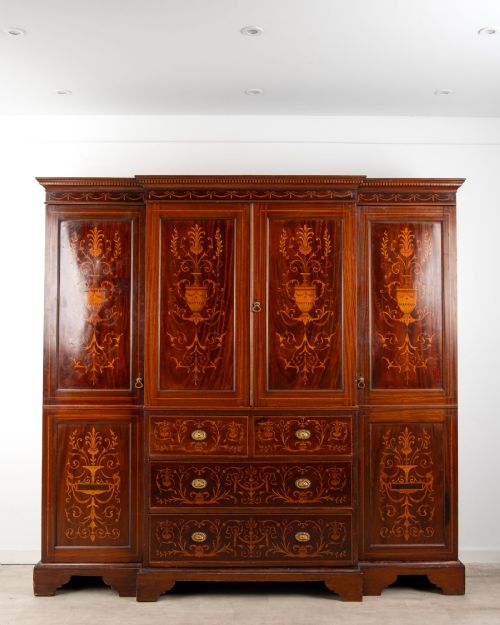
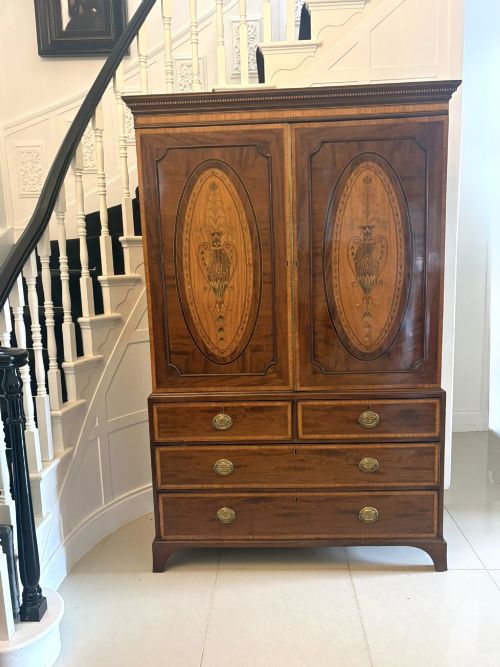
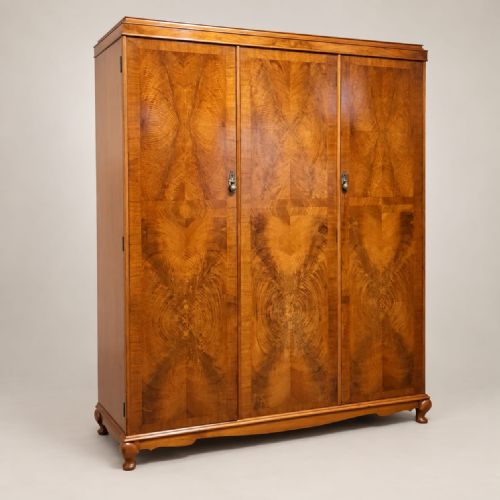
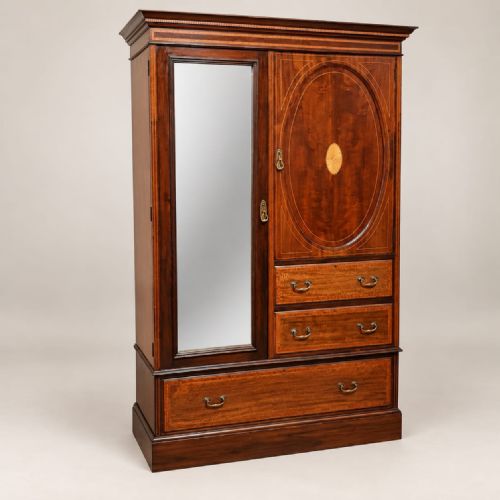
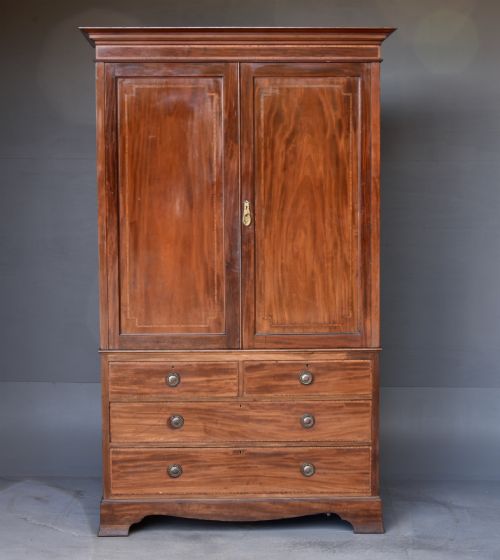
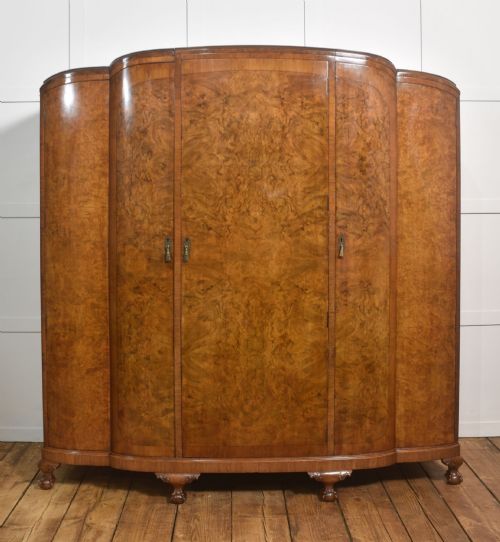
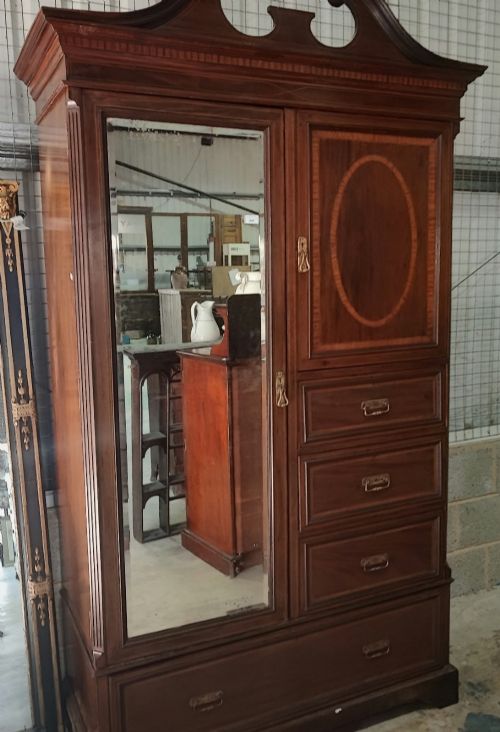
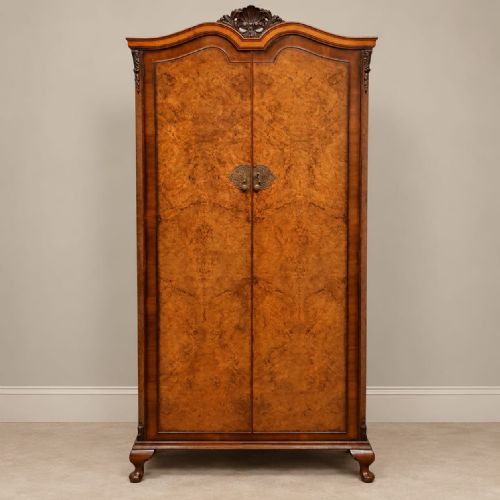
A vintage bedroom wardrobe offers substantial clothes storage, and you will most frequently meet Edwardian mahogany pieces and burr walnut Art Deco designs on this page.
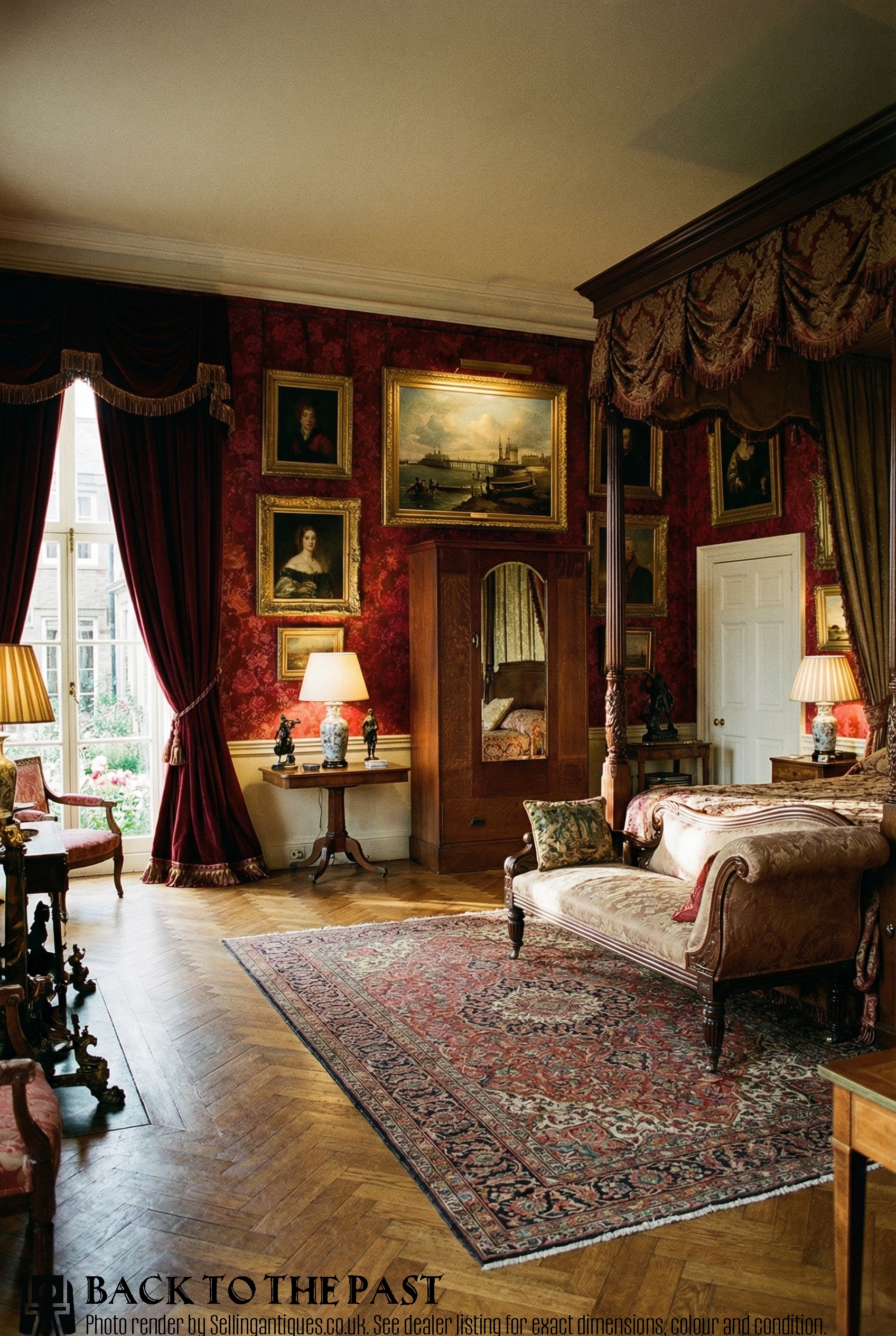
Vintage Bedroom Wardrobe
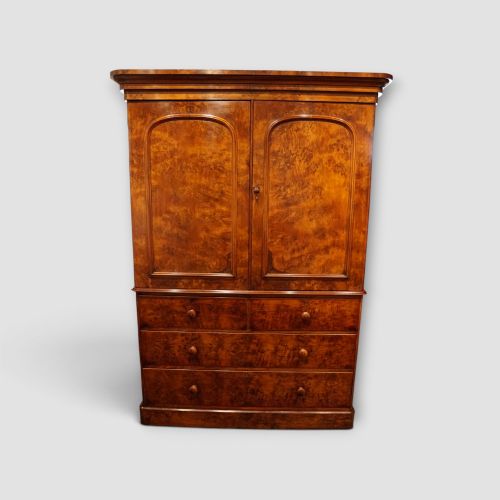
When you search for a vintage bedroom wardrobe, you encounter large storage furniture spanning the nineteenth and twentieth centuries. The selection includes compactums, linen presses, tallboys, and armoires alongside traditional hanging cupboards.
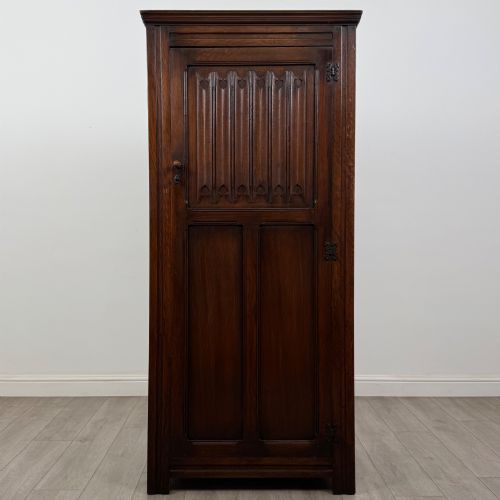
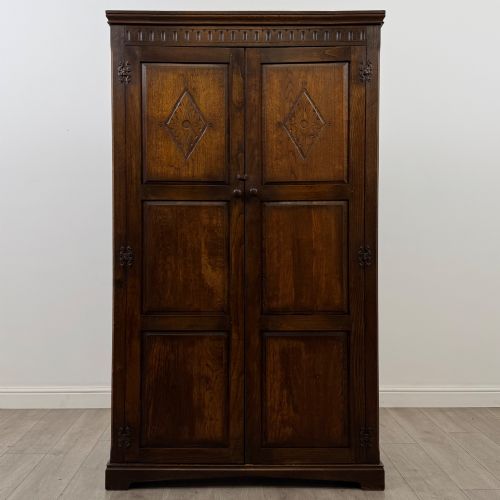
The pieces on this page originate from periods such as the Victorian era, the Edwardian years, and the Art Deco decades. Oak, mahogany, and burr walnut dominate the forms, reflecting the stylistic preferences of each era.
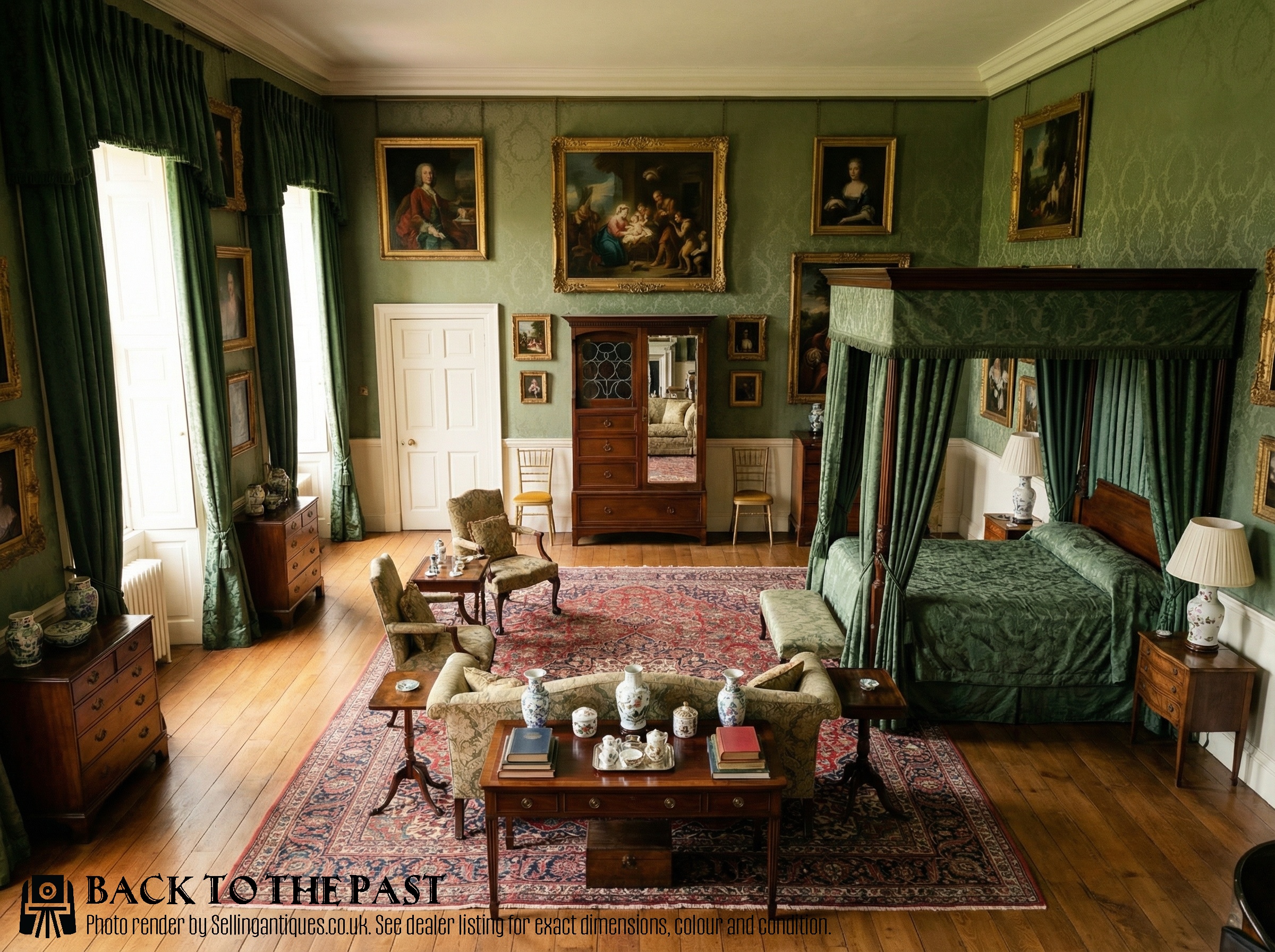
How they were made
Cabinet makers utilised timbers like oak, mahogany, walnut, and ash, often applying intricate satinwood inlay or figurative veneer work to the surfaces. Brass handles, glass mirror doors, and internal drawer configurations complete the construction.
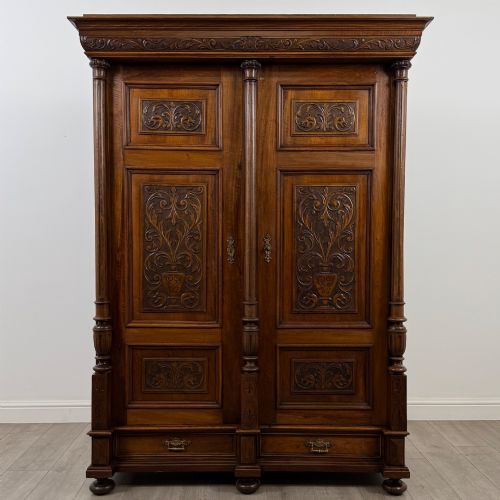
Some pieces incorporate specialised finishes, including scumble faux paintwork or traditional wax applications, while others rely on carved decorative details and blind fretwork cornices.
Vintage Bedroom Wardrobe Retail Price Guide 2026
Typical asking prices for vintage bedroom wardrobe among the pieces listed under this phrase on Sellingantiques today, from the lower quarter to the upper quarter. They describe what is for sale here now, not the wider market.
Listings feature woods including mahogany, oak, walnut, burr walnut, ash, and satinwood across Victorian, Edwardian, and Art Deco periods.
What varies in quality
Quality rests upon the selection of timbers and the precision of the cabinet work, particularly in the figuring of burr walnut veneers and the crispness of inlaid satinwood stringing. Finer pieces demonstrate superior joinery in their panel doors and internal drawer assemblies.
maples & co·Edwards and Roberts
The Vintage Bedroom Wardrobe Glossary
- Compactum
- A multi-compartment wardrobe that combines hanging space with internal drawers and smaller cupboards. This form maximises storage efficiency within a single footprint.
- Linen Press
- A tall cabinet featuring upper sliding trays or shelves for folded textiles, positioned above a chest of lower drawers. These items date back through the nineteenth century and earlier.
- Tallboy
- A high storage cabinet that stacks drawers or smaller cupboards vertically to preserve floor space in smaller bedrooms. They appear in oak, mahogany, and walnut.
- Inlay
- A decorative technique where contrasting woods like satinwood are set into recesses flush with the primary timber surface. This method creates geometric or floral borders.
- Armoire
- A large freestanding cupboard of continental origin, often featuring mirrored doors and substantial proportions. These items frequently match other pieces in a bedroom suite.
Vintage Bedroom Wardrobe: Frequently Asked Questions
How do I fit a large wardrobe in a modern room?
Many nineteenth and twentieth-century designs utilise a knockdown construction where the cornice, base, and sides separate into manageable panels. This engineering allows for straightforward transport and assembly in rooms with restricted access.
Measuring ceiling height and doorway clearance before purchase ensures the cabinet body fits the intended space without obstruction.
What is the difference between a wardrobe and a compactum?
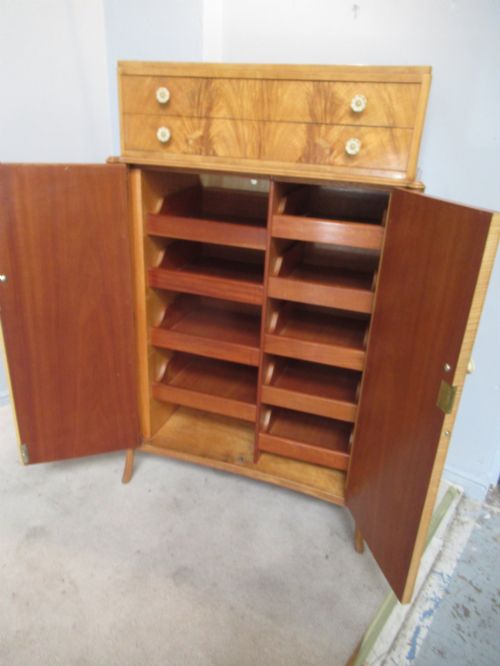
A standard wardrobe focuses primarily on vertical hanging space behind full-length doors, sometimes supplemented by a single base drawer. A compactum integrates multiple internal configurations, including linen slides, jewellery drawers, and partitioned shelves alongside the hanging section.
This makes the compactum a more versatile storage unit for folded garments and accessories.
How do I maintain wood finishes on vintage furniture?
Polishing the timber surfaces with traditional beeswax helps nourish the grain and protects the polished finish from drying out over time. Avoiding direct sunlight and maintaining stable room humidity prevents the wood and veneer from warping or cracking.
Glass mirrors and brass hardware require gentle cleaning with appropriate non-abrasive solutions.
How do I identify an Edwardian wardrobe?
Edwardian examples typically date from around nineteen hundred to nineteen ten, frequently constructed from lighter mahogany or dark oak. They often feature delicate satinwood inlay, mirrored doors, and brass drop handles reflecting neoclassical or Arts and Crafts influences.
The proportions tend to be lighter and more restrained than heavy Victorian counterparts.