


Folding Campaign Table
A folding campaign table brings practical ingenuity into modern interiors, offering portable surface space rooted in military history and travel.
Folding Campaign Table
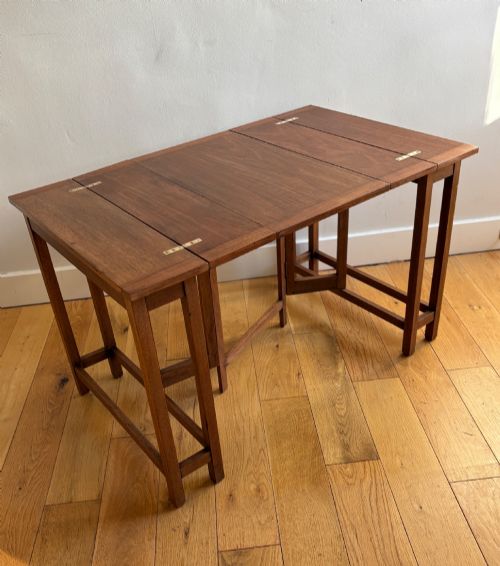
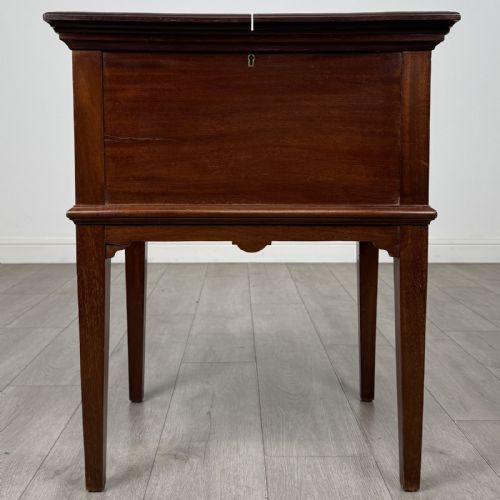
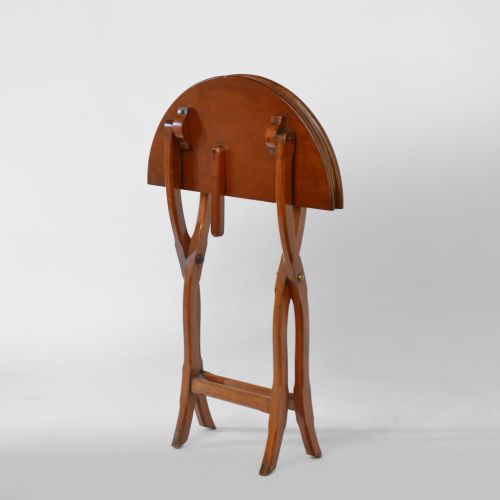
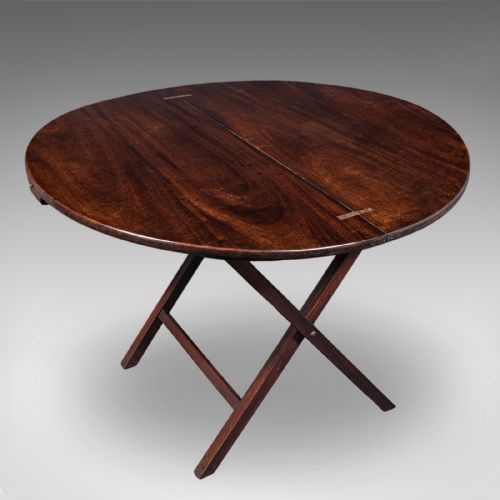
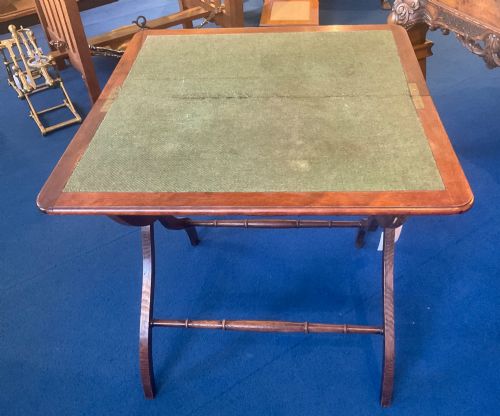
A folding campaign table represents an adaptable piece of furniture originally built for travel by officers on military service or long voyages. These items appear in various forms, from serving trays on separate folding stands to robust coaching tables and multifunctional writing desks.
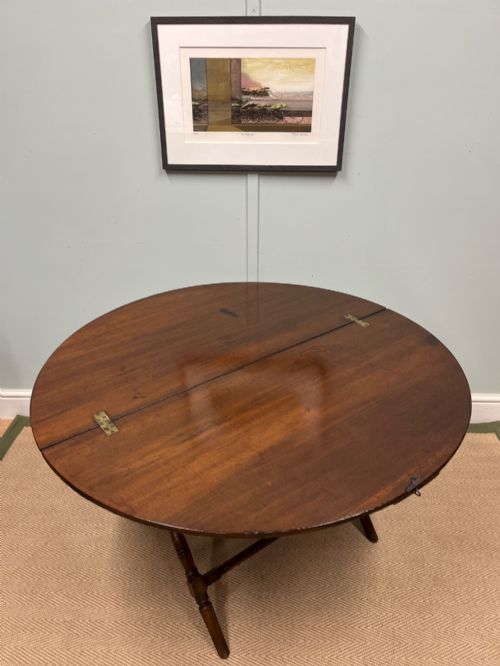
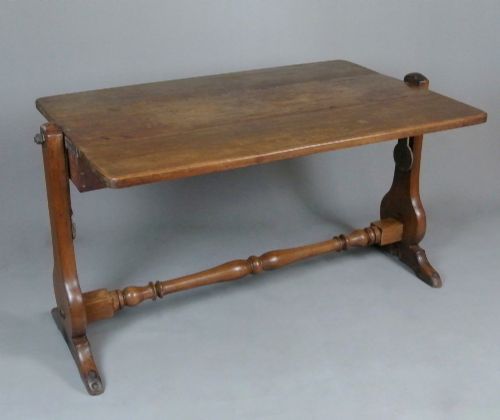
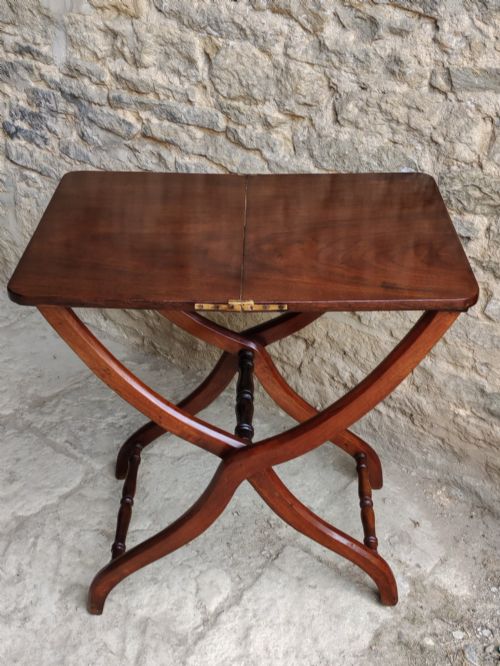
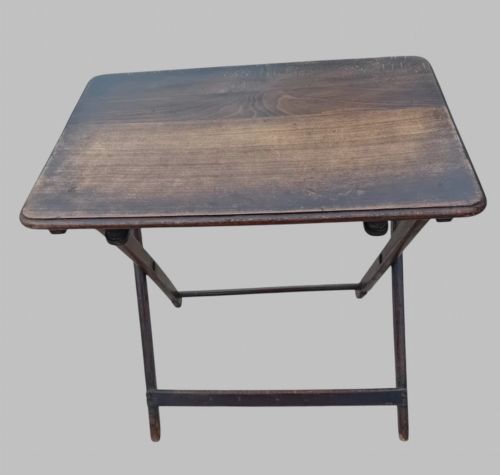
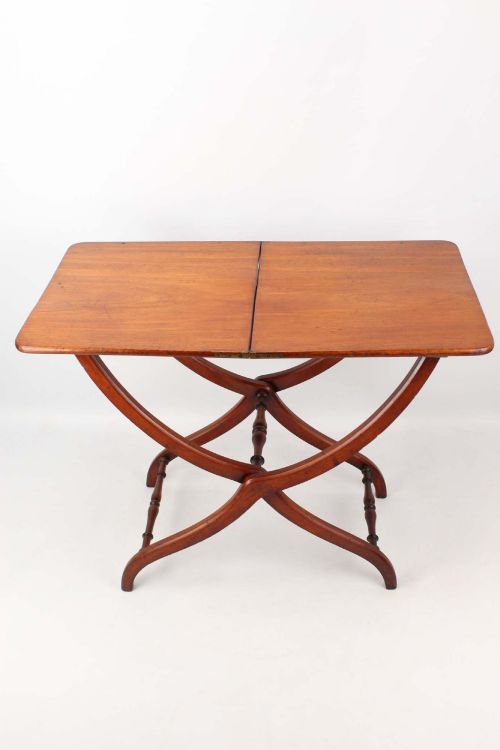
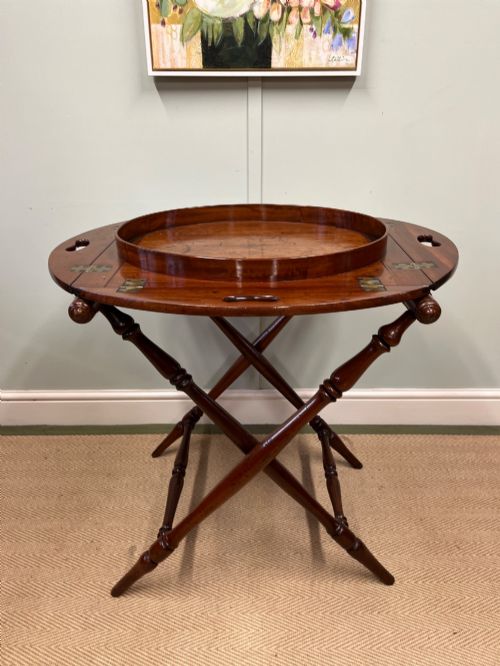
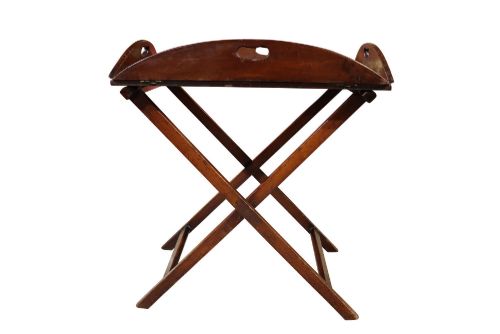
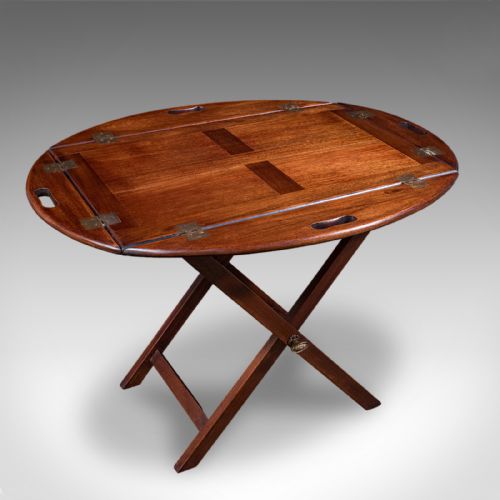
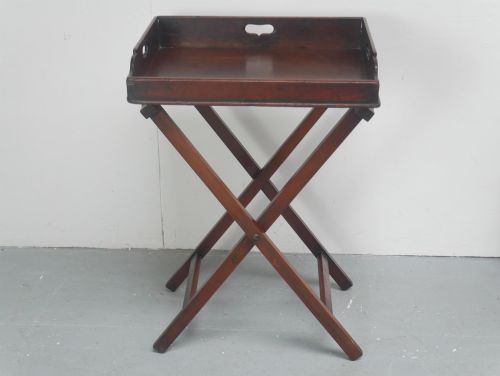
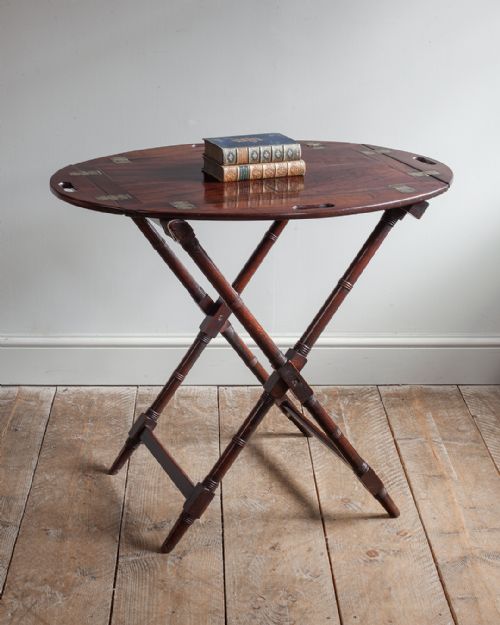
The versions most frequently met on this page include mahogany butler trays resting on X-frame stands, alongside Edwardian and Victorian folding coaching tables. Trays often lift straight off their supports, converting a side table instantly into a serving tray.
Origins span Georgian, Victorian, and Edwardian periods, reflecting centuries of utilitarian design that prioritized portability without sacrificing stability or polished appearance.
Materials and construction
Cabinetmakers utilised dense, durable hardwoods such as mahogany, oak, teak, and rosewood to withstand frequent packing and transport across rugged terrain. Brass hinges, pins, and corner brackets reinforced joints while allowing frames to fold flat smoothly.
Joinery techniques relied on clever hinges, sliding pins, and collapsible scissor actions that permitted quick assembly and dismantling. Stands were constructed with tight tolerances so that the folding mechanism remained rigid when locked open.
Folding Campaign Table Retail Price Guide 2026
Typical asking prices for folding campaign table among the pieces listed under this phrase on Sellingantiques today, from the lower quarter to the upper quarter. They describe what is for sale here now, not the wider market.
Judging quality
Quality rests upon the precision of the folding mechanism and the weight of the timber used for the top and base. Superior examples exhibit tight, original brass fittings and hinges that operate without lateral wobble when fully extended.
The choice of timber grain and the crispness of turned legs separate standard utility items from finer domestic adaptations made for country houses or senior officers.
Gillows
The Folding Campaign Table Glossary
- Butlers tray
- A removable wooden tray with hinged or shaped sides designed for carrying food and drink. It typically rests on a separate folding X-frame stand.
- Coaching table
- A sturdy, slatted or solid folding table historically stored on carriages for roadside dining or luggage support.
- X-frame
- A scissor-action base formed by intersecting pairs of wooden legs that cross centrally. This design allows the entire support to collapse flat.
- Drop-flap
- A hinged section of a tabletop that drops down to reduce the footprint or lifts up to expand surface area. These are secured by pivoting wooden arms or brackets.
- Campaign style
- Furniture characterised by portability, folding elements, and recessed brass handles to prevent snagging during transport.
Folding Campaign Table: Frequently Asked Questions
What is a campaign table?
A campaign table is portable furniture designed to fold or dismantle for easy transport by military officers or travellers. They were built to pack into crates or strap onto baggage animals during campaigns.
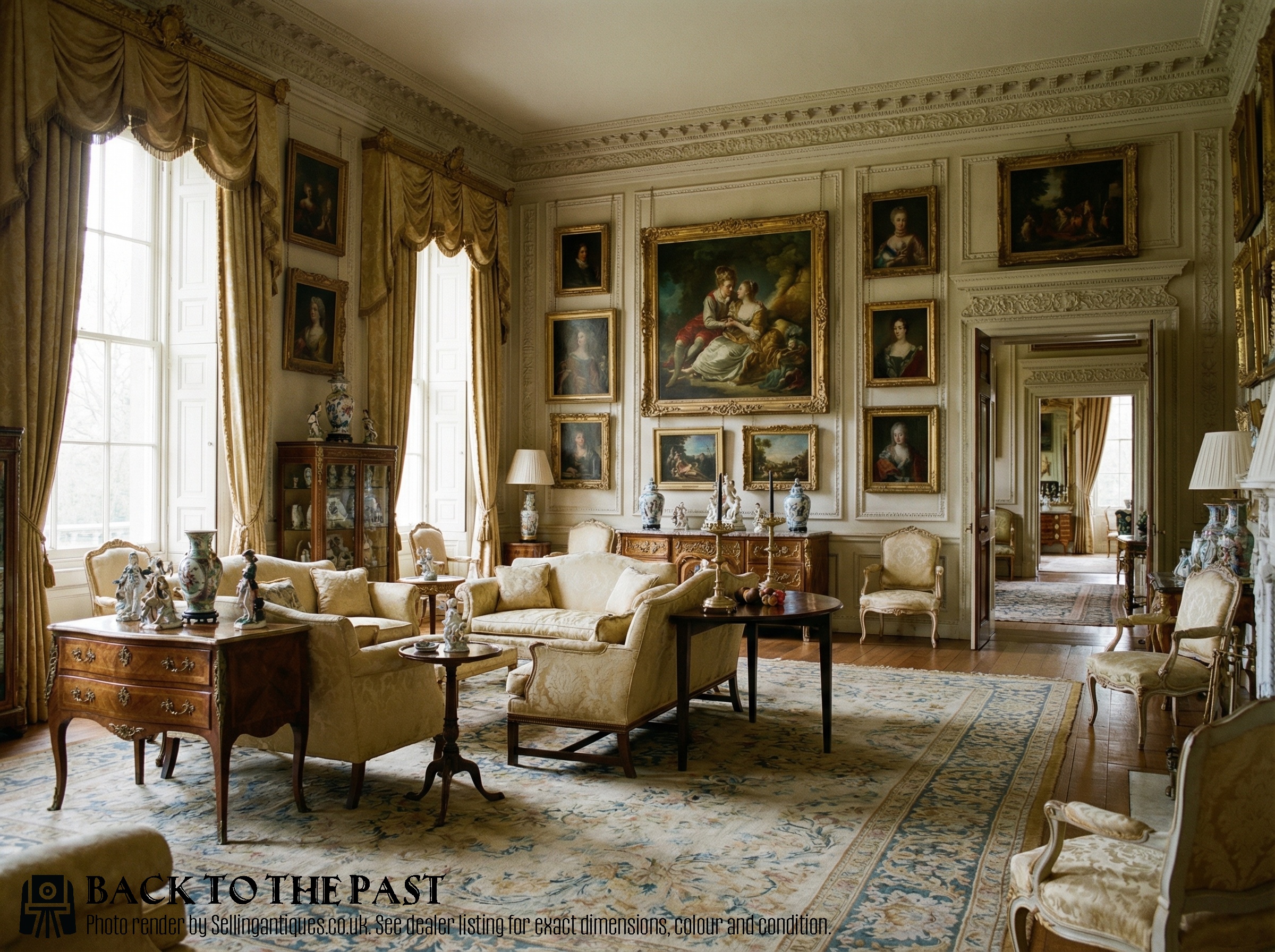
Over time, the style transitioned into domestic homes where households valued space-saving versatility alongside traditional craftsmanship.
How do you fold a butler tray table?
Lifting the tray top straight up removes it from the supporting stand entirely. The wooden X-frame base then collapses inward on its central hinge.
To reassemble, open the scissor legs until they lock firmly into position, then place the tray securely back on top.
Were these tables used only by the military?
While originating for military officers on active service, many were also made for colonial administrators, ship captains, and upper-class households. Civilian versions often served as tea tables or garden furniture.
Their practicality made them popular for entertaining in smaller rooms or temporary lodgings.
How do I date an antique folding table?
Dating relies on timber choice, such as Cuban mahogany or satinwood, alongside the style of turned legs and the manufacture of brass fittings. Georgian and Regency pieces tend to show finer hand-turned details, while Victorian and Edwardian examples often feature simpler mechanical hinges.
Matching the construction methods to known design periods helps narrow down the decade of production.