

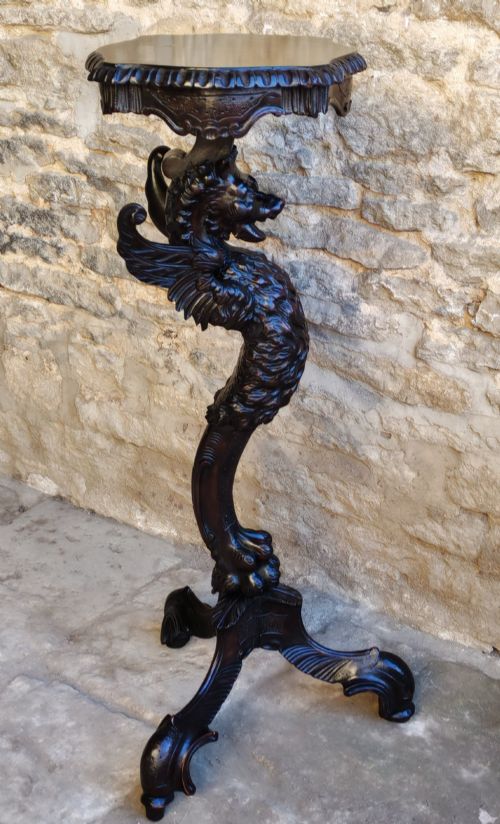
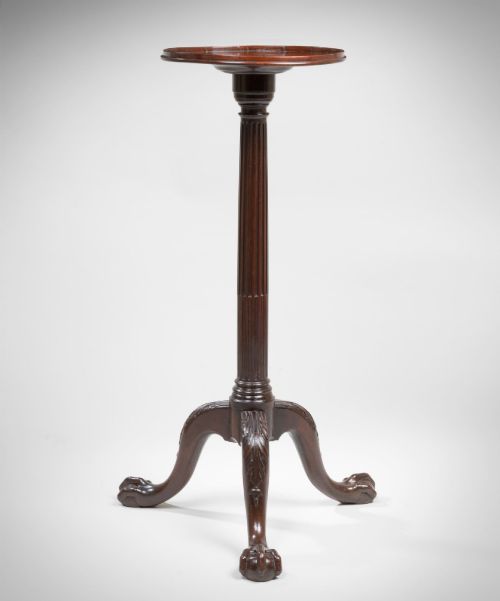
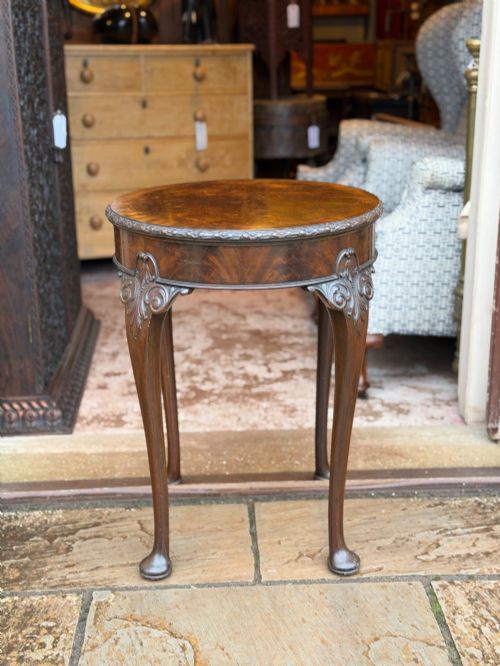

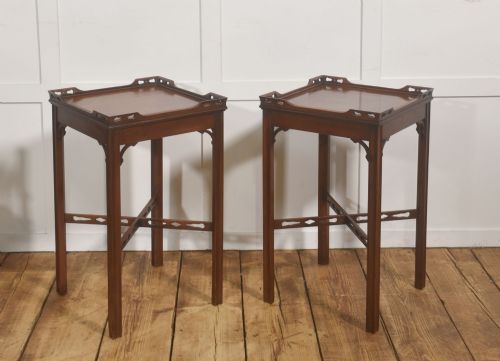



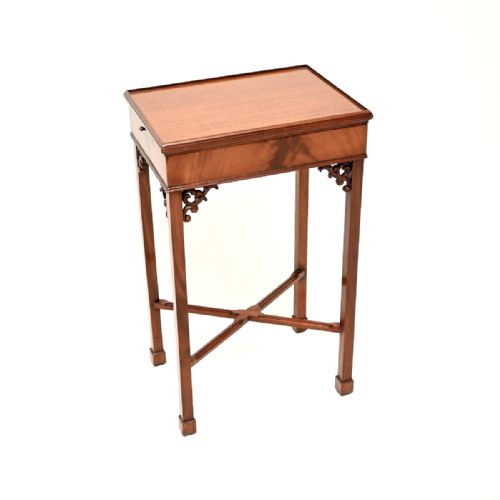
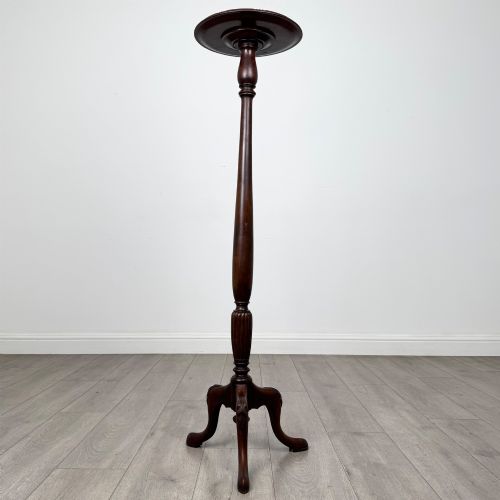

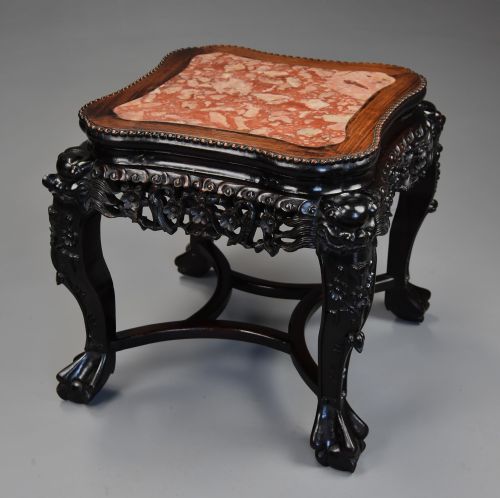
Carved Urn Stand
These carved urn stand pieces bring classical presence and botanical display to a room, offering sturdy elevated surfaces fashioned from rich timber and stone.
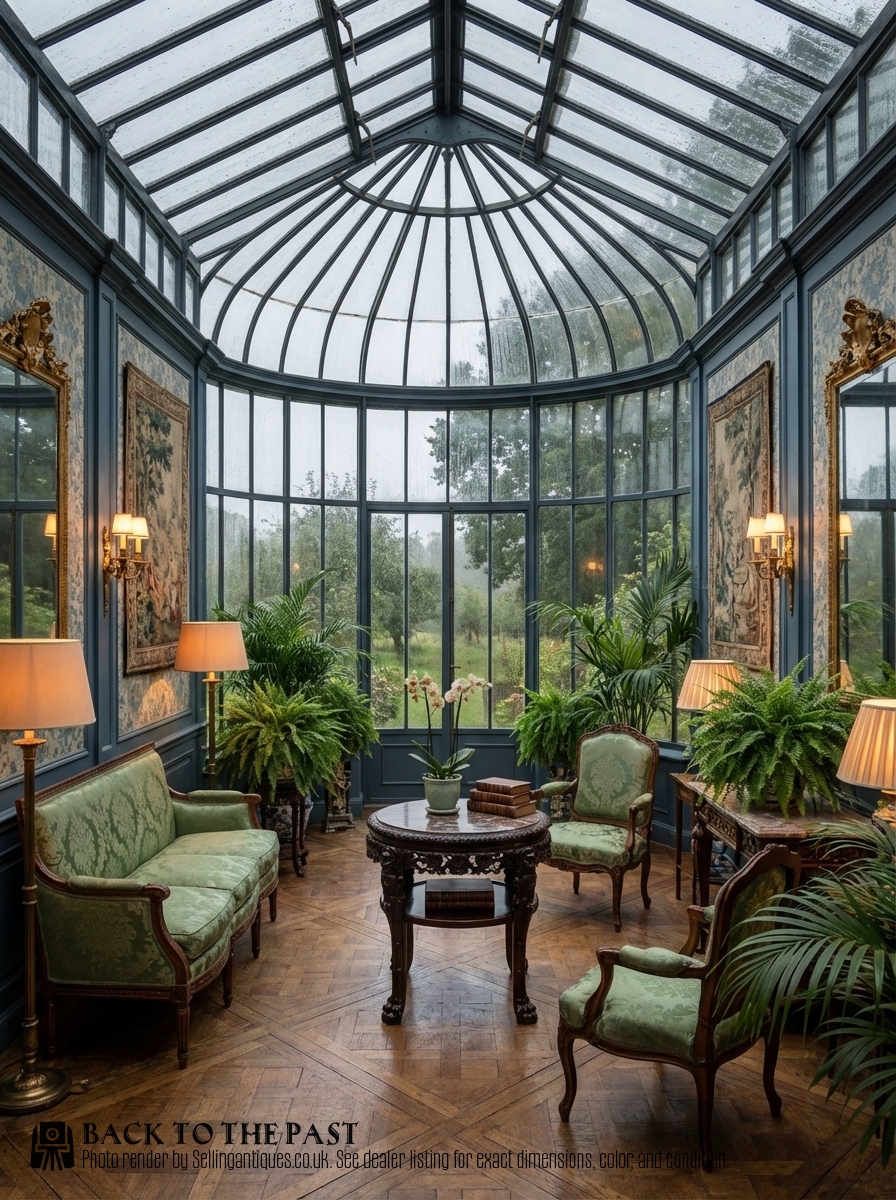
Carved Urn Stand
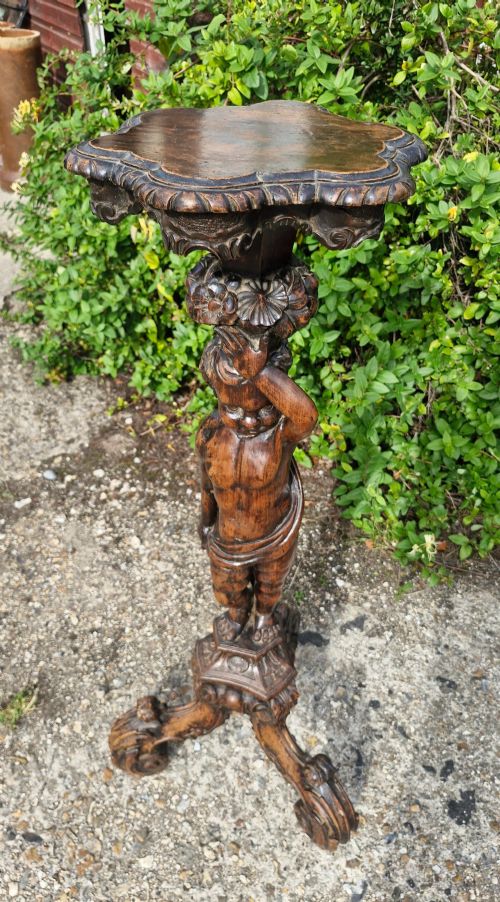
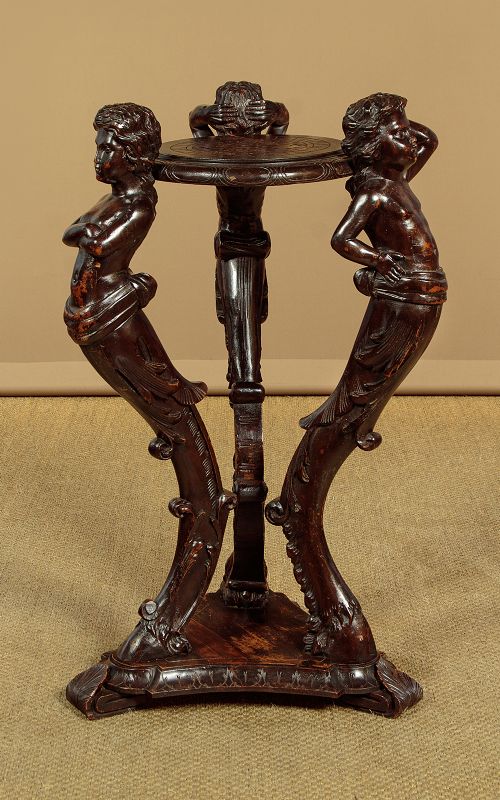
A carved urn stand serves as an elevated support for heavy ornaments, jardinières, and botanical displays within domestic interiors. Buyers browsing this selection encounter robust supports originating from various international traditions, including nineteenth-century Chinese hardwood productions and Italian Renaissance Revival designs.
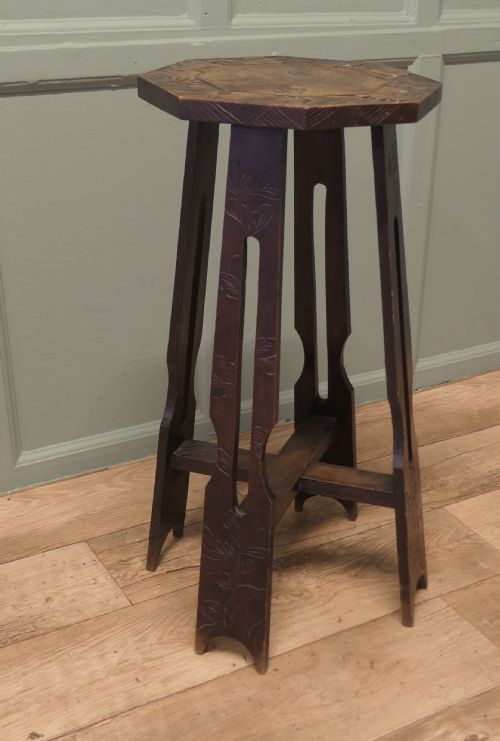
The objects span plant stands, pedestals, plinths, jardiniere stands, and occasional side tables. The nineteenth century dominates the available examples, incorporating periods such as William IV and the Georgian era alongside Chinese Qing Dynasty aesthetics.
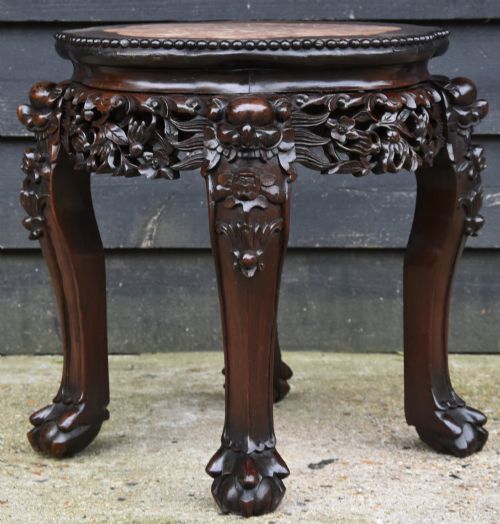
Materials range from dense hardwoods and warm walnut to rosewood, oak, and cool inset marble tops. These variations reflect global trade influences and diverse cabinet-making techniques across British, European, and Oriental workshops.
How they were made
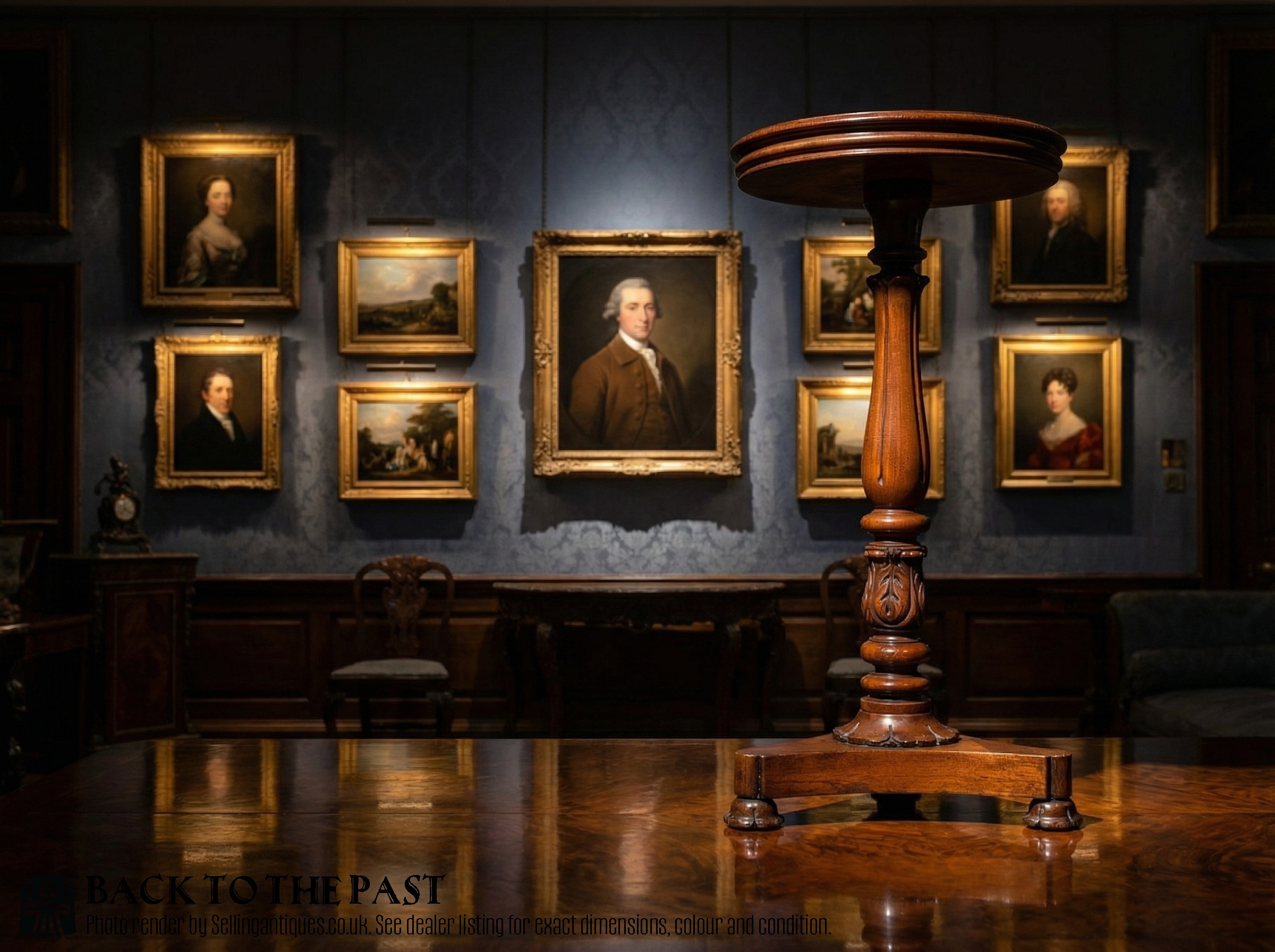
Cabinet-makers constructed these stands using dense timbers such as walnut, rosewood, oak, and unspecified hardwoods. Skilled artisans turned wooden supports on lathes and carved intricate organic motifs directly into the solid material.
Many tables incorporate heavy stone components, setting polished marble slabs flush into recessed timber tops to hold moisture-heavy planters. Joinery methods relied on traditional pegging and framing to ensure stability under heavy loads.
Carved Urn Stand Retail Price Guide 2026
Typical asking prices for carved urn stand among the pieces listed under this phrase on Sellingantiques today, from the lower quarter to the upper quarter. They describe what is for sale here now, not the wider market.
The inventory records examples spanning Italian Renaissance Revival and Chinese Qing Dynasty styles.
What varies in quality
The standard of a carved urn stand rests upon the depth and crispness of its hand-carved ornamentation. Superior examples display undercut foliage and sharply defined figures rather than shallow, mechanical incisions.
Material selection dictates much of the value, with richly figured rosewood and thick, beautifully veined marble inserts elevating a piece. Structural integrity under heavy weight separates master-built stands from utilitarian supports.
The Carved Urn Stand Glossary
- Jardiniere stand
- A decorative table specifically designed to hold a large ceramic or metal flower pot. These stands frequently feature water-resistant marble or tiled surfaces.
- Pedestal
- A tall base supporting a sculpture, urn, or vase. It elevates decorative objects to eye level within a room.
- Hongmu
- A traditional Chinese term denoting dense, dark hardwoods used in fine furniture production. It translates literally to red wood.
- Marble top
- A stone slab set into the upper surface of a table or stand. This provides a cool, durable barrier against moisture and heat.
Carved Urn Stand: Frequently Asked Questions
What is a carved urn stand used for?
These pieces function primarily as elevated supports for heavy decorative items, large flower pots, and classical urns. They elevate foliage and sculptures to improve room proportions and display focal points.
Historically, homeowners placed them in reception rooms and hallways to showcase imported ceramics and exotic plants. Their sturdy construction safely bears significant weight without tipping.
How do I care for marble top stands?
Marble surfaces require gentle cleaning with a damp cloth and mild soap to avoid dulling the stone polish. Avoid placing acidic liquids directly onto the unsealed marble.
Wood bases benefit from occasional waxing with traditional beeswax to nourish the timber grain. Keep the stands away from direct heat sources to prevent wood splitting.
Are these stands sturdy enough for heavy plants?
The heavy hardwoods and robust construction of these stands provide exceptional stability for substantial planters. Their wide bases and dense frames prevent accidental toppling.
When housing very heavy jardinières, marble-topped variants offer superior resistance to water damage and soil stains compared to plain wood.
How do I date a nineteenth-century stand?
Dating relies on examining the timber species, joinery techniques, and stylistic vocabulary of the carving. Nineteenth-century pieces frequently combine European revival forms with Asian export influences.
Tool marks on the underside of the wood and the presence of period-specific hardware offer further clues to the manufacturing decade.