

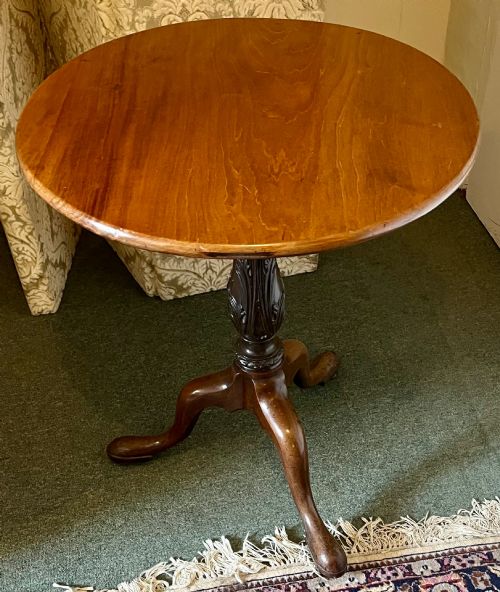
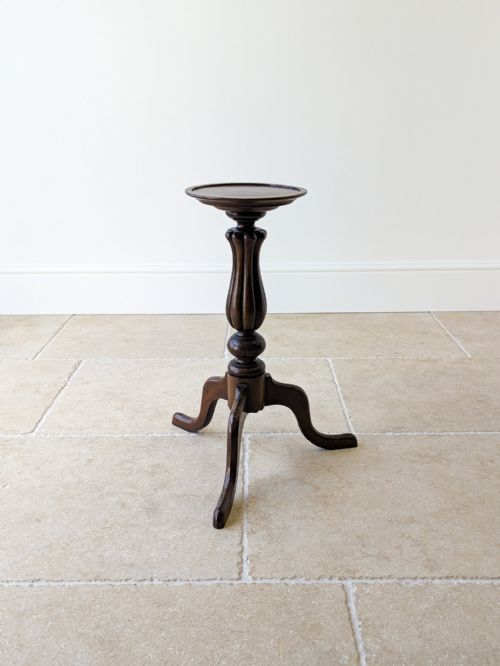
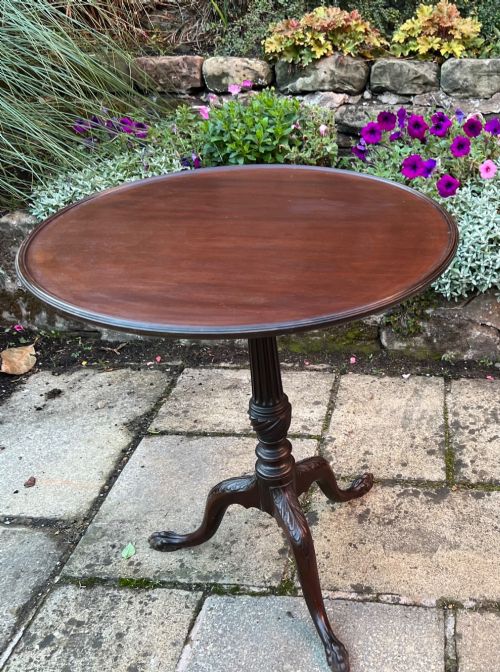
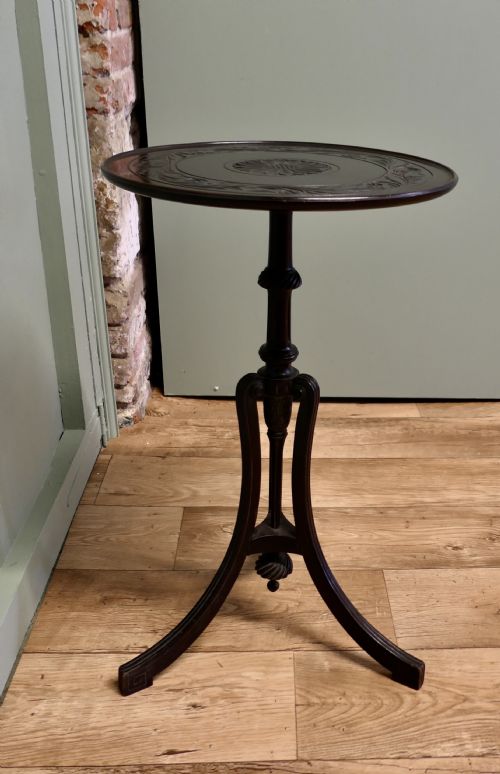
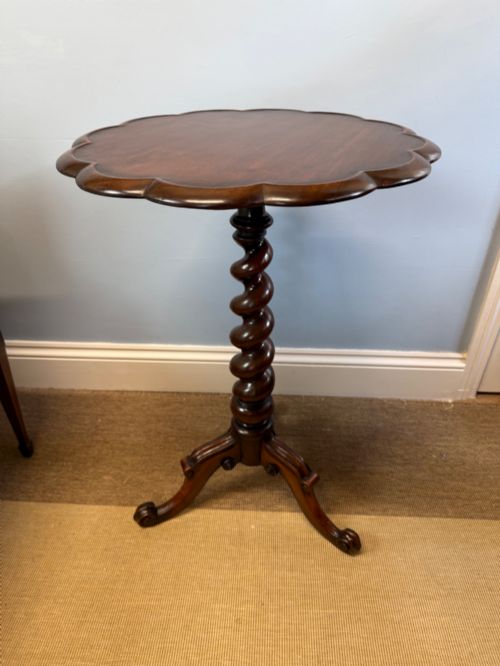
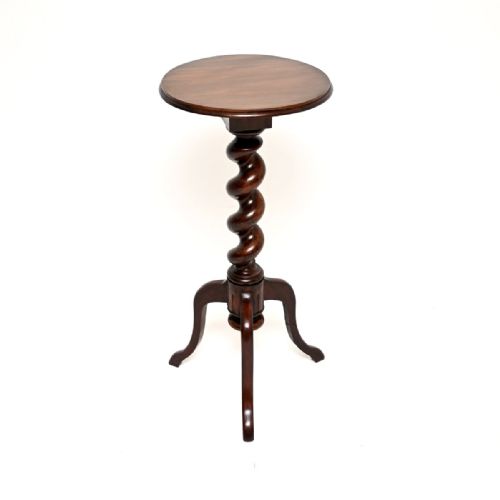
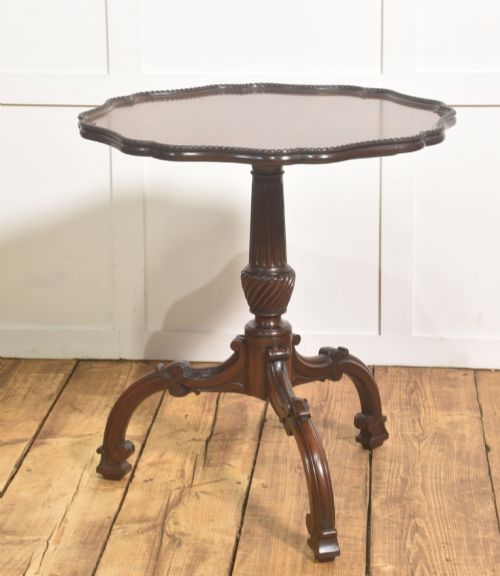
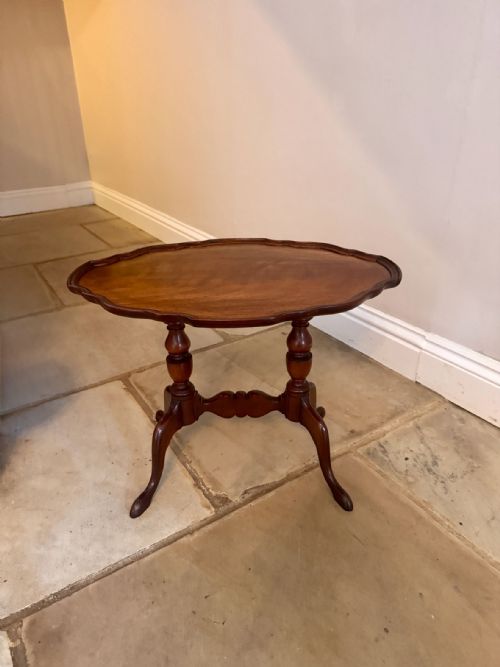
Carved Wooden Wine Table
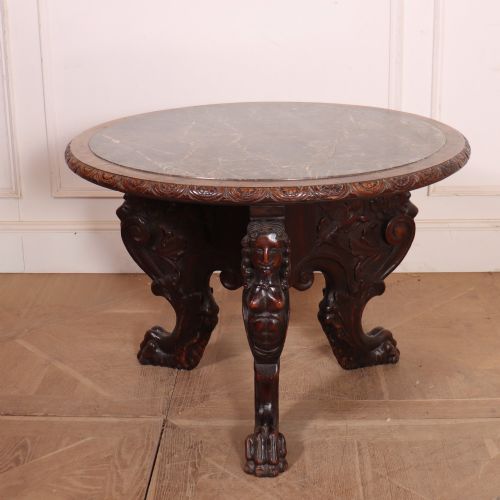
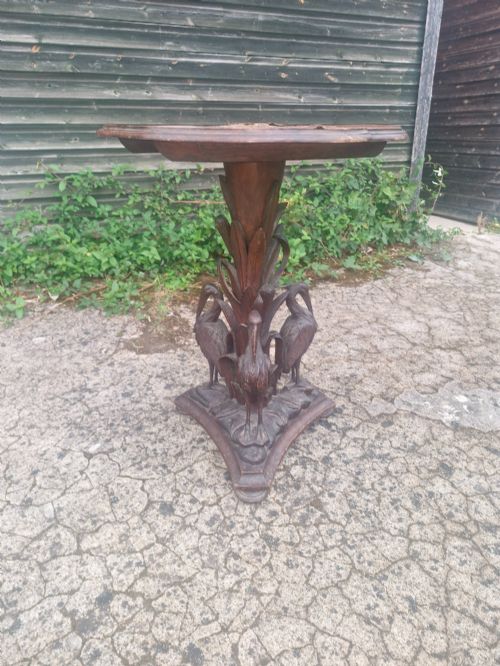
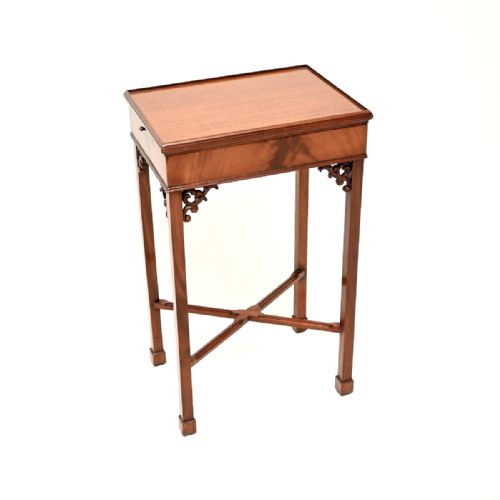
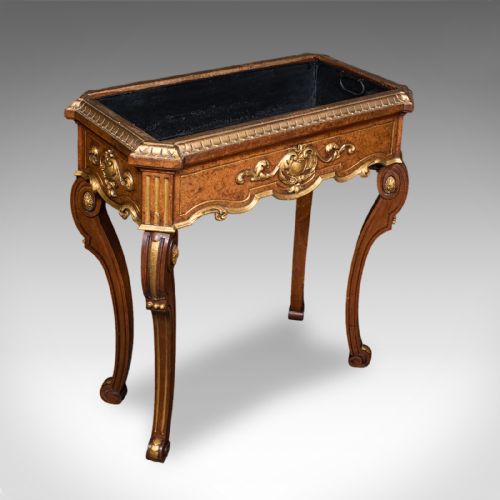
A carved wooden wine table brings compact utility and traditional craftsmanship to a room, offering a stable surface for glasses or lamps.
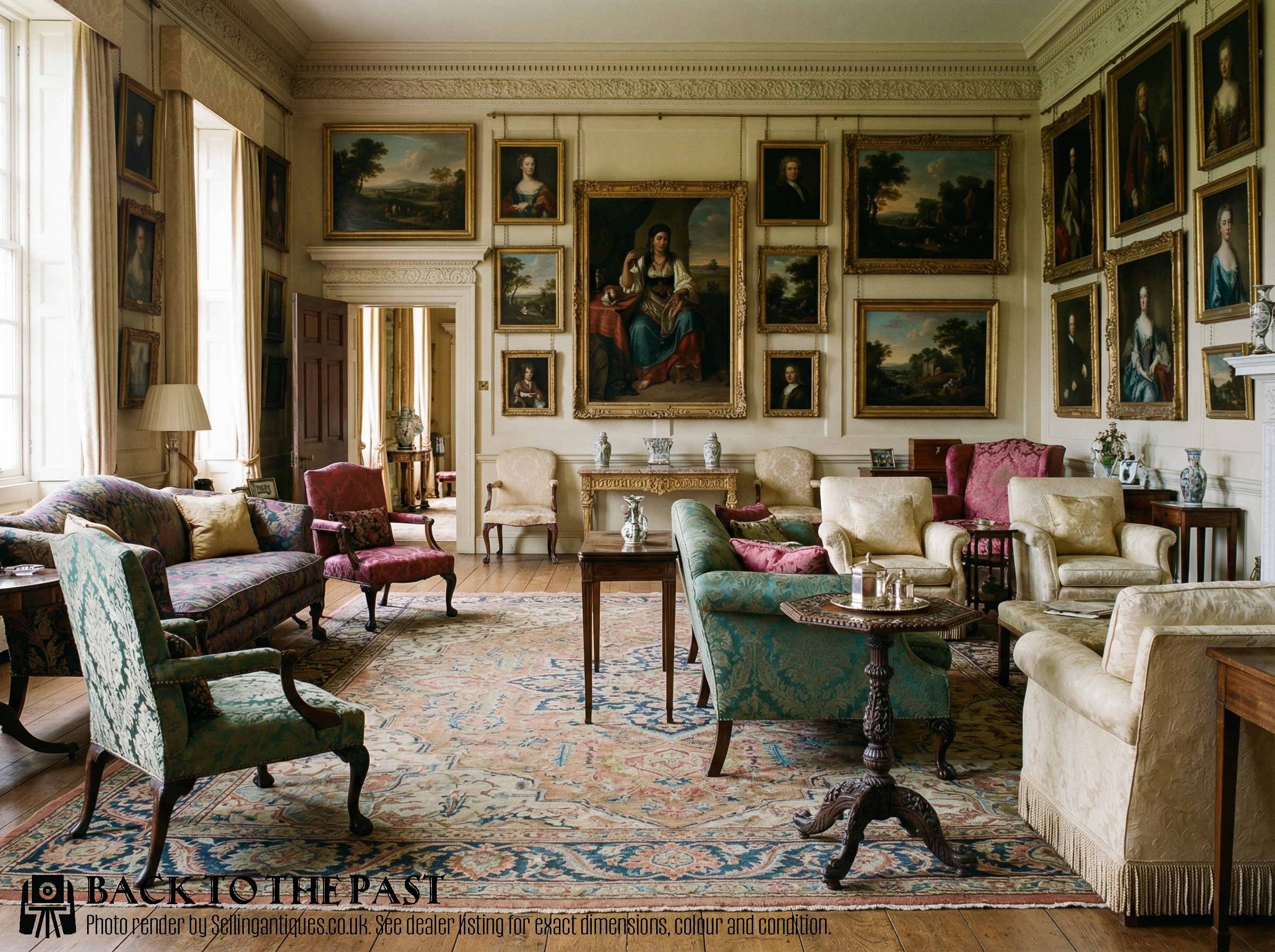
Carved Wooden Wine Table
A carved wooden wine table is a small, portable stand designed originally to hold drinking vessels, evolving into versatile occasional furniture for the home. When you search for this phrase, you encounter pieces intended for placement beside seating or in corners.
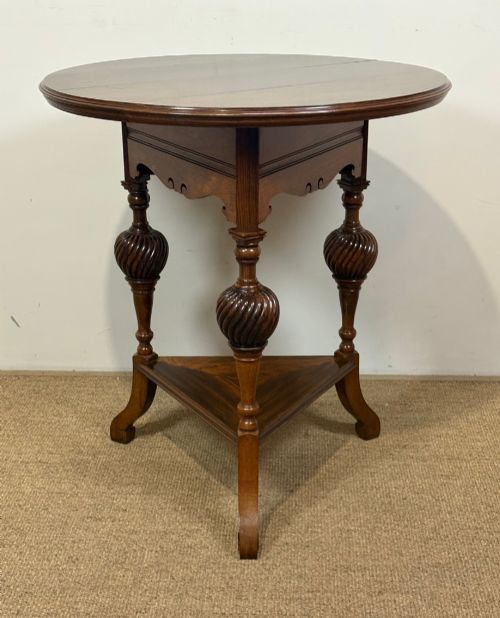
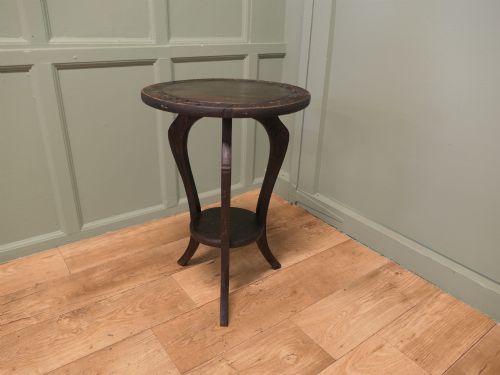
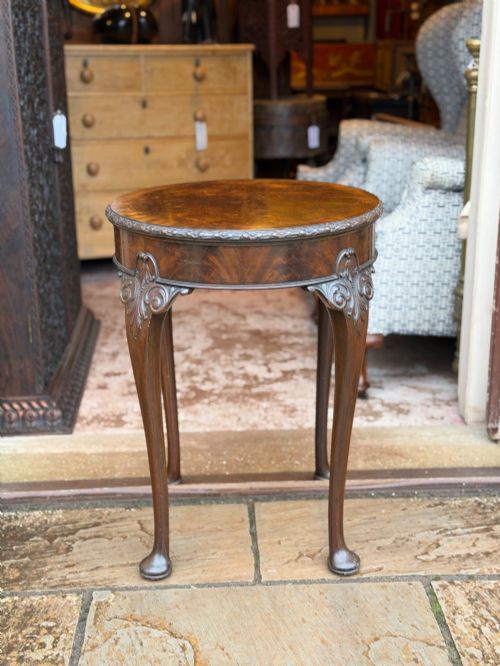
The selections span multiple periods, most commonly appearing in Victorian, Edwardian, and nineteenth-century iterations alongside earlier Georgian and William IV examples. These tables frequently take the form of tripod bases supporting circular tops.
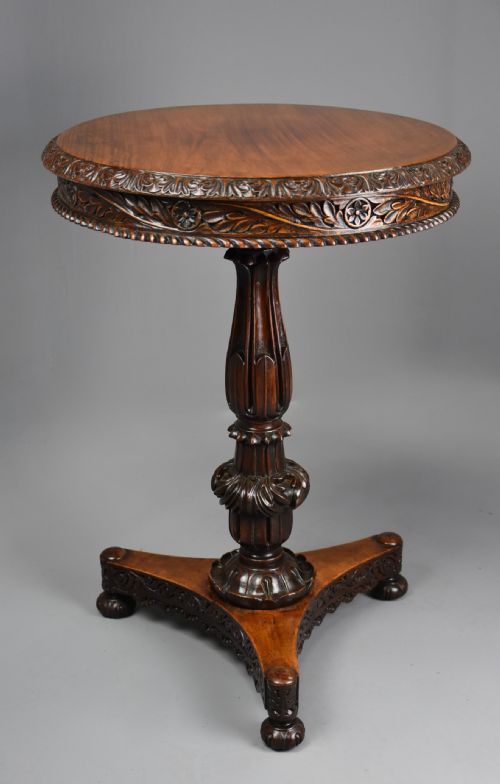
Makers utilised various formats, including tilt-top mechanisms with birdcage supports and solid pedestals with intricate relief work. Regional styles introduce Anglo-Indian, Burmese, and Chinese carving traditions to the standard British forms.
Materials and construction methods
Construction relies primarily on dense hardwoods such as mahogany, walnut, and oak, supplemented by exotic timbers like padouk and linden wood. Cabinetmakers shaped these materials into turned pedestals and tripod legs, often integrating solid tops with moulded or carved edges.
Carving techniques vary from deep floral relief work to geometric borders, executed by hand using gouges and chisels. Mechanisms such as birdcage tilts and brass mounts demonstrate mechanical ingenuity alongside traditional joinery.
Carved Wooden Wine Table Retail Price Guide 2026
Typical asking prices for carved wooden wine table among the pieces listed under this phrase on Sellingantiques today, from the lower quarter to the upper quarter. They describe what is for sale here now, not the wider market.
Styles include Victorian, Edwardian, Chippendale, William IV, Chinoiserie, Anglo-Indian, and Burmese designs.
Markers of distinction and build quality
Quality rests in the crispness of the hand-carving and the selection of timber figures, such as burr walnut or figured mahogany. Superior examples display tight joinery at the pedestal and leg joints, ensuring stability without wobble.
The sophistication of the turning work and the integration of specialised mechanisms, such as smooth tilt-top hinges, separate standard utilitarian tables from finer workshop productions.
Shapland and Petter·Liberty of London
The Carved Wooden Wine Table Glossary
- Tripod table
- A small stand supported by three legs radiating from a central pillar. This format provides stability on uneven floors.
- Tilt-top mechanism
- A hinge arrangement allowing the tabletop to pivot to a vertical position when not in use. This design saved space in period interiors.
- Birdcage
- A wooden framework beneath the tabletop that permits the surface to both tilt and rotate. It connects the top to the central pedestal column.
- Padouk
- A heavy, durable tropical hardwood with a reddish hue used in Anglo-Indian and Burmese furniture production. It resists warping and takes detailed carving well.
- Barley twist
- A spiral turning technique applied to furniture legs and central columns. It gained popularity during the seventeenth century and returned in later Victorian revivals.
Carved Wooden Wine Table: Frequently Asked Questions
What is a carved wooden wine table used for?
These pieces serve as small accent stands placed beside chairs or sofas to hold drinks, books, or lamps. Their compact footprints make them suitable for tight corners and versatile placement throughout a house.
Historically, smaller stands supported drinking vessels during evening gatherings. Today, they function primarily as decorative occasional furniture.
What woods were used for these tables?
Common domestic timbers include mahogany, walnut, oak, and beech. These woods provided structural strength for slender tripod legs and turned pedestals.
Imported hardwoods such as padouk, teak, and linden wood appear on regional pieces from international workshops. Burr walnut and inlaid veneers decorate finer Victorian and Edwardian tops.
How do I date a carved wooden wine table?
Dating relies on stylistic markers, timber choice, and construction methods. Georgian and Regency pieces often feature plain or piecrust edges on mahogany, while Victorian versions introduce heavy barley twists and dark finishes.
Edwardian and later twentieth-century iterations show lighter oak or walnut constructions, sometimes reflecting Arts and Crafts or regional carving styles.