






Chinese Bonsai Stand
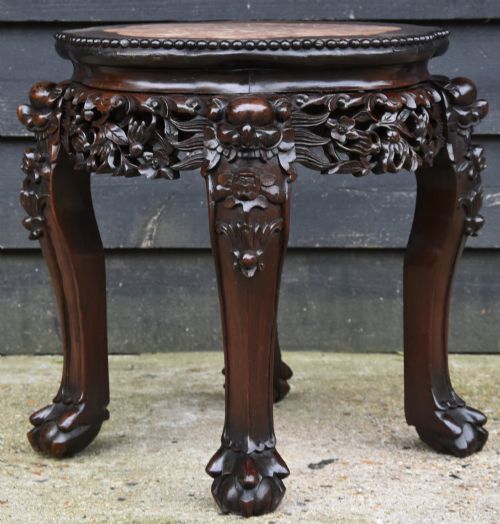
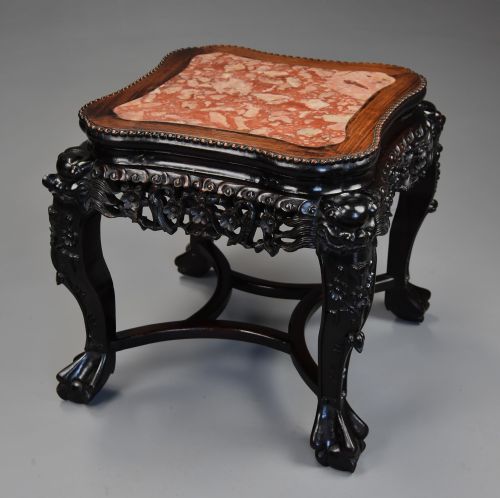
A chinese bonsai stand elevates a heavy jardiniere or potted plant with disciplined carving and solid dense timber.
Chinese Bonsai Stand
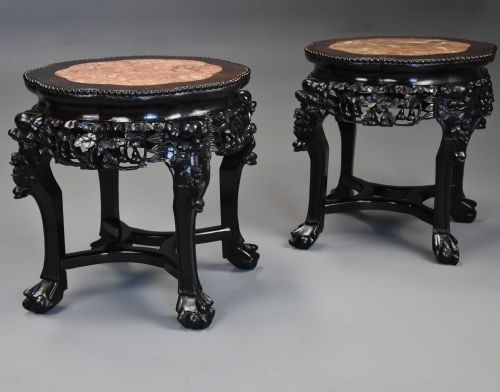
A chinese bonsai stand appears as a low table, a tall pedestal, or a small pot stand designed to hold plants and urns. Buyers searching for a chinese bonsai stand meet pieces originating from the nineteenth century, including the Victorian era and the Qing Dynasty.
Forms include square coffee tables, two-tier urn stands, and shaped low tables with recessed tops. These objects serve to elevate botanical displays and decorative ceramics within domestic interiors.
Assessing the craftsmanship
The distinction between ordinary and superior pieces rests on the depth and crispness of the hand carving on the apron and legs. Finer examples display meticulous detailing in floral or scrolling motifs that remain sharp and well-defined.
The selection of the timber grain and the precise fit of the inset marble top dictate the overall refinement of the stand. Heavier, denser woods with uniform colouration command greater attention from discerning collectors.
Chinese Bonsai Stand Retail Price Guide 2026
Typical asking prices for chinese bonsai stand among the pieces listed under this phrase on Sellingantiques today, from the lower quarter to the upper quarter. They describe what is for sale here now, not the wider market.
Some nineteenth-century makers carved miniature architectural balconies directly into the wooden aprons of these tiny plant tables.
The Chinese Bonsai Stand Glossary
- Hongmu
- A traditional Chinese term for dense red hardwoods used in high-status furniture production. It translates literally to red wood.
- Padouk
- A heavy, durable tropical timber with a distinct reddish hue frequently utilised for carved stands. It possesses exceptional natural stability.
- Jardiniere stand
- A tall or low table specifically built to hold large decorative plant pots or ceramic jardiniere bowls. They often feature water-resistant marble inserts.
- Kang table
- A low domestic table traditionally used on a heated platform bed for writing or serving tea. These low forms function well as compact display stands.
- Huali wood
- A prized fragrant hardwood from the rosewood family valued for its rich grain patterns and durability. Artisans select it for formal display furniture.
Chinese Bonsai Stand: Frequently Asked Questions
What is a chinese bonsai stand used for?
These low tables and pedestals elevate heavy ceramic plant pots, vases, and bonsai specimens to a comfortable viewing height in a room.
Historically they also served as display surfaces for scholar's rocks and bronze vessels during the Qing Dynasty.
How do I clean a marble inset top?
Wipe the marble surface gently with a soft, damp cloth and dry it immediately to prevent water spots from forming.
Avoid acidic household cleaners or abrasive scouring powders which can etch and dull the polished stone finish.
Are these stands suitable for daily use?
Solid hardwood construction makes these pieces sturdy enough to support heavy lamps, ceramic bowls, and everyday decorative objects.
Place them away from direct heat sources and strong sunlight to protect the aged timber and traditional polish.
How can I tell the period of a stand?
Examine the weight of the timber, the style of the carving, and the construction methods visible underneath the top.
Nineteenth-century examples frequently utilise heavy padouk or hongmu with hand-cut joinery consistent with Qing Dynasty production.