





Qing Dynasty Stand
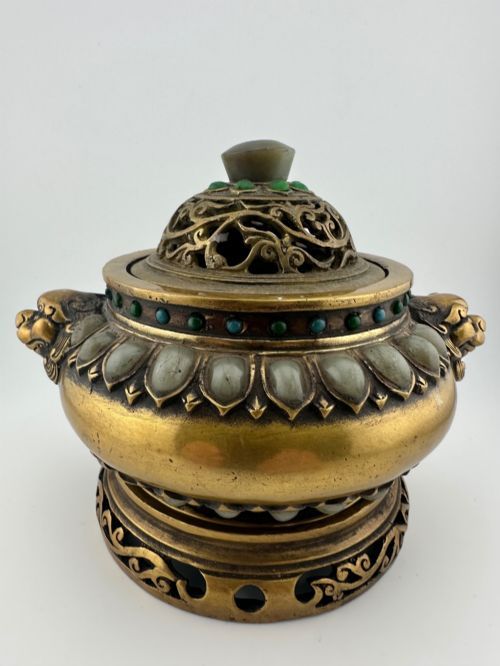
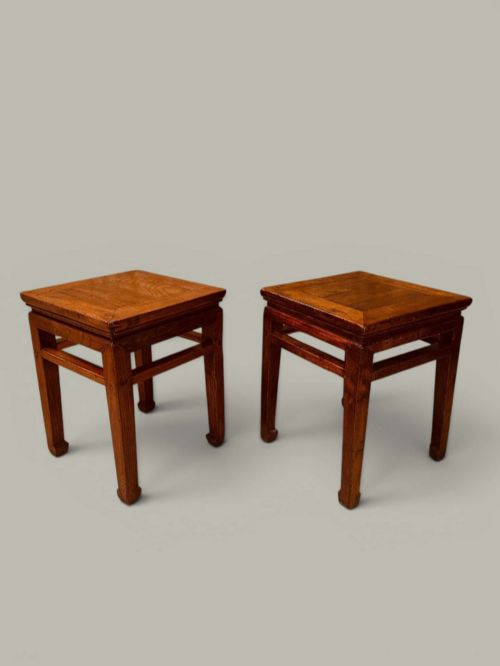
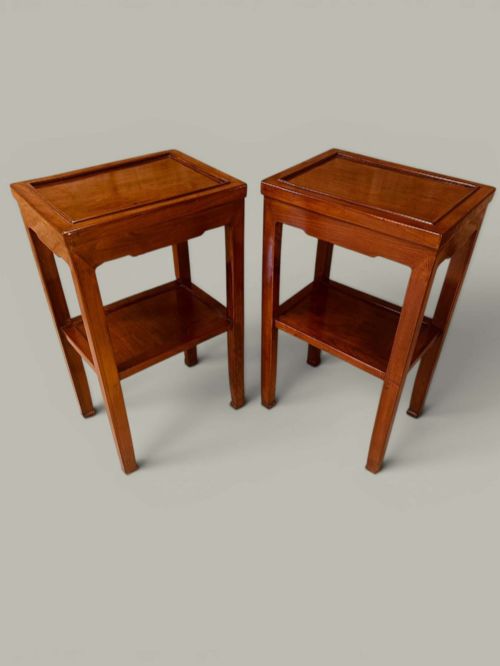
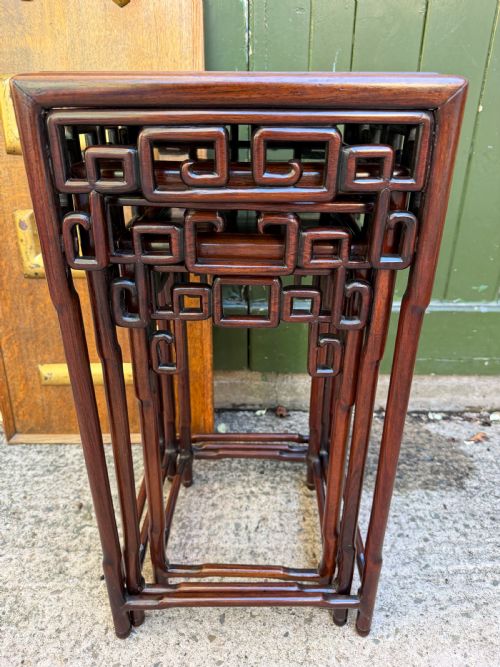
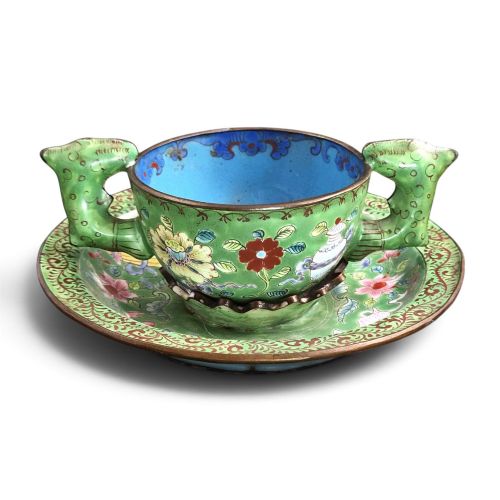
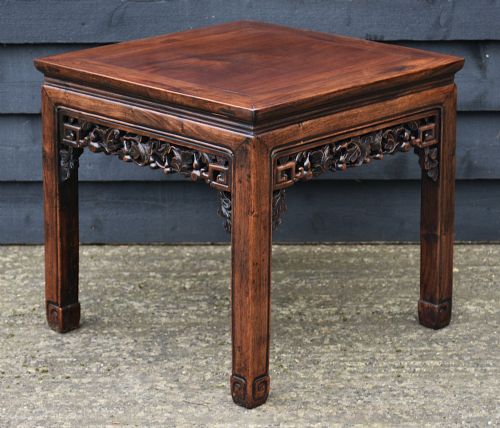
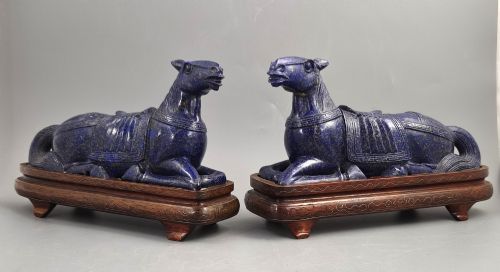
A qing dynasty stand provides a sturdy, carved platform designed to elevate porcelain, bronze vessels or jade carvings within a traditional interior.

Qing Dynasty Stand
Beyond standalone furniture, many items serve as matched mounting bases created specifically to accompany bronze censers, lacquer boxes, and porcelain vases. These integrated elements elevate both the decorative object and the protective timber platform into a single composition.
What varies in quality
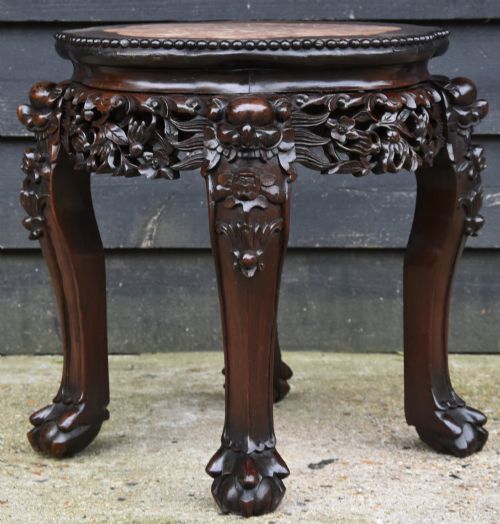
Quality rests upon the crispness of the hand-carved details and the density of the chosen hardwood. Superior examples display deep, undercut relief work where every petal or dragon scale retains sharp edges and thoughtful proportion.
The integration of inset panels dictates overall finish, as high-grade pieces fit marble or stone flush into the wooden frame without gaps or adhesive overflow. Timber selection also plays a role, with dense hongmu and figured huanghuali commanding higher regard than plain, lighter woods.
Qing Dynasty Stand Retail Price Guide 2026
Typical asking prices for qing dynasty stand among the pieces listed under this phrase on Sellingantiques today, from the lower quarter to the upper quarter. They describe what is for sale here now, not the wider market.
The Qing Dynasty Stand Glossary
- Hongmu
- A dense, heavy Chinese hardwood often translated as red wood, frequently used for carved furniture and stands during the Qing dynasty.
- Jardiniere stand
- A tall or low table specifically built to hold a heavy ceramic flower pot or plant bowl.
- Huanghuali
- A prized yellow-rosewood known for its expressive grain patterns and rich natural colour used in fine scholar's objects.
- Archaistic
- A decorative style that consciously imitates the forms, patterns, and motifs of ancient bronze or jade vessels from earlier dynasties.
- Reticulated
- Openwork carving that pierces all the way through the material to create a lattice or patterned screen effect.
Qing Dynasty Stand: Frequently Asked Questions
What is a qing dynasty stand used for?
These pieces serve primarily as elevated platforms for heavy decorative items including bronze censers, porcelain vases, and jade landscape carvings. They protect surfaces and raise important objects to a height suitable for appreciation.
In traditional interiors, taller versions hold large ceramic planters while lower tables support scholars' desk items or serve as independent display furniture.
How do I identify a marble top stand?
Marble top stands feature a thin slab of natural stone fitted directly into a recessed groove within the wooden top frame. This stone insert provides a cool, water-resistant surface designed to catch moisture from potted plants.
Inspect the underside to see how the stone is supported by cross-bracing or panel construction within the hardwood frame.
What woods were used for these stands?
Cabinetmakers utilised heavy tropical hardwoods including rosewood, huanghuali, and hongmu to build these supportive structures. These dense materials provide the necessary weight and structural strength to support heavy stone and bronze pieces without warping.
Each timber offers distinct grain patterns and natural colour variations that distinguish standard hardwood production from finer luxury items.
How do I care for antique hardwood furniture?
Maintain the timber by dusting regularly with a dry cloth and keeping the piece away from direct heat sources or rapid humidity changes. Avoid modern liquid polishes that can build up a sticky residue over the traditional polished surface.
Applying a light coat of specialist furniture wax occasionally helps nourish the dense wood and preserves its natural sheen.