






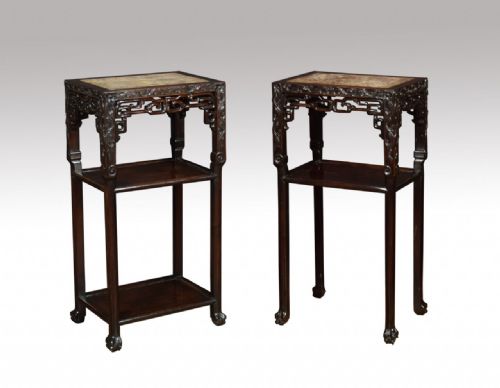

Pair Chinese Side Tables
Pair chinese side tables bring balanced symmetry and rich timber grain to a room, offering practical display surfaces rooted in the Qing dynasty.

Pair Chinese Side Tables
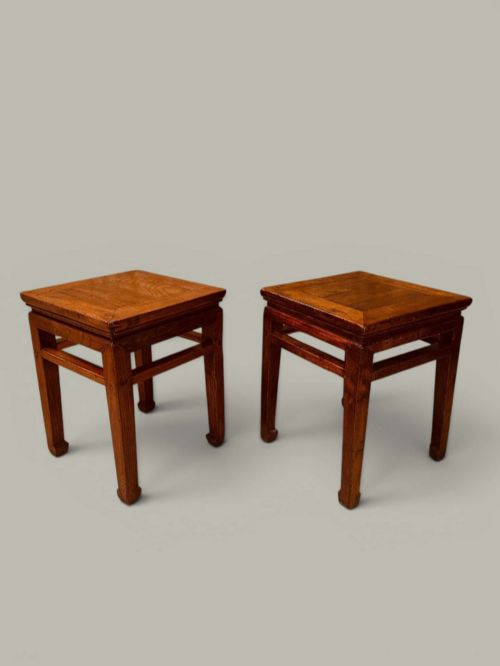
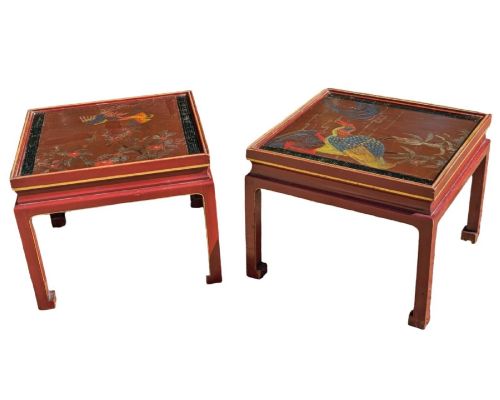
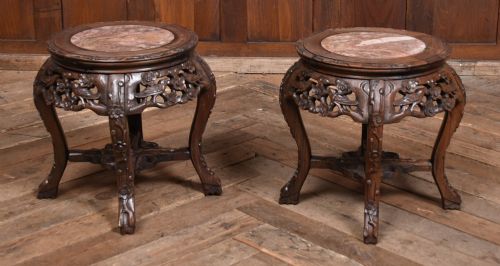
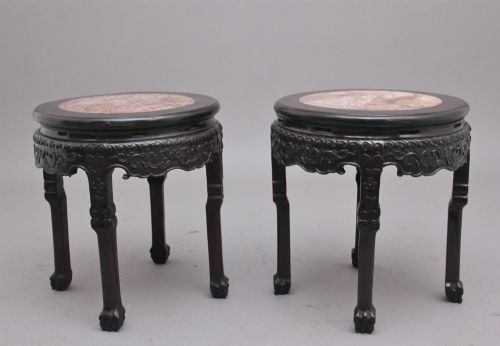
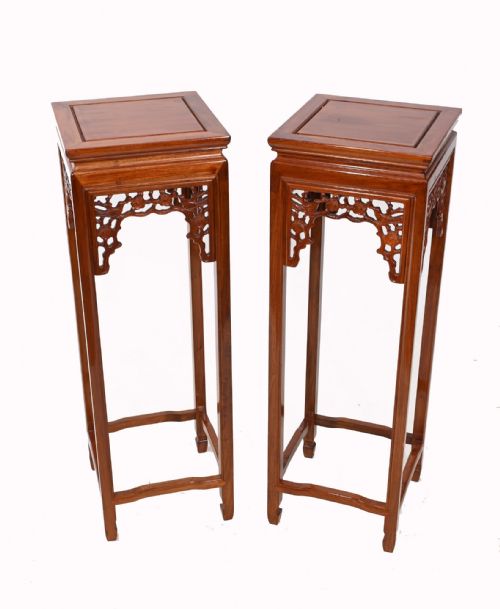
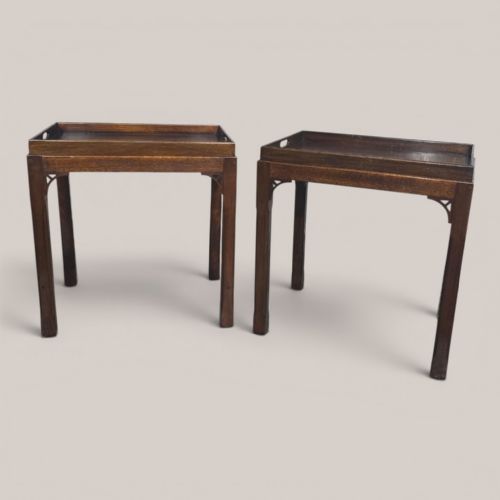
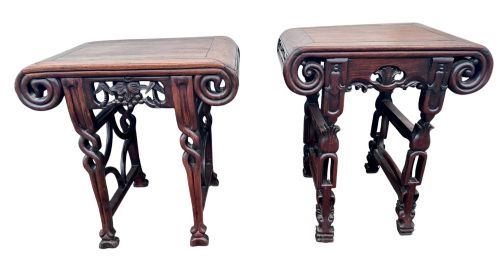
Pair chinese side tables encompass low forms, plant stands, urn stands, and lamp tables designed in matching sets for symmetrical placement. These pieces emerge primarily from the nineteenth century, including the eighteen nineties and eighteen sixties.
The functional scope stretches from bedside tables and hall tables to demi lune side lamp tables and tall plant stands. Elm, rosewood, huali hardwood, and hongmu provide the primary structure for these matched pairs.
Materials and Construction
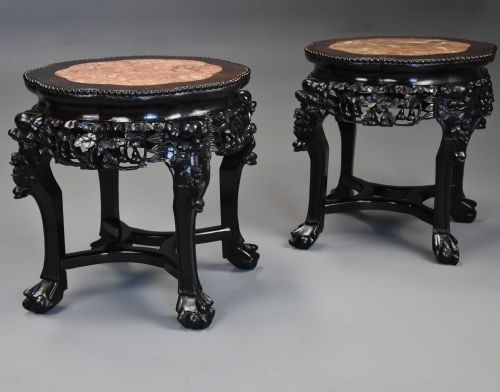
Constructed from dense exotic timbers such as rosewood, hongmu, and huali hardwood alongside elm and soft wood, these tables rely on durable natural materials. Some examples integrate inset marble tops or lacquered finishes to create contrasting textures.
Carved details define the Qing dynasty aesthetic, often combined with inlaid elements on barrel side tables or ebonised surfaces. Joinery techniques support freestanding formats designed for domestic display.
Pair Chinese Side Tables Retail Price Guide 2026
Typical asking prices for pair chinese side tables among the pieces listed under this phrase on Sellingantiques today, from the lower quarter to the upper quarter. They describe what is for sale here now, not the wider market.
Several pairs double cheerfully as urn stands, ready to support your most dramatic ferns.
Distinctions in Quality
The choice of timber dictates the baseline quality, with dense hardwoods like huali and hongmu standing apart from stained soft wood or elm. Grain definition and the weight of the timber reveal the selection made by the workshop.
Carving depth and integration of marble inserts separate standard production from more ambitious pieces. The precision of the matched pair relationship also influences the overall coherence of the grouping.
The Pair Chinese Side Tables Glossary
- Hardwood
- Dense timber species such as rosewood and huali used for durable furniture construction. These materials provide exceptional weight and resistance to wear.
- Qing Dynasty
- The final imperial dynasty of China, spanning from sixteen forty-four to nineteen twelve. Pieces from this era often feature traditional carved motifs.
- Hongmu
- A category of dense, dark Asian hardwoods prized for cabinetmaking. It translates literally to red wood and develops a deep patina over time.
- Huali
- A fragrant and highly figured hardwood favoured in classical Chinese furniture. Its distinctive grain patterns make it easily recognisable.
- Demi Lune
- A half-moon shape used for tables designed to sit flush against a wall. This form appears in lamp tables and display pieces.
Pair Chinese Side Tables: Frequently Asked Questions
What woods do these tables use?
The listings show a frequent use of dense Asian hardwoods including rosewood, huali, and hongmu.
Other examples utilise elm, mahogany, stained soft wood, or ebonised timber, occasionally paired with marble inserts.
Are these tables from the Qing dynasty?
Many examples date to the nineteenth century, including the eighteen nineties and eighteen sixties, aligning with the Qing dynasty period.
Later pieces extend into the early twentieth century around nineteen thirty, maintaining traditional forms.
How do I style them at home?
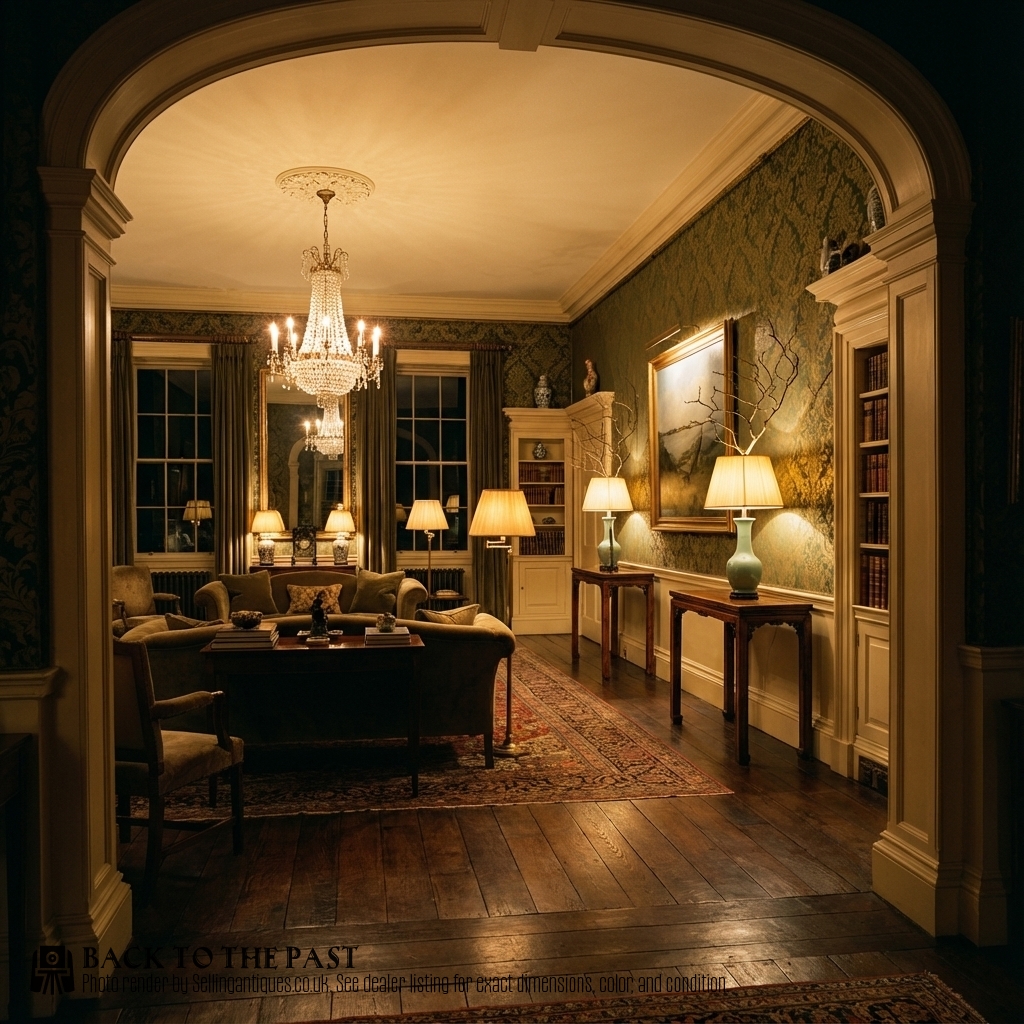
Place the pair symmetrically to frame a sofa, fireplace, or hallway entrance to utilise their balanced design.
They function effectively as lamp stands or display surfaces for ceramics and plants without overwhelming the floor space.