



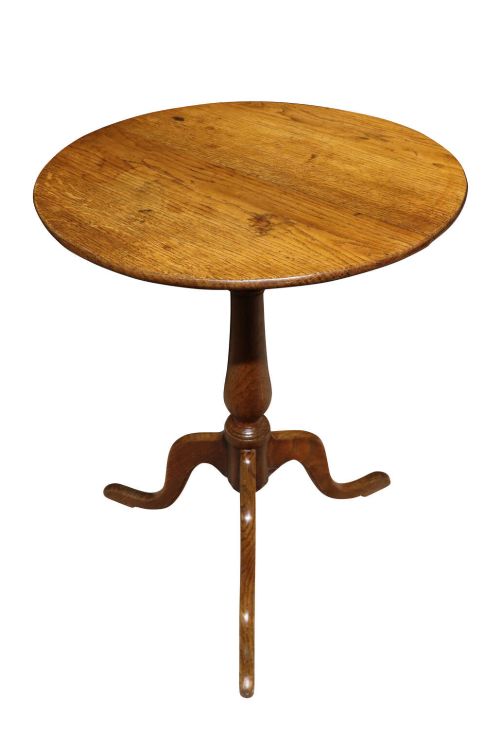
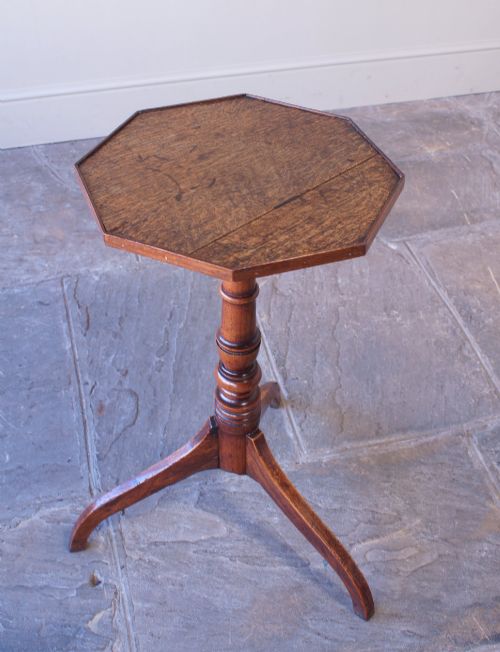
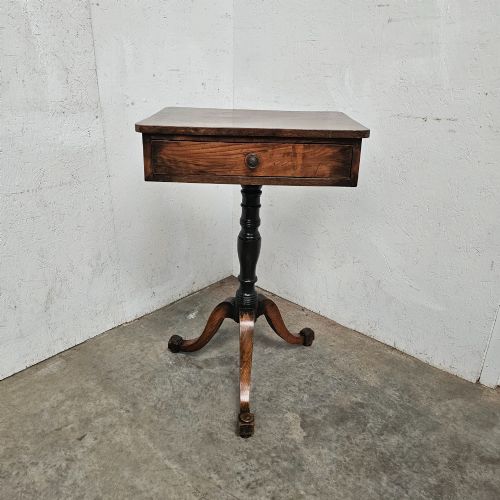
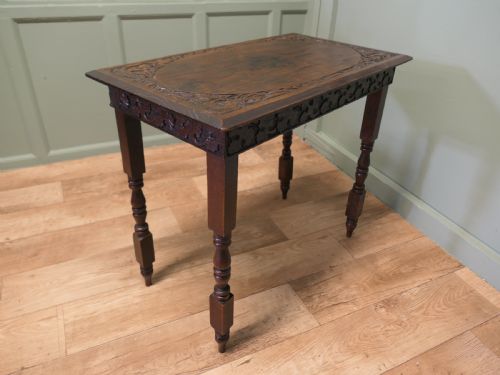


Brown Elm Side Table
A brown elm side table brings tactile warmth and rugged grain to a room through centuries of English, French, and Chinese vernacular woodworking.
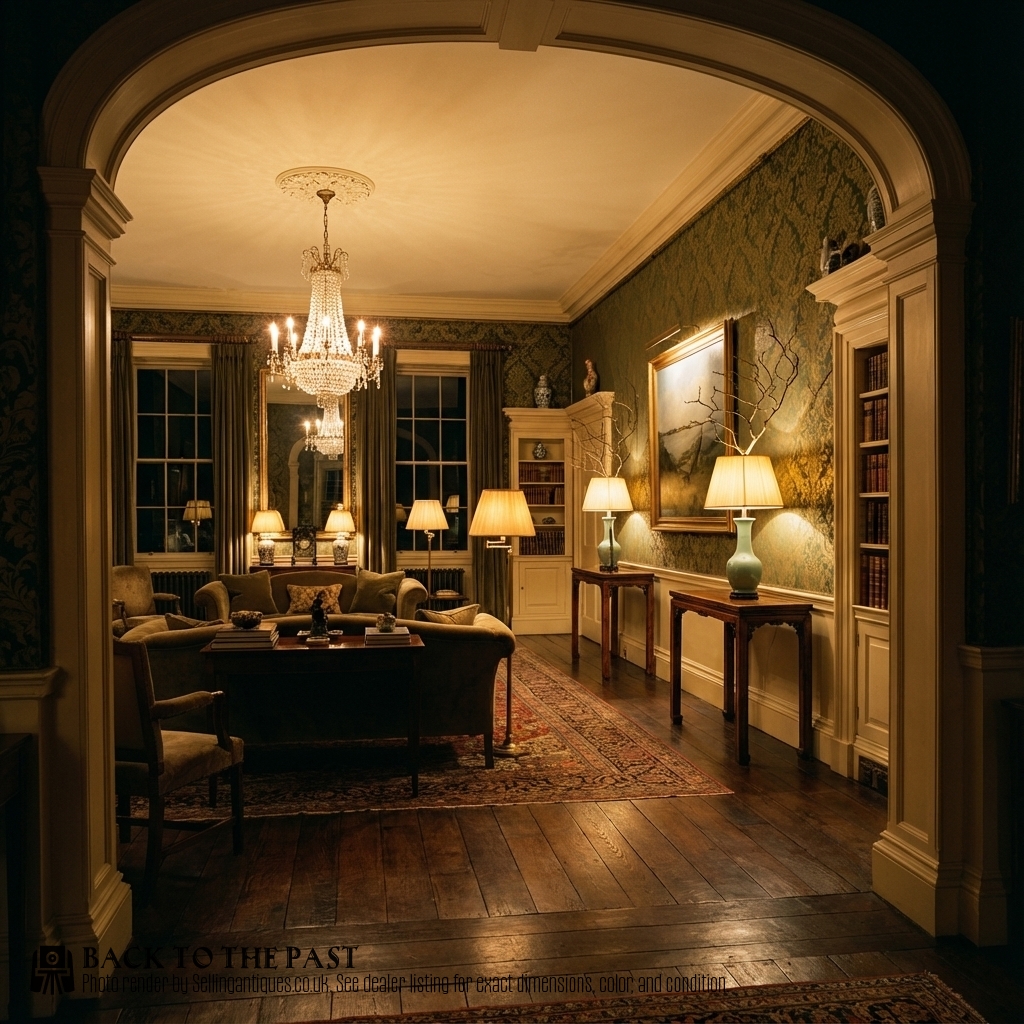
Brown Elm Side Table
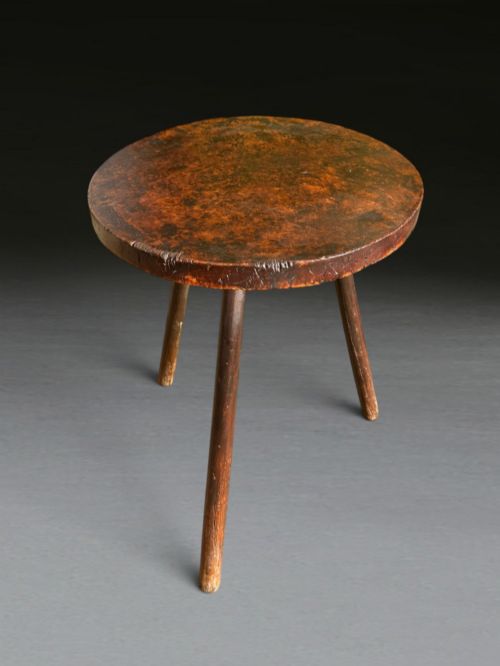
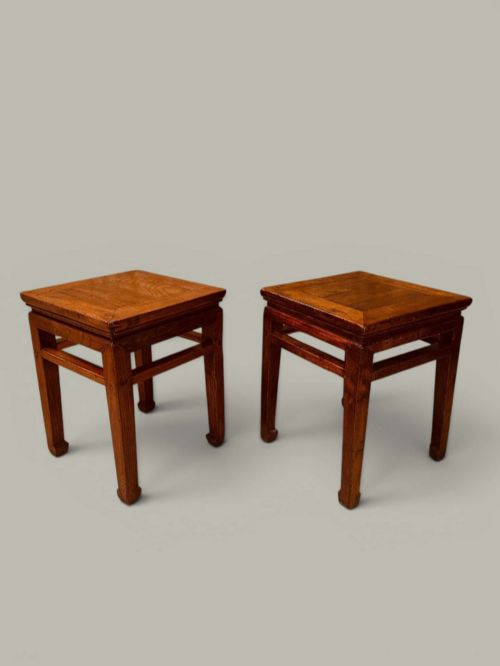
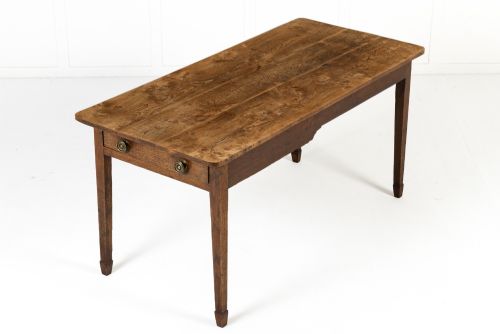
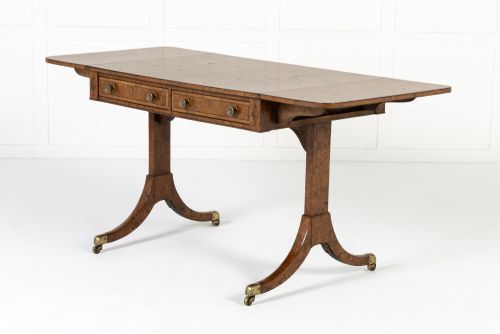
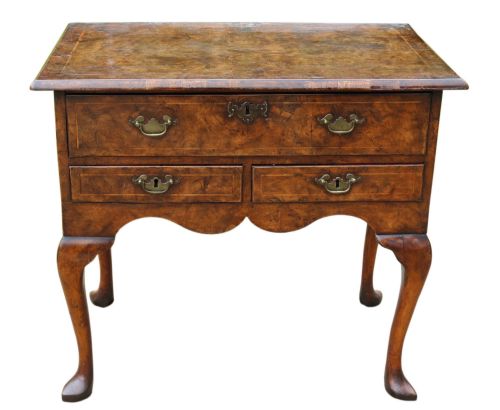
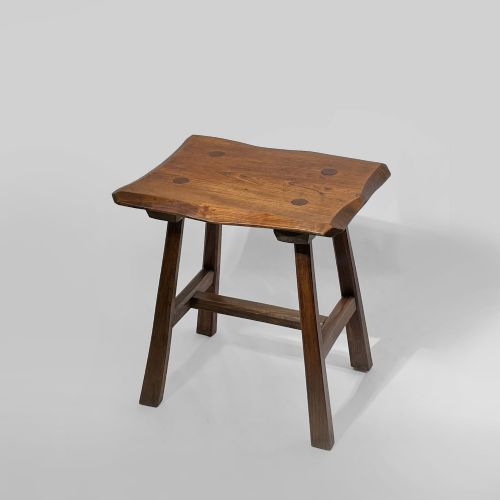
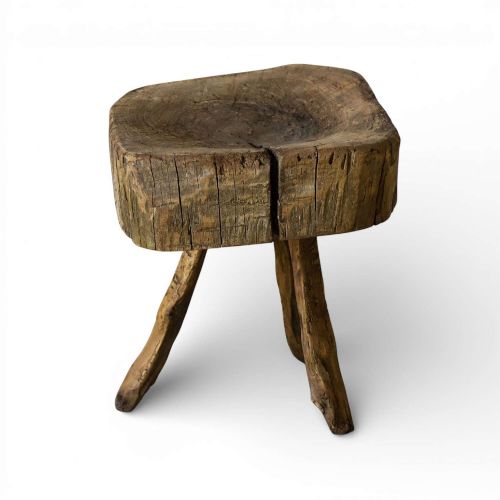
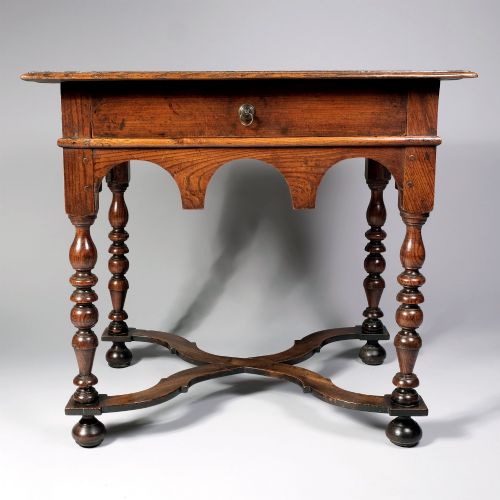
A brown elm side table is fundamentally a sturdy domestic surface, drawing from centuries of utilitarian furniture making across European and Asian traditions. When searching for a brown elm side table, buyers encounter everything from modest English tripod tables and Georgian lowboys to substantial French provincial dropleaf pieces and Chinese altar tables.
The selection ranges widely across periods, including pieces from the late seventeenth century, the Georgian era, and nineteenth century rural workshops. Forms vary from simple occasional tables and cricket tables to console tables and lowboys fitted with drawers.
English country examples sit alongside Scandinavian octagonal tables and Chinese scholar pieces, reflecting how different cultures utilised the tough, fibrous nature of timber. The domestic role remains consistent across these origins, serving bedside, hallway, or parlour duties where a resilient surface is required.
How they were made
Cabinet makers relied primarily on solid elm, often selected for its distinct grain pattern, frequently augmented by burr elm or figured sections for decorative impact. Secondary woods such as oak, fruitwood, and yew appear in structural frames, drawer linings, or associated elements like tripod legs.
Construction techniques prioritise durability, uniting thick timber tops with sturdy legs through pegged joints, dovetails, or turned pillar supports. Metal fittings remain sparse, though occasional brass details or handles appear on drawer fronts and console tables.
Brown Elm Side Table Retail Price Guide 2026
Typical asking prices for brown elm side table among the pieces listed under this phrase on Sellingantiques today, from the lower quarter to the upper quarter. They describe what is for sale here now, not the wider market.
The listings demonstrate a strong presence of 19th Century and Georgian periods, alongside materials including elm, burr elm, oak, and brass.
What varies in quality
Quality rests heavily on the character of the timber itself, distinguishing plain utilitarian boards from deeply figured burr elm with rich natural movement and colour. The tightness of the joinery and the integrity of the original structure separate everyday vernacular items from finer cabinet work.
Proportion and surface preservation dictate the standing of a piece, with untouched patination and original legs holding distinct advantages over heavily restored or altered surfaces. Tables retaining their early fittings and unblemished top boards command greater appreciation among collectors.
The Brown Elm Side Table Glossary
- Burr elm
- A growth deformity in the tree that produces highly swirled, knotted grain patterns. Cabinet makers prized this timber for tabletops and decorative veneers.
- Lowboy
- A small chopping or dressing table fitted with one or more drawers, standing on relatively tall legs. This form gained popularity during the Georgian period.
- Cricket table
- A small, light occasional table featuring three splayed legs and a round top. The three-legged design ensured stability on uneven farmhouse floors.
- Guéridon
- A small French occasional or candle table supported by a central column or figural pedestal. These pieces often feature circular tops in timber or marble.
- Altar table
- A traditional Chinese form characterised by rectangular proportions and slender recessed legs. They served ceremonial and domestic functions in scholarly households.
Brown Elm Side Table: Frequently Asked Questions
How do I date an elm table?
Dating relies on examining construction methods, tool marks, and timber preparation visible beneath the top or within drawer joints. Hand-cut dovetails, handmade pegs, and timber shrinkage patterns provide reliable clues to the century of manufacture.
Stylistic markers also help narrow the period, such as the slender cabriole legs of mid eighteenth century lowboys compared to the simpler turned supports of earlier vernacular pieces. Comparing the patination across the entire frame confirms whether components remain original.
Is elm durable for daily use?
Elm is famously tough and fibrous, making it exceptionally resistant to splitting under heavy domestic pressure. Historically, this resilience made it the preferred choice for cartwrights, chair seats, and hardworking kitchen tables.
While the timber withstands regular placement of everyday objects, maintaining moderate indoor humidity prevents excessive movement in older boards. Wax polishing helps nourish the surface and protects the grain from moisture.
Where were these tables made?
The pieces span several distinct geographic traditions, originating from English country workshops, French provincial towns, Scandinavian hubs, and Chinese craft centres. Each region applied local woodworking idioms to the available timber stocks.
English and French examples often lean towards rustic or formal domestic utility, while Chinese tables display refined joinery traditions using native elm and locust wood varieties.
What is a lowboy used for?
A lowboy served as a compact dressing table or auxiliary serving surface in wealthier households during the seventeenth and eighteenth centuries. The single or multiple drawers provided secure storage for small personal items or documents.
In modern rooms, these versatile tables function effectively as writing desks, hallway consoles, or bedside surfaces. Their modest proportions allow them to fit into tight spaces without dominating the floor plan.