
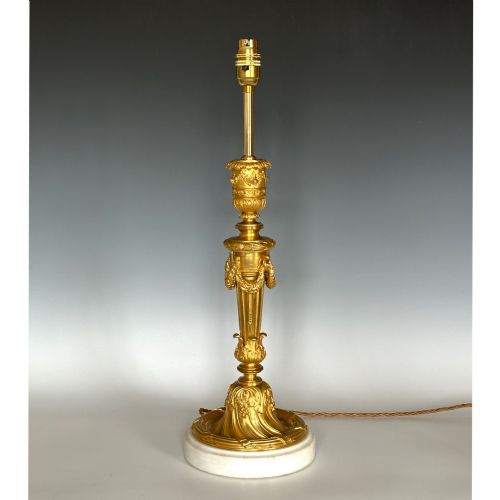
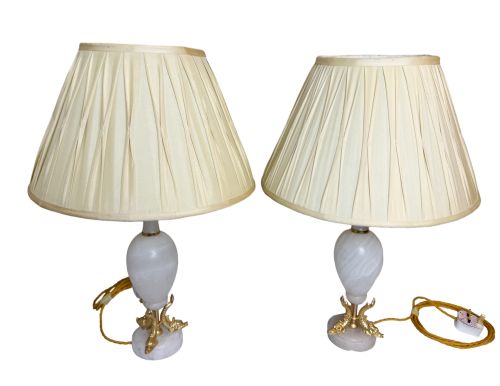
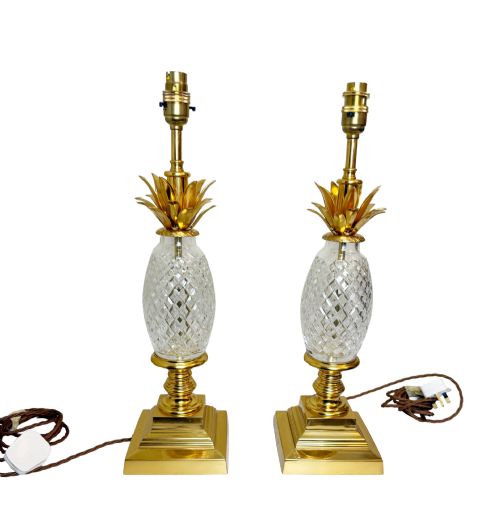
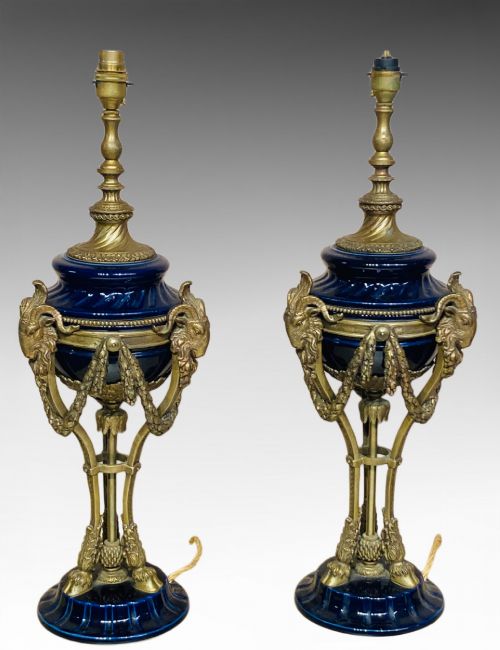


Gilt Bronze Base Lamp
These gilt bronze base lamp selections bring classical French and English lighting into a room with heavy cast metal, marble, and crystal.
Gilt Bronze Base Lamp
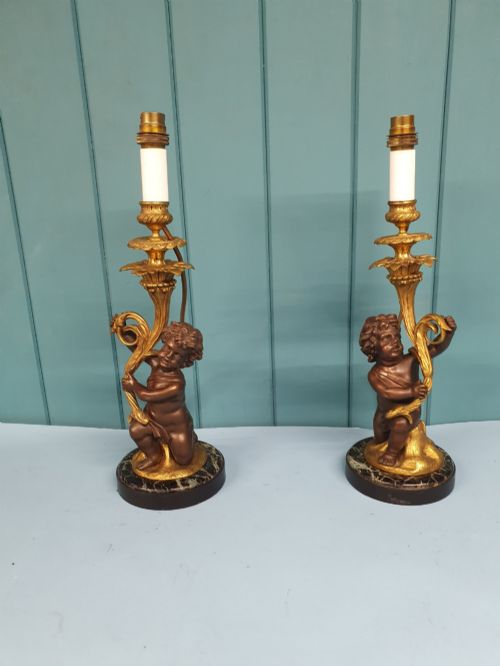
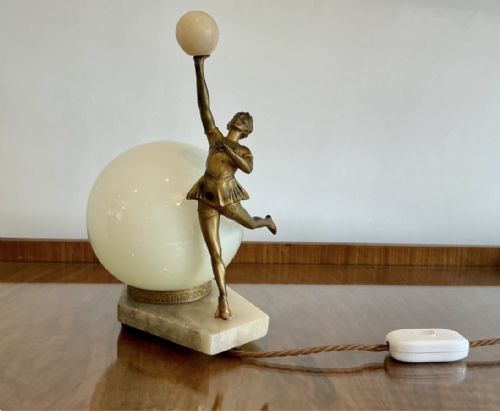
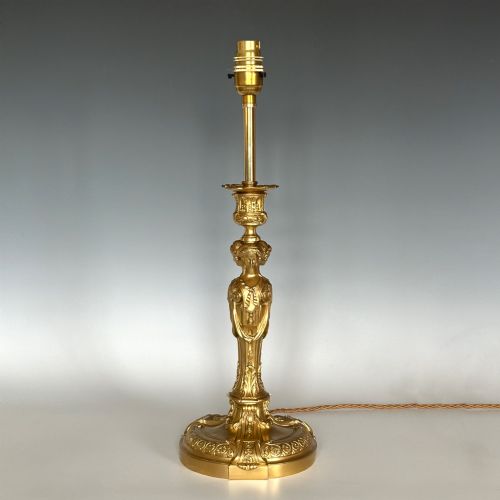
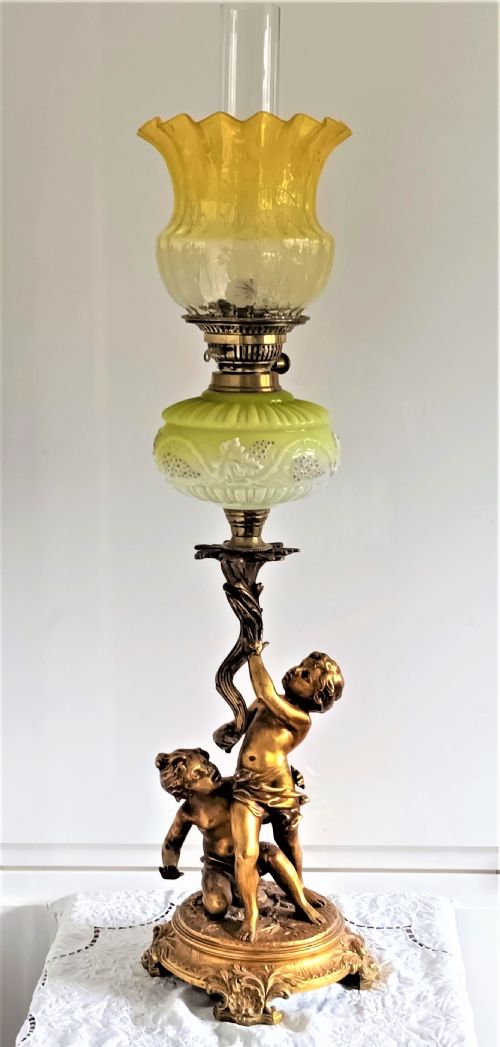
When searching for a gilt bronze base lamp, collectors encounter heavy metal work rooted in nineteenth-century decorative arts. The selections include figural statuary, classical columns, and urns adapted from earlier vessels.
French Empire, Neoclassical, and Rococo Revival styles dominate the pieces available. Many items began as oil lamps, candlesticks, or vases before conversion into modern electrical table lighting.
How they were made
Makers utilised lost-wax casting for bronze and brass figures, applying mercury gilding or modern electroplating to achieve the characteristic golden surface. Ormolu mounts were then hand-chased to sharpen the cast details.
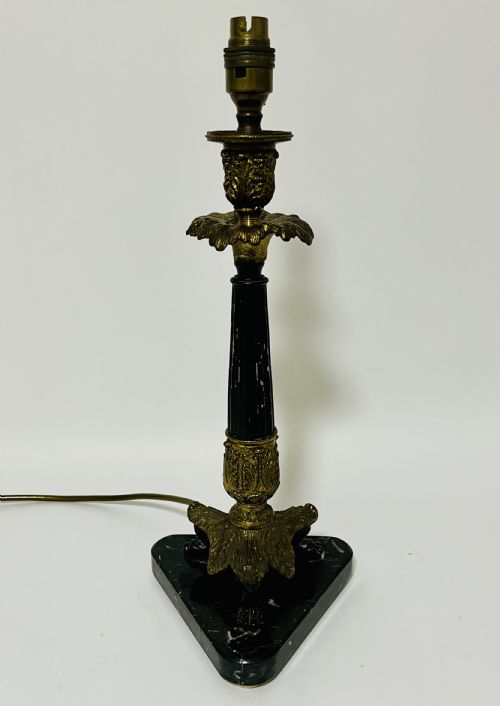
Bases frequently incorporate contrasting materials such as white or variegated marble plinths, onyx columns, and rock crystal or porcelain bodies secured with threaded metal rods.
Listings feature 19th Century, Victorian, and early 20th Century periods alongside materials such as porcelain, marble, and cloisonne.
What varies in quality
The crispness of the chasing separates superior metalwork from softer secondary casts. Hand-finishing on ormolu creates depth in the highlights that mass production misses.
The integrity of the supporting stone base and the weight of the bronze determine structural stability. Original gilding preservation outweighs the brightness of recent re-plating.
Dugourc
The Gilt Bronze Base Lamp Glossary
- Ormolu
- Gilt bronze produced by applying a mercury and gold amalgam to cast metal and heating it until the mercury vaporises. This technique creates a deep, matte golden finish typical of fine French pieces.
- Chasing
- The manual tool work applied to cast bronze after removal from the mould to sharpen details and textures. Skilled chasing distinguishes high-end foundry work from plain commercial output.
- Tole Peinte
- Painted sheet metal used for decorative lamp bodies and shades. It appears frequently in mid-nineteenth-century domestic lighting.
- Cloisonne
- Enamel work created by soldering wire compartments onto a metal base before filling them with paste and firing. Pieces often originate from Chinese export items mounted in Europe.
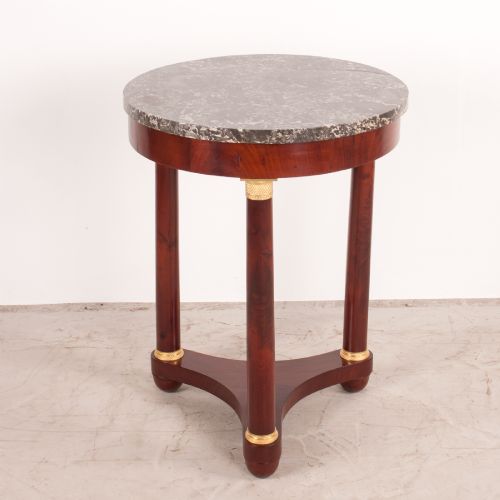
- Gueridon
- A small occasional table that shares aesthetic vocabulary with nineteenth-century stands. They often appear alongside matching lighting.
Gilt Bronze Base Lamp: Frequently Asked Questions
Are these lamps converted from old oil lamps?
Many examples begin life as nineteenth-century oil lamps, candlesticks, or porcelain vases. Workshops later adapt these decorative objects for electrical wiring.
Conversion methods vary, but threaded central brass tubes usually run through the original structure without destroying the antique body.
How do I identify French Empire style?
French Empire pieces draw heavily on classical Roman, Greek, and Egyptian motifs. Expect symmetrical columns, laurel wreaths, and patinated bronze figures contrasted with bright ormolu mounts.
These designs date predominantly from the nineteenth century and carry a formal, monumental presence.
What is the difference between bronze and brass?
Bronze is an alloy of copper and tin, while brass combines copper and zinc. Bronze takes finer detail during casting and accepts mercury gilding more readily.
Foundries often used brass for internal or secondary structural components while reserving bronze for visible figural elements.
Can I replace the wiring safely?
Electrical cords and internal lamp holders can be updated by a qualified electrician to meet modern safety standards. Historic metal bodies accommodate standard modern fittings without altering the exterior appearance.
Preserving the original base weight and mounting hardware protects the structural balance of the piece.