


Mounted Ceramic Vase Lamp
A mounted ceramic vase lamp brings historic porcelain and earthenware into domestic interiors through fitted metal mounts.
Mounted Ceramic Vase Lamp
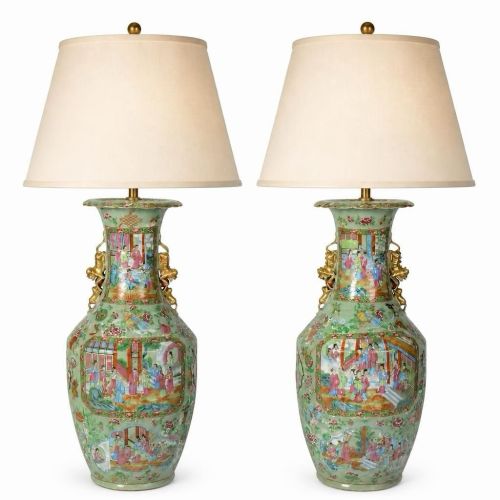
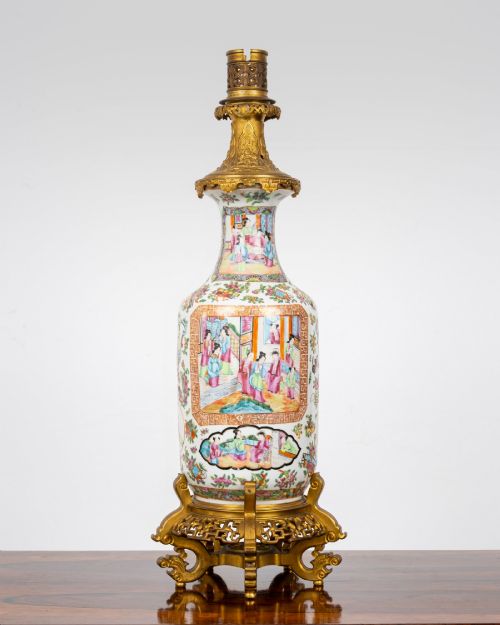
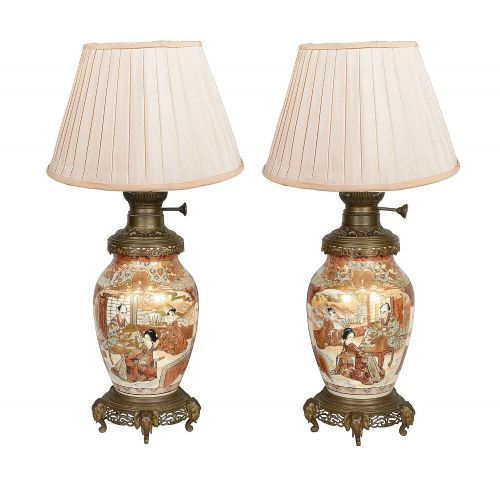
A mounted ceramic vase lamp combines an antique vessel of porcelain, earthenware, or majolica with metal fittings to serve as table lighting. The form repurposes historic vases into functional lamps, often utilising Chinese export porcelain or Japanese Satsuma bodies.
Nineteenth-century examples dominate the selections, alongside items originating from the eighteenth century. Buyers frequently encounter forms such as baluster vases or lidded vessels fitted with electrical wiring and fabric or silk shades.
The body of the lamp typically originates from Asian export wares or European factories, later adapted with metal components. These pieces bridge decorative ceramics and practical illumination for domestic spaces.
Materials and Construction
Ceramic bodies such as porcelain, celadon, and earthenware form the core structure, shaped on a wheel or in moulds before firing. Artisans decorated these surfaces using enamels, underglaze blue, or pate-sur-pate techniques.
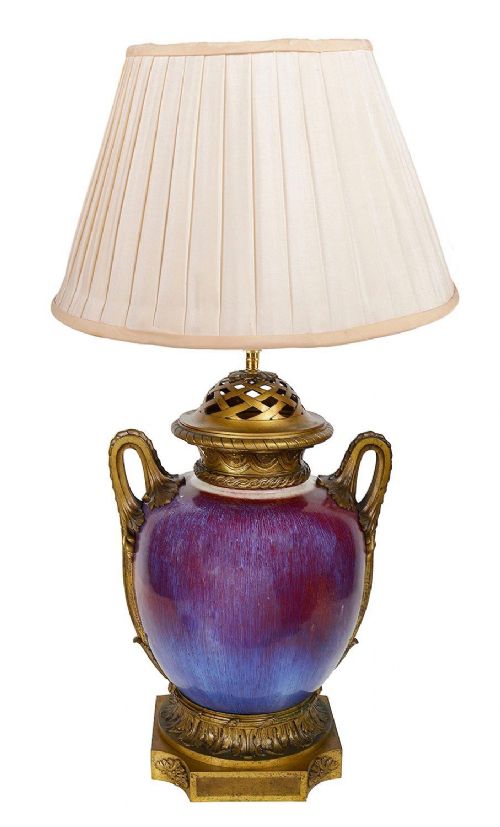
Metal mounts in brass, gilt bronze, and ormolu secure the ceramic vessel at the base and collar, often integrating handles or feet. These mounts were cast and chased by metalworkers to fit the specific contours of each antique vase.
Factors of Quality
The integration between the ceramic body and the metal mounts determines the success of the conversion. Superior examples use bespoke gilt bronze or ormolu mounts that complement the glaze without damaging the ceramic surface.
The artistic merit of the ceramic painting sets individual pieces apart, seen in the precision of polychrome enamels, famille rose details, or blue and white designs. Finer pots display crisp potting and deliberate glaze formulation, such as balanced celadon or sang de boeuf tones.
The Mounted Ceramic Vase Lamp Glossary
- Ormolu
- Gilt bronze mounts applied to furniture and ceramics. The technique involves treating brass or bronze with a mercury-gilding process to produce a rich golden surface.
- Famille Rose
- A palette of Chinese porcelain enamels dominated by opaque pink. This style developed during the Qing dynasty and appears frequently on export wares.
- Celadon
- A pale green glaze resembling jade, achieved through iron oxide in the reduction kiln. It is characteristic of historic Chinese stonewares.
- Satsuma
- Japanese earthenware pottery featuring a crackle-glaze ivory ground decorated with polychrome and gold enamels. Production centred on Satsuma province during the Edo and Meiji periods.
- Pate-sur-pate
- A method of ceramic decoration where liquid clay is painted in successive layers onto a body to create a low relief cameo effect.
Mounted Ceramic Vase Lamp: Frequently Asked Questions
How do I choose the right lampshade?
Select a shade that matches the scale of the ceramic body and balances the metal mounts. Silk and fabric shades in neutral tones allow the painted decoration of the vase to remain the visual centre.
Ensure the shade height leaves the upper mount and neck of the vase visible. Proportion dictates that the shade width should generally equal the height of the ceramic base.
Are these lamps safe to use today?
Most antique lamps require professional rewiring to meet modern safety standards. Dealers frequently update internal components while preserving the historic exterior.
Check the cord, plug, and bulb holder with an electrician before regular use. Older brass and gilt bronze parts should be handled with dry cloths to protect the metal.
How do I identify Chinese export porcelain?
Chinese export ceramics display decorative styles intended for Western markets, including Rose Medallion and Famille Verte patterns. These pieces often exhibit standardised forms adapted for European utility.
Study the baseline clay and the character of the hand-painted enamels. Eighteenth and nineteenth-century examples show variations in potting thickness and pigment saturation.
What is the difference between Satsuma and Imari wares?
Satsuma wares utilise an ivory crackle-glaze earthenware body decorated with detailed polychrome and gold enamels. They present a soft, matte finish.
Imari wares consist of hard-paste porcelain painted in a distinct palette of underglaze blue, iron red, and gilt. They present a glossy surface with dense geometric and floral panels.