

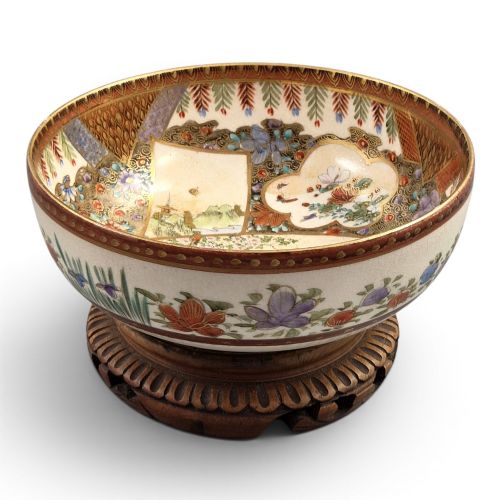
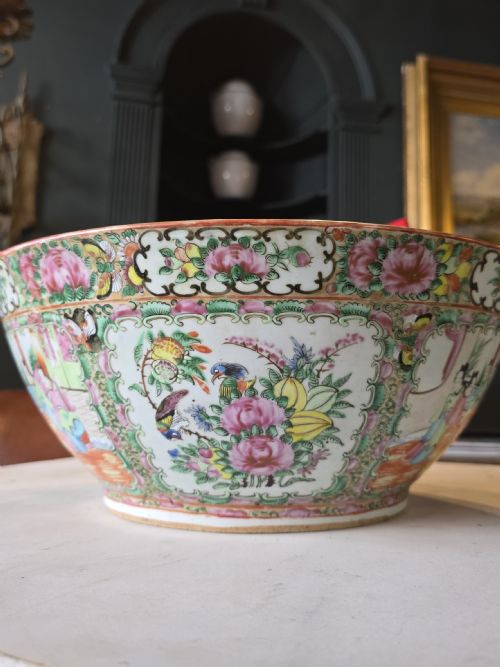


Oriental Enamel Decorative Bowl
These oriental enamel decorative bowl pieces bring rich colour and detailed hand painting from Asian and Victorian workshops into your home.
Oriental Enamel Decorative Bowl
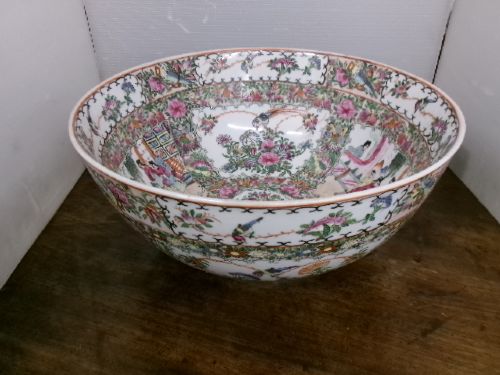
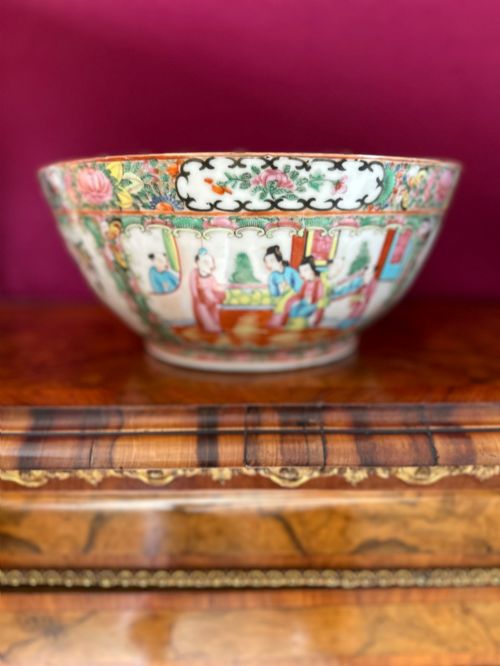
An oriental enamel decorative bowl brings together traditional forms like punch bowls, jardinières and large chargers from Chinese and Japanese makers. Buyers look for these vessels to add historic colour and intricate patterns to a room. The selection here leans heavily towards pieces from the nineteenth century, including Meiji period Japanese cloisonné and Chinese Canton porcelain.
You will encounter various specific shapes among these items, ranging from shallow dishes to deep lidded bowls and punch bowls. Many pieces originate from specific production centres such as Beijing or bear the marks of distinct regional styles like Famille Rose and Imari. Each form serves primarily as a decorative display object rather than practical tableware.
Materials and Making
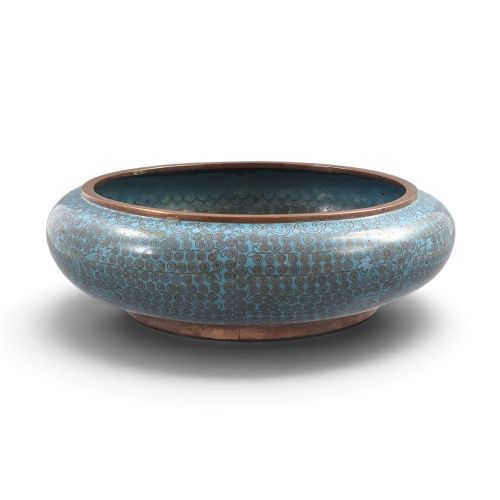
Cloisonné pieces rely on a copper or brass body fitted with delicate metal wires that form cells for coloured enamel pastes. Artisans fire these vessels multiple times to fuse the glass-like surface before polishing the metal edges smooth. Bronze and porcelain bodies also serve as foundations for painted or enamelled decoration.
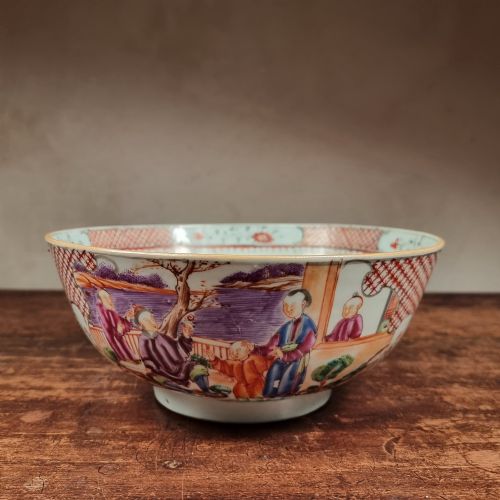
Porcelain bowls utilise hand-painted cobalt blue motifs or polychrome palettes featuring gold leaf accents. Japanese and Chinese makers applied these mineral pigments by hand before high-temperature firing to achieve durable gloss finishes. Workshops in Canton and regional Japanese kilns employed specialised painting traditions passed down through generations.
Listings feature nineteenth-century items alongside pieces dated to the eighteenth century, incorporating both copper-bodied cloisonné and porcelain vessels.
Quality Variations
The standard of an oriental enamel decorative bowl rests on the precision of the wirework and the control of the enamel firing. Finer examples show thin, uniform metal cells without pitting or discoloration in the coloured pastes. Superior porcelain items display crisp brushwork and well-balanced polychrome or cobalt compositions.
Signed pieces and works from known periods or centres often command greater attention from collectors due to documented artistry. The weight of the metal base, the complexity of bird, dragon or peony motifs, and the overall crispness of the hand painting distinguish finer workshop output from simpler domestic wares.
Kozan
The Oriental Enamel Decorative Bowl Glossary
- Cloisonne Enamel
- A technique where thin metal wires are soldered to a metal base to create compartments filled with coloured glass paste. These compartments are fired and polished to a smooth finish.
- Famille Rose
- A palette of opaque rose-pink enamel introduced to Chinese ceramics during the Qing dynasty. This style dominates many nineteenth-century Canton bowls.
- Meiji Period
- A Japanese historical era lasting from 1868 to 1912 noted for exceptional metalwork and enamel production. Pieces from this time often feature detailed bird and floral subjects.
- Imari
- A style of Japanese porcelain featuring underglaze blue and overglaze red, green and gold decoration. These wares were widely exported to Europe.
- Jardiniere
- A large ornamental pot or bowl designed to hold plants or flowers. In antique metal and porcelain, these heavy vessels often feature extensive decorative panels.
Oriental Enamel Decorative Bowl: Frequently Asked Questions
How do I date a Chinese Canton bowl?
Dating relies on stylistic shifts in the Famille Rose palette and changes in porcelain bodies from the nineteenth century. Victorian import markers and specific hand-painted mandarin motifs also help establish the approximate decade.
Examinations of the foot rim and glaze texture provide further clues to whether a piece originates from the Qing dynasty or later revival periods.
What is the difference between cloisonne and painted porcelain?
Cloisonné involves metal wires soldered onto a copper or brass base to form cells filled with coloured glass enamel. Painted porcelain uses mineral pigments applied directly to a fired ceramic body.
Both methods produce vibrant decorative bowls, but cloisonné relies on metalwork texture while porcelain depends entirely on brush technique.
Where were Japanese Meiji chargers displayed?
Large chargers from the Meiji period were primarily designed for decorative display on walls or tabletops rather than daily dining use. Their intricate dragon or bird motifs were meant to showcase Japanese metalworking skill to international buyers.
Owners typically placed them on specialised wooden stands or hung them securely using wire brackets.
How do I clean an antique enamel bowl?
Dusting gently with a soft, dry cloth is the safest method for maintaining nineteenth-century cloisonné and porcelain surfaces. Moisture can damage exposed metal wires or compromise older repairs.
Avoid chemical cleaners, abrasive cloths and immersion in water to preserve the original glass enamel and gilt finishes.