


Late Qing Dynasty Bowl
These late qing dynasty bowl examples bring hand-painted porcelain and heavy bronze into a room, offering genuine historical depth for collectors.
Late Qing Dynasty Bowl
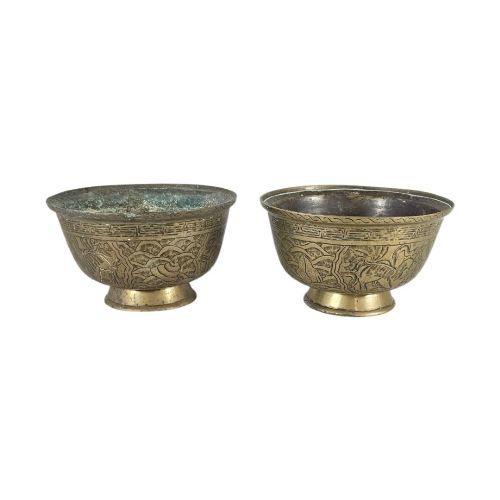
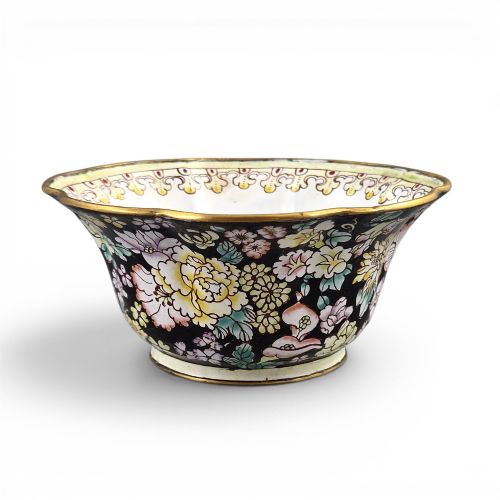
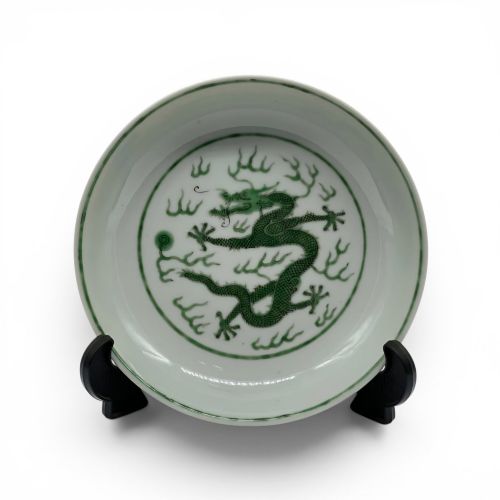
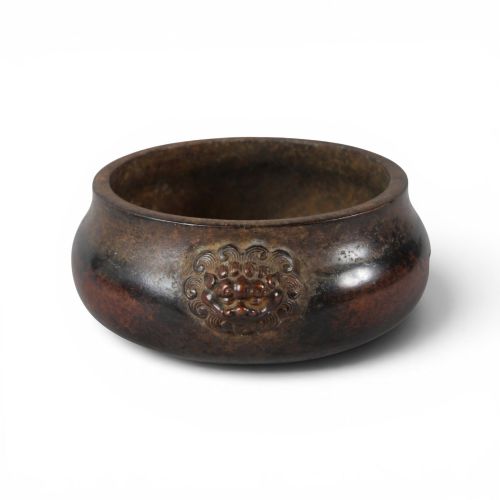
A late qing dynasty bowl encompasses various forms from the nineteenth century, including painted porcelain dishes, canton vessels and heavy bronze pieces. Buyers seek these items for their intricate decorative schemes and traditional forms.
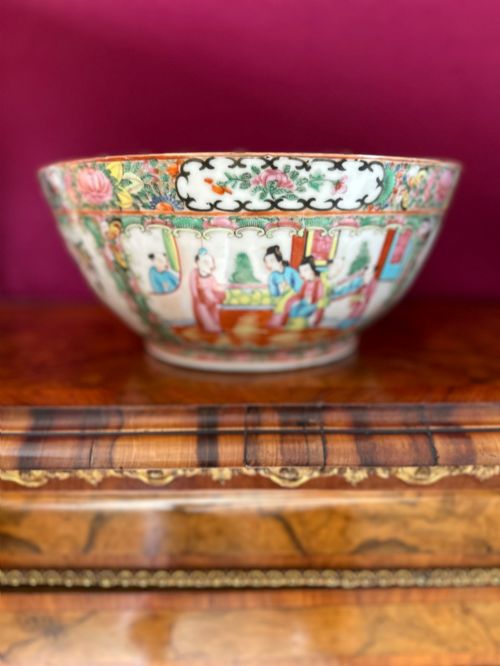
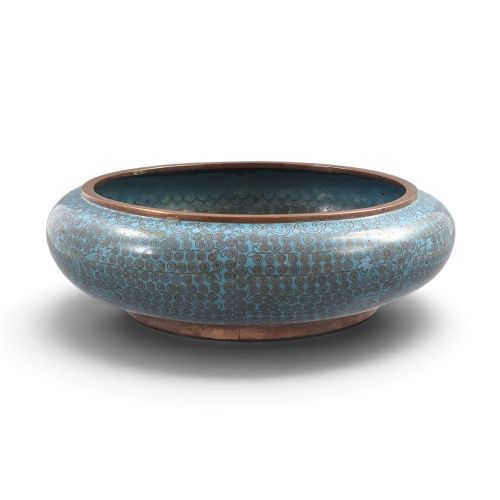
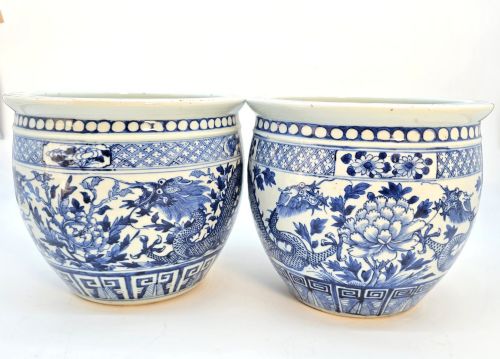
The versions most common on this page date from the late nineteenth century, spanning blue and white porcelain, famille rose decoration and cloisonné enamel. These domestic and scholar's objects reflect the craftsmanship of late imperial production.
Materials and construction methods
Potters utilised porcelain with cobalt underglaze, eggshell bodies and painted enamel, while metalworkers shaped bronze, copper alloy and brass vessels. Artisans also applied cloisonné enamel wires and gold leaf to metal surfaces.
Techniques relied on precise kiln firing for ceramics and detailed metal casting or wire-inlaying for bronze and copper pieces, creating durable decorative objects.
What separates the finest examples
Quality rests upon the clarity of the painted pigments, the precision of the enamel work and the weight of the bronze or porcelain body. Superior pieces display crisp detailing in motifs such as dragons, flowers and figures.
The refinement of the glaze finish and the presence of coherent period marks further distinguish standard decorative items from superior imperial-style works.
The Late Qing Dynasty Bowl Glossary
- Famille rose
- A palette of opaque enamels dominated by pink or rose colours, introduced in the Qing dynasty. This technique allowed for subtle tonal gradations in floral and figural scenes.
- Cloisonné
- Metalwork technique where thin metal strips are soldered to a base to form cells, which are then filled with enamel paste and fired. It creates intricate coloured patterns across bronze or copper surfaces.
- Cobalt underglaze
- Pigment applied to pottery before glazing and firing, producing deep blue designs. This method ensures the decoration remains permanent beneath the clear ceramic glaze.
- Celadon
- A green glazed ceramic resembling jade, achieved through iron oxide in the glaze fired in a reducing atmosphere. The subtle green tones vary from olive to sea-green.
- Guangxu
- The reign period spanning from eighteen seventy-five to nineteen hundred and eight. Porcelains bearing this mark date to this specific era of late Qing production.
Late Qing Dynasty Bowl: Frequently Asked Questions
How do I date a late qing dynasty bowl?
Dating relies on stylistic evidence, material composition and reign marks where present. Nineteenth-century examples often display specific enamel palettes or blue and white pigment characteristics.
Examining the base and the wear on the foot rim helps confirm the period of manufacture alongside the decorative style.
Are these bowls safe for food use?
Most antique pieces function primarily as decorative objects or scholar's vessels rather than modern tableware. Their age and historic glaze compositions mean they suit display rather than daily culinary use.
Handling them with care preserves both the enamel surfaces and the underlying ceramic or bronze structure.
How should I clean a bronze censer bowl?
Cleaning requires only a dry or very slightly damp soft cloth to remove dust. Agressive polishes or modern chemical cleaners will damage the historic patina and metal surface.
Preserving the original bronze finish maintains the integrity and historical appearance of the piece.