




Painted Enamel on Copper
These painted enamel on copper pieces bring brilliant pigments fired onto metal bases into your hands, offering centuries of artistry.
Painted Enamel on Copper
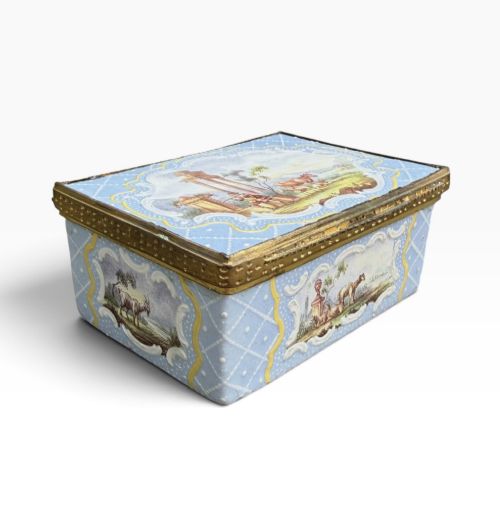
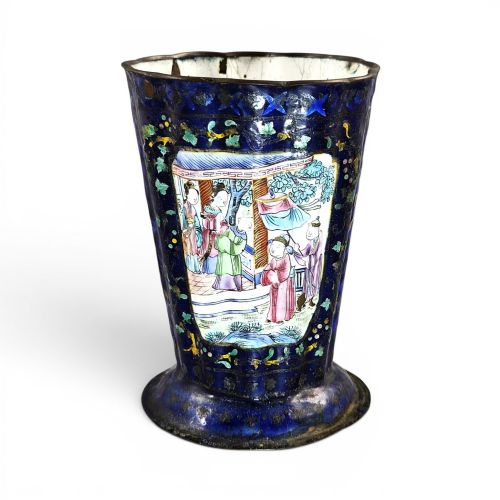
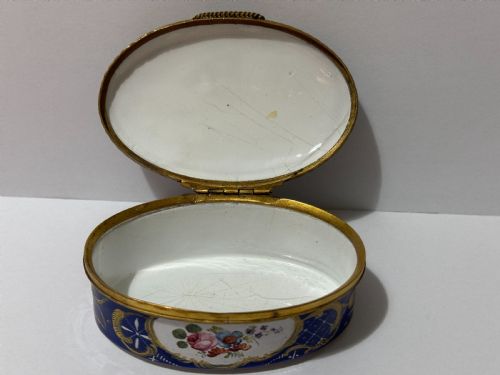
When searching for painted enamel on copper, you encounter small personal containers alongside larger decorative vessels and wall plaques. The selection spans 18th century English production from centres like Bilston and South Staffordshire, alongside 19th century Chinese Canton and Beijing pieces, plus French Limoges works.
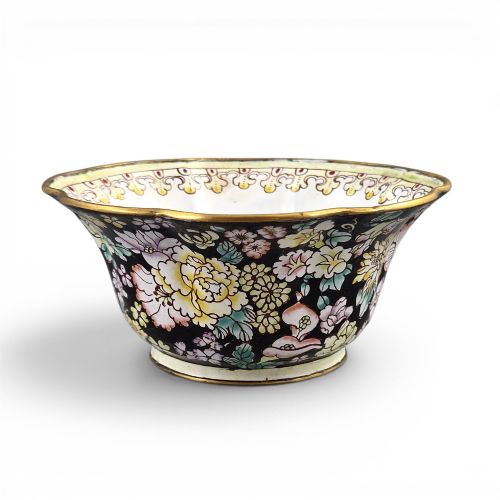
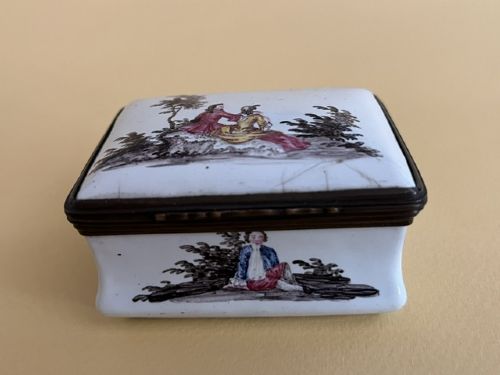
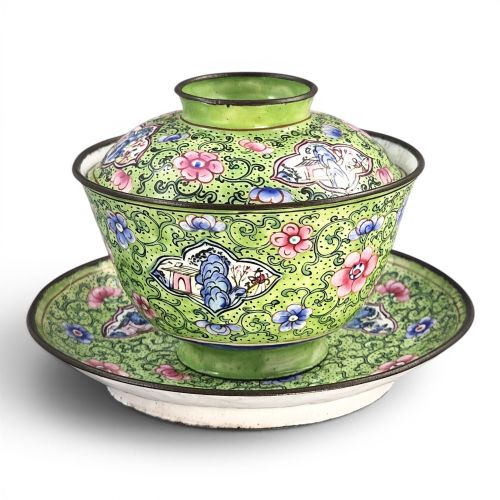
English examples predominantly take the form of snuff boxes, patch boxes, trinket boxes and curtain tie backs originating from the Georgian period. Chinese pieces include bowls, gaiwan tea sets, jardinières and vessels from the Qing dynasty, particularly the Qianlong and Guangxu periods. French items appear as plaques and salt bowls spanning the 18th to early 20th centuries.
The English boxes typically feature hinged lids decorated with landscape scenes, pastoral figures or mottoes. Chinese items utilise vibrant polychrome enamel palettes often depicting floral or figurative motifs on copper bodies. French plaques and panels present detailed figurative paintings, sometimes drawing inspiration from earlier Renaissance or Baroque styles.
How they were made
The foundational body consists of hammered or formed copper, occasionally mounted with brass, gilt metal or gold leaf fittings. Artisans applied vitreous enamel pastes to the metal surfaces before firing them at high temperatures to fuse the glass powder to the copper.
Details and polychrome designs were hand painted onto the fired enamel surface using metallic oxide pigments. A final kiln firing sealed the painted decoration beneath a glossy protective glaze, sometimes accompanied by gilt metal hinges and mounts.
Listings feature items spanning the 18th, 19th and early 20th centuries, utilising copper, enamel, gilt metal, brass and gold leaf.
What varies in quality
Quality reveals itself in the precision of the hand painting and the complexity of the polychrome palette used on the enamel surface. Finer English boxes and Chinese vessels exhibit crisp brushwork, well-defined figures and minimal pitting or firing bubbles in the glaze.
The metal mounts and hinges also indicate distinction, where substantial brass, gilt metal or gold leaf settings match the refinement of the enamel body. Pieces attributed to specific workshops or renowned centres like Bilston or Canton often demonstrate superior compositional balance and colour saturation.
The Painted Enamel on Copper Glossary
- Enamel
- Vitreous glass paste fused to a metal substrate through kiln firing. This material provides a durable, glossy coloured surface for detailed painting.
- Bilston
- An English town in Staffordshire known for producing 18th century enamelled copper boxes. These items include small patch boxes and snuff containers.
- Canton
- A Chinese production centre for export wares during the Qing dynasty. Items from here frequently feature vibrant painted enamels on copper bases.
- Gaiwan
- A traditional Chinese lidded bowl used for brewing tea. These sets combine a saucer, bowl and lid, often decorated in colourful enamel.
- Plaque
- A flat or slightly curved enamel panel designed for wall hanging or inset mounting. They frequently showcase detailed figurative paintings after historical artworks.
Painted Enamel on Copper: Frequently Asked Questions
How do I clean enamel on copper?
Dust these items gently with a soft, dry cloth to remove surface particles without scratching the glaze. Avoid harsh chemical cleaners or submersion in water, particularly where metal mounts or gilt leaf are present.
Protect the fragile glass surface from drops or impacts against hard tabletops. Proper placement away from direct sunlight preserves the vibrancy of the painted pigments.
How do I tell English from Chinese pieces?
English pieces from the 18th century typically appear as small hinged boxes with pastel landscapes or pastoral figures. Their copper bases often feature white enamel interiors beneath the lid.
Chinese Qing dynasty items generally present as larger bowls, jardinières or tea vessels featuring dense floral motifs and vivid polychrome enamel work.
What is a Limoges plaque?
Limoges plaques are enamelled copper panels originating from the French city renowned for glasswork traditions. They often depict detailed portraits or historical scenes in rich tonal palettes.
These works draw inspiration from Renaissance and Baroque styles, functioning as standalone art pieces or decorative insets for furniture and frames.