
Qing Dynasty Metalwork
These pieces of qing dynasty metalwork are cast vessels, figures, and censers embodying centuries of imperial tradition and scholarly taste.
Qing Dynasty Metalwork
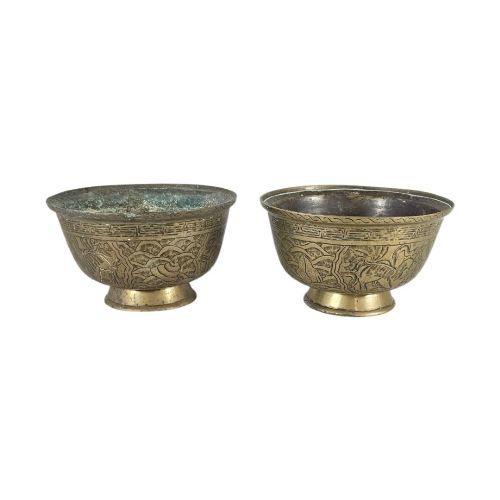
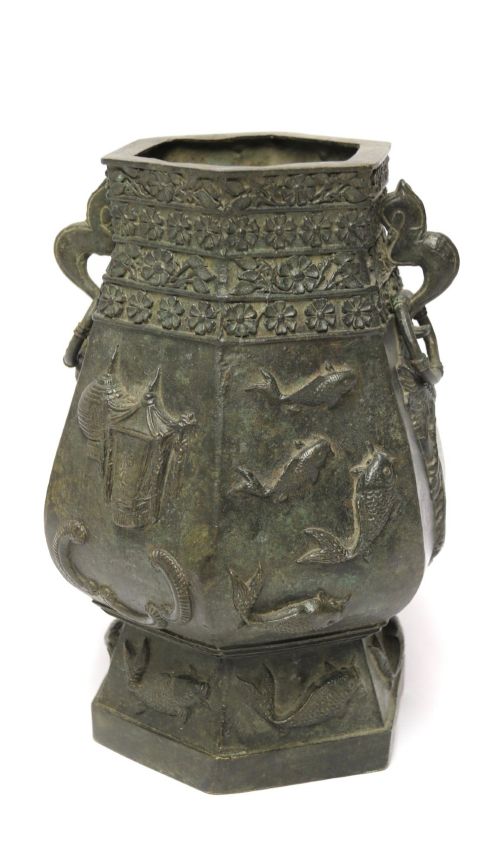
When you search for qing dynasty metalwork, you encounter ritual vessels, scholar's studio items, and decorative figures spanning the seventeenth century through the early twentieth century. The selection leans heavily toward late nineteenth-century pieces, including tripod censers, handled vases, and animal sculptures.
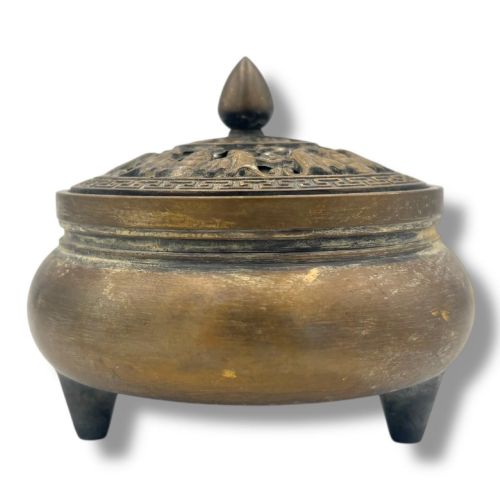
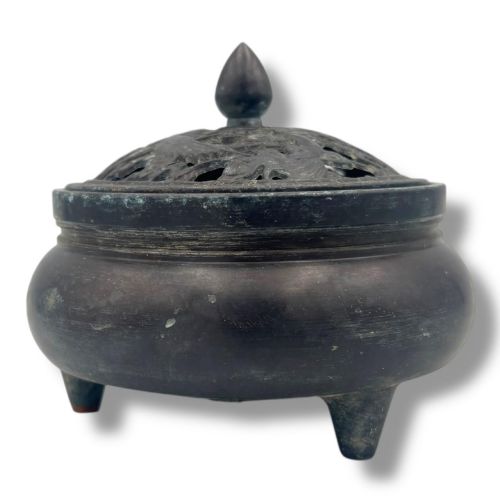
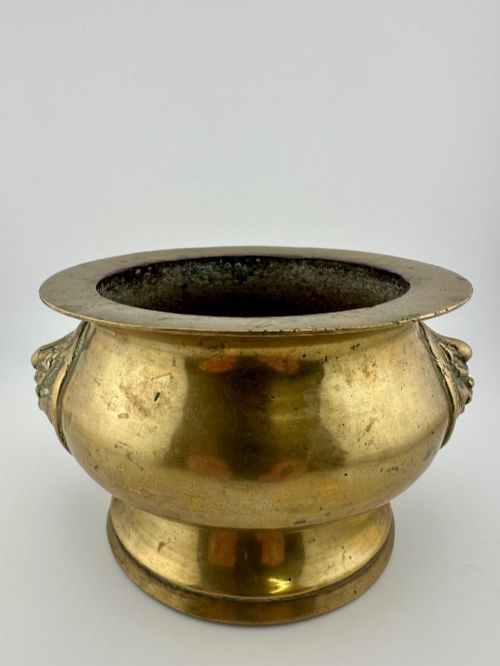
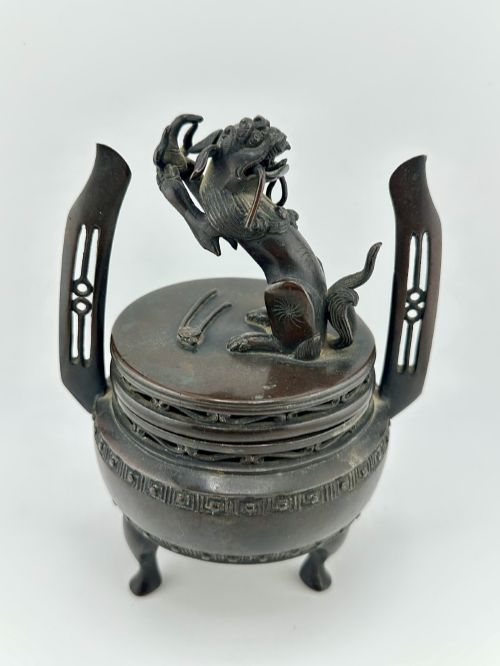
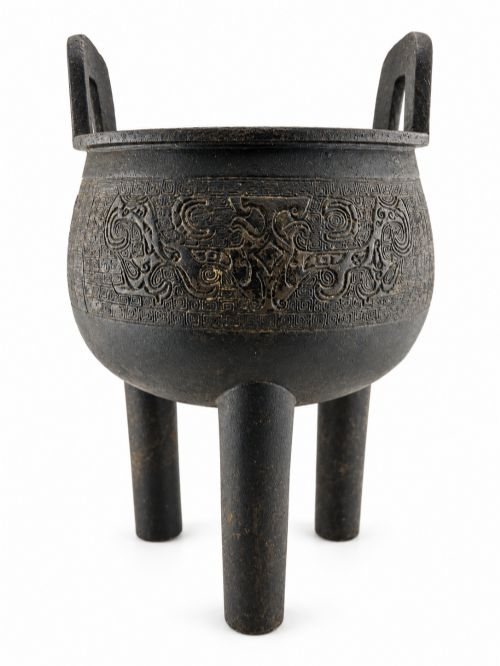
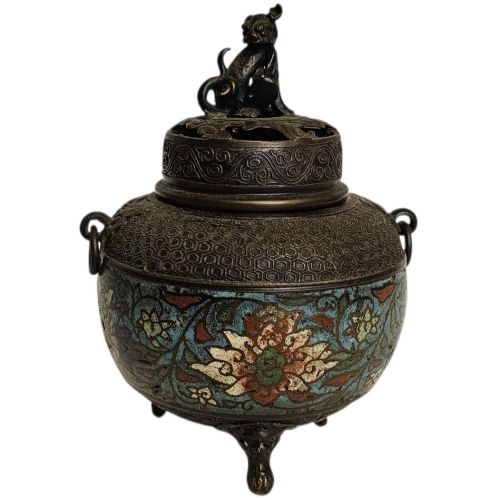
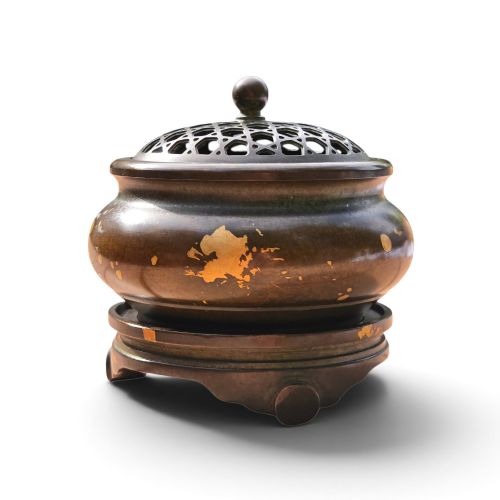
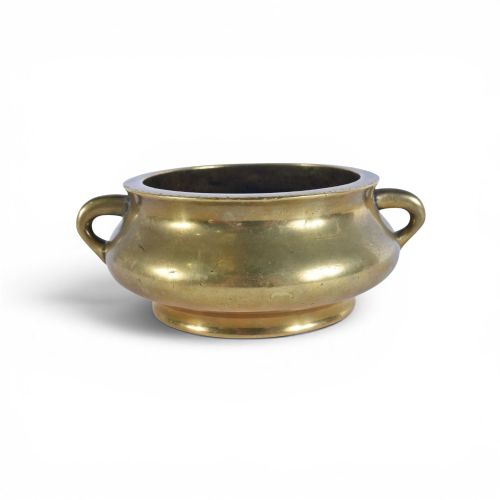
Tripod incense burners form the core of what appears in daily browsing, often decorated with lion mask handles, qilin finials, or taotie motifs. Alongside these utilitarian ritual forms, buyers frequently find cloisonne enamel vessels and scholar's desk accessories reflecting traditional Chinese aesthetics.
Objects range from small cast bronze figures of immortals and animals to monumental vases weighing several kilograms. The forms draw directly on archaic bronzes, interpreted through the distinct craftsmanship of the Qing period.
How qing dynasty metalwork was made
Casting forms the primary structural technique, utilising bronze, brass, and copper to achieve heavy vessels with integrated handles and detailed surface reliefs. Metalworkers employed lost-wax casting alongside traditional sectional mould methods inherited from earlier dynasties.
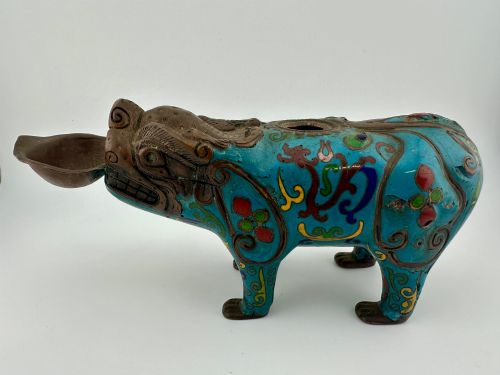
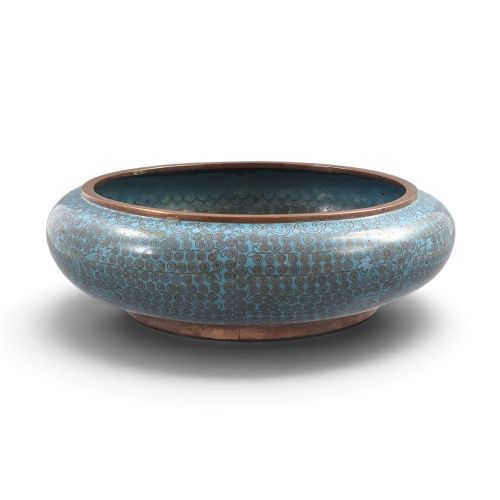
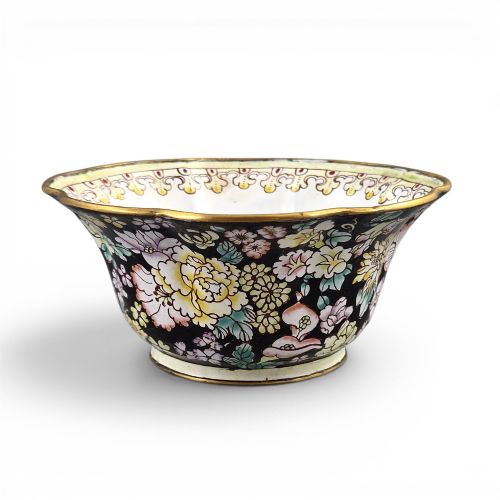
Surface enrichment defines much of the work, combining cloisonne and painted champleve enamel with parcel-gilt highlights and gold-splashed patination. Artisans applied vitreous enamel pastes within soldered wire cells on copper and bronze bodies before firing and polishing.
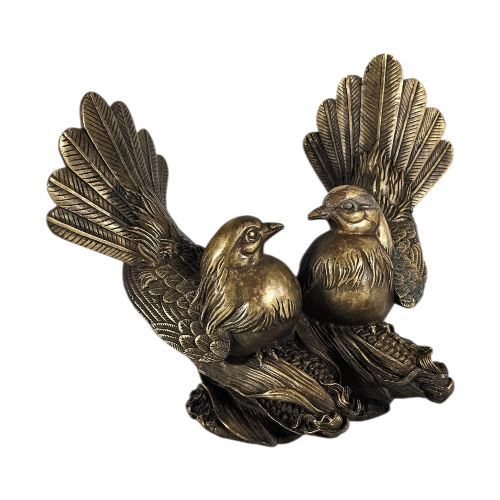
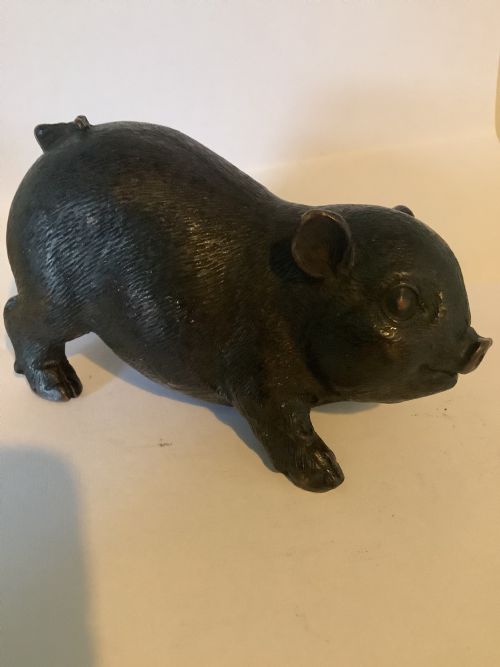
Among the solemn ritual vessels and mythical beasts, several bronze figures of pigs and doves remind us that Qing artisans delighted in domestic humour.
What varies in quality in qing dynasty metalwork
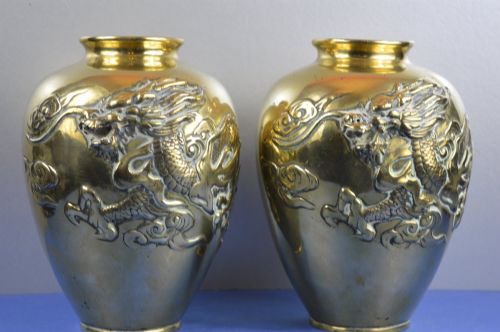
Weight and metal density distinguish substantial scholar's pieces from lighter commercial wares, with heavier cast bronzes offering greater definition in relief decoration. The crispness of chased details, such as dragon scales or feather work on bird figures, separates standard production from finer studio output.
The application of patination and enamel work dictates visual success, where controlled gold-splashing or evenly fused cloisonne cells demonstrate superior workshop standards. Marks relating to earlier reigns, such as Xuande or specific maker signatures, reflect the historical aspiration of the piece rather than uniform execution.
Wu Bangzuo
The Qing Dynasty Metalwork Glossary
- Censer
- A vessel designed for burning incense during rituals or within a scholar's studio. These typically feature tripod supports, pierced lids, and zoomorphic handles.
- Cloisonne
- A decorative metalwork technique where enamel paste is applied within compartments created by soldered flat metal wires. The piece is then fired and polished smooth.
- Archaistic
- A stylistic approach where later makers consciously imitate the forms, motifs, and patination of ancient Shang and Zhou dynasty bronzes. This revival style was highly favored by Qing emperors and scholars.
- Taotie
- A stylized, symmetrical zoomorphic mask motif frequently cast onto the sides of ritual bronze vessels. It originates from ancient Chinese art and signifies protection and authority.
- Xuande mark
- An imperial reign mark associated with the early Ming dynasty that later makers frequently applied as a tribute to historical excellence. Its presence denotes style and heritage rather than a strict production date.
Qing Dynasty Metalwork: Frequently Asked Questions
What is a bronze censer used for?
These vessels served primarily to burn aromatic incense in domestic shrines, temples, or scholar's studies during quiet contemplation. The perforated lids allowed fragrant smoke to escape evenly into the room.
Over time, many of these utilitarian objects became prized decorative items collected for their sculptural qualities and association with traditional scholarly pursuits.
How do I distinguish eighteenth-century pieces from nineteenth-century ones?
Earlier pieces from the eighteenth century often display heavier casting, refined gold-splashed patination, and deeper integration of archaic motifs. Nineteenth and early twentieth-century examples frequently incorporate brighter cloisonne enamels and varied surface treatments.
Examining the crispness of the relief work and the specific composition of the bronze alloy provides further clues to the manufacturing period.
What are Xuande marks on bronzes?
Xuande marks refer to the grand Ming dynasty reign period celebrated for exceptional bronze casting. Later Qing workshops frequently stamped these marks onto censers as an expression of quality and respect for historical tradition.
Consequently, the presence of this mark indicates the stylistic ambition of the object rather than literal production during the fifteenth century.
How should I clean antique bronze and brass?
Antique metalwork benefits from gentle dusting with a soft, dry cloth to preserve the natural patination built up over centuries. Avoid commercial metal polishes, abrasive cloths, and liquids that strip away historical surfaces.
Keeping pieces away from excessive moisture and direct sunlight helps maintain the stability of both the metal and any applied enamel work.