
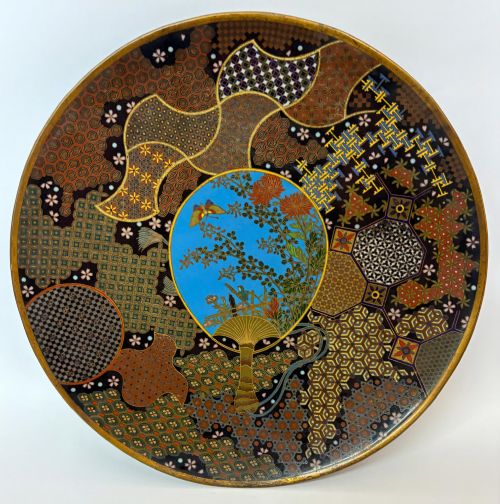


Antique Cloisonne Dish
An antique cloisonne dish brings intricate wirework and brilliant enamel into your home, offering a glimpse into master Japanese metalwork.
What an antique cloisonne dish is
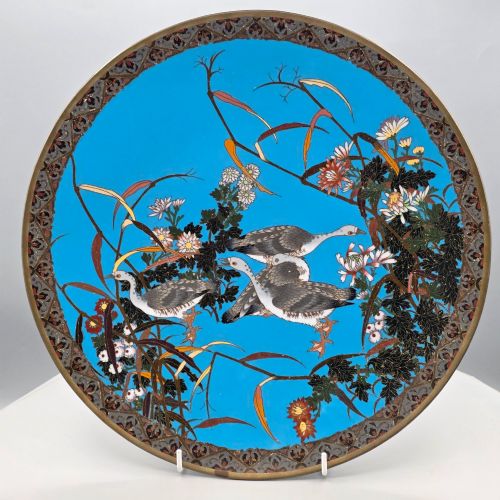
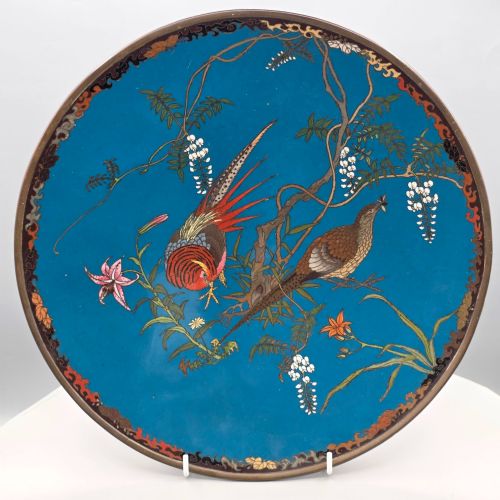
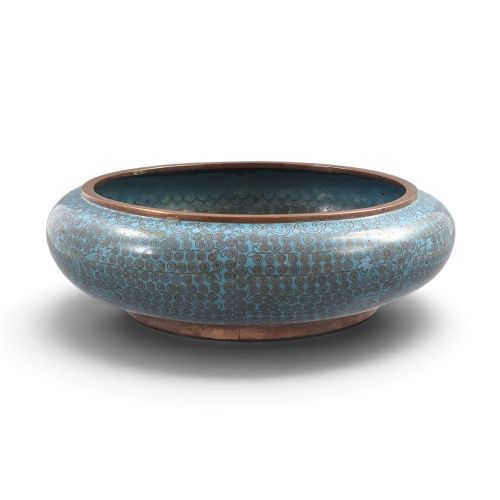
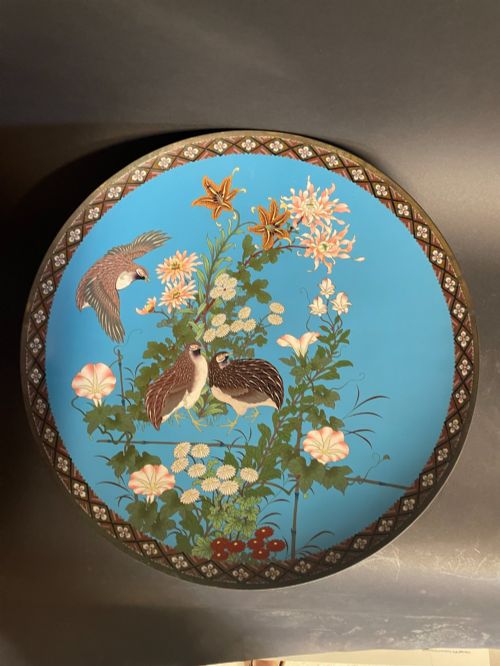
When you search for an antique cloisonne dish, you encounter decorative chargers, trays, and plates originating from Japan during the Meiji and Edo periods. These pieces serve primarily as ornamental displays rather than utilitarian tableware, often showcasing considerable scale such as large chargers spanning forty-four centimetres.
The objects displayed on this page heavily feature Japanese Meiji period craftsmanship, spanning from the middle of the nineteenth century through to nineteen hundred. Forms vary from traditional decorative plates to specialised trays depicting leaping koi, alongside large chargers adorned with mythical birds and religious figures.
How they were made
Artisans construct these items using copper, bronze, or brass as the foundational metal body, shaping them into plates, trays, and deep chargers. They then apply fine brass wire or silver wire to the surface to map out intricate designs such as geese, dragons, and phoenixes.
The compartments formed by the metal wires are filled with enamel and fired multiple times to fuse the glass paste to the metal base. Skilled polishing completes the process, creating a smooth, gleaming decorative surface where the metal cloisons outline every pictorial detail.
Retail Price Guide 2026
Typical UK retail prices for cloisonne dish, calculated from the Sellingantiques database of over a million retail prices indexed since 2003. This retail price guide relies exclusively on Sellingantiques data; no external sources or auction records are used, so the figures do not describe the wider market.
Some chargers measure up to forty-four centimetres, proving that Victorian mantelpieces certainly enjoyed dramatic, oversized Japanese poultry.
What varies in quality
The refinement of the wirework largely distinguishes the finer examples from simpler production, with thinner, more complex cloisons demanding greater mastery. Precision in forming detailed motifs like feathers, scales, and religious iconography elevates certain plates and chargers above standard decorative items.
Depth of colour and the absence of flaws in the fired enamel surface also dictate the standing of a piece. Superior execution in the contrasting metallic lines and vibrant pigments yields a more commanding visual presence across nineteenth-century Japanese examples.
The Antique Cloisonne Dish Glossary
- Cloisonne enamel
- A decorative metalwork technique where enamel paste is applied within compartments created by soldered wires. This method defines the primary surface ornamentation of the pieces.
- Charger
- A large ornamental plate or dish intended for display rather than serving food. These items often feature elaborate pictorial scenes.
- Meiji period
- A historical Japanese era spanning from eighteen sixty-eight to nineteen twelve, noted for exceptional decorative arts. Much of the metalwork and enamel from this time reaches high artistic standards.
- Ho-o bird
- A mythical phoenix motif frequently depicted in Japanese decorative arts. It symbolises auspicious occasions and appears prominently on large enamel chargers.
Frequently Asked Questions
What is an antique cloisonne dish?
An antique cloisonne dish is a decorative metal plate or tray decorated with soldered wires and coloured enamel. These objects originate largely from nineteenth-century Japan.
They function as wall or cabinet displays rather than dining utensils, showcasing intricate pictorial scenes of nature and mythology.
How are these dishes displayed?
These items typically rest on specialised stands or hang securely on walls to showcase their detailed enamel work. Their generous size makes them focal points in a room.
Proper placement avoids direct sunlight to protect the coloured glass enamels from fading over extended periods.
How do I date a cloisonne dish?
Dating relies on stylistic clues, construction materials, and historical periods such as the Meiji or Edo eras. Evidence from wire types and subject matter aids the process.
Nineteenth-century pieces often display specific colour palettes and intricate brass or silver wire configurations characteristic of Japanese workshops.
What motifs appear on these dishes?
Common decorative subjects include dragons, leaping koi, geese, Buddhas, and the mythical ho-o bird. These themes carry auspicious meanings.
Floral elements and natural landscapes also frequently fill the compartments created by the metal wire framework.