

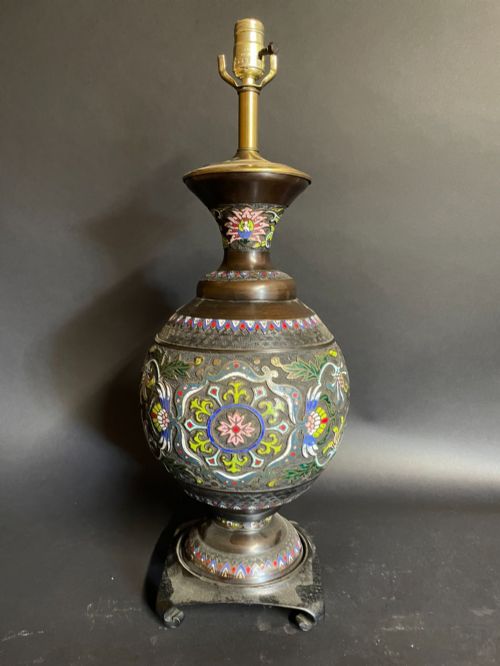


Antique Japanese Cloisonne
Antique japanese cloisonne pieces are intricate enamel vessels and chargers that bring remarkable depth and metalwork artistry to any interior.
Antique Japanese Cloisonne
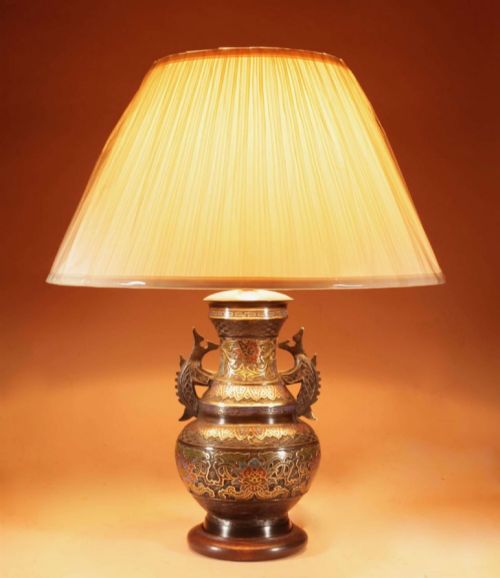
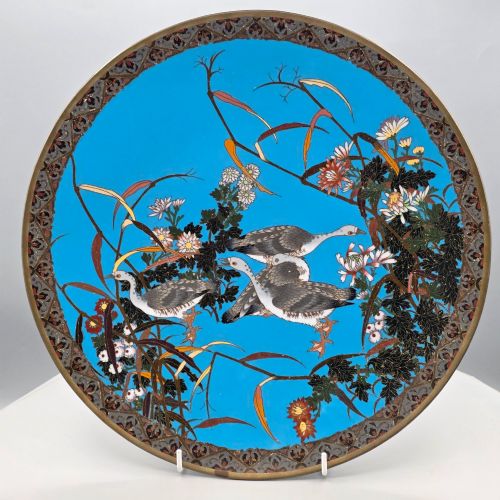
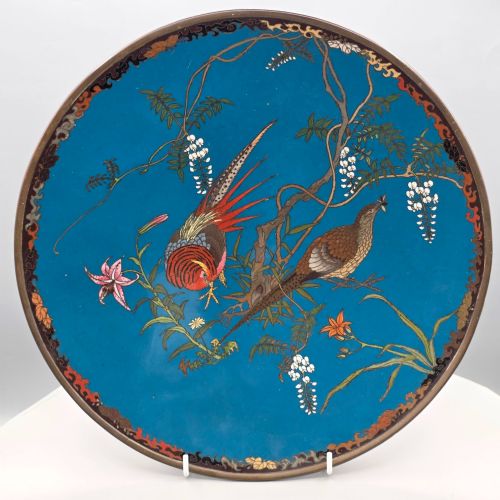
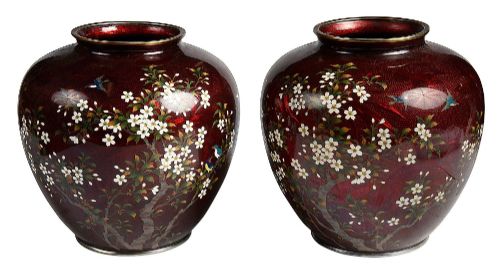
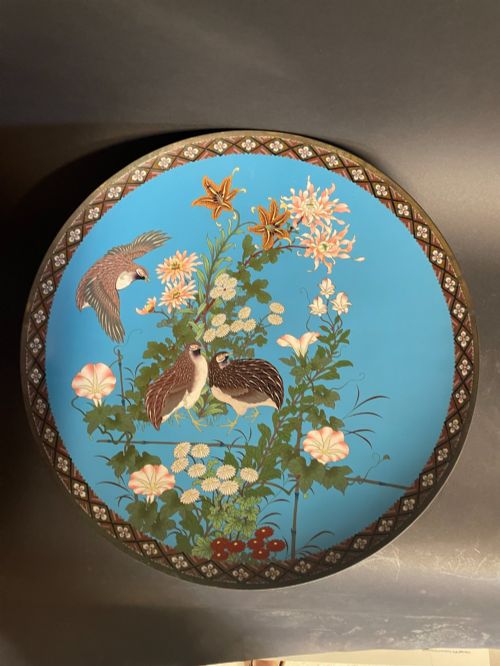
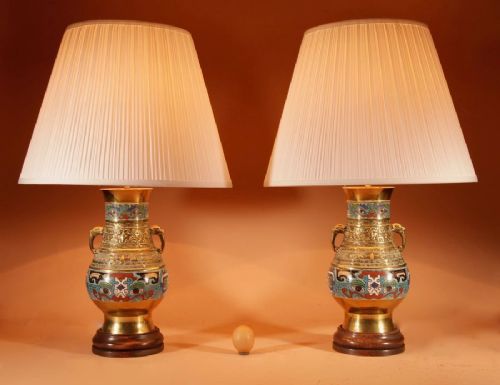
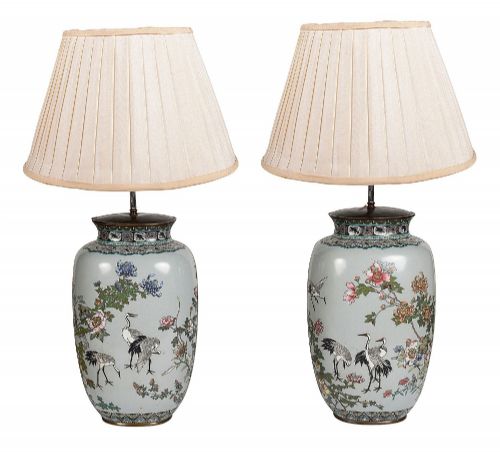
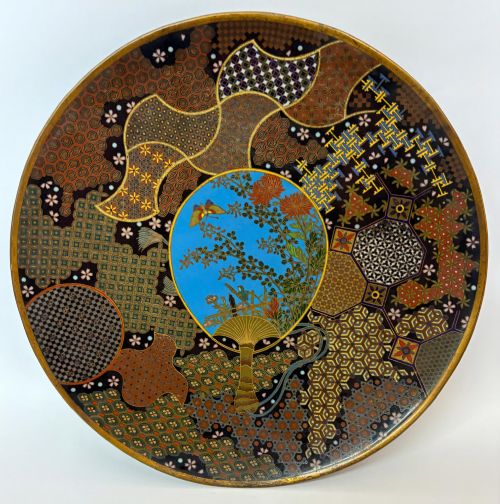
When looking at antique japanese cloisonne, you encounter decorative chargers, vases, plates, and trays originating primarily from the Meiji period and the late nineteenth century. These items manifest in various forms, from large display dishes depicting birds and landscapes to smaller vessels and jewellery boxes.
The objects frequently display characteristic motifs such as dragons, chrysanthemums, phoenixes, and Mount Fuji, executed with meticulous detail on copper, brass, or bronze bodies. Many pieces survive from the peak production decades of the late Victorian era through the early twentieth century.
Materials and construction
The foundational body is typically formed from copper, brass, or bronze, occasionally utilising porcelain bases known as totai shippo, upon which thin metal wires are soldered to create outlined compartments. Artisans then fill these cellular networks, or cloisons, with coloured enamel pastes before firing the piece in a kiln.
After repeated firings and polishings to achieve a smooth finish, specialised techniques such as ginbari incorporate textured foil beneath translucent enamel to create shimmering, patterned backgrounds.
Antique Japanese Cloisonne Retail Price Guide 2026
Typical asking prices for japanese cloisonne among the pieces listed under this phrase on Sellingantiques today, from the lower quarter to the upper quarter. They describe what is for sale here now, not the wider market.
Listings feature copper, brass, and bronze bodies decorated with intricate enamel wires across various forms including chargers, vases, and trays.
Differentiating quality levels
The finest examples demonstrate extraordinary precision in the wirework, where lines remain perfectly uniform and microscopic cells delineate complex avian or floral subjects without distortion. Lower tiers often show thicker, simpler wire outlines and less subtlety in the colour gradations of the enamel infill.
Masterpieces from this tradition achieve a remarkable harmony between the metallic framework and the vitreous pastes, whereas ordinary production items display standard decorative patterns with less complexity in the shading and composition.
Ando Jubei·Ando Musen·Tamura Yukio
The Antique Japanese Cloisonne Glossary
- Cloisonne
- Enamelwork in which coloured pastes are contained within compartments formed by soldered flat wires on a metal base. This technique creates a stained-glass effect on solid surfaces.
- Meiji Period
- The era of Japanese history lasting from 1868 to 1912, noted for rapid industrialisation and the flourishing of decorative arts exported globally. Most traditional metalwork and enamel pieces date from this span.
- Champleve
- An enamelling technique where troughs or cells are carved or cast directly into the metal surface rather than built up with wires. The depressions are then filled with enamel before firing.
- Ginbari
- A Japanese method applying patterned or textured metal foil beneath a translucent enamel layer to produce a reflective, textured ground. It is frequently seen under green or red enamels.
- Totai Shippo
- Wire cloisonne enamel applied over a porcelain body rather than a traditional metal base. This technique produces delicate ceramic vessels with standard metalwork surface decoration.
Antique Japanese Cloisonne: Frequently Asked Questions
How do I clean antique japanese cloisonne?
Dust these enamel surfaces gently with a soft, dry cloth to prevent accumulation in the wire recesses. Avoid liquid cleaners or chemical polishes, as moisture can penetrate hairline fractures in the old enamel.
Keep the items away from direct sunlight and extreme temperature fluctuations to protect the metal foundations and vitreous pastes from stress.
What is ginbari enamel?
Ginbari is a specialised technique where textured metal foil is applied to the vessel before a translucent enamel layer goes on top. This method creates a patterned background that glimmers beneath the coloured surface.
It is most commonly found on high-quality vases and requires considerable skill to execute without damaging the delicate foil layer.
Are all pieces marked by makers?
Many fine items remain unmarked, as artisans often produced works for export houses without individual signatures. Signature marks typically appear as small metallic tablets or incised characters on the base.
Identifying a piece relies primarily on the quality of the wirework, the weight of the metal, and the complexity of the enamel design rather than the presence of a signature.
How do I date a piece?
Dating depends on stylistic markers, such as the naturalistic motifs favoured during the Meiji period versus later twentieth-century production methods. The composition of the underlying metal, such as heavy bronze or thinner brass, also provides clues to the era of manufacture.
Archive comparisons and recorded signatures help narrow down the decade of creation for standard chargers and vases.