



Meiji Period Enamel Plate
A meiji period enamel plate brings intricate Japanese craftsmanship into your home through vibrant colours and detailed metalwork.
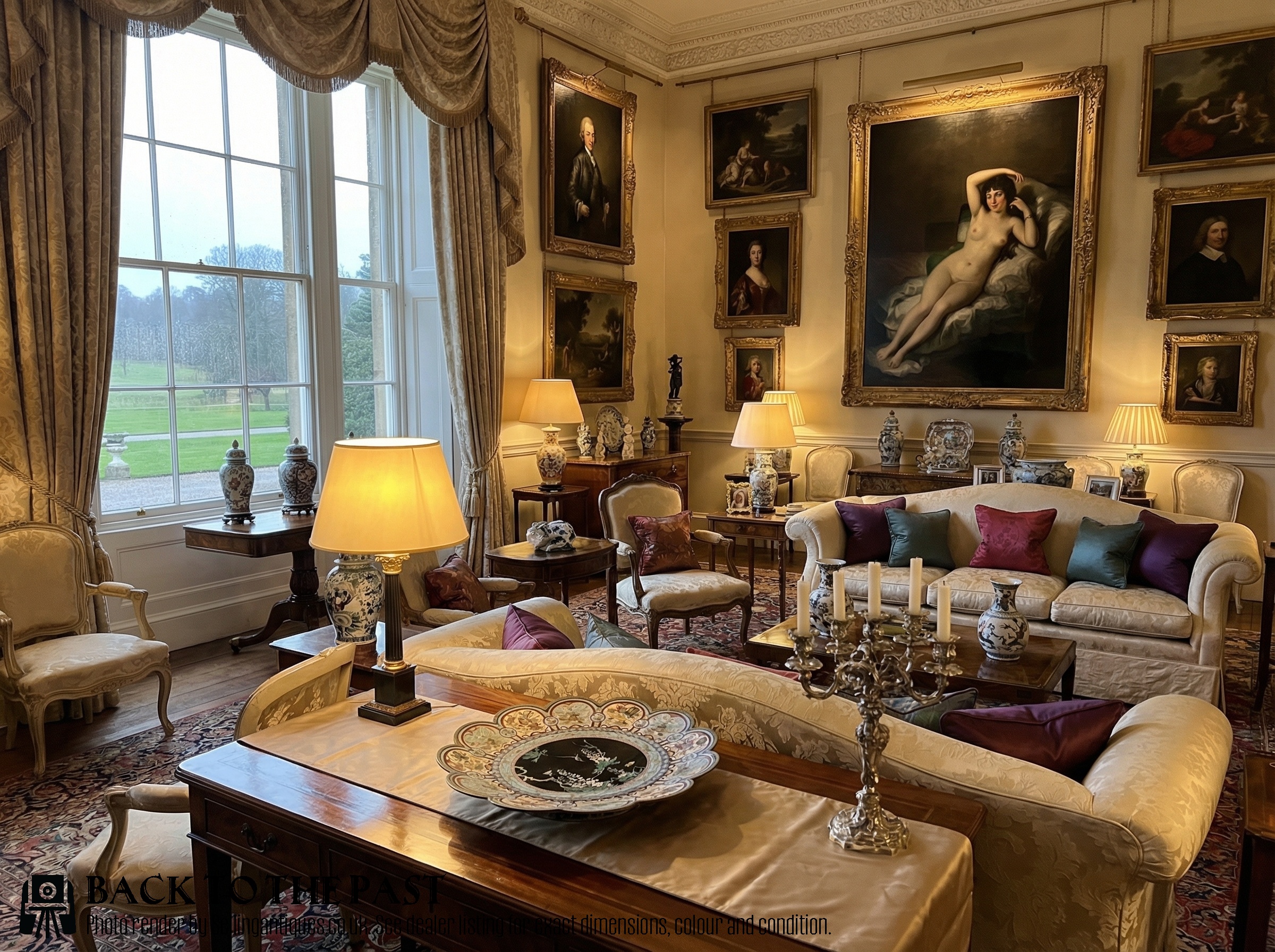
What these pieces are
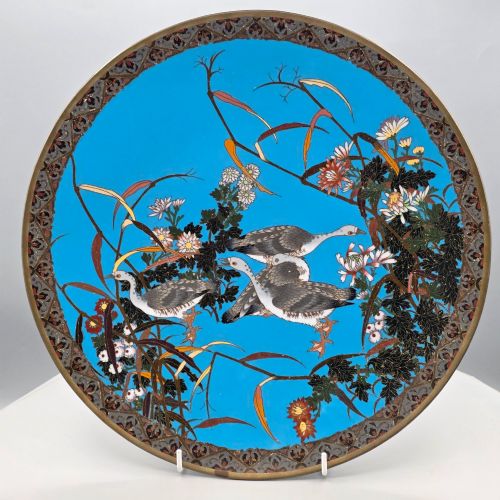
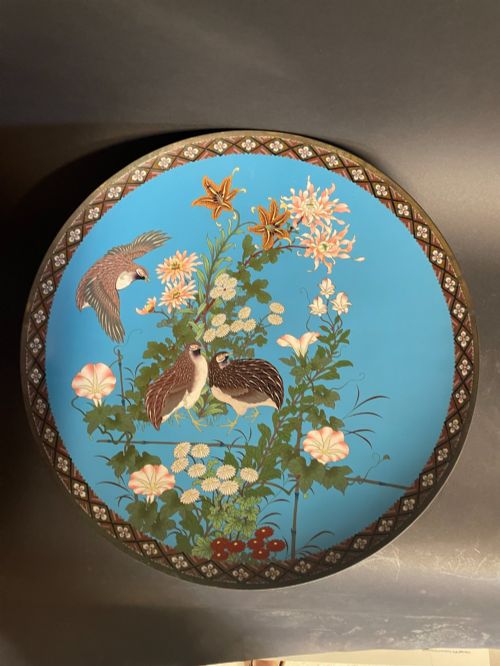
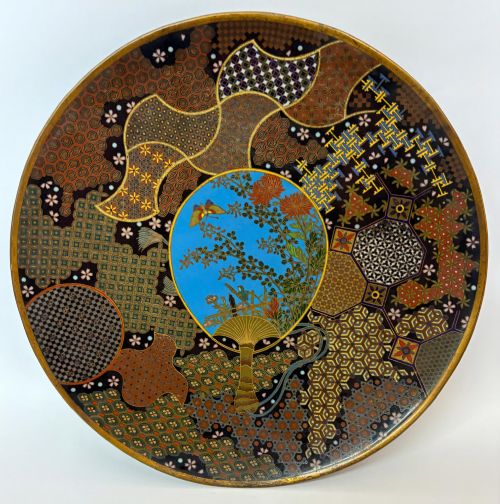
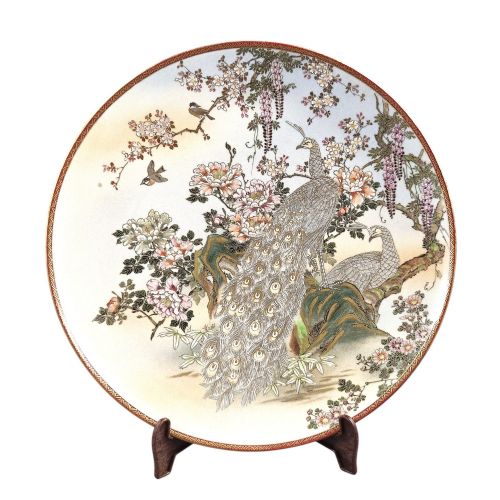
A meiji period enamel plate represents the pinnacle of decorative metalwork produced during the late nineteenth century in Japan. Buyers searching this phrase encounter large decorative chargers, circular plates, and square charger plates designed primarily for display rather than dining.
The objects frequently depict traditional subjects such as dragons, phoenixes, ho-o birds, shrimp, and auspicious symbols. Most examples span the decades between eighteen seventy and nineteen hundred, capturing the height of Meiji period artistry.
Forms range from standard round charger plates to exceptional square variants and large decorative plaques. These substantial decorative items serve as striking focal points when mounted on walls or displayed on stands within a room.
How they were made
The construction relies on a base metal foundation usually formed from copper or bronze. Artisans shape these metals into heavy plates and chargers before applying surface decoration.
Detailed designs are outlined using fine brass or bronze wire soldered to the metal base to create individual cells known as cloisons. These compartments are filled with coloured enamel pastes and fired in a kiln to produce a smooth, vitreous finish.
Retail Price Guide 2026
Typical UK retail prices for meiji period enamel plate, calculated from the Sellingantiques database of over a million retail prices indexed since 2003. This retail price guide relies exclusively on Sellingantiques data; no external sources or auction records are used, so the figures do not describe the wider market.
Current listings feature pieces made from copper, brass, and bronze utilising traditional wirework techniques across the nineteenth century.
What varies in quality
Quality reveals itself in the complexity of the wirework and the precision of the enamel filling. Superior examples display microscopic wire cells and flawless colour transitions that demand exceptional technical mastery.
The ambition of the subject matter further distinguishes finer pieces, with signed works and complex multi-figure compositions like dragons and phoenixes sitting at the upper end of the range.
The Meiji Period Enamel Plate Glossary
- Cloisonne enamel
- A technique where metal wire is soldered to a metal body to form cells that hold enamel paste before firing. This method creates intricate patterns defined by thin metallic lines.
- Charger
- A large decorative plate intended for display on a wall or sideboard rather than practical table service. These substantial vessels provide a wide canvas for complex pictorial designs.
- Ho-o bird
- A mythical phoenix symbolising virtue and grace in Japanese art. It frequently appears alongside dragons and floral motifs on decorative metalwork.
- Meiji Period
- The era in Japanese history spanning from eighteen sixty-eight to nineteen twelve, characterised by openness to Western trade and extraordinary advancements in decorative arts.
Frequently Asked Questions
How were these decorative plates displayed?
These large chargers and plaques were designed primarily as ornamental display pieces for traditional Japanese interiors or Western Victorian homes.
Owners typically mounted them on walls or placed them on heavy wooden stands to showcase the intricate enamelwork.
What motifs appear on Meiji enamel?
Common decorative subjects include mythical dragons, ho-o birds, marine life such as shrimp, and various auspicious symbols.
These naturalistic and mythological themes reflect traditional Japanese artistic values refined during the late nineteenth century.
How do I date a cloisonne plate?
Dating relies on stylistic clues, framing wires, and historical production eras associated with late nineteenth-century Japanese workshops.
Pieces originating from this era are generally attributed to specific decades between eighteen seventy and nineteen hundred based on known manufacturing shifts.
Are these plates meant for food?
These items are strictly decorative works of art rather than functional tableware for serving food.
The delicate wire and glass enamel surfaces require careful handling to preserve their historical condition.