



Antique Asian Decorative Plate
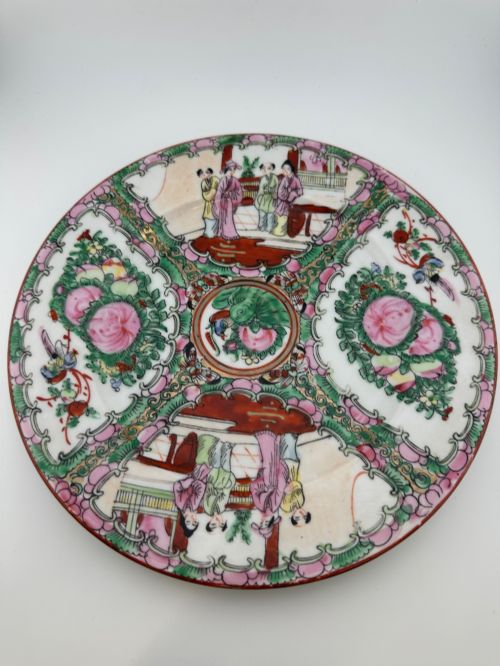
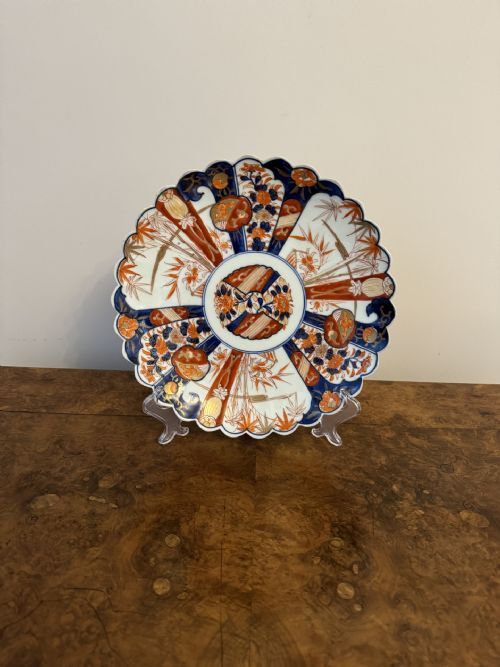
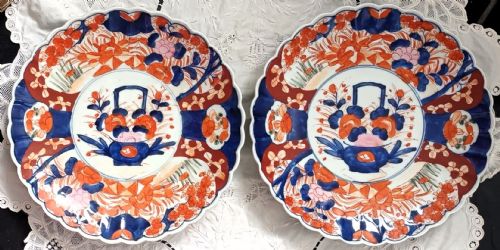
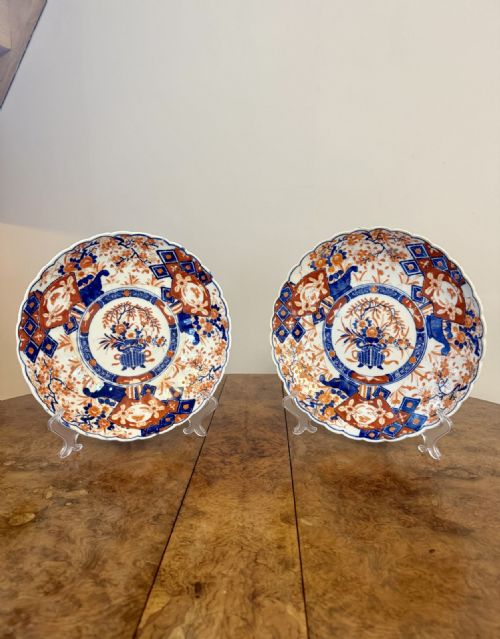
An antique asian decorative plate brings centuries of exacting craftsmanship and intricate hand-painted detail from East Asian kilns and workshops into a room.
Antique Asian Decorative Plate
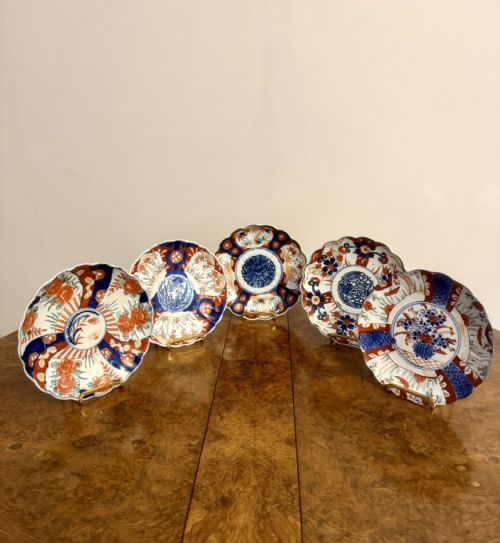
When searching for an antique asian decorative plate, collectors encounter a diverse range of forms including large chargers, smaller dishes, square trays, and wall plaques. These pieces originate predominantly from Japanese and Chinese makers working across the eighteenth, nineteenth, and early twentieth centuries.
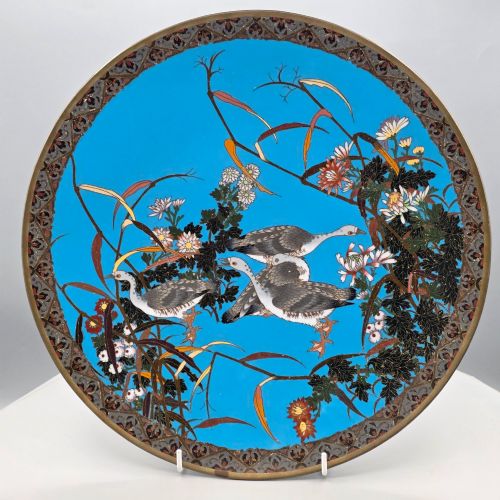
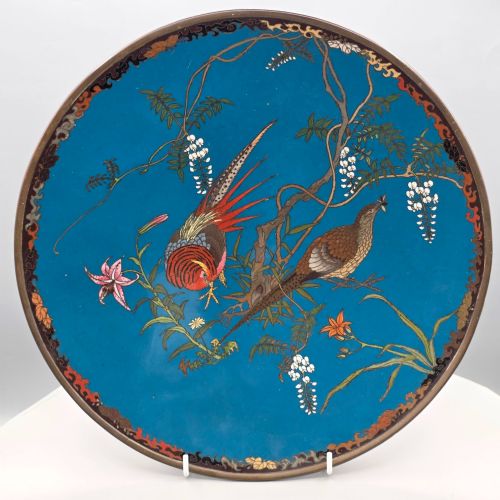
The selections available centre heavily on Japanese Imari porcelain, Meiji period cloisonné enamel chargers, and Chinese export wares. Plates and chargers span a considerable size spectrum, from modest cabinet dishes to substantial wall-hanging platters measuring over thirty centimetres across.
The historical span represented in these objects stretches from the Edo period and Qing dynasty through to the Taisho era. Buyers primarily acquire these items for their rich surface decoration, which ranges from cobalt blue and iron-red porcelain to multi-coloured enamel and metallic inlays.
Materials and construction
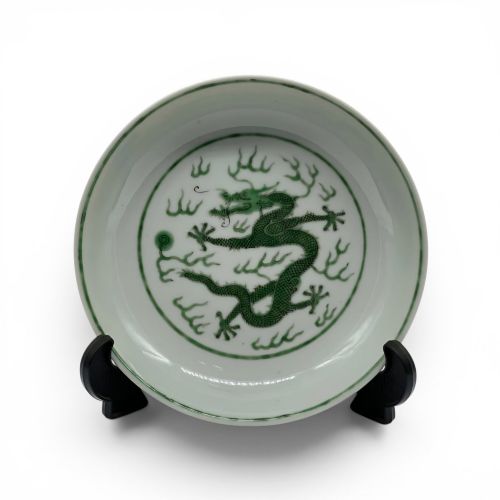
Potters and artisans utilised porcelain, copper, brass, iron, and lacquered wood as foundational bases for these decorative surfaces. Porcelain pieces were shaped, fired in kilns, and hand painted using underglaze blue and overglaze enamel pigments.
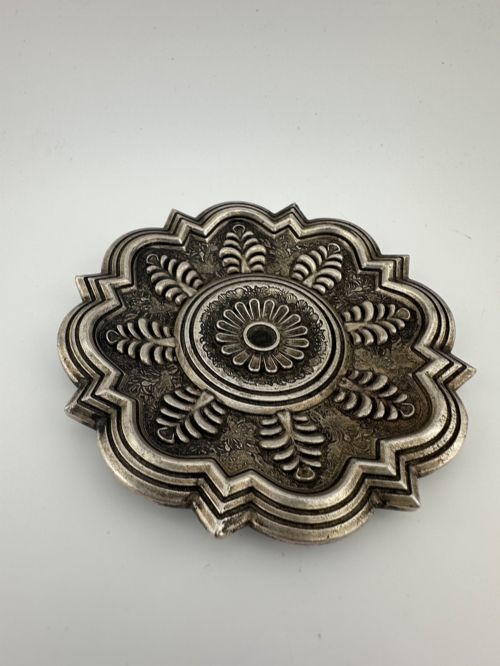
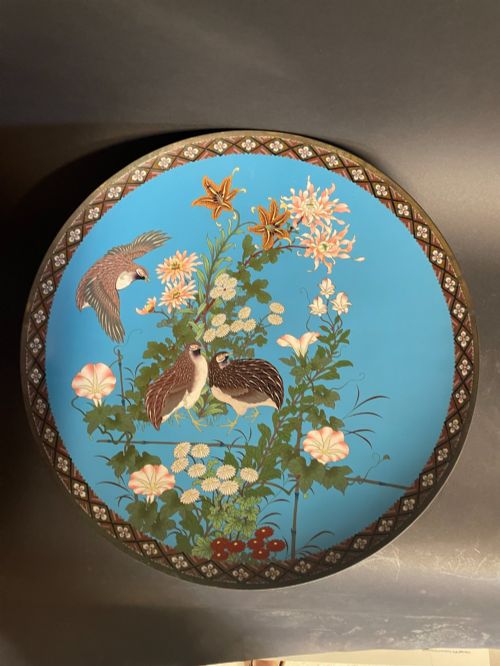
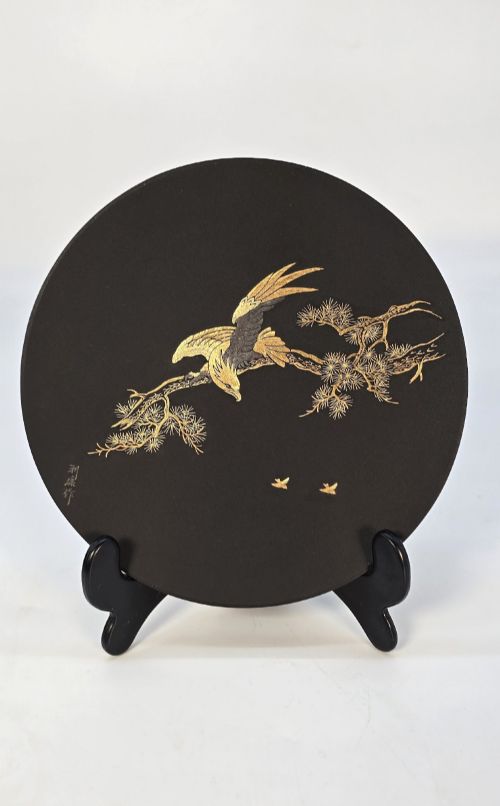
Cloisonne enamel works were constructed by soldering fine metal wires onto copper or brass plates to form cellular compartments, which artisans then filled with coloured glass pastes before firing and polishing. Metal items also frequently incorporated surface embellishments of gold and silver inlay, alongside patinated finishes.
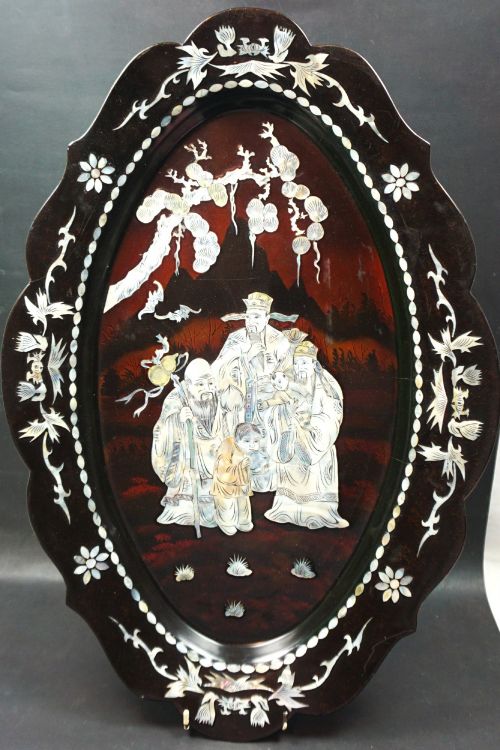
Lacquered wood platters and trays involved the meticulous application of numerous tree sap layers, often inlaid with mother of pearl to create luminous pictorial scenes of nature and mythology.
Listings feature works spanning the eighteenth century through to the early twentieth century, utilising porcelain, cloisonne enamel, brass, and lacquered wood.
Assessing execution and design
Quality in these decorative items is determined by the precision of the hand painting, the complexity of the composition, and the fineness of the metalwork. Pieces featuring deeply detailed narrative scenes, such as historical figures, dragons, and complex avian subjects, demonstrate a higher tier of artisan skill than simpler geometric patterns.
In cloisonne wares, the thinness and regularity of the wirework alongside the evenness of the enamel polish distinguish masterwork trays from standard production pieces. Similarly, porcelain dishes show variation in the crispness of the underglaze cobalt painting and the vibrancy of the accompanying gold leaf and enamel highlights.
The depth of the patination on metal items and the structural integrity of mother of pearl inlays on lacquered wooden platters also dictate the overall standard of preservation and artistic merit.
Koshida
The Antique Asian Decorative Plate Glossary
- Imari
- A style of Japanese porcelain decorated in underglaze blue, iron red, and gold, named after the port from which these goods were shipped to Europe. This palette became immensely popular across the West during the nineteenth century.
- Cloisonne
- A decorative metalwork technique where thin wires are soldered to a metal body to create cells that hold coloured enamel pastes. Artisans then fire and polish the surface until smooth.
- Charger
- A large decorative plate or platter traditionally used for display rather than dining. These substantial pieces often feature elaborate pictorial or symmetrical border designs.
- Meiji Period
- The era of Japanese history lasting from 1868 to 1912, marked by the reopening of trade with the West and a flourishing of decorative arts. Works from this period show exceptional technical refinement.
- Qianlong Mark
- An imperial reign mark applied to Chinese porcelain and metalwork, denoting connection to the era of the Qianlong Emperor. Such marks often appear on high-status export wares.
- Arita
- A Japanese town and production centre renowned for its porcelain manufacturing history. Artisans here produced wares that heavily influenced subsequent styles across Japan and Europe.
Antique Asian Decorative Plate: Frequently Asked Questions
How were decorative chargers used?
Large chargers were rarely utilised for serving food at the table, instead serving as ornamental display pieces placed on sideboards, mantelpieces, or mounted directly onto walls.
Wealthy households displayed these large porcelain and metal platters to showcase imported craftsmanship and artistic wealth to visiting guests.
How do I care for antique enamel plates?
Clean these surfaces gently with a dry or very slightly damp microfiber cloth to remove dust without disturbing delicate wirework or glazes.
Keep pieces away from direct sunlight and excessive moisture fluctuations to protect vulnerable materials like lacquer, gold leaf, and traditional enamels.
What is the difference between Imari and Kutani?
Imari wares rely on a distinct palette of cobalt blue, iron red, and gold leaf on porcelain, often featuring intricate floral and brocade patterns.
Kutani porcelain typically displays bolder pictorial scenes rendered in heavier, vibrant overglaze enamel colours, frequently highlighting natural subjects and figures.
Are these plates meant for daily dining?
These historical items are strictly intended for decorative display and collection rather than practical culinary use.
Historic glazes, metallic inlays, and delicate enamel surfaces can easily sustain permanent scratching or chemical damage if exposed to food and routine washing.