




Antique Asian Charger Plate
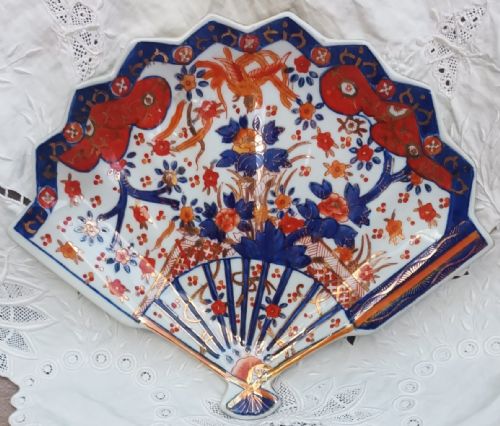
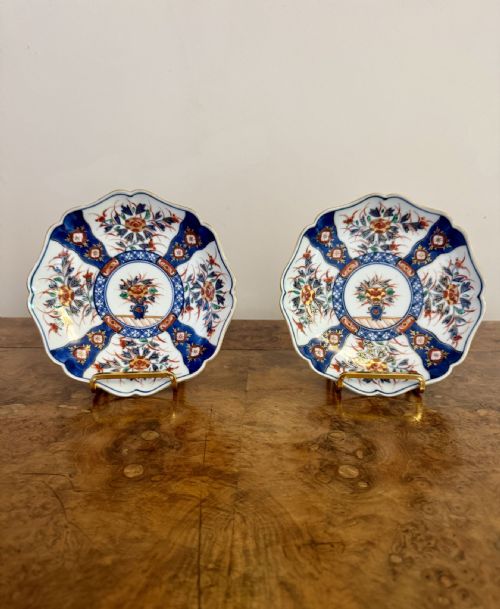
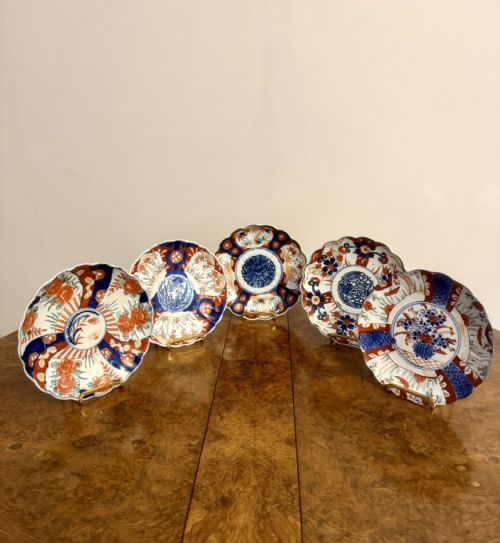
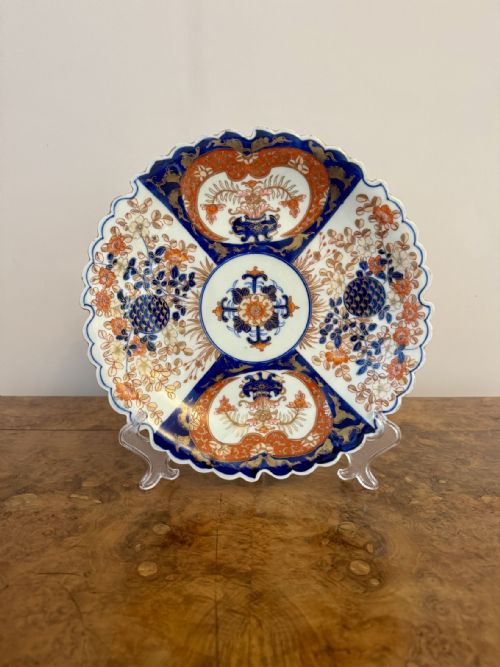
An antique asian charger plate brings centuries of hand-painted porcelain, rich enamel and intricate metalwork directly into your dining room or hallway.
Antique Asian Charger Plate
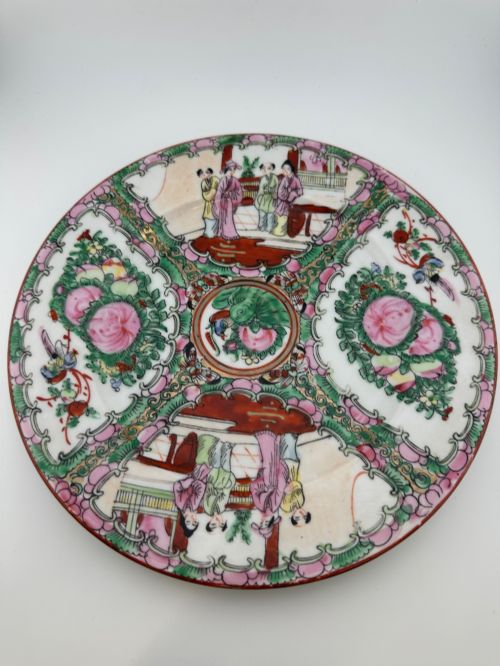
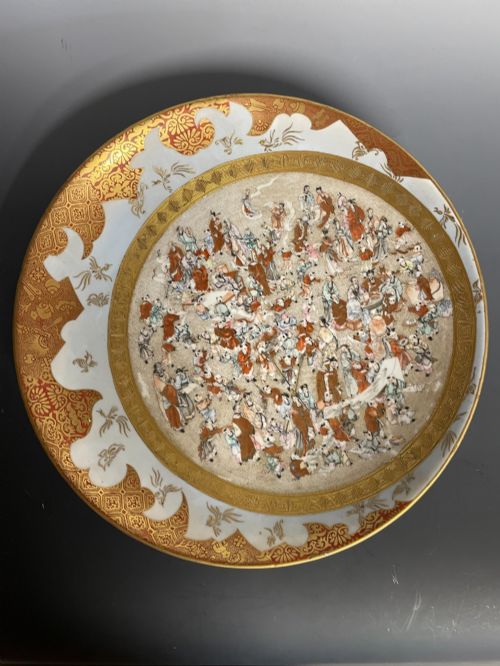
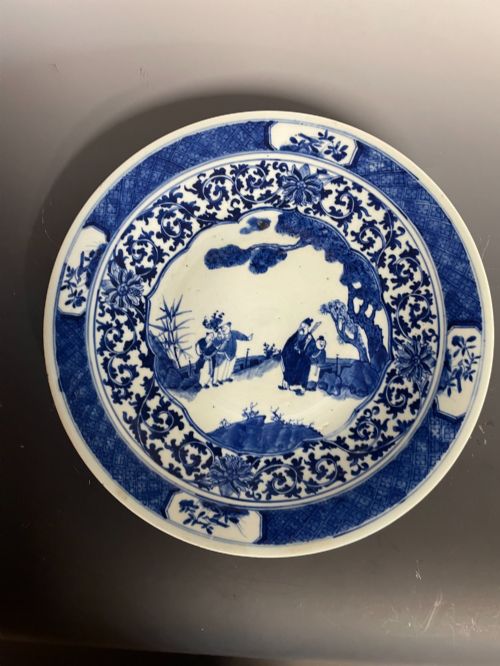
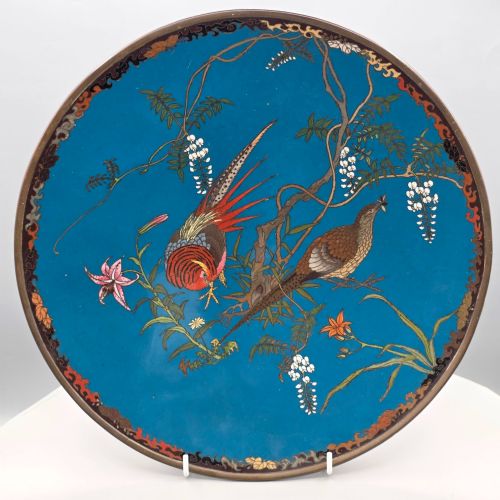
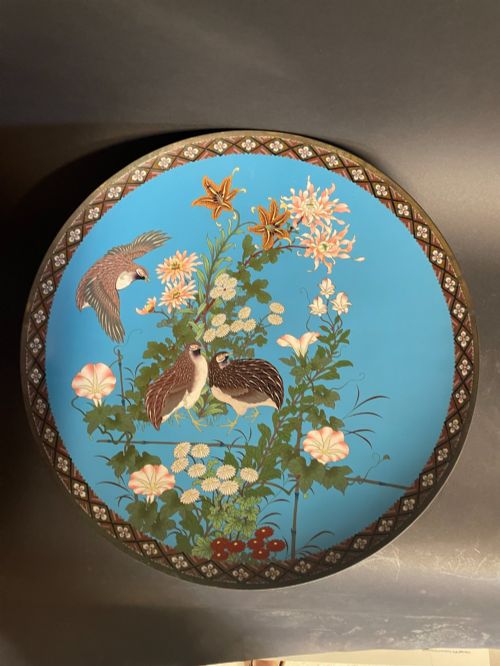
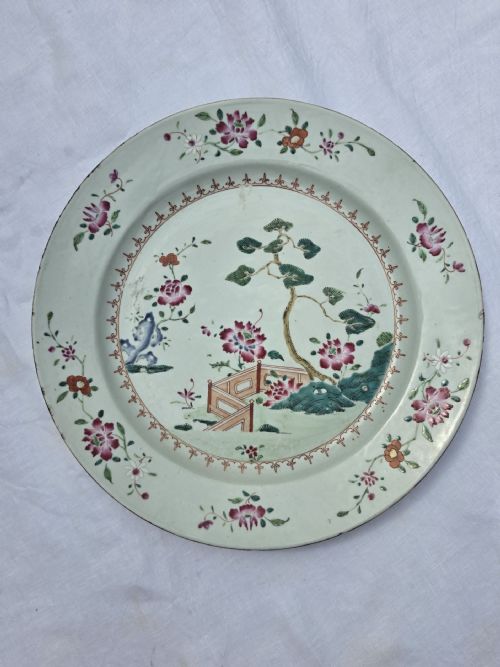
When you search for an antique asian charger plate, you encounter large decorative dishes and platters originating mainly from Japanese and Chinese workshops. The selection on this page centres heavily on Japanese Meiji period production alongside Chinese export porcelain.
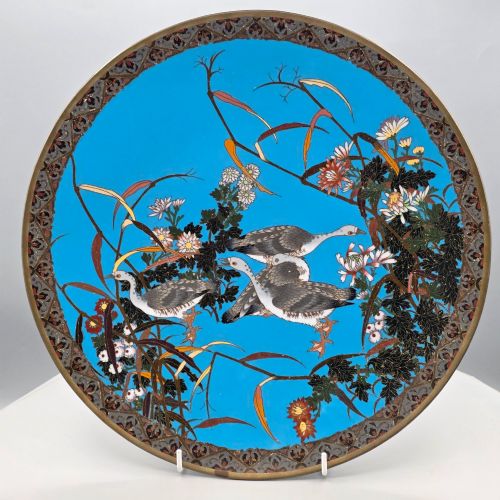
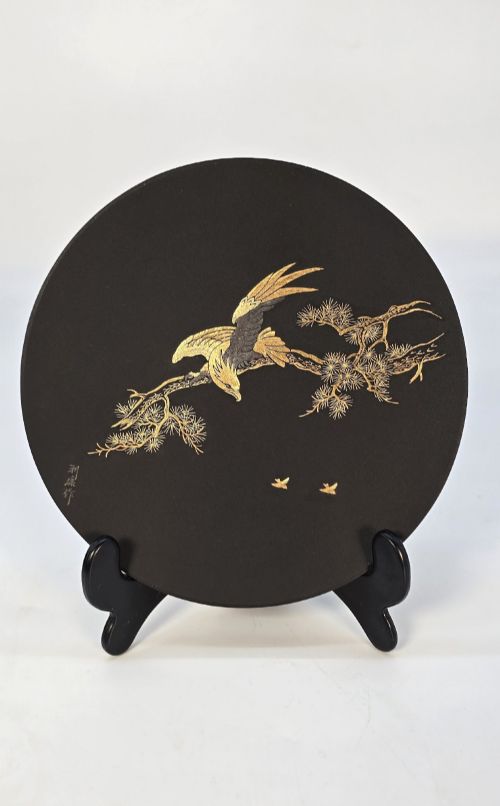
Forms span from wide porcelain chargers and shallow dishes to square trays and patinated iron plaques. Pieces frequently display traditional motifs such as birds, koi, phoenixes and deities across nineteenth and early twentieth century dates.
How they were made
Maker workshops utilised porcelain clay, copper bodies and iron bases, applying coloured glaze, enamel and gold leaf by hand. Cloisonne examples required delicate wire soldered to metal surfaces to contain vibrant enamels before firing and polishing.
Potters and painters combined underglaze blue, hand-painted polychrome pigments and gold or silver inlay techniques. Artisans achieved varied textures through patination on metal plaques and intricate hand-painting on Kutani and Satsuma ceramics.
What varies in quality
Quality rests upon the precision of the hand-painting, the complexity of the subject matter and the crispness of wirework in cloisonne pieces. Masterpieces show exceptional detail in depictions of figures, plumage and natural scenery.
The depth of the glaze, the richness of the gold leaf and the weight of the underlying porcelain or metal distinguish standard production from exceptional works. Finer items exhibit superior balance, control of colour and harmony in composition.
Koshida
The Antique Asian Charger Plate Glossary
- Charger
- A large decorative plate or platter intended for display rather than everyday dining. These wide surfaces provided artisans ample space for elaborate pictorial scenes.
- Cloisonne
- A technique where metal wires are soldered to a copper body to create cells that hold enamel pastes. Firing and polishing produce a smooth, patterned decorative finish.
- Imari
- A style of Japanese porcelain featuring a distinctive palette of underglaze blue, iron red and gold. These wares gained immense popularity across export markets.
- Kutani
- A style of Japanese coloured porcelain known for vibrant pictorial designs. Pieces often incorporate dense patterns and extensive use of gold pigments.
- Meiji Period
- The era in Japanese history spanning from eighteen sixty-eight to nineteen twelve. This period marked a peak in fine metalwork, cloisonne and ceramic export production.
Antique Asian Charger Plate: Frequently Asked Questions
What is an antique asian charger plate used for?
These large plates served primarily as decorative display pieces on walls, sideboards or tables rather than functional tableware. Their substantial size allowed workshops to showcase detailed artistic scenes.
Today, collectors use them to introduce rich colour, cultural history and traditional craftsmanship into modern interior settings.
How do I identify a Meiji period piece?
Meiji period items date between eighteen sixty-eight and nineteen twelve, aligning with an era of exceptional craftsmanship in Japan. Evidence points toward high-detail cloisonne enamel, Kutani porcelain and Imari plates from this timeframe.
Look for meticulous hand-painting, precise wirework in cloisonne, and stylistic motifs featuring nature, mythology and traditional figures.
What is the difference between Imari and Kutani?
Imari porcelain relies on a characteristic palette of deep underglaze blue combined with iron red and gold highlights. Designs often incorporate symmetrical patterns, florals and birds.
Kutani ceramics typically feature bolder, more pictorial enamel work with dense overall patterns and extensive use of gold leaf across varied plate forms.
How should I display a charger plate?
Because these items are substantial in diameter, they require sturdy plate stands or secure wall-mounting hardware designed for heavy porcelain and metal. Position them away from direct sunlight to protect enamel colours and gold leaf.
Allow enough surrounding wall or shelf space for the detailed patterns and motifs to stand out without visual clutter.