


19th Century Japanese Enamel
These 19th century japanese enamel pieces span the Meiji and Edo periods, bringing detailed metalwork and vibrant colour into modern interiors.
19th Century Japanese Enamel
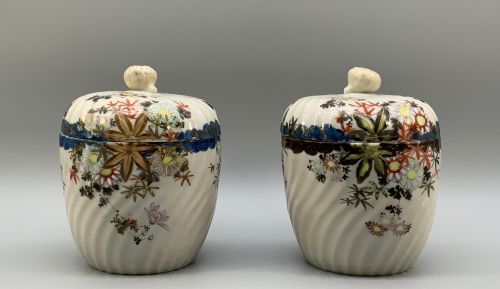
When you search for 19th century japanese enamel, you encounter a variety of decorative forms originating from the Meiji and Edo periods. The selection on this page centres on decorative chargers, large palace vases, lidded jars, and bowls displaying traditional motifs.
Vessels and wall chargers often depict natural subjects such as leaping koi, dragons, phoenixes, and birds amongst branches. Alongside these larger display items, smaller objects like netsuke and lidded pedestal bowls appear from earlier mid-century decades.
The objects reflect distinct stylistic shifts over the century, moving from earlier Edo period works to the elaborate output of the Meiji era. Many pieces combine enamel work with bronze, copper, or porcelain structures to create substantial display items.
How They Were Made
The primary technique relies on cloisonné enamel, where thin metal wires are soldered onto copper, brass, or bronze bases to form individual cells for coloured glass pastes. These cells are packed with enamel, fired in a kiln, and ground down to a smooth surface before final polishing.
Certain items employ Totai Shippo, a method where enamel is applied directly over a porcelain body or onto a textured tree bark ground rather than plain metal. Artisans also utilised champlevé techniques on wood and bronze elements for smaller objects like netsuke.
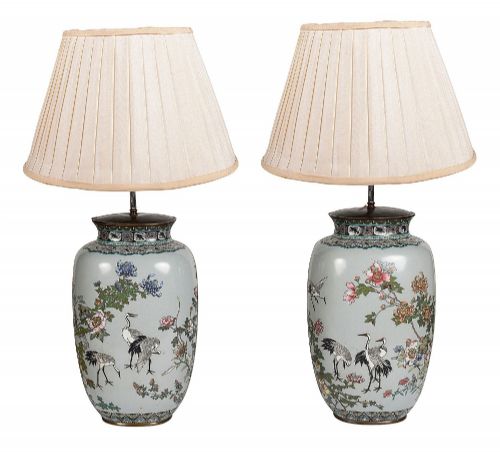
Mounts in ormolu occasionally supplement larger vases and lamps, while porcelain forms receive painted floral decoration alongside glazed surfaces. The combination of metal alloys, glass enamels, and carved wood dictated the structural weight and finish of each object.
19th Century Japanese Enamel Retail Price Guide 2026
Typical asking prices for 19th century japanese enamel among the pieces listed under this phrase on Sellingantiques today, from the lower quarter to the upper quarter. They describe what is for sale here now, not the wider market.
Shrimps, leaping koi, and fierce dragons populate the metal cells, proving that nineteenth-century artisans possessed a wonderful sense of scale.
What Varies in Quality
Quality in these enamels rests upon the precision of the wirework and the control of the firing process. Superior examples demonstrate microscopic thinness in the metal partitions and absolute uniformity across extensive colour fields.
The complexity of the subject matter and the ambition of the scale heavily influence the distinction between standard and master works. Large palace vases, massive temple water dispensers, and massive chargers with intricate dragon or koi scenes demand exceptional technical execution.
Signatures on pieces indicate workshops and makers operating at the highest levels of Meiji period production. Greater depth of tone, balanced compositions, and flawless integration of the enamel into the metal base elevate individual items.
François Eugène Rousseau
The 19th Century Japanese Enamel Glossary
- Cloisonné
- An enamel technique involving metal wires soldered to a base to create cells filled with coloured paste. These wires define the outlines of dragons, birds, and floral motifs.
- Totai Shippo
- A method where enamel is applied over a porcelain body or textured ground. This technique creates the appearance of cloisonné upon ceramic surfaces.
- Charger
- A large ornamental plate designed for display rather than dining use. These pieces often feature central animal or avian motifs framed by elaborate borders.
- Meiji Period
- The era in Japanese history spanning from 1868 to 1912. Production during this time is characterised by ambitious scale and intricate decorative detail.
- Edo Period
- The period preceding the Meiji era, running from 1603 to 1868. Surviving enamel works from this time often exhibit distinct archaic styling.
- Champlevé
- A technique where troughs or cells are carved directly into a metal or wood surface to hold enamel paste. It appears frequently on smaller items like netsuke.
19th Century Japanese Enamel: Frequently Asked Questions
How were these enamel pieces used originally?
Large chargers and palace vases served as prominent display items in traditional Japanese interiors, signalling the status and taste of the household. Temple water dispensers and lidded jars fulfilled both ceremonial functions and high-end decorative roles during the Edo and Meiji periods.
Over time, many of these vessels were exported to Western markets, where collectors prized them as symbols of exotic craftsmanship. Today, pieces like table lamps and bowls continue to function primarily as focal decorative objects in residential spaces.
How do I tell Meiji period pieces from Edo period pieces?
Meiji period items generally exhibit greater scale, vivid colour palettes, and highly intricate wirework depicting naturalistic scenes like leaping koi or dragons. The liberal use of signatures and a shift toward elaborate export production characterise this later era.
Edo period pieces tend to show more restrained palettes, archaic forms, and simpler structural designs. Examining the weight, metal composition, and style of the cloisonné partitions helps establish the chronological shift.
Can I convert these vases into lamps safely?
Many large vases and jars were mounted as lamps during the nineteenth and twentieth centuries to suit contemporary European interiors. When housing existing lamp conversions, ensure the internal wiring meets modern standards without altering the antique ceramic or metal body.
Retaining the original ormolu mounts and enamel integrity preserves the historical value of the piece. Professional handling ensures the vessel remains undamaged during any electrical updates.
What is Totai Shippo?
Totai Shippo is a specialised technique where enamel is applied over a porcelain or earthenware core rather than a standard metal base. This allows the object to retain the tactile appearance of porcelain while displaying intricate wire cloisonné patterns.
Pieces utilising this method often feature textured grounds mimicking tree bark beneath the enamel layers. The result is a hybrid object bridging ceramic traditions and metalwork techniques.