






Antique Asian Display Plate
An antique asian display plate brings intricate hand-painted ceramics and rich metalwork into a room.
Antique Asian Display Plate
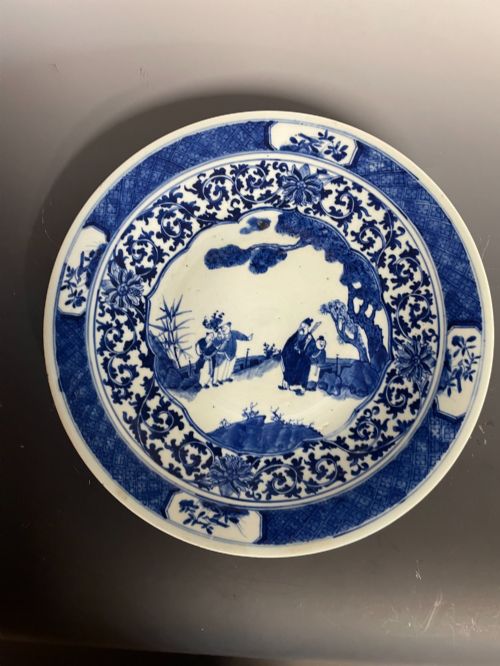
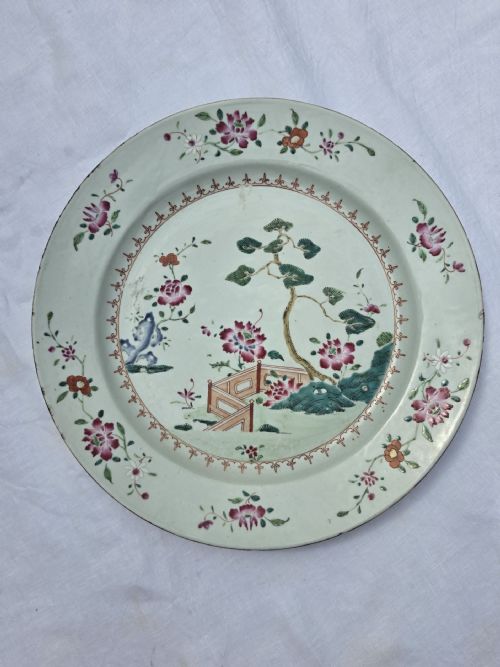
When searching for an antique asian display plate, collectors encounter substantial chargers and decorative dishes originating from Japanese and Chinese workshops. These vessels span multiple eras, including the Meiji period, Qing dynasty, and Edo period.
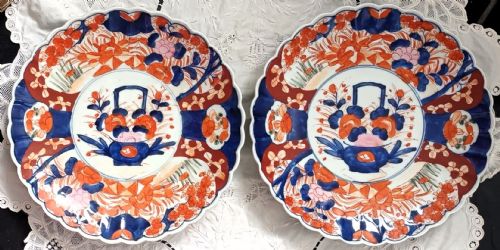
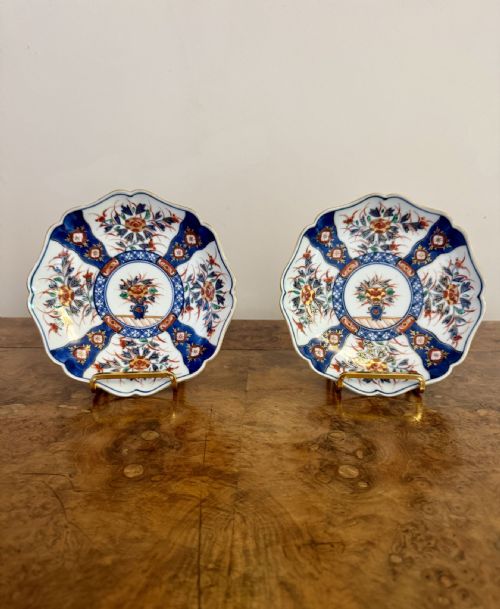
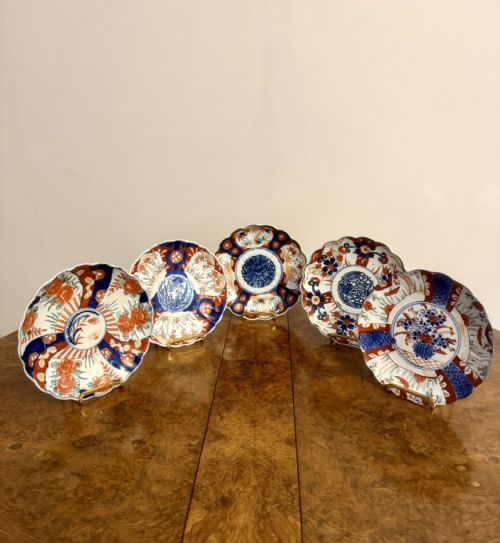
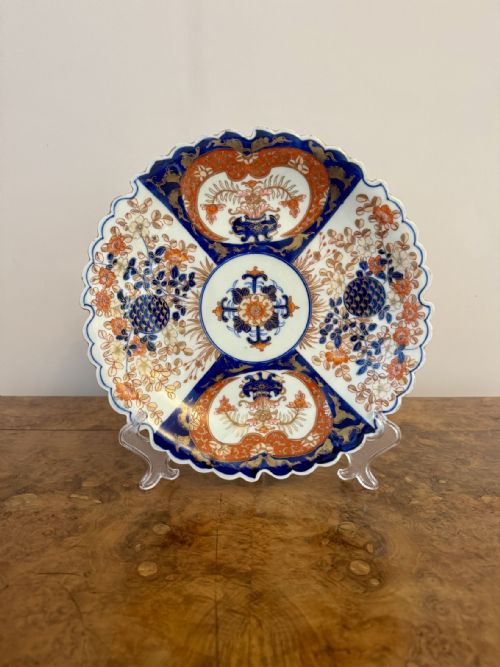
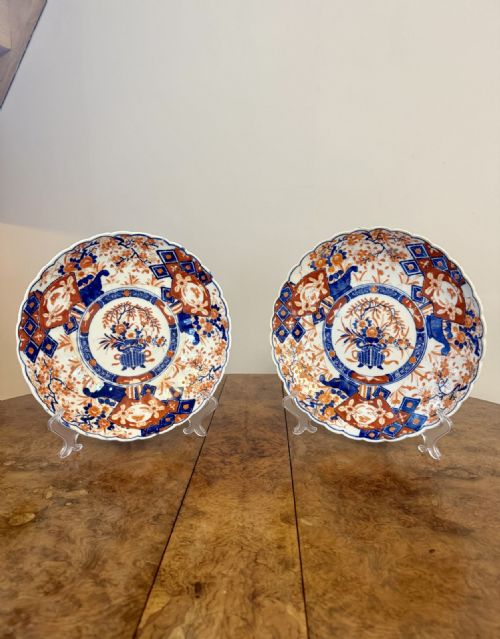
Japanese Imari porcelain examples dominate the selection, often featuring deep blue and iron red pigments alongside gilt highlights. Alongside these ceramics, metalwork trays and enamel chargers show diverse traditional motifs such as exotic birds, koi, and floral scrolls.
Forms range from standard round chargers and scalloped plates to square, shell, and fan-shaped dishes designed specifically for visual presentation rather than everyday dining.
Materials and Construction
Potters shaped these pieces from fine porcelain and celadon clays, applying underglaze blue and overglaze enamel colours by hand. Gilding and gold leaf frequently accent the painted surfaces, adding metallic brilliance to intricate pictorial scenes.
Metal vessels utilise copper or brass foundations decorated with cloisonne enamel, where thin wire partitions hold coloured vitreous pastes in place before firing and polishing.
Listings feature traditional Japanese Imari porcelain alongside Chinese export pieces, cloisonne enamel chargers, and celadon dishes spanning several centuries.
Distinctions in Execution
Superior examples separate themselves through the precision of hand-painted brushwork and the complexity of the decorative composition. Master artisans achieved tighter enamel control, more harmonious colour balances, and sharper line work on both porcelain and cloisonne surfaces.
The depth of the modelling, the crispness of moulded floral scrolls on celadon dishes, and the evenness of the glaze application determine the standing of an individual piece within its period.
Koshida
The Antique Asian Display Plate Glossary
- Imari
- A style of Japanese porcelain decorated in underglaze blue, iron red, and gold, named after the port from which the wares were shipped. These plates often display dense geometric and floral patterns.
- Cloisonne
- A metalwork technique where flat wires are soldered to a copper base to create compartments filled with enamel paste. The surface is then fired and polished smooth.
- Charger
- A large ornamental plate used traditionally for display rather than for serving food at the table. They measure significantly wider than standard dining plates.
- Celadon
- A type of green-glazed pottery originating in China, characterised by thick translucent glazes that often mimic jade. Early examples frequently feature moulded floral decoration beneath the glaze.
- Famille Rose
- A palette of Chinese porcelain enamels dominated by opaque pink or rose colours introduced during the Qing dynasty. Pieces in this style utilise a wide range of soft-toned overglaze pigments.
Antique Asian Display Plate: Frequently Asked Questions
How were display plates used?
These large dishes and chargers served primarily as decorative objects for display on walls, cabinets, or sideboards rather than for dining purposes. Wealthy households utilised them to showcase fine craftsmanship and artistic motifs.
Their substantial size and intricate pictorial themes made them focal points in interior decoration across various periods.
How do I identify Imari porcelain?
Imari porcelain is readily distinguished by its characteristic palette combining underglaze cobalt blue with vibrant iron red and supplementary gilding. The designs typically incorporate dense brocade patterns, flowers, and birds.
Plates from this tradition span the Edo and Meiji periods, maintaining consistent stylistic traits in their hand-painted decoration.
What is cloisonne enamel?
Cloisonne involves applying thin metal wires to a copper body to form raised cells that are subsequently filled with coloured enamel pastes. The object undergoes firing and grinding to create a smooth, patterned decorative surface.
Japanese examples often depict natural subjects such as birds, fish, and Mount Fuji.
How should I display these plates?
Displaying these chargers safely requires stable plate hangers designed for heavy porcelain or specialist stands that support the base securely. Placing them away from direct sunlight preserves the vibrant enamel colours and gold leaf highlights.
Matching pairs look striking when arranged symmetrically on a wall or sideboard.