
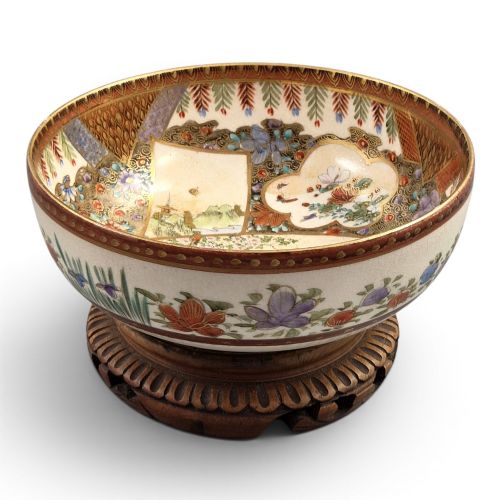


Meiji Period Enamelware
Meiji period enamelware brings intricate metalwork and vibrant glass colours into your room, representing a high point of Japanese craftsmanship.
Meiji Period Enamelware
When you search for meiji period enamelware, you encounter decorative objects produced in Japan primarily during the late nineteenth and early twentieth centuries. These items reflect the opening of Japan to Western trade and the subsequent export of highly detailed metal and ceramic works.
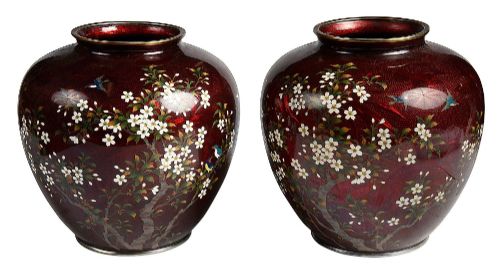
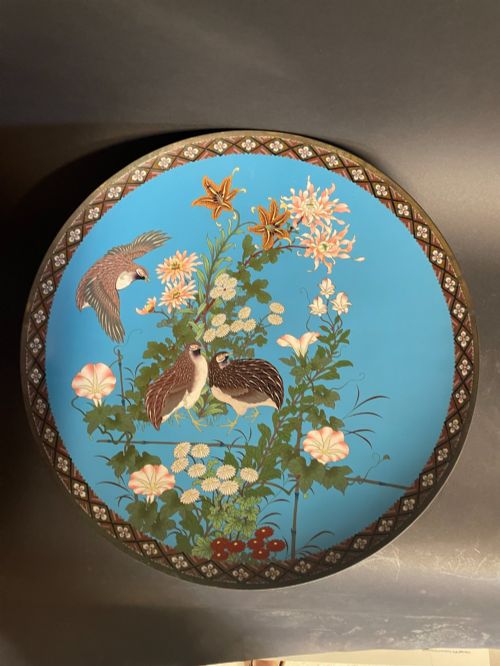
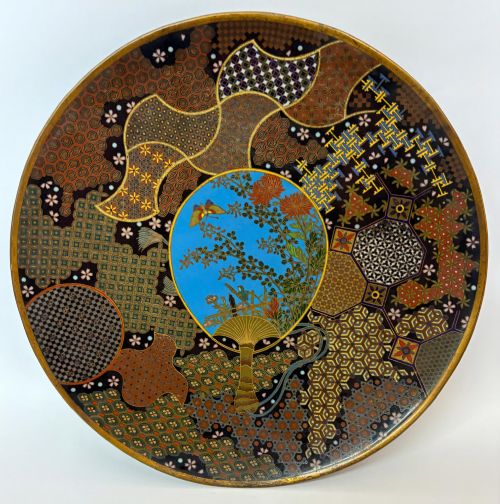
The selection here consists largely of decorative vessels and wall pieces. You will find vases, lidded jars, hanging boat koro, and numerous large chargers, dishes, and plates.
The origins span various workshops and regional centres such as Nagoya, combining traditional motifs with technical innovation. These objects served primarily as ornamental display pieces for international collectors and domestic interiors.
How they were made
Makers formed the foundational body using copper, brass, bronze, or earthenware, shaping them into vases, bowls, and large plates. For cloisonne enamel work, they soldered thin metal wires onto the metal surface to create intricate cellular patterns.
Workers filled these individual wire cells with coloured enamel pastes before firing the piece in a kiln. Artisans also utilised silver wire, gold leaf, and specialised techniques like ginbari and basse-taille to introduce textured backgrounds and translucent red enamels.
Meiji Period Enamelware Retail Price Guide 2026
Typical asking prices for meiji period enamelware among the pieces listed under this phrase on Sellingantiques today, from the lower quarter to the upper quarter. They describe what is for sale here now, not the wider market.
The listings combine copper, brass, and bronze foundations with traditional cloisonne enamel and earthenware materials across the nineteenth and early twentieth centuries.
What varies in quality
The division between standard output and masterworks lies in the precision of the wirework and the complexity of the imagery. Pieces featuring detailed depictions of birds, dragons, samurai, and landscapes require exceptional skill to execute without blurring the enamel colours during firing.
Master artisans achieved cleaner lines, smoother polished surfaces, and deeper colour saturation. Signature marks from renowned makers often indicate an elevated level of artistic ambition and superior workshop execution.
Kozan·Ando Jubei
The Meiji Period Enamelware Glossary
- Cloisonne enamel
- A technique where thin metal wires are soldered to a metal base to form compartments that hold coloured glass paste. These cells are then fired and polished to a smooth finish.
- Charger
- A large decorative plate intended for display on a wall or stand rather than for dining use. These pieces often showcase the most elaborate pictorial designs.
- Ginbari
- A method involving a textured or foiled foil background beneath translucent enamel, creating a patterned reflection beneath the coloured surface. This technique adds considerable depth to the visual field.
- Koro
- A traditional Japanese incense burner, frequently designed with a lid and suspended for decorative interior placement. They often take sculptural forms such as boats or mythical vessels.
- Basse-taille
- An enamelling method where the metal ground is carved or engraved with a low relief design before translucent enamel is applied over it. This allows light to pass through the colour and reveal the underlying texture.
Meiji Period Enamelware: Frequently Asked Questions
How do I display a large charger safely?
Large chargers require sturdy wall hooks designed for heavy plates or specialised display stands with secure base supports. Ensure the weight is evenly distributed across the rim and base.
Keep them away from direct sunlight and areas of high humidity to protect the metal foundations and the coloured glass enamel surfaces.
What is the difference between cloisonne and satsuma?
Cloisonne utilises metal wires and vitreous enamel pastes fused onto copper or brass bases to create colourful patterns. The resulting surface is smooth, polished, and metallic.
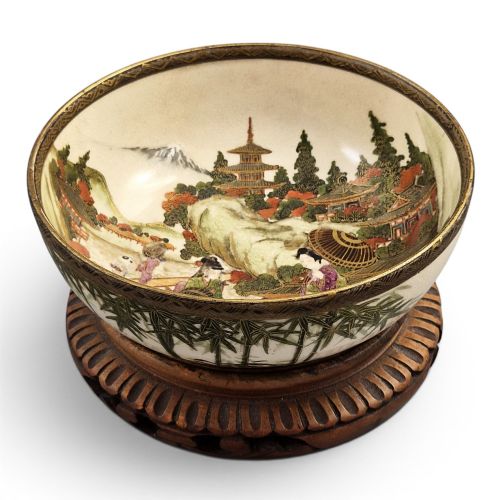
Satsuma ware consists of earthenware ceramics decorated with finely detailed painted figures, crackle glazes, and often gilt accents. Both styles flourished during the same era but employ entirely different material foundations.
How should I clean antique enamelware?
Dust these pieces gently using a soft, dry cloth or a clean, dry artist brush to remove surface particles. Avoid abrasive cleaning agents, harsh chemical sprays, or submerging the items in water.
Moisture can seep into microscopic fissures in the metal or enamel, potentially causing corrosion over time. Regular gentle dusting is sufficient for routine maintenance.
Are these items signed by the makers?
Some pieces feature signatures, artist marks, or workshop stamps on the base or reverse side. These marks often indicate the specific studio, potter, or metalworker responsible for the creation.
Unsigned pieces remain common and were produced to a high standard for export markets without individual artisan signatures.