



Blue Cloisonne Vase
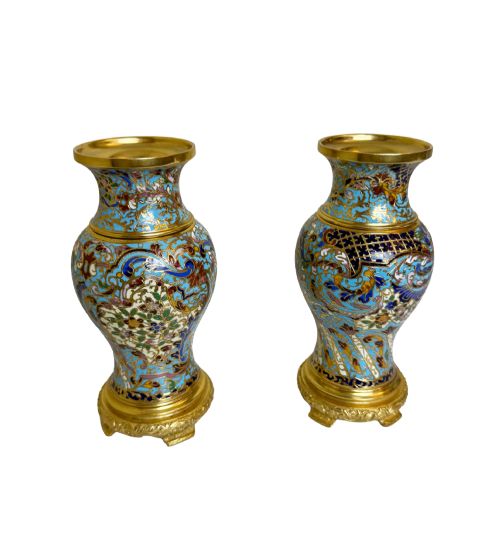
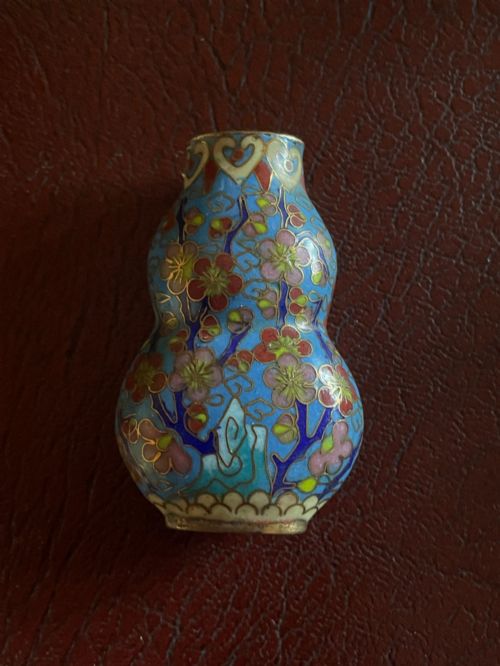
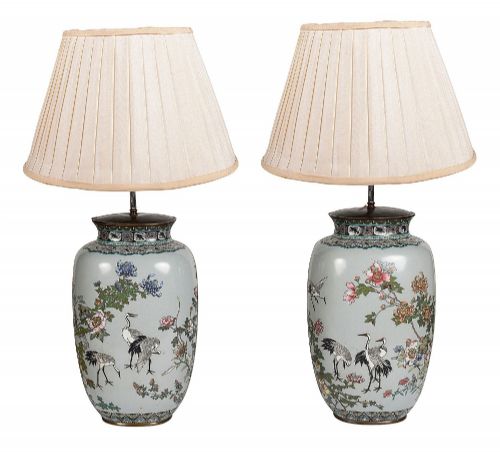
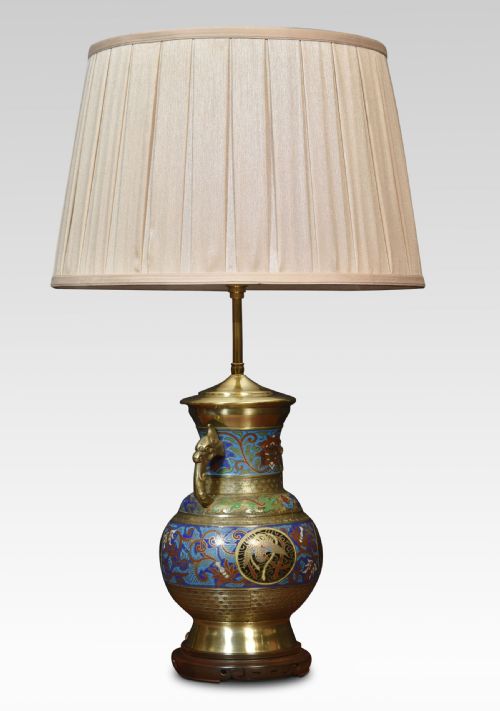
These blue cloisonne vase pieces bring vibrant oriental enamelwork and copper form to a room.
What they are
A blue cloisonne vase stands as a striking example of detailed metalwork and vibrant enamelling. Buyers searching for a blue cloisonne vase encounter decorative Japanese and Chinese vessels from the Victorian era, the Meiji period, and the early twentieth century.
The inventory on this page ranges from single decorative vessels to matched pairs. These items reflect traditional oriental craftsmanship recorded across the nineteenth century and into nineteen-ten.
How they were made
Artisans constructed these vessels using a copper or brass body as the foundation. Thin metal wires were soldered onto the surface to create cellular compartments for the coloured enamel paste.
The pieces were then fired at high temperatures to fuse the enamel before the surface was polished smooth. Some examples include wooden bases designed to support the finished vessel.
Retail Price Guide 2026
Typical UK retail prices for blue cloisonne vase, calculated from the Sellingantiques database of over a million retail prices indexed since 2003. This retail price guide relies exclusively on Sellingantiques data; no external sources or auction records are used, so the figures do not describe the wider market.
Some vases come with wooden bases that were carved specifically to keep round bottoms from rolling off the table.
What varies in quality
Quality in these vessels rests on the precision of the wirework and the depth of the blue ground colour. Finer examples display intricate floral motifs such as chrysanthemums executed with exact alignment.
The finish of the metal rim and the overall weight of the copper or brass foundation distinguish the standard of production. Earlier nineteenth-century examples often demonstrate different density in the enamel fills compared to later twentieth-century pieces.
The Blue Cloisonne Vase Glossary
- Cloisonne
- Enamelwork technique where fine metal wires form raised barriers on a copper or brass surface to hold coloured paste. This method creates distinctive cellular patterns across the body of the vessel.
- Meiji Period
- The era in Japanese history spanning from eighteen-sixty-eight to nineteen-and-twelve. Pieces from this time often exhibit refined oriental decorative motifs.
- Ground
- The main background colour of the enamel surface. A blue ground provides the primary visual field for floral designs.
- Oriental
- A historical descriptive term applied to art and objects originating from East Asia. It appears frequently in records for nineteenth and early twentieth-century trade pieces.
Frequently Asked Questions
What is a blue cloisonne vase?
A blue cloisonne vase is a decorative vessel made with metal wires and coloured enamel on a copper or brass body. These items display vibrant blue background tones and intricate surface patterns.
The pieces originate from Asian decorative traditions, notably Chinese and Japanese workshops. They date from the Victorian period through to the early twentieth century.
How do I date a blue cloisonne vase?
Dating relies on the stylistic markers of the Meiji period, Victorian era, or early twentieth-century production records. The specific manufacturing techniques and materials like copper and brass offer clues.
Examining the wiring style and the shade of the blue enamel helps determine the relative age of the vessel. Reference to period styles aids in placing the object within its historical timeframe.
Are these vases always sold in pairs?
The inventory includes both individual decorative vases and matched pairs. Some sets were originally created together for symmetrical display.
Pairs often feature mirrored floral designs, such as chrysanthemums, sharing the same blue ground colour. Single pieces appear frequently alongside these matched sets.
Where were these vases made?
These vessels originate from Japanese and Chinese workshops. The Meiji period in Japan and nineteenth-century oriental production centres are notable sources.
Master artisans in these regions utilised copper foundations and detailed enamelwork to produce the finished decorative objects.