

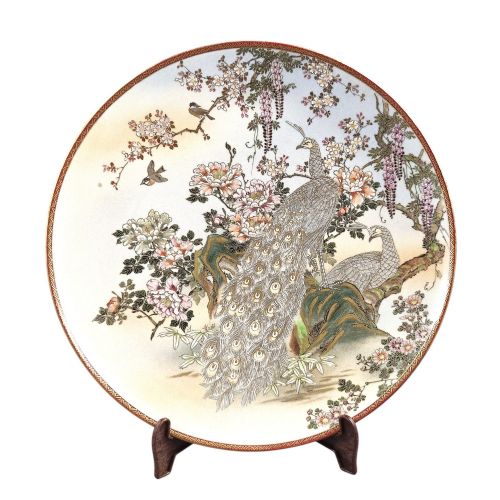
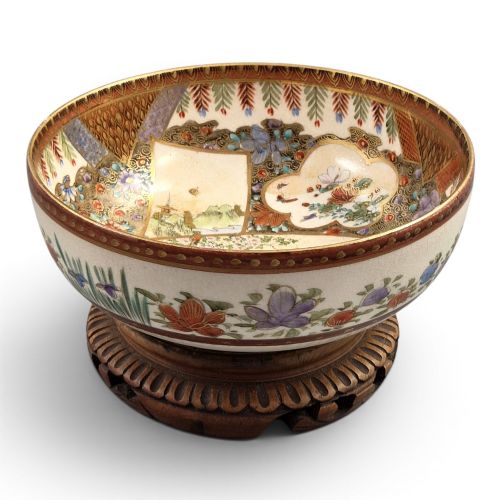

Enamel Decorative Dish
An enamel decorative dish brings intricate metalwork or painted ceramic into a room, offering a focal point shaped by Japanese Meiji artistry and nineteenth-century European ateliers.
Enamel Decorative Dish
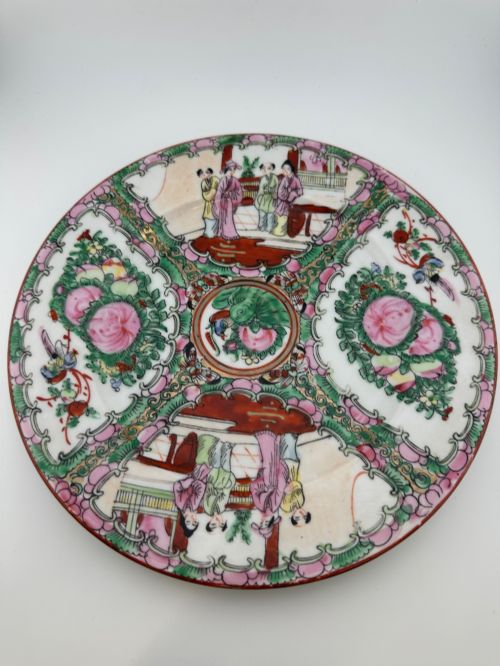
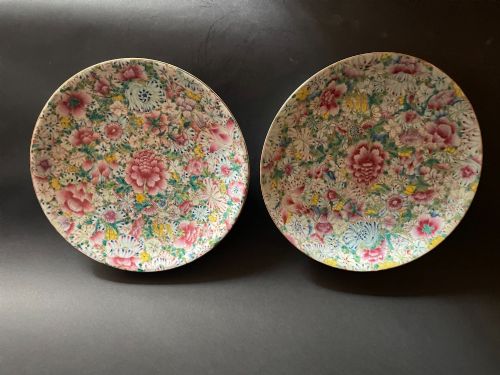
When you search for an enamel decorative dish, you encounter chargers, trays, bowls, and plates spanning the late eighteenth century through the early twentieth century. These objects bridge decorative arts from Japan, China, and France, reflecting distinct regional craftsmanship.
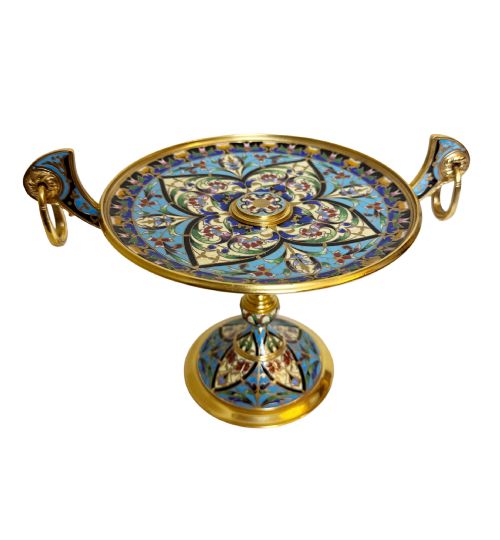
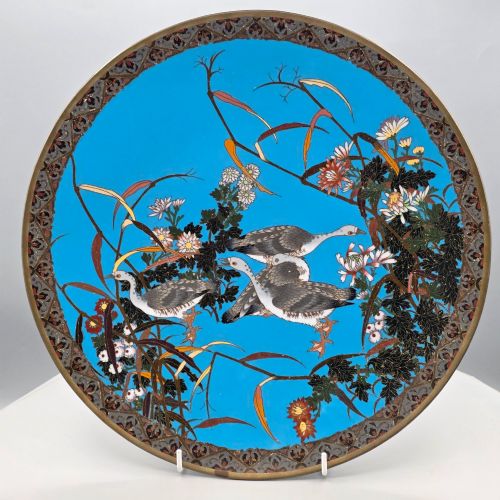
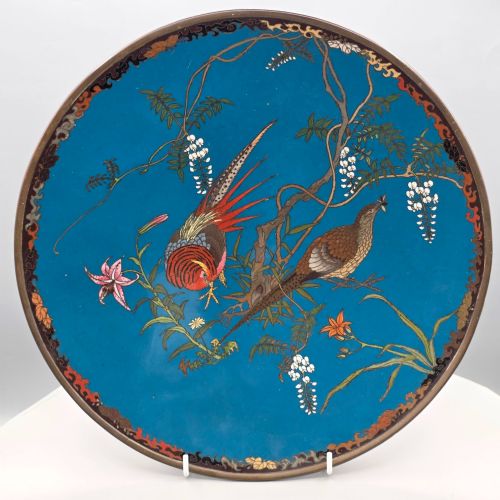
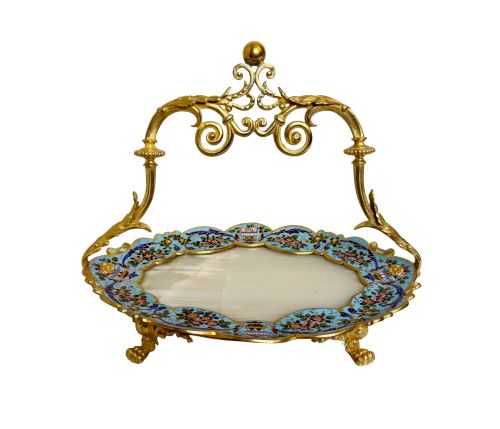
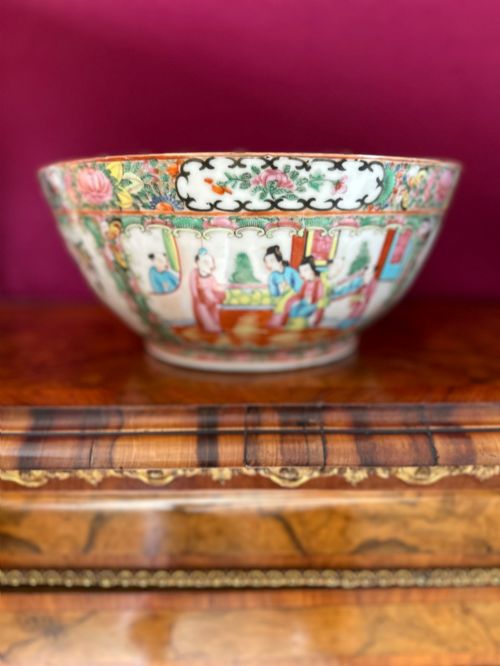
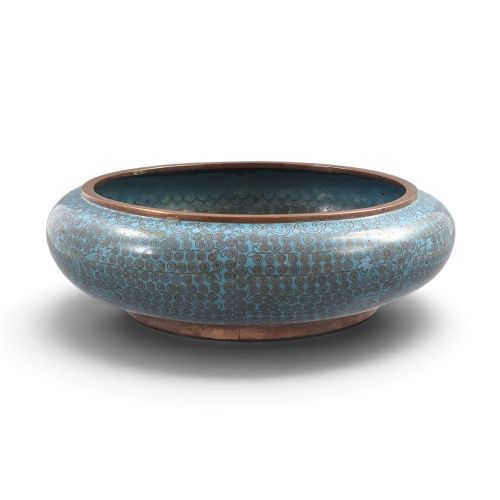
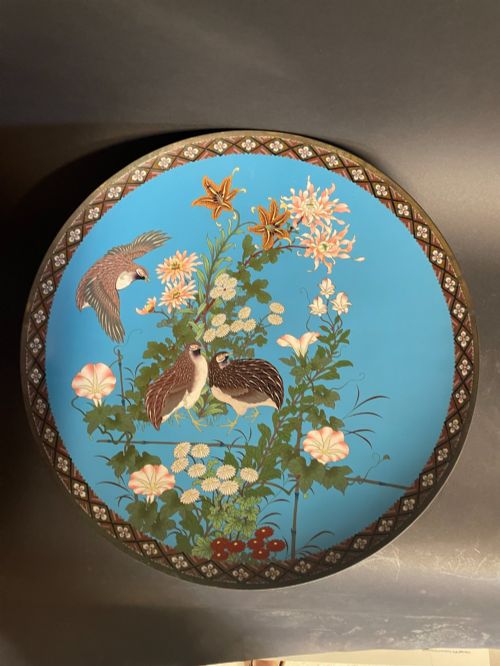
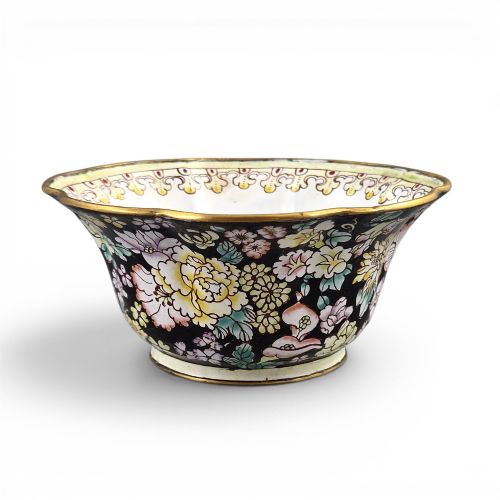
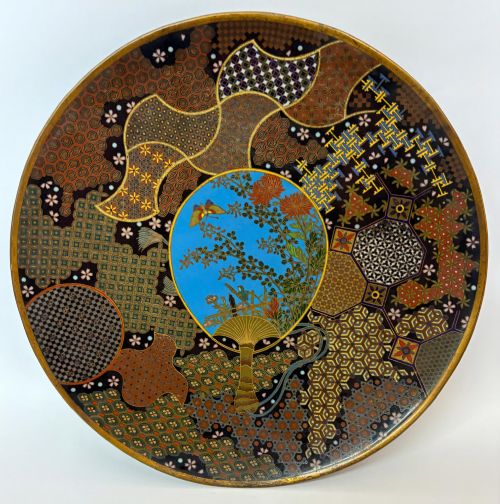
The Japanese examples, particularly from the Meiji period, dominate the selection with intricate cloisonne and painted porcelain forms. Alongside these, French gilt bronze centrepieces and Chinese Canton enamel-on-copper bowls provide alternative stylistic paths for a collection.
Most pieces function primarily as visual displays rather than utilitarian tableware. Their surfaces depict natural motifs, mythological subjects, or geometric patterns executed through specialised firing and mounting techniques.
How they were made
Cloisonne enamel relies on thin metal wires soldered to a copper or bronze base to form compartments, which artisans fill with coloured glass paste before firing. This technique creates defined cellular patterns across chargers and trays.
Champleve enamel involves carving or casting troughs directly into a bronze or gilt metal base to receive the vitreous paste. Once fired and polished, the metal channels sit flush with the hardened enamel surface.
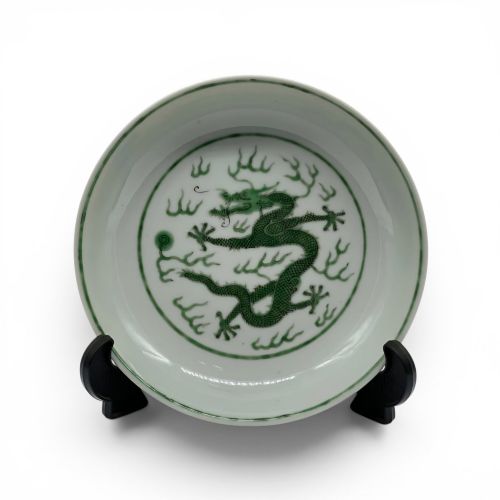
Painted enamel pieces apply pigments directly onto prepared copper or ceramic surfaces, often securing the imagery through multiple kiln firings. Porcelain items combine underglaze painting with overglaze enamel highlights and gilt detailing.
Listings feature copper, brass, porcelain, and bronze combined with cloisonne and painted enamel across the nineteenth century.
What varies in quality
The precision of the wirework or casting defines the baseline discipline of an item. Tightly controlled cell divisions and uniform enamel thickness signal higher workshop standards.
Purity of colour and the absence of firing flaws separate masterworks from standard production pieces. Surface polish and the crispness of the gilt bronze mounts further distinguish fine examples from simpler wares.
Kozan
The Enamel Decorative Dish Glossary
- Cloisonne enamel
- A metalworking technique where wire partitions hold powdered glass paste before firing. This method produces intricate cellular designs across plates and chargers.
- Champleve enamel
- A process where troughs are dug into a metal surface to hold enamel colours. The exposed metal lines frame the vitrified areas.
- Charger
- A large decorative plate or dish intended for display rather than serving food. These pieces often feature the most elaborate pictorial designs.
- Ormolu
- Gilded bronze used for mounts, feet, and decorative trims on European pieces. It provides a bright metallic contrast to the dark enamel fields.
- Moriage
- A Japanese ceramic decorating technique using raised slip to create textured relief patterns. It appears frequently on Satsuma wares alongside enamel highlights.
Enamel Decorative Dish: Frequently Asked Questions
How do I display an enamel decorative dish safely?
Most of these pieces are plates, chargers, or trays meant for vertical display on sturdy wire wall hangers or horizontal placement on dedicated stands. Ensure the support matches the weight of the metal or ceramic base.
Keep pieces away from direct sunlight to preserve the vibrant hues of the enamelwork and prevent any drying or cracking of underlying mounts.
What is the difference between cloisonne and champleve?
Cloisonne uses thin metal wires soldered onto a metal body to create raised walls that separate the coloured enamel pastes. This allows for fine, detailed pictorial work.
Champleve involves carving channels directly into a thick bronze or brass plate to hold the enamel, resulting in bolder, more structural metallic outlines.
How do I clean an antique enamel dish?
Dust surfaces gently with a soft, dry cloth to remove everyday particles. Avoid liquid cleaners, chemical polishes, or submerging the piece in water, as moisture can damage old solders and ceramic bodies.
Professional conservation is recommended if deeper cleaning becomes necessary to address stubborn grime on the metal mounts or enamel.
Can I use these dishes for serving food?
These historical items function primarily as decorative art objects rather than functional tableware. Many older enamel formulations contain compounds unsuited for contact with food or acidic liquids.
Enjoying these items visually preserves their delicate surfaces and historic patinas against potential scratching or staining.