




Polychrome Enamel Charger
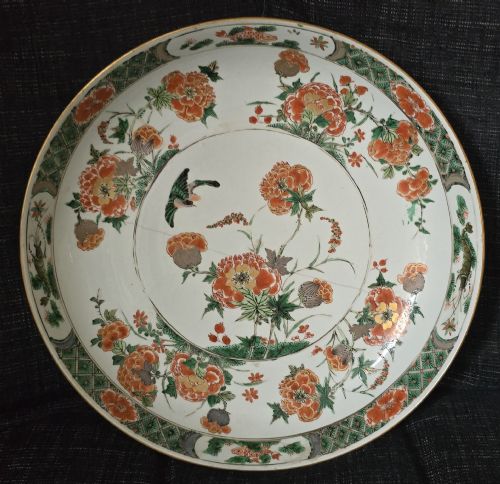
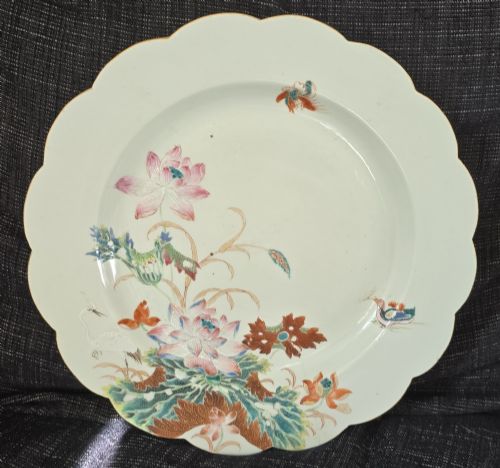
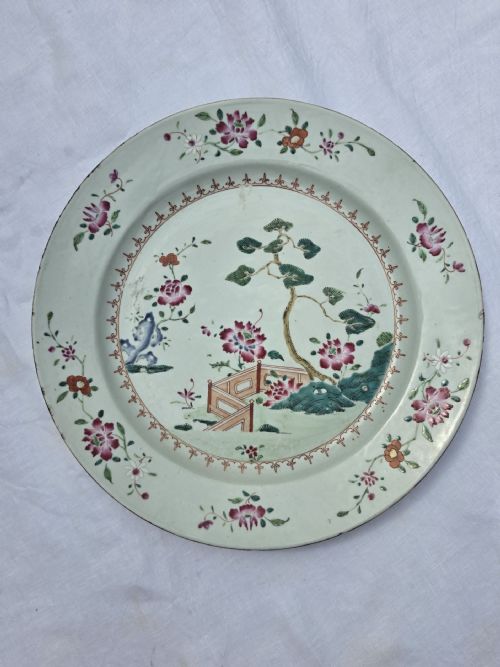
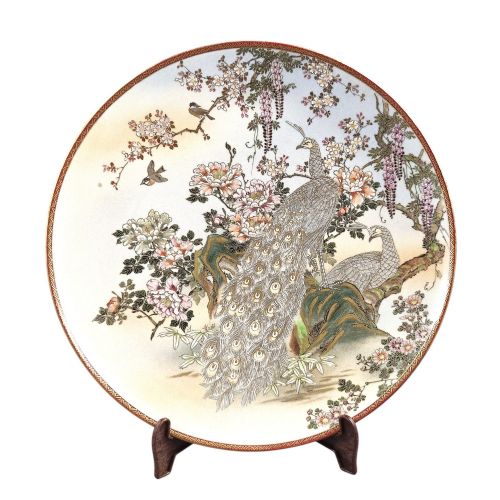
These polychrome enamel charger examples bring together vibrant hand-painted palettes and large decorative formats from the eighteenth and nineteenth centuries.
Polychrome Enamel Charger
A polychrome enamel charger is a large display plate or shallow bowl decorated in multiple colours, designed primarily for visual impact rather than domestic service. When you search for a polychrome enamel charger, you encounter pieces spanning Chinese Export and Qing Dynasty periods, Japanese Meiji workshops, and nineteenth-century Persian metalwork.
The selections on this page lean heavily towards Japanese Satsuma, Kutani, and cloisonné wares from around eighteen-ninety to nineteen-ten, alongside eighteenth-century Chinese export porcelain. These forms range from twenty-six centimetre display plates up to substantial wall-hanging chargers featuring birds, dragons, and figures.
Buyers choose these objects to anchor a wall display or cabinet, drawn to the sheer density of detail found in the surface ornamentation. Each piece represents a tradition of decorative ceramic or metal fabrication intended to project colour and status in an interior.
Materials and construction methods
Makers utilised hard-paste porcelain, earthenware, copper, and brass as the base supports for these decorative surfaces. Metal vessels often received cloisonné wirework to trap coloured vitreous pastes before firing, whilst ceramic bodies took hand-painted mineral pigments directly onto a white glaze.
Gilt and gold leaf frequently highlight borders and central motifs, adding reflective contrast to the matte or glossy enamel colours. The firing process required precise temperature control to vitrify the enamel powders without distorting the underlying metal plate or ceramic body.
Polychrome Enamel Charger Retail Price Guide 2026
Typical asking prices for polychrome enamel charger among the pieces listed under this phrase on Sellingantiques today, from the lower quarter to the upper quarter. They describe what is for sale here now, not the wider market.
Listings feature hard-paste porcelain, earthenware, copper, and brass alongside gold leaf and enamel.
Distinctions in craftsmanship
Quality rests in the crispness of the brushwork and the complexity of the polychrome palette. Superior examples display disciplined, minute line work and balanced compositions that integrate the central scene with the border decoration.
The precision of the cloisonné wire cells or the depth of the moriage relief work distinguishes standard production from masterwork pieces. Finer specimens show careful kiln control, resulting in smooth enamel surfaces free from excessive pitting or dull patches.
The Polychrome Enamel Charger Glossary
- Charger
- A large decorative plate or shallow bowl intended for display rather than table use. They measure significantly larger than standard dining plates.
- Cloisonne
- A metalworking technique where thin flat wires are soldered to a metal base to create compartments for enamel paste. These wire boundaries define the coloured design before firing.
- Famille Rose
- A palette of Chinese porcelain enamels dominated by opaque pink or rose colours, introduced during the Qing Dynasty. It allowed for subtle tonal gradations in floral and figural scenes.
- Moriage
- A Japanese ceramic technique where slip is piped onto the surface in raised dots or lines to create a three-dimensional effect. This textured decoration is often highlighted with gilt.
- Satsuma
- Japanese earthenware pottery featuring a crackle-glaze ivory body decorated with elaborate polychrome enamels and gold. It gained prominence during the Meiji period for export markets.
Polychrome Enamel Charger: Frequently Asked Questions
How do I hang a heavy charger safely?
Heavy chargers require specialised spring-loaded wall hangers that distribute the weight evenly around the rim without placing stress on the centre. Ensure the fixing goes directly into a wall stud or uses an appropriate wall anchor.
Avoid wire loops attached with adhesive, as the weight of porcelain or metal pieces can cause them to detach over time.
Can I use these chargers for serving food?
These pieces are intended purely for display and decorative presentation. Historic enamel and export ceramics often contain mineral pigments that are unsuitable for contact with acidic or moist foods.
Cleaning should be limited to gentle dusting with a dry microfibre cloth to protect the fragile surface enamels and gilt highlights.
How do I date an antique cloisonne charger?
Dating relies on the weight of the base metal, the composition of the wire cells, and the chemical tone of the enamel colours. Earlier pieces from the nineteenth century often employ heavier copper bases with thicker, slightly irregular wirework.
Examine the back of the plate for firing marks, polish quality, and any workshop signatures or stamps characteristic of the Meiji period.