








Antique Cloisonne Enamelware
Antique cloisonne enamelware brings intricate metal wirework and vibrant glass pastes together in decorative vessels, chargers, and figures that capture historic Asian artistry.
Antique Cloisonne Enamelware
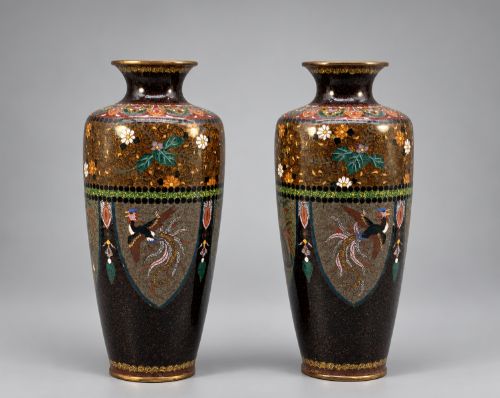
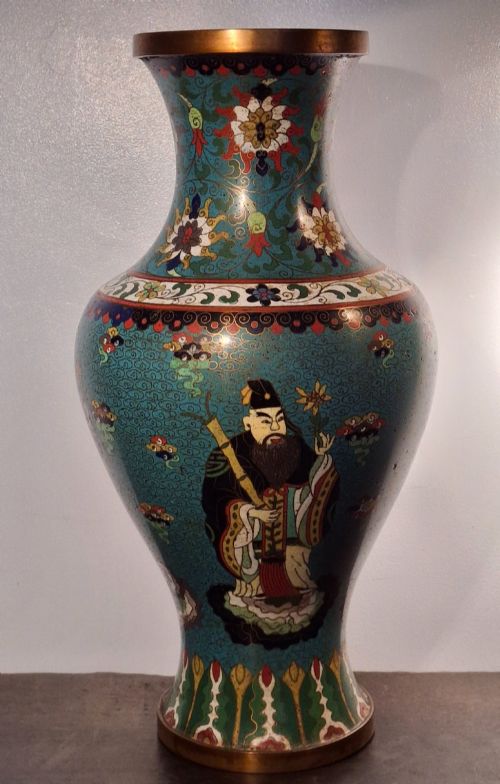
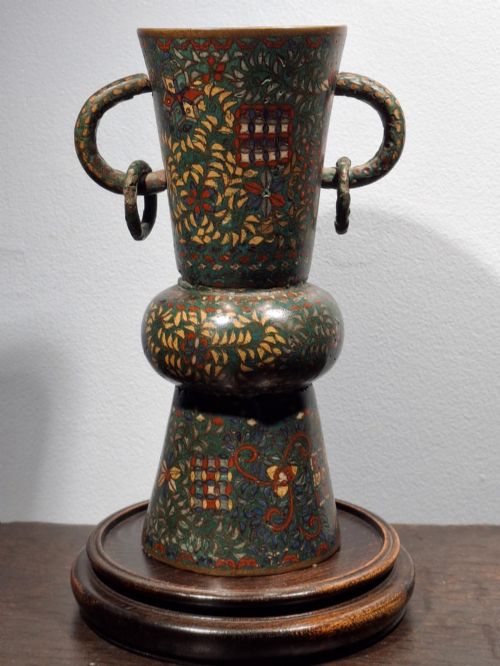
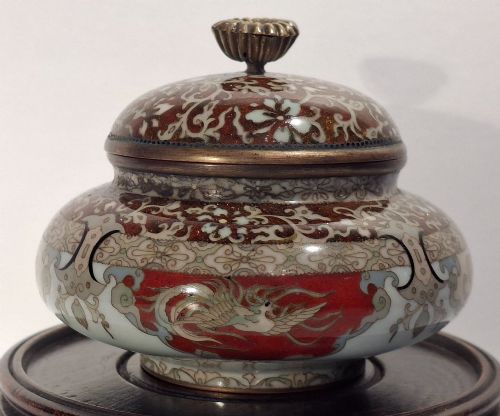
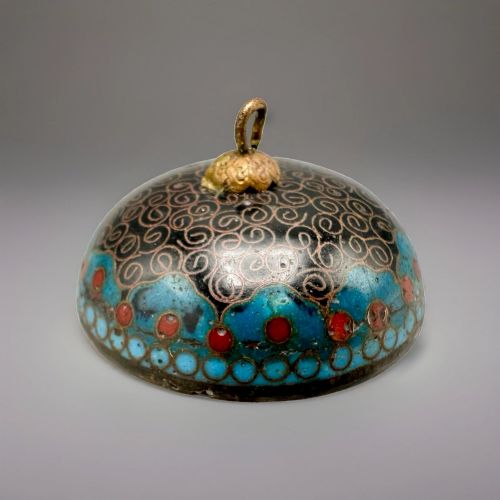
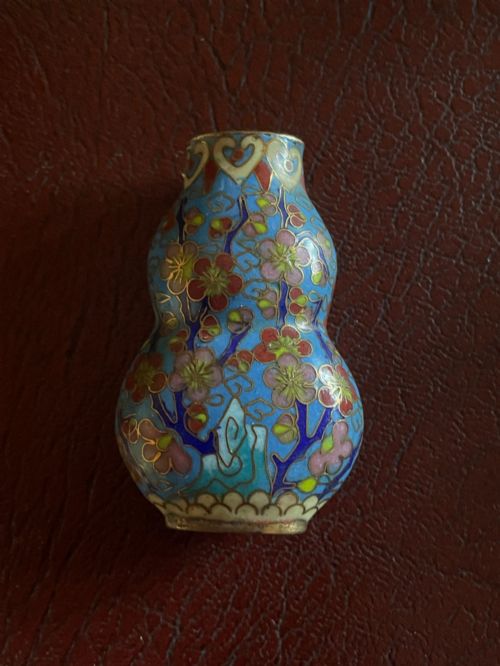
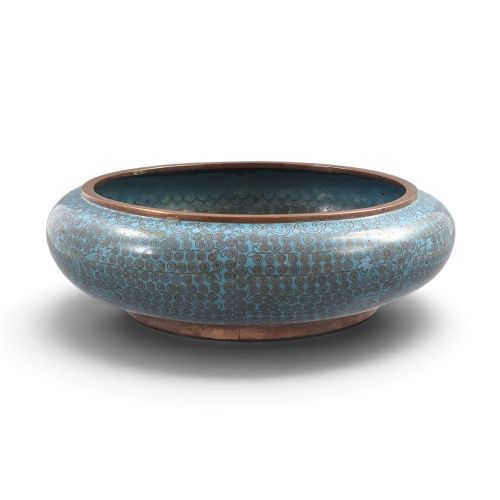
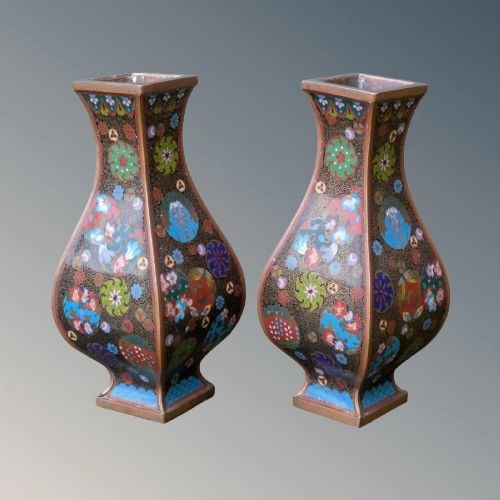
When you search for antique cloisonne enamelware, you encounter a selection of vessels and decorative items originating predominantly from Japanese Meiji and Chinese Qing contexts. The forms span vases, lidded jars, large chargers, bowls, and occasional figural pieces such as elephants or brush washers. Japanese Meiji examples frequently feature detailed birds, dragons, and landscapes set against dark or monochrome grounds. Chinese pieces often display traditional motifs utilising gilt metal or bronze foundations.
The objects date across the nineteenth and early twentieth centuries, encompassing late Edo and Showa periods alongside Victorian and Edwardian cataloguing. Vases and decorative dishes represent the most common formats available for domestic display. Collectors meet both diminutive miniature items and large display chargers measuring substantial diameters.
What varies in quality
The standard of workmanship depends heavily on the precision of the wirework and the control maintained during the enamel firing process. Superior pieces display micro-thin wire cloisons forming complex, symmetrical pictorial scenes without pitting, warping, or discolouration in the glass paste. Lesser examples reveal uneven cell boundaries, thicker wires, and surface bubbles trapped within the enamel layer.
Artistic execution also dictates the standing of an item, with masterworks exhibiting nuanced shading, anatomical accuracy in birds and dragons, and meticulous polishing. Pieces bearing recognised workshop marks or attributed to significant makers demonstrate higher levels of technical execution than unsigned commercial export wares.
Antique Cloisonne Enamelware Retail Price Guide 2026
Typical asking prices for cloisonne enamelware among the pieces listed under this phrase on Sellingantiques today, from the lower quarter to the upper quarter. They describe what is for sale here now, not the wider market.
A master Japanese charger captures a frog gazing intently at a butterfly amidst chrysanthemums.
Tamura Yukio·Ando Jubei
The Antique Cloisonne Enamelware Glossary
- Cloison
- A small compartment formed by soldered metal wires on a vessel body. These cells hold the coloured enamel paste before firing.
- Champleve
- An enamel technique where troughs or cavities are cast or gouged directly into a bronze or metal surface to receive the enamel, rather than using applied surface wires.
- Ginbari
- A Japanese enamelling method featuring a textured or foiled metal foil ground beneath transparent coloured enamel, producing a patterned reflective effect.
- Basse-Taille
- A translucent enamelling technique where the metal background is carved or engraved in low relief so that light passes through the coloured glass to show the design beneath.
- Charger
- A large decorative plate or dish intended for display on a wall or sideboard rather than for dining use.
Antique Cloisonne Enamelware: Frequently Asked Questions
How do I clean antique cloisonne enamelware?
Dust the surface gently with a soft, dry microfibre cloth to remove accumulated particles. Avoid using liquid cleaners, abrasive pads, or chemical solvents that might damage the fragile metal wires and vitreous enamel.
Keep pieces away from direct sunlight and damp environments to protect the metal foundation and prevent any deterioration of the glass pastes over time.
Are Chinese and Japanese pieces different?
Chinese items often utilise heavier bronze or gilt metal bases with traditional floral and symbolic motifs in robust colour palettes. Japanese examples from the Meiji period frequently employ refined copper bases, exceptionally thin wirework, and naturalistic pictorial scenes.
Meiji makers also developed specialised techniques like silver wire work and translucent red enamels that differ from earlier traditions.
How can I date these items?
Dating relies on stylistic markers, materials, and manufacturing techniques recorded across nineteenth and twentieth-century production. Meiji period pieces often display refined pictorial mastery, while earlier nineteenth-century examples may show heavier wire placement and distinct colour schemes.
Maker marks and signatures provide additional chronological anchors when present on the base or within the design panels.
Where were these pieces displayed?
These decorative vessels and chargers were designed for prominent display in reception rooms, studies, and cabinets of curiosity. Large chargers typically hung on walls or stood on plate rails to showcase the intricate enamel artistry.
Smaller items like brush washers and lidded pots served functional decorative roles on scholar's desks and tabletop surfaces.