






Pair of Japanese Platters
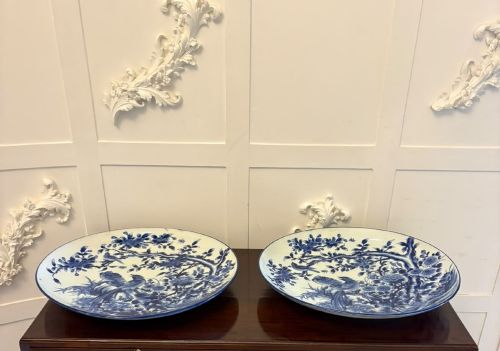
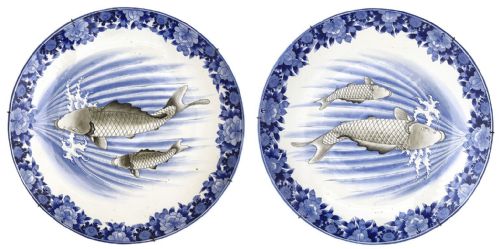
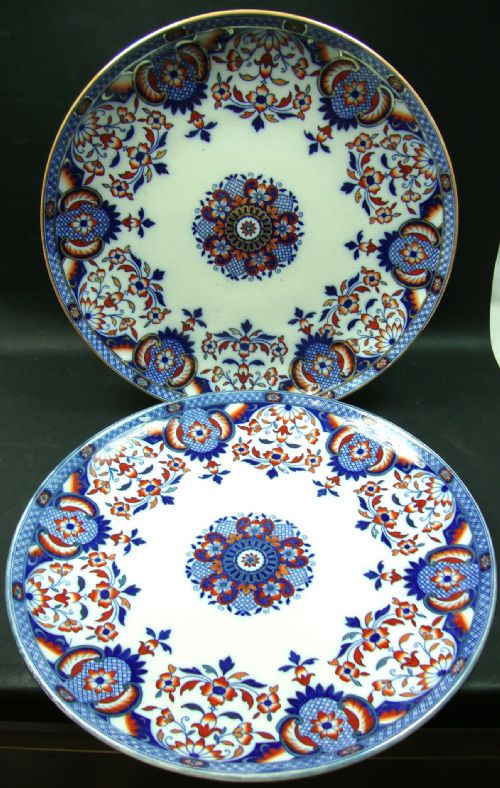
These pair of japanese platters are decorative chargers and plates shaped by centuries of ceramic tradition, offering striking statement pieces for any room.
Pair of Japanese Platters
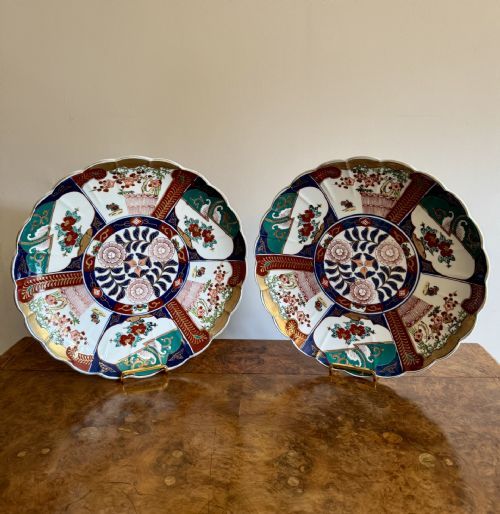
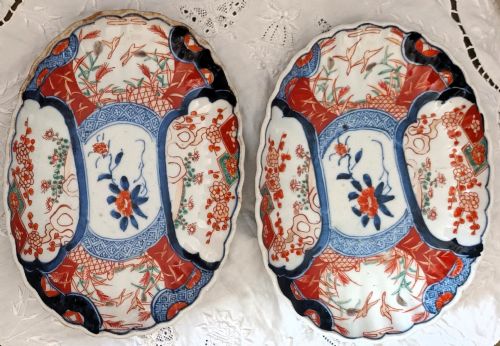
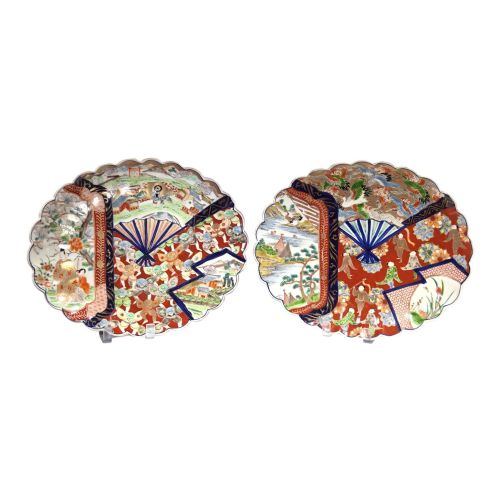
When you search for pair of japanese platters, you encounter large decorative chargers, plates, and dishes originating from diverse historical eras including the Edo and Meiji periods. The pieces most commonly met on this page are porcelain chargers decorated in the distinctive Imari style, often featuring cobalt blue underglaze and rich overglaze enamel.
The selection ranges from scallop-edged plates and oval dishes to large wall chargers depicting traditional motifs such as the Seven Lucky Gods or fierce dragons. Alongside traditional Japanese Arita and Fukagawa porcelains, you find items associated with the Victorian Aesthetic Movement and even English interpretations bearing date marks.
These items were created primarily for visual display rather than dining service, serving as focal points on walls or furniture. The varied forms span round chargers, shaped plates, and even clam shell dishes, demonstrating the broad scope of production destined for export and domestic use.
Materials and methods
The foundation of these works is high-fired ceramic, predominantly porcelain and earthenware, shaped into broad plates and deep chargers. Artisans applied cobalt pigment beneath the glaze to establish deep blue outlines before adding intricate overglaze enamels.
Many examples incorporate gold leaf and detailed gilding to highlight specific motifs within the painted designs. Cloisonne examples utilise enamel cells defined by metal wires to create detailed dragon imagery across the surface.
Pair of Japanese Platters Retail Price Guide 2026
Typical asking prices for pair of japanese platters among the pieces listed under this phrase on Sellingantiques today, from the lower quarter to the upper quarter. They describe what is for sale here now, not the wider market.
Listings span centuries of production, recording periods from the eighteenth century through the Victorian era and the Meiji period.
Assessing quality
The distinction between standard production and exceptional work lies in the precision of the brushwork and the vibrancy of the enamel palette. Superior pieces display crisp cobalt blue underglaze coupled with carefully managed overglaze enamels that retain their texture and brilliance.
Complexity of design heavily influences the standing of a piece, with compositions involving detailed figures like the Seven Lucky Gods demonstrating higher artistic ambition than simple geometric repeats. The crispness of moulding, particularly on scalloped edges and shaped plates, reveals the skill of the original workshop.
Fukagawa·Mintons
The Pair of Japanese Platters Glossary
- Imari
- A style of Japanese porcelain featuring a tripartite colour scheme of underglaze blue, iron red, and gold. It originated in the Hizen province and exported extensively through the port of Imari.
- Charger
- A large decorative plate utilised primarily for display on tables, sideboards, or walls rather than for serving food. These items often showcase the highest level of painterly detail in a collection.
- Meiji Period
- The era in Japanese history spanning from 1868 to 1912, characterised by the opening of trade with the West and a surge in the export of decorative arts.
- Arita
- The town in the Hizen province of northwest Kyushu that served as the historic centre of Japanese porcelain production. Arita wares are renowned for their refined clay and durable glaze.
- Cloisonne
- A technique where enamel is applied to compartments created by soldering metal strips to a metal base. This method produces vivid, textured surface designs such as dragons.
Pair of Japanese Platters: Frequently Asked Questions
How were pair of japanese platters used?
These large plates and chargers served primarily as decorative display items within the home rather than functional tableware for meals. Their substantial size and striking painted designs made them ideal for mounting on walls or placing on prominent surfaces.
During the nineteenth century, European and domestic interiors alike utilised these pieces to introduce vibrant colour and exotic motifs into formal rooms. They functioned as statements of refined taste and global connectivity.
How do I date a Meiji period charger?
Dating relies on stylistic markers, reign periods, and the specific combinations of underglaze blue and overglaze enamels. Meiji period works often reflect the increased production geared towards Western export markets from 1868 onwards.
Examining the foot ring, the quality of the cobalt pigment, and any accompanying factory marks helps narrow the decade of production. Pieces marked with specific kiln names or linked to the Aesthetic Movement provide further chronological clues.
What is Imari style decoration?
Imari decoration is defined by a distinct palette combining cobalt blue underglaze with iron red and gold overglaze. This triad creates a rich, layered visual effect across the surface of the porcelain.
Motifs often incorporate floral arrangements, landscapes, and mythological figures rendered with meticulous brushwork. The style became immensely popular in the West during the nineteenth century.
Where should I display large wall chargers?
Large chargers require secure hanging hardware specifically designed to support the weight of heavy ceramics without damaging the rim. Placing them at eye level on neutral walls allows the complex blue and white or enamelled patterns to stand out.
Alternatively, sturdy plate stands on sideboards or mantels provide a secure base for display. Ensure they are kept away from high-traffic areas where accidental knocks might occur.