






Japanese Enamel Wall Plate
When you search for a japanese enamel wall plate, you meet remarkable nineteenth-century chargers decorated with meticulous detail and rich metalwork.
Japanese Enamel Wall Plate
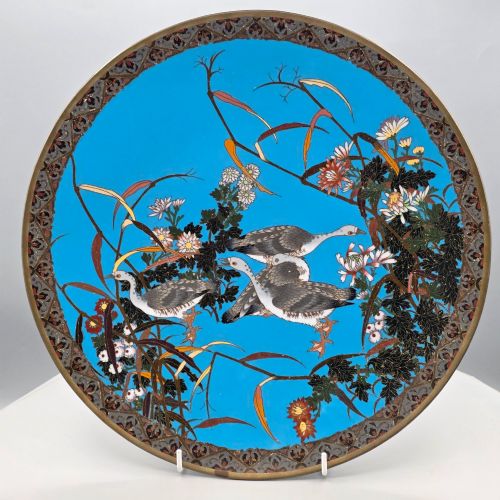
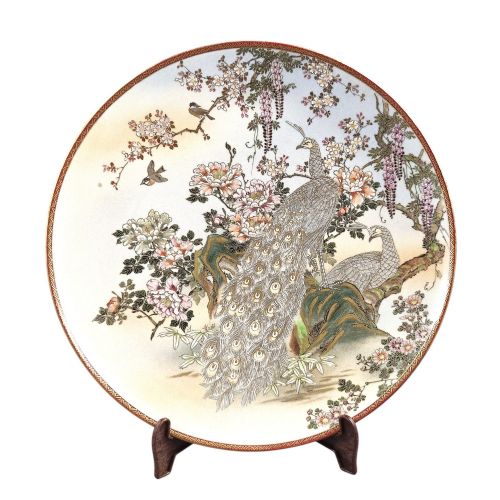
A japanese enamel wall plate encompasses large decorative chargers and dishes created primarily during the late nineteenth century, spanning the Meiji and late Edo periods. These wide display vessels typically feature intricate depictions of nature, mythology, and traditional iconography.
The objects appearing most frequently on this page are cloisonne enamel chargers and porcelain plates augmented with wirework and glaze. Master artisans designed these substantial pieces specifically for display on walls or stands rather than everyday dining.
Originating largely from Japanese workshops of the Meiji period, these plates demonstrate an extraordinary standard of metalcraft and ceramic painting. Collectors encounter various forms, from standard landscape plates to massive chargers dominated by dragons and phoenixes.
Materials and technique
Artisans constructed cloisonne chargers by soldering thin copper or brass wires onto a metal base to form intricate cellular patterns. They filled these tiny compartments with coloured enamel pastes before firing the piece in a kiln and polishing the surface to a smooth finish.
Certain plates employ the Totai Shippo technique, applying enamel and wire directly onto a porcelain body rather than metal. Craftsmen also utilised porcelain and bronze, decorating surfaces with hand-painted glazes, moriage relief work, and gilt accents.
Japanese Enamel Wall Plate Retail Price Guide 2026
Typical asking prices for japanese enamel wall plate among the pieces listed under this phrase on Sellingantiques today, from the lower quarter to the upper quarter. They describe what is for sale here now, not the wider market.
Several fierce dragons share display space with surprisingly serene frogs and leaping koi fish.
Discerning quality and execution
Quality depends heavily on the precision of the wirework and the complexity of the enamel filling. Superior examples display microscopic wire cells and flawless colour gradients without pitting or cloudiness in the glaze.
The artistic ambition of the subject matter separates standard vessels from masterworks. Plates featuring intricate fauna, mythical creatures like the ho-o bird, or artist signatures reflect a higher level of workshop output.
Meizan mark
The Japanese Enamel Wall Plate Glossary
- Cloisonne Enamel
- A decorative technique where metal wires are soldered to a base to create compartments filled with glass paste and fired. This method allows for sharp outlines and vibrant chromatic displays across the plate surface.
- Charger
- A large decorative plate intended for display rather than service. These broad vessels provide an expansive canvas for complex pictorial narratives and detailed flora.
- Totai Shippo
- Enamel work applied over a porcelain core instead of metal. Artisans often textured the surrounding glaze to resemble natural tree bark.
- Meiji Period
- An era in Japanese history spanning from 1868 to 1912 characterised by immense artistic output and opening trade with the West. Many of the finest decorative metalworks originate from these decades.
- Moriage
- A decorative ceramic technique utilising raised slip to create textured relief patterns. This method adds tactile dimension to floral and avian motifs on porcelain bodies.
Japanese Enamel Wall Plate: Frequently Asked Questions
How were these plates displayed?
Makers constructed these substantial chargers primarily for decorative display on walls or heavy wooden stands within formal interiors.
Their generous diameter and vibrant imagery made them focal points in nineteenth-century collections.
What is the difference between cloisonne and porcelain plates?
Cloisonne plates rely on metal wire and coloured enamel pastes fused to a copper or brass body. Porcelain variants utilise ceramic bases with painted glazes or specialised tree bark enamelling.
Both forms demonstrate exceptional nineteenth-century Japanese craftsmanship but employ entirely distinct material foundations.
How can I tell the period of a plate?
Stylistic markers, material composition, and manufacturing techniques help distinguish late Edo pieces from later Meiji examples. Complex wirework and specific avian or dragon motifs typically align with the final decades of the nineteenth century.
Signatures or workshop marks found on the reverse also assist in dating individual items.
Are these plates fragile?
While constructed from durable metal and fired glass or ceramic, enamel surfaces remain susceptible to sharp impacts. Proper mounting and careful handling protect the delicate wire cells and glazed finishes from chipping.
Owners should use secure wall brackets designed specifically for heavy antique chargers.