



Bronze Cloisonne Dish
These pieces of bronze cloisonne dish span the nineteenth century, uniting Japanese and Chinese metalwork with intricate enamel detail.
Bronze Cloisonne Dish
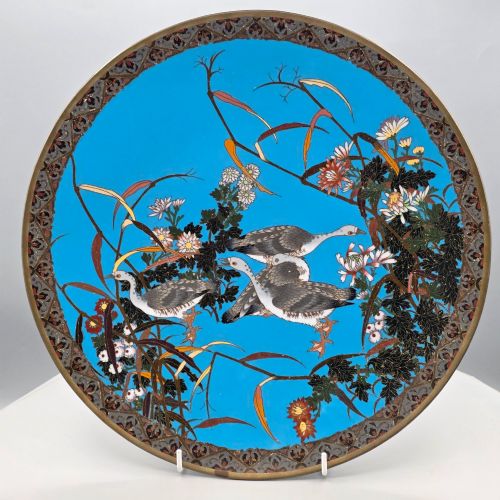
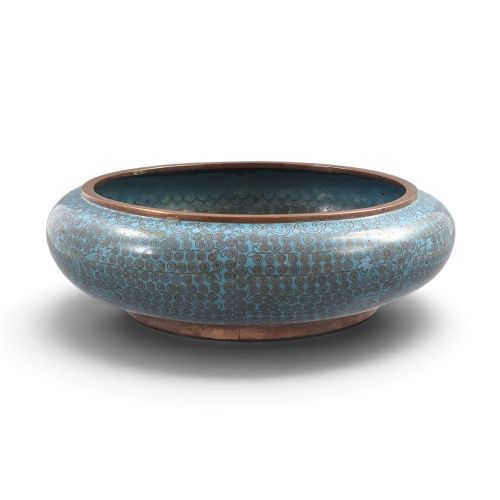
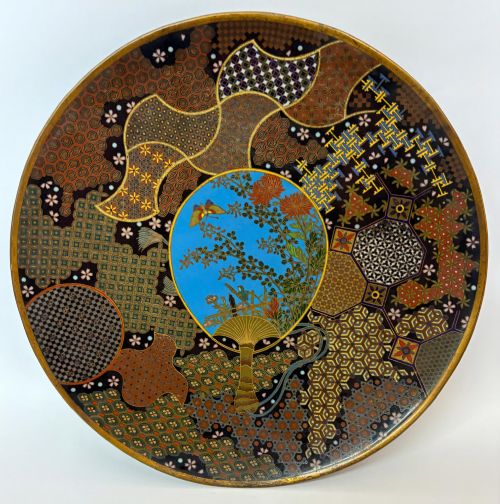
When you search for a bronze cloisonne dish, you encounter chargers, plates, bowls, and tazza from nineteenth-century makers. The selection encompasses Japanese Meiji and Edo periods alongside Qing Dynasty Chinese craftsmanship.
The most common forms on this page are large decorative chargers and plates adorned with birds, flowers, dragons, and auspicious symbols. Scholars' brush washers and lidded pedestal bowls also appear among the offerings.
What varies in quality
The refinement of the wirework and the complexity of the enamel palette distinguish finer examples from standard work. Artisans who executed precise, hair-thin wire cells achieved greater detail in subjects like feathers and scales.
Signatures from notable workshops indicate higher-tier production, while the scale of the vessel influences desirability. Larger chargers measuring thirty centimetres and above demand greater technical control during the firing process.
Bronze Cloisonne Dish Retail Price Guide 2026
Typical asking prices for bronze cloisonne dish among the pieces listed under this phrase on Sellingantiques today, from the lower quarter to the upper quarter. They describe what is for sale here now, not the wider market.
Materials recorded across the inventory include bronze, copper, brass, and enamel wire.
Kinkozan
The Bronze Cloisonne Dish Glossary
- Cloisonne
- Enamelwork in which enamel paste is applied within compartments formed by soldered wires on a metal base. This technique creates distinct cellular patterns across the surface of the vessel.
- Charger
- A large decorative plate or dish intended for display rather than dining. These pieces often feature elaborate pictorial scenes across a wide surface.
- Totai shippo
- A Japanese technique where enamel and wire are applied directly onto a porcelain body rather than metal. This method produces translucent or semi-transparent wirework effects.
- Tazza
- A shallow bowl or plate raised upon a central pedestal or foot. These elevated vessels originate from traditional Chinese and European serving forms.
- Edo Period
- A historical division of Japanese history spanning from sixteen hundred and three to eighteen hundred and sixty-eight. Pieces from this era reflect traditional aesthetic standards before the Meiji restoration.
Bronze Cloisonne Dish: Frequently Asked Questions
How do I clean a cloisonne dish?
Dust gently with a soft, dry cloth to protect the delicate enamel surface and metal wirework from moisture damage. Avoid chemical cleaners or immersion in water.
Display the piece away from direct sunlight to preserve the vibrant tones of the coloured enamel fills over time.
Are these dishes meant for food?
These nineteenth-century pieces serve primarily as decorative wall plates and chargers rather than functional tableware. Their historic enamel surfaces are sensitive to acidic foods and sharp utensils.
Utilise plate stands or secure wall hangers designed specifically for heavy chargers to exhibit them safely.
How can I tell Meiji period work apart?
Japanese Meiji period pieces often display naturalistic subjects like birds, flowers, and leaping koi rendered with high technical precision. Signatures on the reverse or base frequently denote specific Meiji workshops.
Earlier Edo period items tend towards different compositional layouts and heavier bronze or copper alloy foundations.