



Japanese Enamelware Vessel
These Japanese enamelware vessels are fine metal and ceramic pieces decorated with vitreous enamel, offering intricate craftsmanship for collectors.
Japanese Enamelware Vessel
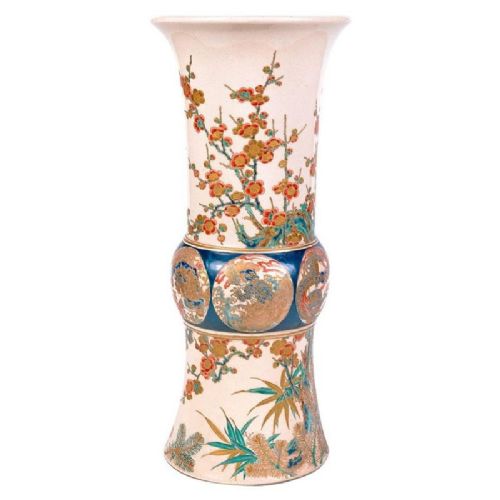
A japanese enamelware vessel encompasses forms such as vases, decorative bowls, incense burners, jars, and mugs originating from various historical eras. Buyers browsing this selection encounter pieces defined by distinct traditional shapes and ornamental surfaces.
The objects span multiple periods, including the Edo, Meiji, and Showa eras, showcasing both early nineteenth-century creations and mid-twentieth-century examples. Most available items reflect the detailed aesthetic standards associated with Meiji period metalwork and ceramics.
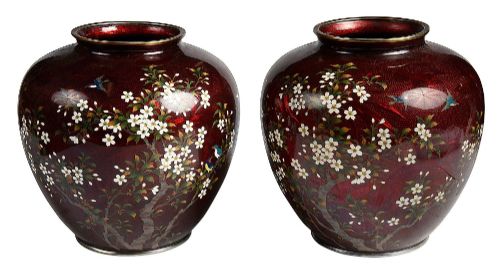
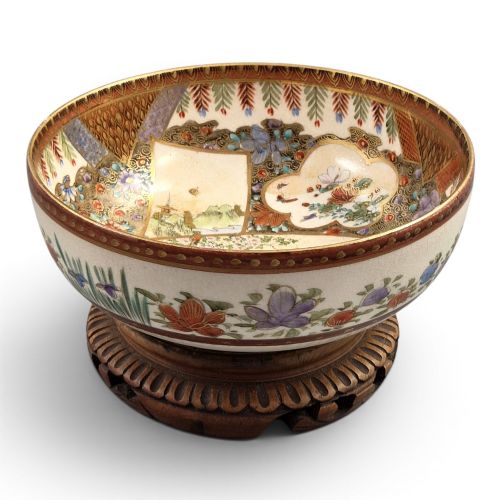
Forms range from hanging boat koro and lidded pedestal bowls to large decorative bowls featuring bird decoration and pairs of matching vases. Each piece presents a specific functional or decorative purpose rooted in traditional Japanese craftsmanship.
Materials and Construction
Maker construction relies on metal foundations such as copper, brass, and bronze, alongside earthenware bodies that receive layers of enamel. Artisans also apply gold leaf details to enhance specific decorative sections across the surface.
Techniques involve cloisonné and champlevé enamel methods, where metal wires or carved recesses contain the vitreous paste before firing and polishing. These procedures demand precise temperature control and steady hands to secure the enamel within the metal grid.
Some vessels take the form of miniature boats designed explicitly to hang in the air while burning incense.
Quality Variations
The refinement of wirework and the evenness of the enamel surface distinguish finer examples from standard production. Artisans achieving tighter wire cells and smoother polishes create work with greater visual depth.
Complexity of the decorative scheme also determines the standing of an item, particularly when involving multi-coloured bird motifs or signed panels. Pieces carrying distinct signatures or complex vessel forms generally demonstrate higher execution standards.
Kozan·Tamura Yukio
The Japanese Enamelware Vessel Glossary
- Cloisonné Enamel
- A technique where thin metal wires are soldered to a metal base to create compartments filled with enamel paste. This method allows for intricate and colourful pictorial designs.
- Champlevé Enamel
- A process involving troughs or cells carved directly into a metal base to hold the vitreous enamel before firing. It produces bold outlines and deep colour retention.
- Koro
- A traditional Japanese incense burner typically featuring a pierced lid and three or more feet. These vessels often take elaborate forms such as hanging boats or pedestals.
- Meiji Period
- The historical era spanning from 1868 to 1912 noted for a surge in sophisticated decorative arts exported internationally. Pieces from this time frequently display advanced technical mastery.
- Satsuma
- A type of Japanese earthenware featuring a pale, ivory-coloured crackle glaze decorated with enamel and gilt. These ceramics represent a distinct category alongside metal-based cloisonné.
Japanese Enamelware Vessel: Frequently Asked Questions
What is a koro?
A koro is an incense burner designed with a lid, frequently used in traditional settings. These pieces often feature intricate metalwork and enamel decoration.
They appear in various unusual shapes, including hanging boat designs intended to be suspended from chains.
How do I identify Meiji period pieces?
Meiji period items are characterised by exceptionally fine wirework and complex pictorial themes such as birds and floral arrangements. This era represents the peak of decorative metal and enamel output.
Examination of the base and interior often reveals the technical precision typical of late nineteenth-century workshops.
What is the difference between cloisonne and champleve?
Cloisonné utilises soldered wires on the surface to form cells that hold the enamel paste. This creates a fine web of metallic outlines across the vessel.
Champlevé involves carving or gouging the metal substrate directly to create recessed areas for the enamel. This results in thicker, more pronounced metal divisions.
How should I clean these vessels?
Enamelware requires gentle dusting with a soft, dry cloth to prevent scratching the polished surface or delicate metal wires. Avoid using liquid cleaners or chemical polishes.
Keeping pieces away from direct sunlight and high humidity protects both the metal substrate and the vitreous enamel layers.