


Japanese Cloisonne Enamel
Japanese cloisonne enamel brings together delicate metal wirework and vibrant glass pastes to create decorative plates, chargers, and vases from the Meiji period and beyond.
Japanese Cloisonne Enamel
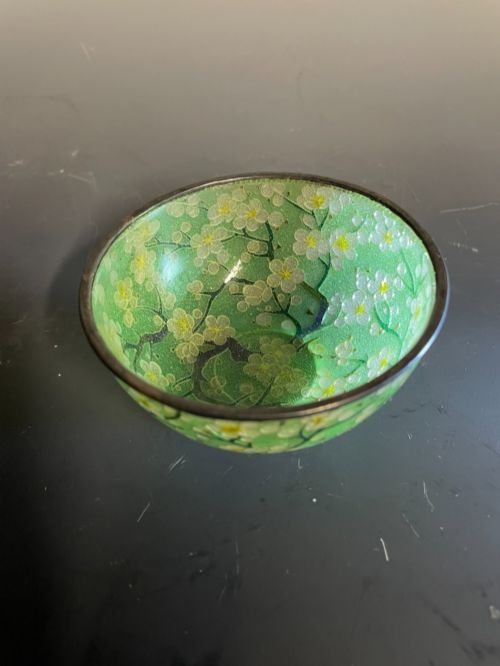
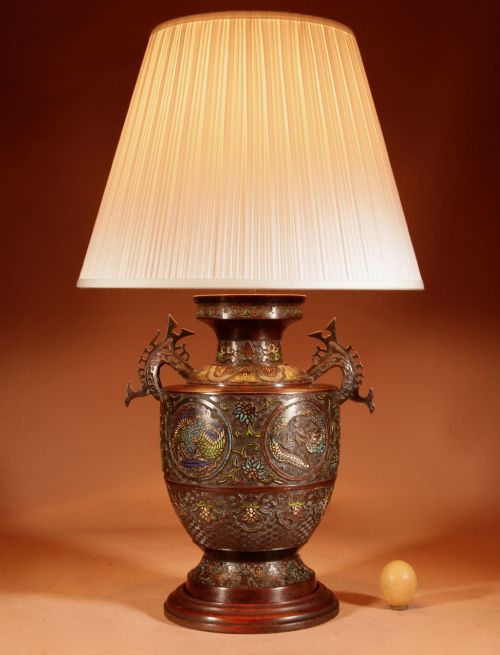
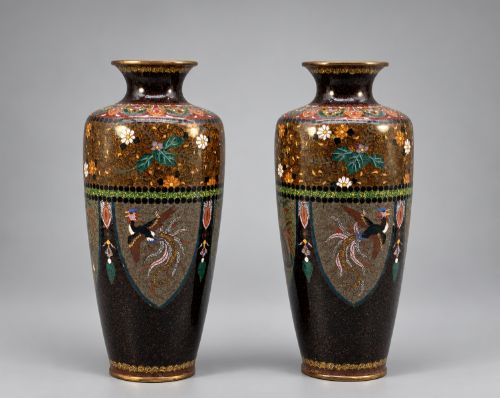
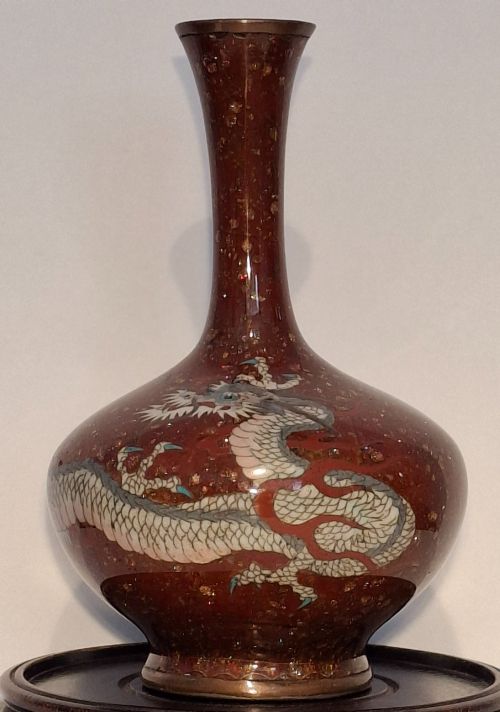
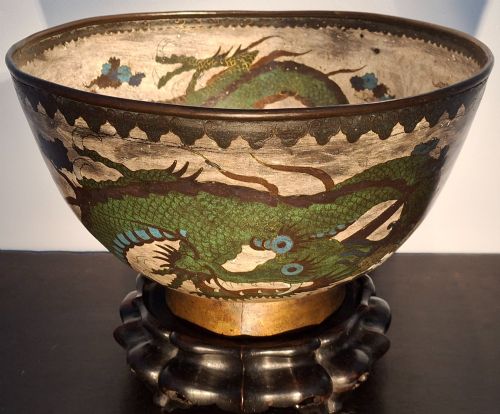
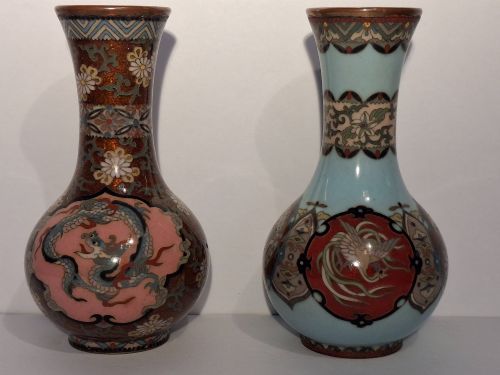
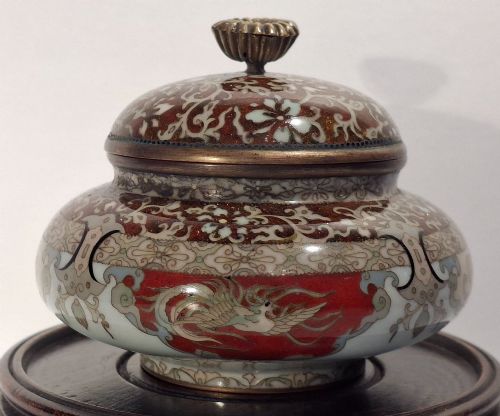
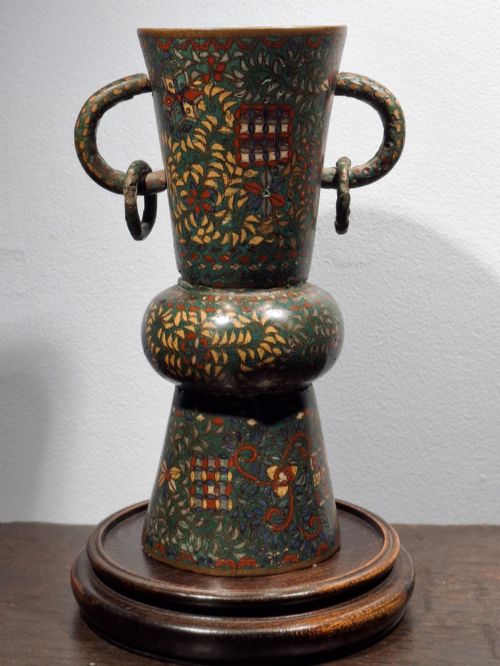
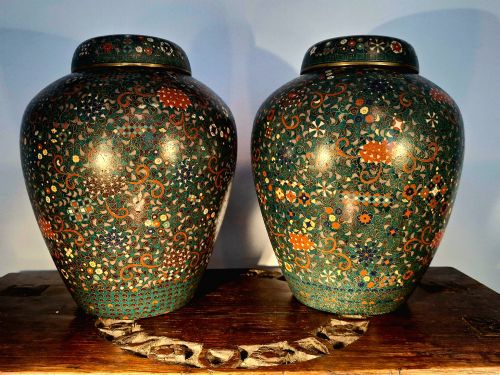
Japanese cloisonne enamel items encompass a wide range of decorative domestic objects, notably chargers, plates, trays, and vases. Buyers searching for japanese cloisonne enamel will encounter vessels and flat pieces featuring birds, dragons, flowers, and landscapes.
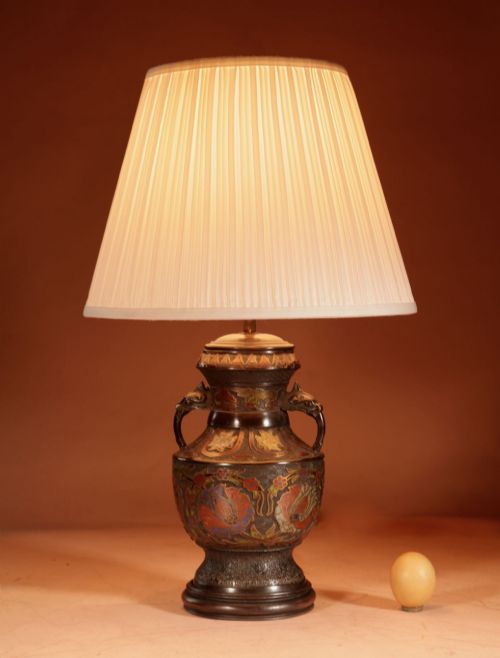
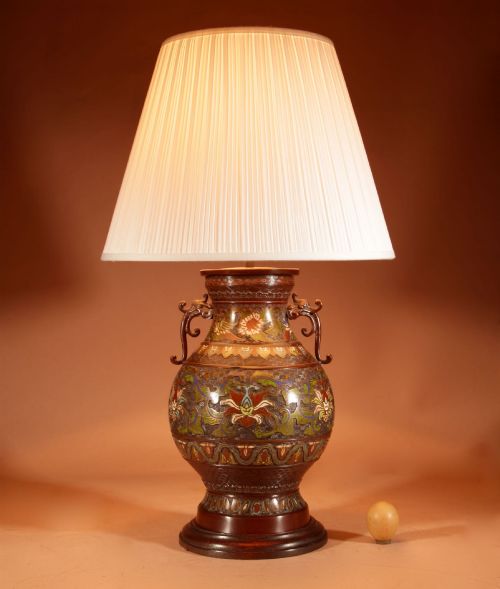
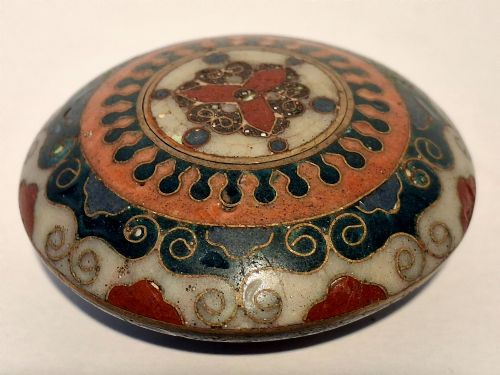
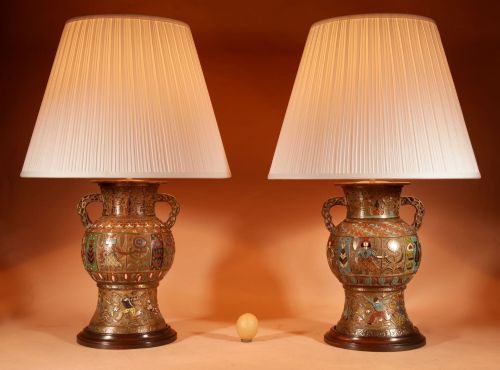
The majority of these pieces originate from the Meiji period and the late nineteenth century, alongside examples from the Taisho and Edo periods. Forms vary from large decorative chargers and lidded boxes to hanging koro incense burners and table lamps.
Surviving pieces demonstrate diverse regional production centres and workshops, including Nagoya, incorporating elements such as bronze, brass, and porcelain bodies alongside traditional metal wirework.
Materials and Technique
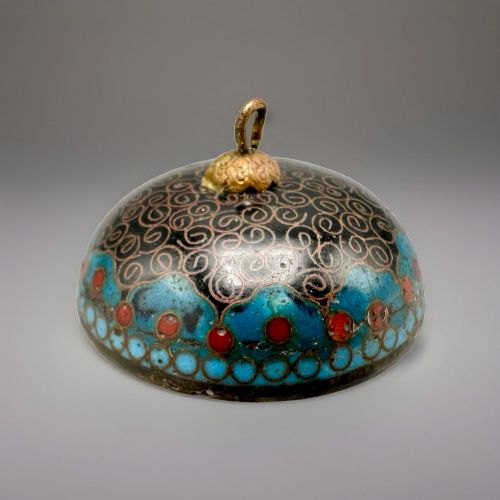
Artisans constructed these pieces using a base of copper, brass, bronze, or occasionally porcelain, applying thin metal wires to form the outlines of complex patterns. These flattened wires create compartmentalised cells, known as cloisons, which are subsequently filled with coloured enamel pastes.
The filled vessels underwent repeated firings in a kiln to fuse the glass paste, followed by meticulous grinding and polishing to achieve a smooth surface finish. Makers utilised silver wire, gold wire, or brass wire to define the intricate motifs of birds, flowers, and figures.
Japanese Cloisonne Enamel Retail Price Guide 2026
Typical asking prices for japanese cloisonne enamel among the pieces listed under this phrase on Sellingantiques today, from the lower quarter to the upper quarter. They describe what is for sale here now, not the wider market.
Surviving Meiji pieces occasionally depict unexpected subjects like leaping koi, proud cockerels, and plump shrimps alongside traditional dragons.
Assessing Quality
Quality in these enamels depends on the precision of the wirework and the complexity of the design, where thinner wires and tighter cellular grids demand greater technical skill. Pieces bearing signatures from established makers or recognised companies display superior control over the firing and polishing stages.
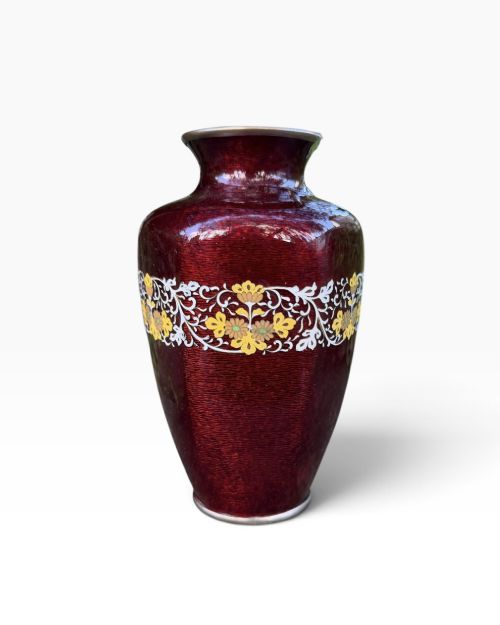
The depth of the colour, the clarity of the translucent ginbari or basse-taille enamel, and the subtlety of the pictorial subject matter separate standard decorative wares from masterwork productions.
Ando Jubei·Namikawa Yasuyuki·Hayashi Kodenji·Honda Yosaburo·Gonda Hirosuke·Kumeno Teitaro·Tamura Yukio
The Japanese Cloisonne Enamel Glossary
- Cloisonne
- A decorative metalwork technique where thin flat wires are soldered onto a metal base to create cells filled with enamel paste. These cells hold the vitreous enamel during the firing process.
- Charger
- A large ornamental plate intended for display rather than dining. These items frequently feature detailed pictorial scenes depicting birds, dragons, or landscapes.
- Koro
- A traditional Japanese incense burner, often lidded and supported on small feet. They appear in globular or hanging boat forms decorated with enamel work.
- Ginbari
- A technique involving textured foil applied beneath translucent enamel to create patterned backgrounds. This method produces a shimmering depth beneath the coloured glass.
- Totai Shippo
- A method where enamel is applied over a porcelain body rather than metal. Artisans carved the porcelain to imitate tree bark before adding the cloisonne decoration.
Japanese Cloisonne Enamel: Frequently Asked Questions
How do I date Japanese cloisonne enamel?
Dating relies primarily on the style of the decoration, the types of wire utilised, and the historical period associated with the piece, such as the Meiji era. Earlier nineteenth-century examples often employ heavier brass or copper wires, while later production frequently incorporates finer silver wires.
Makers' marks and signatures stamped or applied to the base also help establish a chronological window. Examining the overall palette and subject matter provides further context regarding the decade of manufacture.
Where were these enamel pieces made?
Production was centered in specific regions and prominent Japanese cities renowned for metalwork, including Nagoya and Kyoto. Master craftsmen and major workshops operated within these hubs, training apprentices and developing signature styles.
Pieces originating from these designated workshops frequently bear distinct signatures or company marks on their bases or rims. Regional specialisms influenced whether a piece utilised a copper, bronze, or porcelain body.
How should I display chargers and vases?
Large chargers are typically exhibited on specialised wall hangers or sturdy plate stands to showcase their detailed pictorial surfaces. Vases and koro incense burners benefit from placement on stable flat surfaces away from direct sunlight to preserve the vibrant enamel colours.
Grouping items by period or motif allows collectors to highlight variations in wirework and glazing techniques. Ensuring adequate spacing prevents accidental knocks to delicate rims and handles.
What is the difference between wire types?
Makers used brass, copper, silver, and gold wires to delineate the cells within the design. Silver and gold wires allowed for finer, more intricate detailing, whereas earlier or utilitarian pieces relied on thicker brass wire.
The choice of wire influences the visual texture of the finished design and often indicates the quality tier of the piece. Close inspection under magnification reveals the material and width of the wire framework.