

Oriental Enamel Vase
An oriental enamel vase brings centuries of layered pigment, metalwork, and ceramic mastery directly into a room.
Oriental Enamel Vase
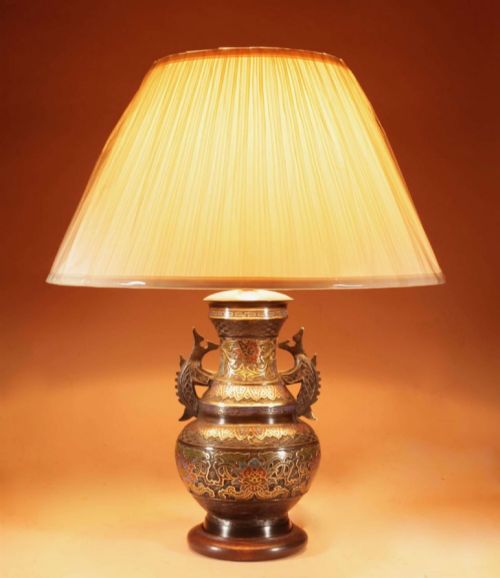
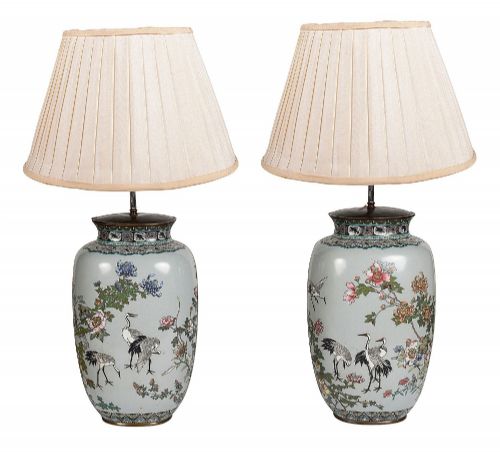
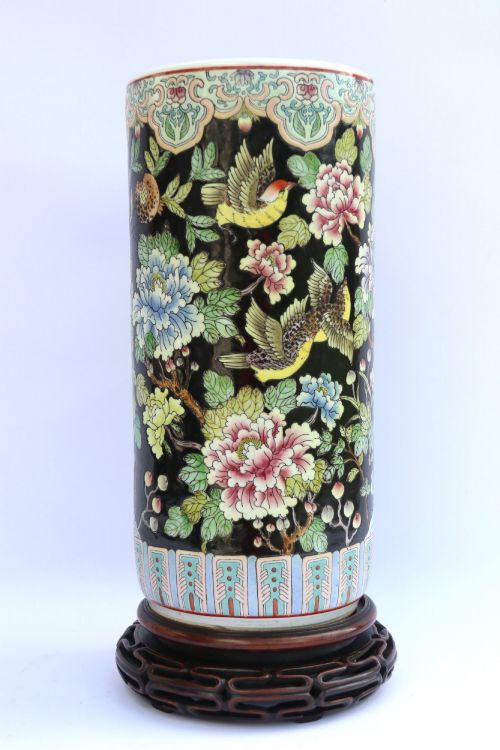
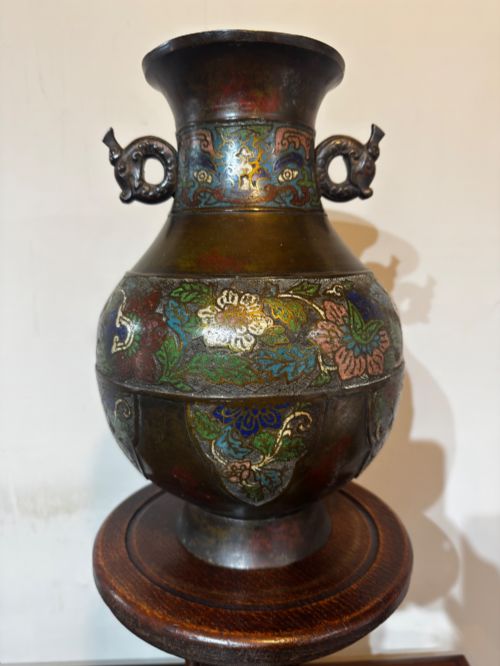
An oriental enamel vase encompasses both intricate Japanese metalwork and richly painted Chinese ceramics, spanning centuries of skilled workshop production. When exploring an oriental enamel vase on this page, the eye meets varied forms including ginger jars, baluster vessels, and converted table lamps.
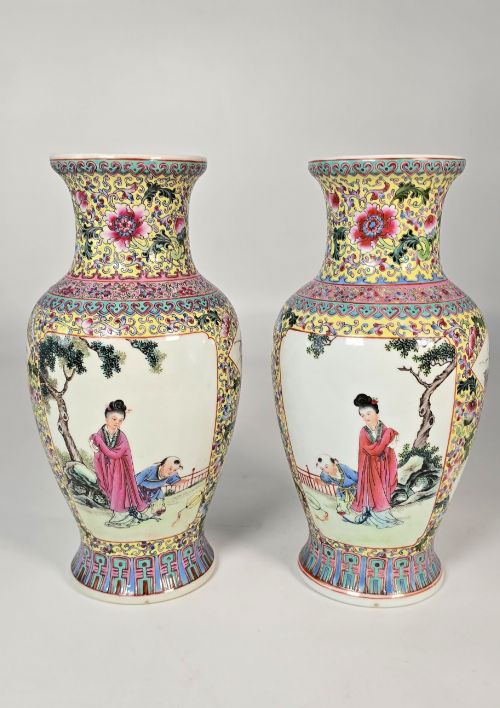
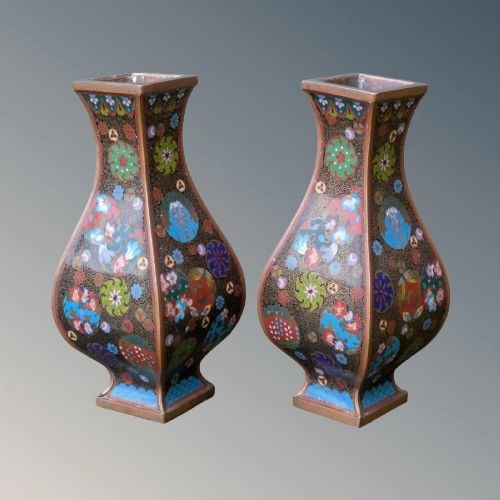
The selection ranges from nineteenth-century Meiji period cloisonné to eighteenth-century Qing Dynasty famille rose porcelain. Buyers encounter pieces originating from distinctive cultural traditions, often displaying floral motifs, court figures, or delicate birds.
Vessels emerge in multiple sizes, from miniature cabinet pieces to monumental floor vases. Earthenware, stoneware, and porcelain bodies provide the canvas for complex decorative schemes executed in brass, bronze, and copper settings.
How they were made
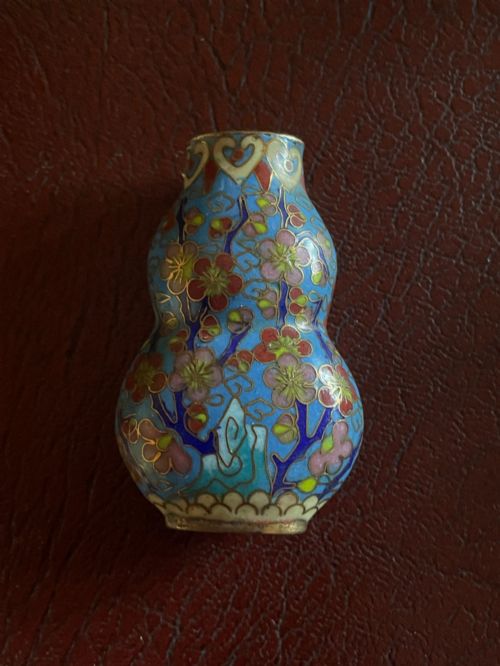
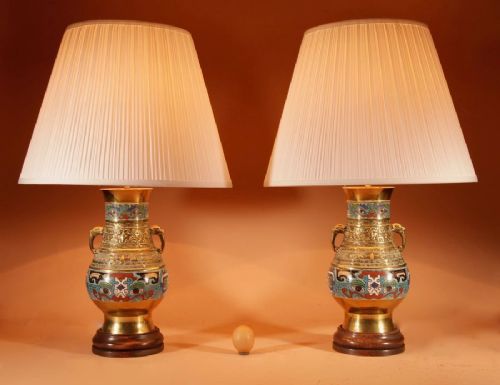
Cloisonné and champlevé techniques rely on copper, brass, or bronze foundations where metal wire or carved troughs outline individual cells for coloured enamel pastes. Firing fixes the vitreous pigments before surface grinding and polishing reveal the sharp metallic grid.
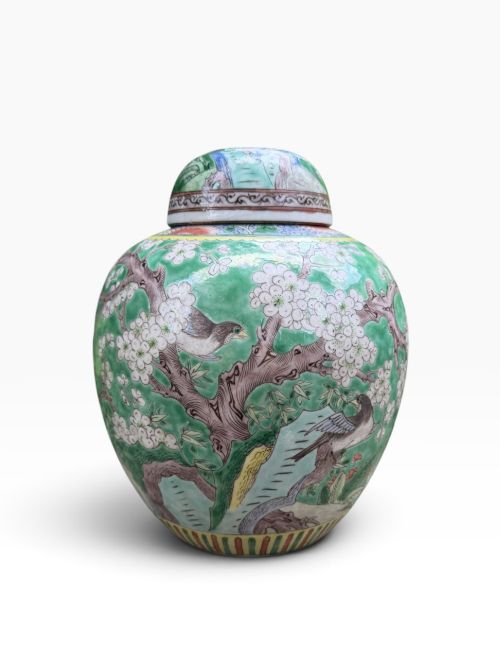
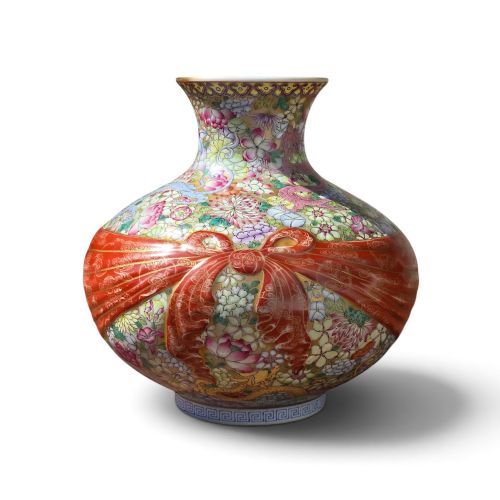
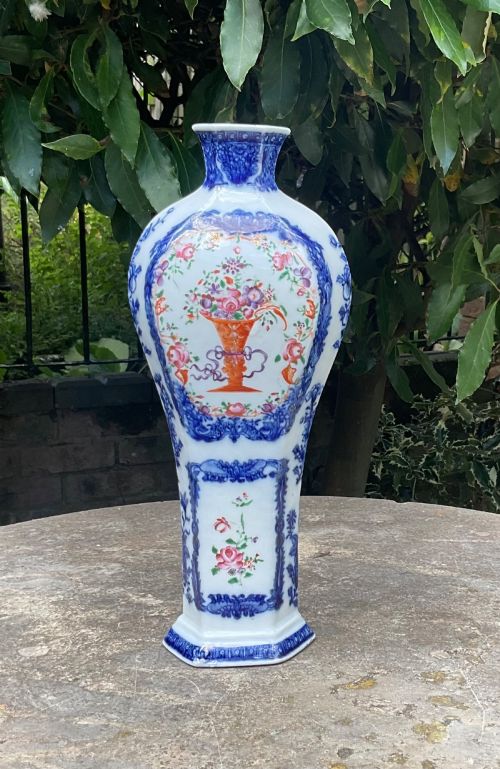
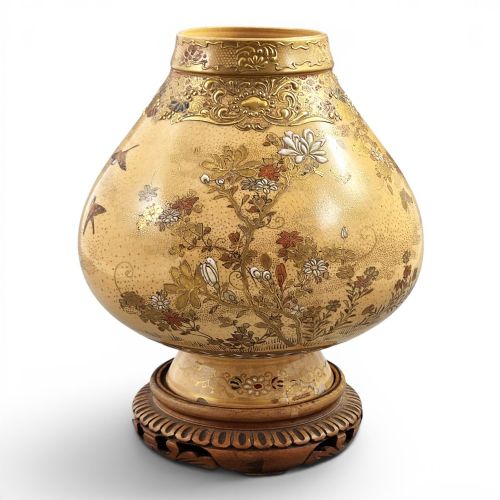
Porcelain and earthenware pieces utilise painted enamel palettes, incorporating famille rose and iron-red pigments applied directly to the ceramic body or overglaze grounds. Gilding, gold leaf, and raised moriage paste add dimensional texture to the finished surface.
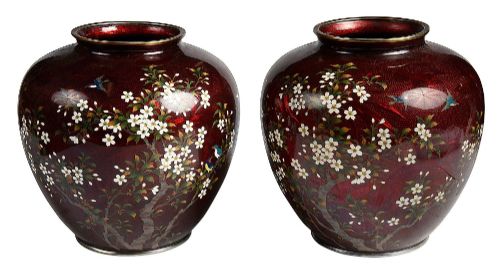
Advanced Japanese works employ silver wire and ginbari bases with translucent basse-taille enamel to create patterned backgrounds beneath vibrant red colour fields. Hardwood stands frequently accompany larger Chinese porcelain jars, providing stable support for heavy ceramic bodies.
Listings feature periods spanning from the eighteenth-century Qing Dynasty through the Meiji period to the early twentieth-century Republican era.
What varies in quality
Precision of wirework and uniformity of enamel fill distinguish superior cloisonné from simpler production items. Finer pieces demonstrate absolute symmetry in cell division and complete absence of pitting or bubbling within the vitreous paste.
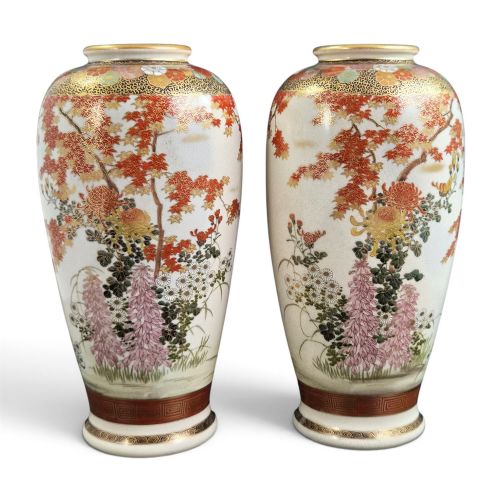
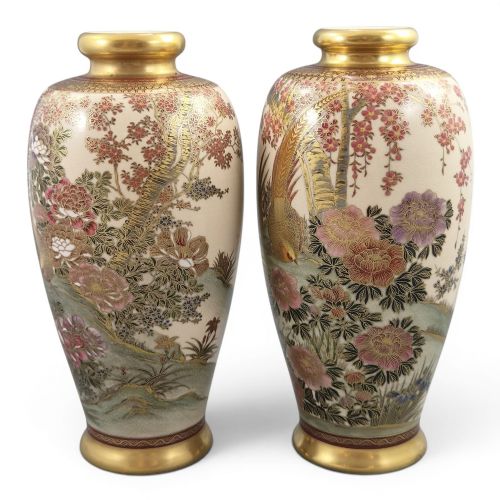
Artistic execution on Satsuma earthenware and famille rose porcelain reveals differences through brushwork control and compositional balance. Master workshops achieve greater depth in facial expressions, plumage, and floral rendering, while lesser examples rely on repetitive stencilled motifs.
Signature marks and imperial or workshop seals indicate higher status production from recognised makers. The weight of the bronze or copper armature and the crispness of chased details further separate standard decorative items from exceptional artistic achievements.
Ando Jubei·Makuzu Kozan II·Manpei Kobe·Maruni Kobe·Nanzan mark·Seiko-en Chokei·Kinzan
The Oriental Enamel Vase Glossary
- Cloisonné
- Enamelwork technique where thin metal wires are soldered to a metal base to create compartments filled with paste and fired. This method produces intricate geometric and pictorial designs across vases and jars.
- Champlevé
- Enamel technique where troughs or cells are carved directly into the thick metal surface rather than using applied wires. The recessed areas are subsequently filled with enamel and fired.
- Famille Rose
- A palette of opaque rose-pink and other soft enamel colours introduced in Chinese ceramics during the Qing Dynasty. The style dominates eighteenth and nineteenth-century export porcelain.
- Moriage
- Japanese ceramic decoration using raised enamel or slip to create textured, tactile patterns on the glaze. It frequently highlights robes and floral elements on Satsuma wares.
- Ginbari
- Japanese technique featuring embossed foil applied beneath translucent enamel to create a textured, shimmering background. It is often paired with silver wire cloisonné.
- Basse-Taille
- An enamelling method where the metal background is carved or engraved with a low relief design visible through translucent enamel. This technique catches the light beneath the colour field.
Oriental Enamel Vase: Frequently Asked Questions
Were these vases made for export?
Many nineteenth-century pieces were explicitly produced for Western markets following the opening of Japanese and Chinese trade ports. These export items often combined traditional Eastern motifs with forms suited to European interiors.
Imperial and domestic commissions followed different aesthetic standards, though both categories utilised similar enamel and ceramic techniques.
How can I tell Satsuma ware apart?
Satsuma ceramics feature a distinctive ivory-coloured, crackled earthenware glaze decorated with polychrome enamels and extensive gilding. They originate from Japanese workshops and frequently depict historical figures or dense floral arrangements.
Closer inspection often reveals artist signatures or workshop seals on the base, indicating the producing kiln.
What is the difference between cloisonne and champleve?
Cloisonné uses thin metal wires soldered onto a metal body to form separate compartments for coloured enamel pastes. The resulting surface shows a fine metallic grid outlining every colour change.
Champlevé involves carving channels directly into a thicker bronze or brass foundation to hold the enamel. The metal boundaries in champlevé appear wider and more integrated with the cast vessel structure.