










Japanese Decorative Arts
Japanese decorative arts encompass diverse objects from the Edo to the Taisho periods, offering intricate craftsmanship that brings historical depth and visual richness to any interior.
Japanese Decorative Arts
Japanese decorative arts cover a broad spectrum of forms, spanning from vases and lidded ginger jars to large chargers, decorative plates, and sculptural figures. These items serve both functional and aesthetic purposes, originating from various periods including the Meiji and Taisho eras.
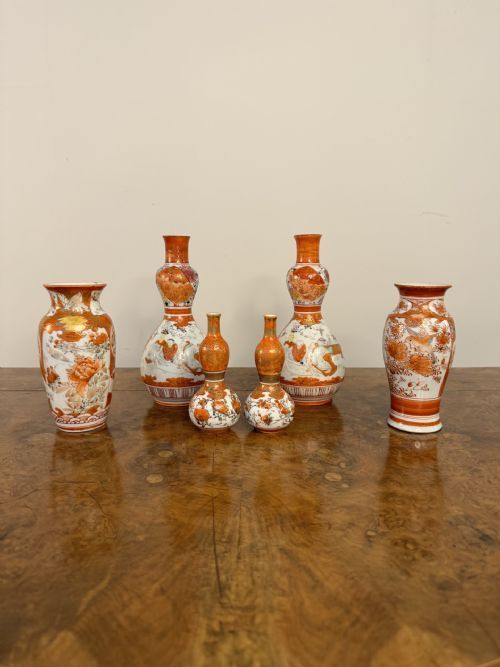
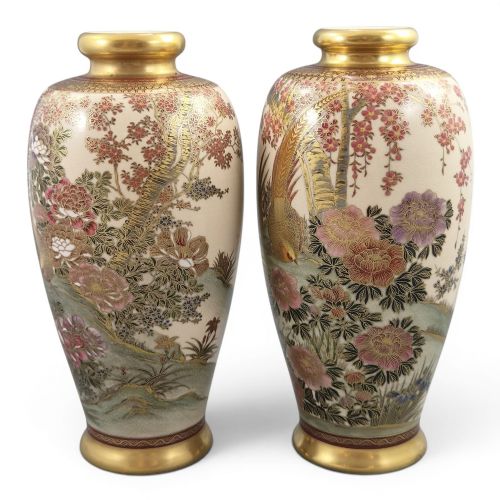
Vessels and wall plaques dominate the selections, alongside intricate carved cedar folk art and okimono figures. Buyers frequently encounter Satsuma ware, Imari porcelain, and Kutani pottery during their search.
The objects reflect distinct historical phases, stretching from the mid-nineteenth century through the early twentieth century. Each piece carries the aesthetic sensibilities of its specific era, shaped by traditional techniques and local materials.
Materials and construction methods
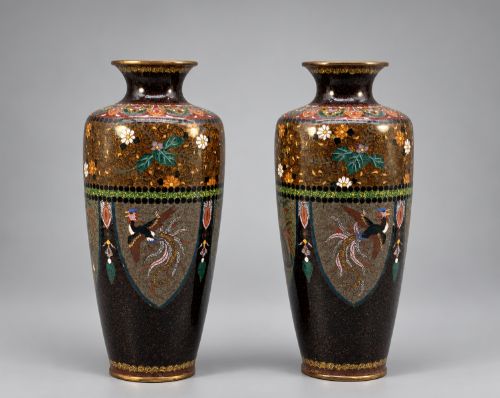
Enamel work relies on cloisonné techniques, using thin metal wires to partition the surface before applying coloured vitreous pastes. Artisans also utilised porcelain, earthenware, bronze, and copper as foundational bases for intricate surface decoration.
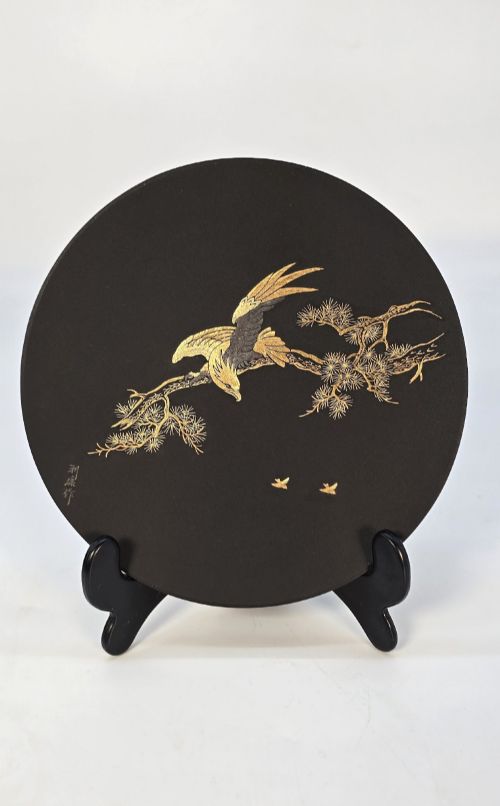
Decorations often incorporate gold leaf, silver inlay, and patinated iron to create contrast and texture. Lacquer techniques provide deep lustrous finishes on wooden plaques and small carved okimono figures.
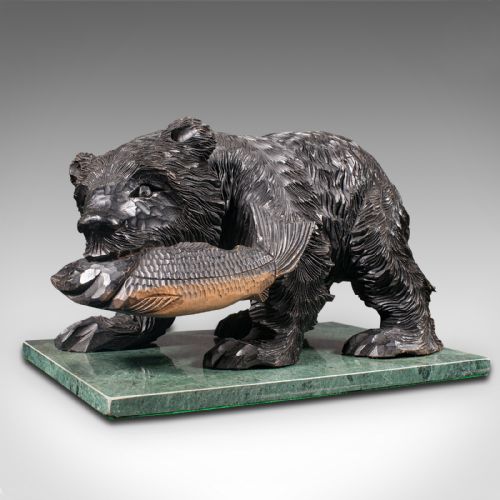
Pottery items such as Imari and Satsuma employ traditional ceramic firing methods, followed by hand-painted overglaze pigments and gilding. Wood carving appears in folk art pieces like the Kibori Kuma bear figures.
Japanese Decorative Arts Retail Price Guide 2026
Typical asking prices for japanese decorative arts among the pieces listed under this phrase on Sellingantiques today, from the lower quarter to the upper quarter. They describe what is for sale here now, not the wider market.
Listings feature items spanning the Meiji and Taisho periods, utilising copper, bronze, porcelain, and cloisonne enamel.
Distinctions in execution and design
Quality rests upon the precision of the execution, whether in the exact placement of cloisonné wire partitions or the fineness of hand-painted enamel details. Superior examples exhibit disciplined brushwork, balanced composition, and clean firing results without surface distortion.
Materials dictate the upper tier of the range, where heavy gauge metals, pure gold leaf, or translucent enamels demonstrate exceptional material costs. Workshop signatures and historical attribution add historical weight to individual pieces.
Design complexity separates standard commercial output from masterworks. Compositions featuring elaborate mythical subjects, multiple bird or floral motifs, and multi-layered patination require advanced technical mastery.
Manpei Kobe·Kinkozan Kyoto·Hododa Yokohama·Haruyama Shunzan
The Japanese Decorative Arts Glossary
- Cloisonne
- Enamelwork created by soldering thin metal wires to a metal base to form compartments filled with paste and fired. This technique produces intricate cellular patterns across vases and plates.
- Imari
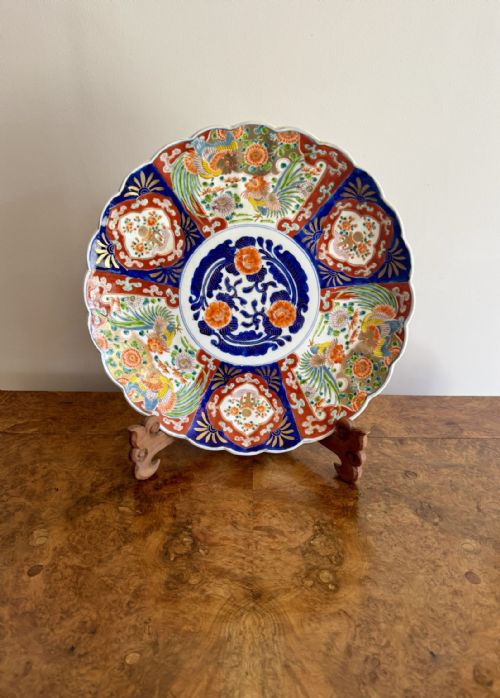
- A style of Japanese porcelain decorated in underglaze blue and overglaze red, green, and gold. These pieces originated in Arita and were exported extensively through the port of Imari.
- Satsuma
- Earthenware pottery featuring a fine ivory crackle glaze decorated with polychrome enamels and gilding. Production centred in the Satsuma Province before spreading to Kyoto and other regions.
- Okimono
- A small Japanese decorative sculpture designed for display on a tokonoma alcove or cabinet. These figures portray deities, animals, and historical figures carved from wood, ivory, or cast in metal.
- Kutani
- Japanese coloured porcelain noted for vibrant pictorial designs using greens, blues, yellows, purples, and reds. The tradition includes both early wares and later revived production periods.
- Tsuba
- A traditional sword guard placed at the base of the blade handle on Japanese swords. These metal components often feature elaborate metalwork, carving, and inlay.
Japanese Decorative Arts: Frequently Asked Questions
What is Satsuma ware?
Satsuma ware consists of cream-coloured earthenware covered in a distinct fine crackle glaze. Artisans decorated these surfaces with detailed polychrome enamels and generous amounts of gilding.
Originally produced in the Satsuma domain of southern Kyushu, production later expanded to major urban centres like Kyoto and Yokohama to meet international demand.
How do I identify Meiji period items?
The Meiji period spans from eighteen sixty-eight to nineteen twelve, a time when Japanese craftsmanship expanded rapidly for export markets. Look for intricate cloisonné, precise metal inlay, and highly detailed pictorial compositions.
Many pieces from this era bear workshop signatures or artist seals on the base, reflecting the pride of individual makers and studios.
What are Imari plates?
Imari plates are traditional Japanese porcelain items characterised by a distinct palette of underglaze blue, iron red, and gilt highlights. These dishes were shipped from the port of Imari to European markets during the Edo period and later.
The designs typically feature dense floral arrangements, geometric borders, and traditional Japanese motifs executed with high contrast.
How should I display a cloisonne charger?
Cloisonné chargers work well displayed on dedicated wall mounts or sturdy plate stands to show off their intricate wirework and enamel surfaces. Keep them out of direct sunlight to protect the integrity of the coloured pastes.
Handling should remain minimal, using clean, dry hands to support the weight from the base and edges rather than the rim alone.