

Asian Decorative Enamel
Asian decorative enamel brings together intricate metalwork and ceramics from Chinese and Japanese traditions, offering collectors vibrant historical pieces for display.
Asian Decorative Enamel
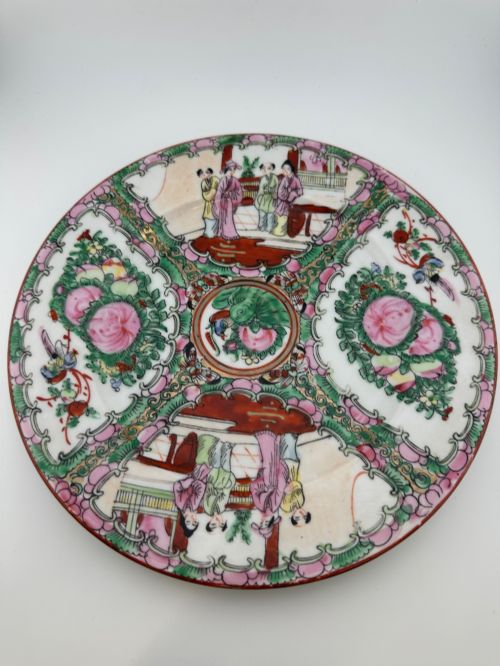
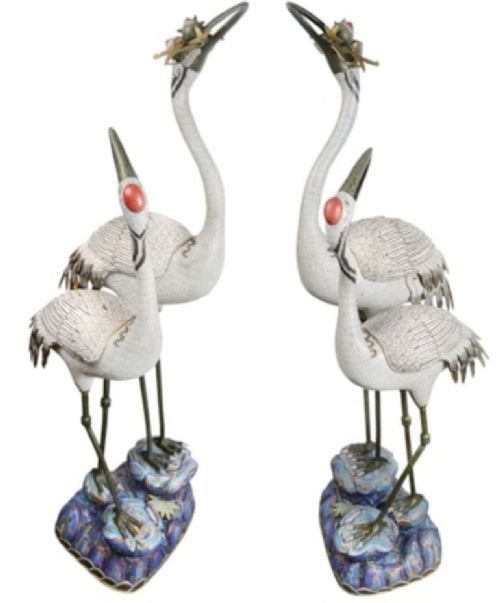
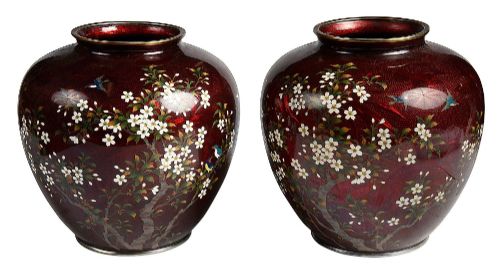
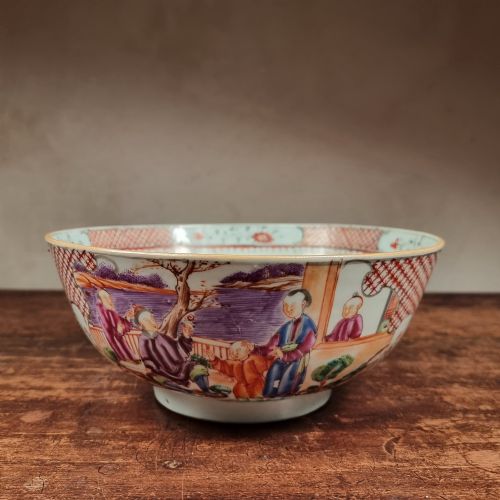
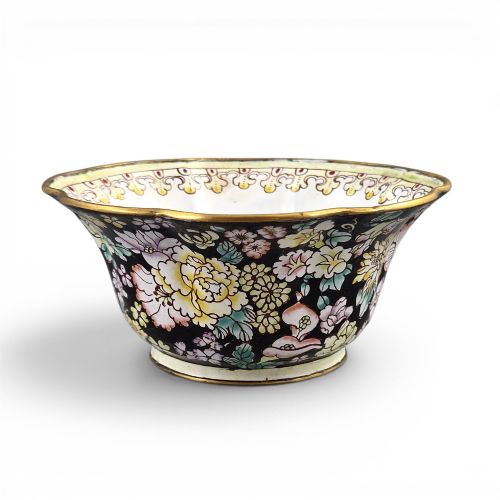
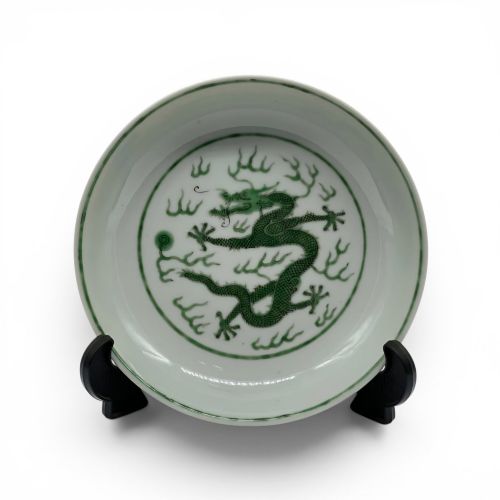
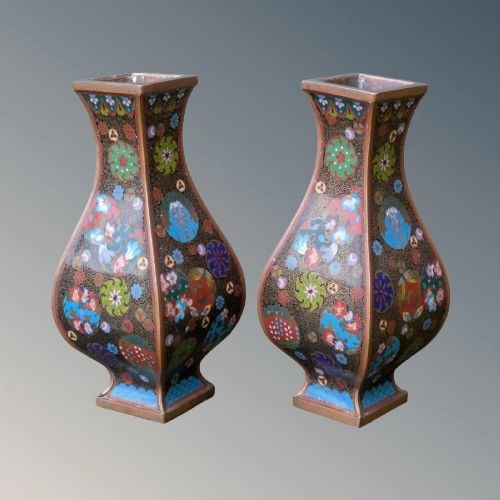
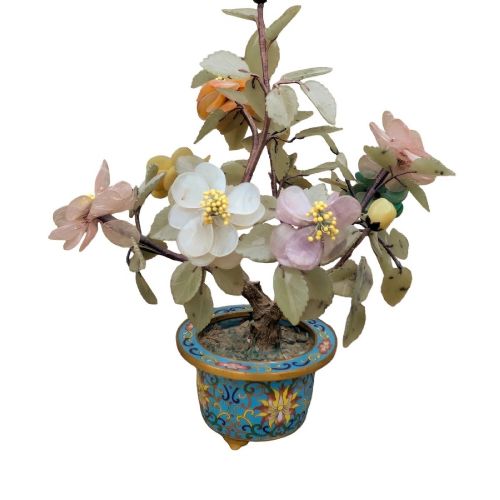
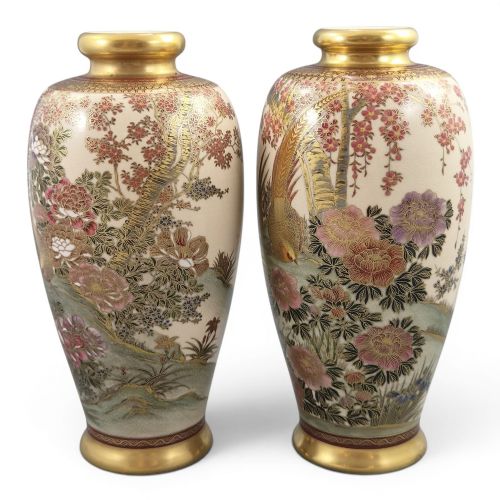
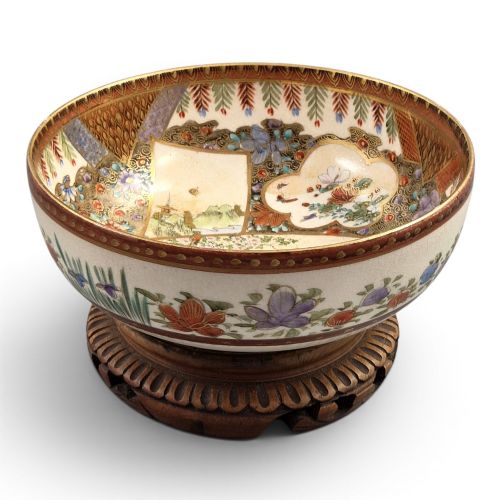
Asian decorative enamel encompasses a range of dishes, chargers, vases, and bowls originating from Chinese and Japanese workshops. When exploring Asian decorative enamel, buyers frequently encounter pieces created during the Meiji period and Qing dynasty.
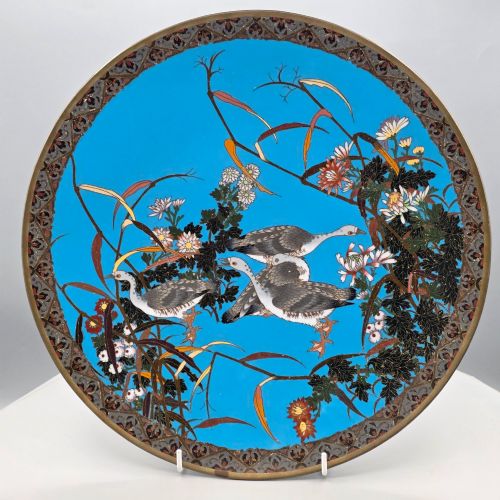
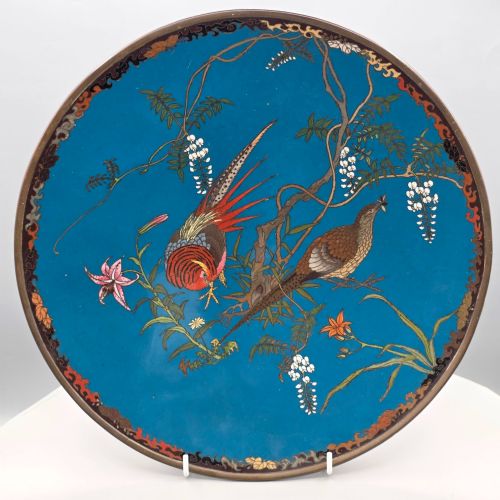
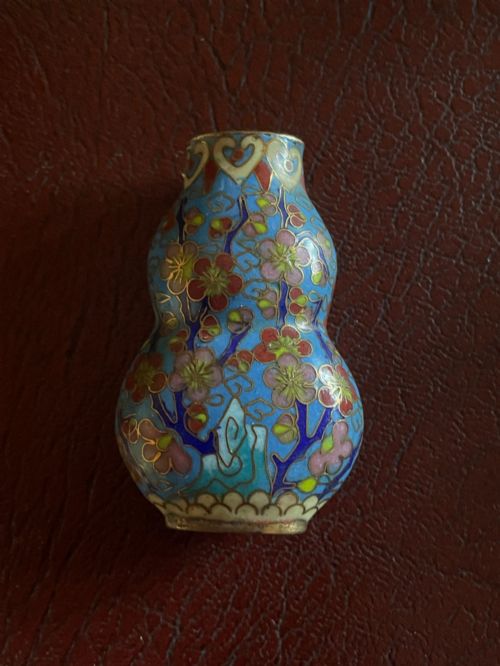
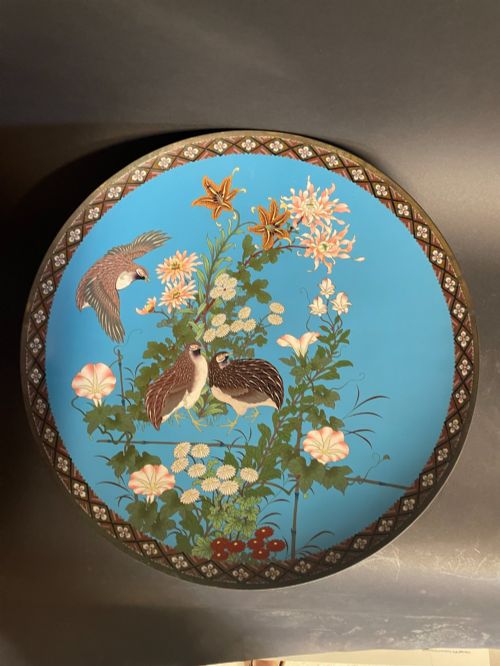
The selection ranges from large cloisonne chargers depicting birds and dragons to miniature vases and lidded pots. These forms reflect the diverse aesthetic traditions of East Asian craftsmanship across the nineteenth and early twentieth centuries.
How they were made
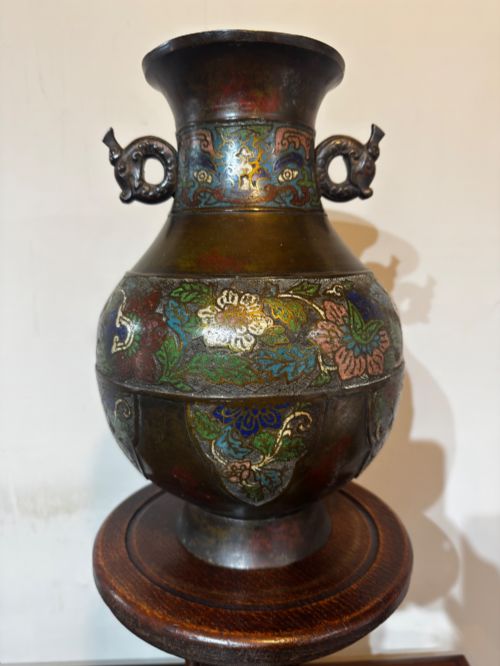
Many items utilise cloisonne enamel, where thin metal wires are soldered onto copper or brass bases to create compartments that are subsequently filled with coloured enamel pastes. Other examples apply painted enamel directly onto copper surfaces or combine enamel decoration with porcelain, bronze, and earthenware.
Firing and polishing techniques determine the final finish of the surface. Skilled artisans fired these metal and ceramic bodies multiple times before grinding and polishing the enamel to a smooth lustre.
Owning an enamel plate featuring an owl gazing toward Mount Fuji offers a permanent piece of nineteenth-century Japanese scenery for your wall.
What varies in quality
The precision of the wirework and the complexity of the subject matter distinguish finer examples from standard production. Detailed depictions of flora, fauna, or mythological figures require immense skill from the artisan.
The clarity of the enamel colours and the smoothness of the finished surface indicate the level of craftsmanship involved. Pieces displaying careful attention to composition and finishing represent the upper tier of the range.
Manpei·Kozan·Makuzu Kozan II·Hakusan
The Asian Decorative Enamel Glossary
- Cloisonne
- A technique of decorating metalwork objects with coloured enamel pasted within compartments formed by thin metal strips welded to the base. This method creates detailed pictorial designs across vases and plates.
- Champleve
- A technique where troughs or cells are carved or cast directly into the surface of a bronze or metal base to hold enamel. The surrounding metal remains visible as part of the pattern.
- Charger
- A large ornamental plate or dish intended primarily for display rather than dining use. These pieces often feature elaborate pictorial motifs covering the central well.
- Meiji Period
- A period of Japanese history dating from 1868 to 1912, noted for significant developments in metalwork and cloisonne production. Works from this era frequently showcase naturalistic animal and landscape themes.
- Qing Dynasty
- The last imperial dynasty of China, lasting from 1644 to 1912. Production from this period includes distinctive imperial style vessels and bowls.
Asian Decorative Enamel: Frequently Asked Questions
What is Asian decorative enamel?
Asian decorative enamel comprises ornamental metal and ceramic objects decorated with fused glass powder, originating mainly from China and Japan. These items include chargers, vases, bowls, and trays produced across multiple centuries.
Craftsmen utilised techniques such as cloisonne and painted enamel to render detailed scenes of birds, dragons, and flowers. Collectors value them for their intricate handwork and vibrant colour palettes.
How were cloisonne items displayed?
Historically, large chargers and plates were often set on wooden stands or hung on walls to showcase their pictorial designs. Vases and bowls served as ornamental table centrepieces in domestic interiors.
Today, these objects are typically placed on mantels, tables, or within cabinets where adequate lighting highlights the metallic wirework and enamel surface.
How do I care for antique enamel?
Maintaining antique enamel involves keeping pieces away from direct sunlight and sudden temperature changes, which can stress the metal and glass compounds. Dusting gently with a soft, dry cloth is usually sufficient for routine cleaning.
Avoid using liquid cleaners, abrasives, or immersion in water, as moisture can affect exposed metal bases or historic repairs.