
Antique Enamel Urn
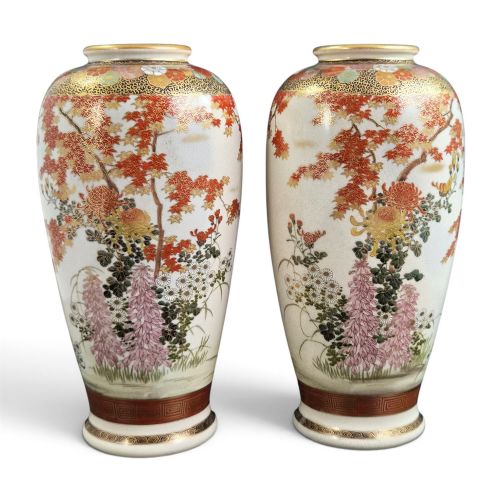
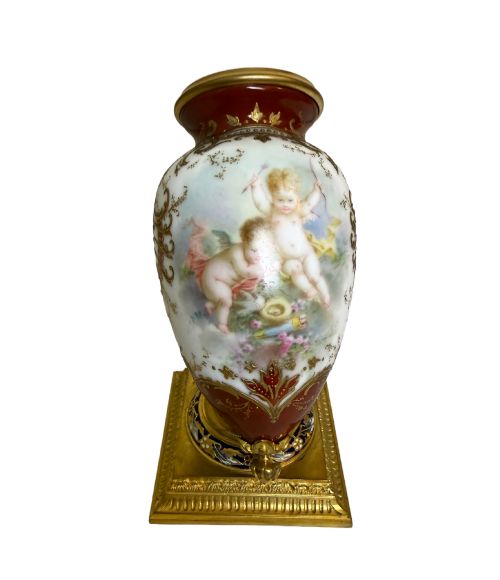
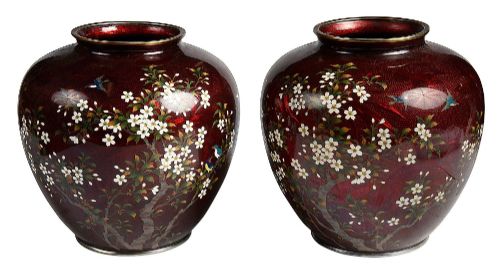
An antique enamel urn brings vibrant colour and meticulous metallic or ceramic craftsmanship into a room.
Antique Enamel Urn
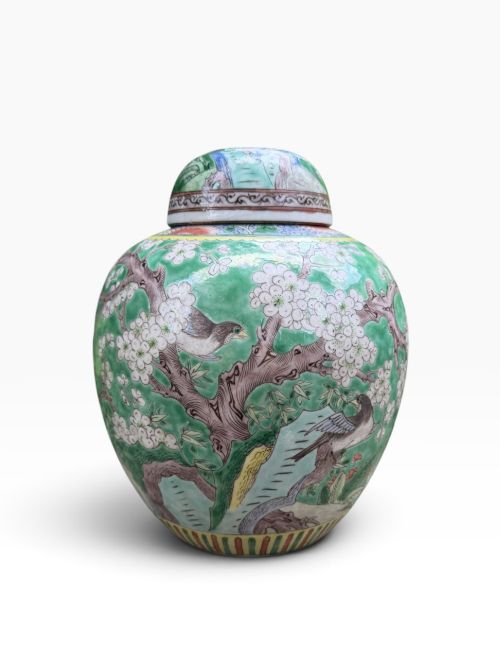
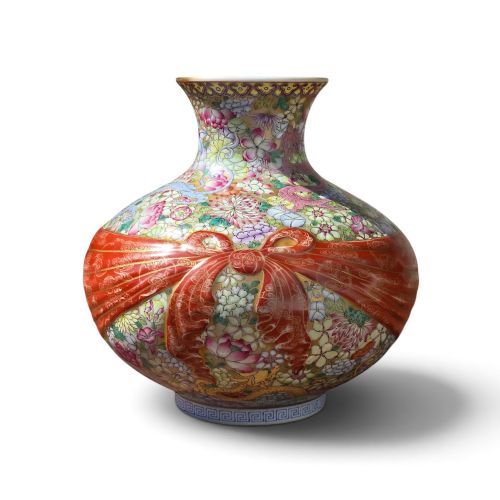
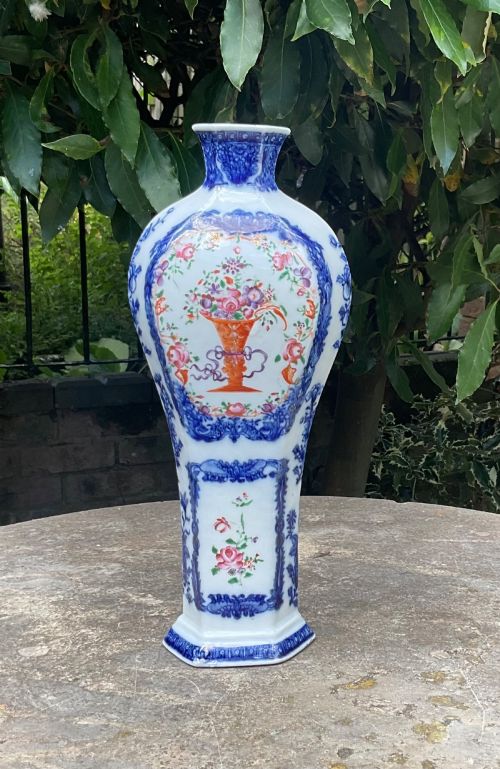
When searching for an antique enamel urn, buyers encounter striking vessels created for display, lighting, or containment across the eighteenth, nineteenth, and early twentieth centuries. These objects combine durable bases of bronze, brass, or earthenware with vitreous enamel decoration applied in various historic techniques.
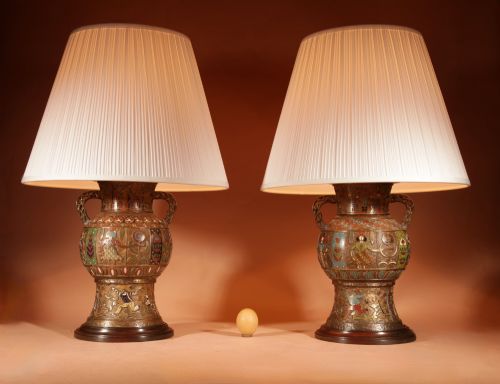
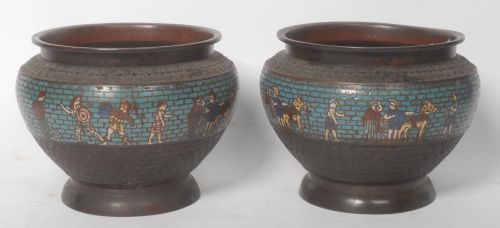
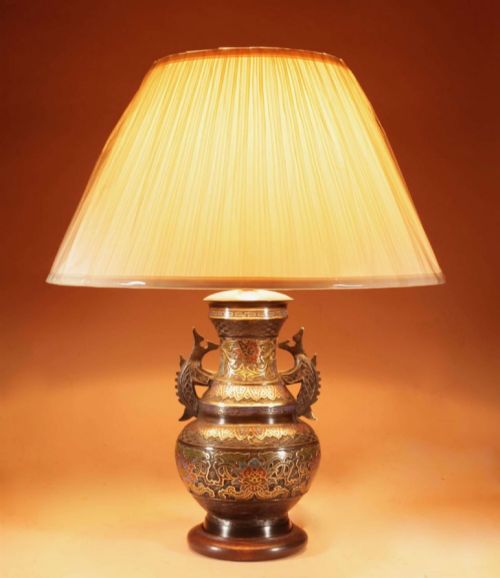
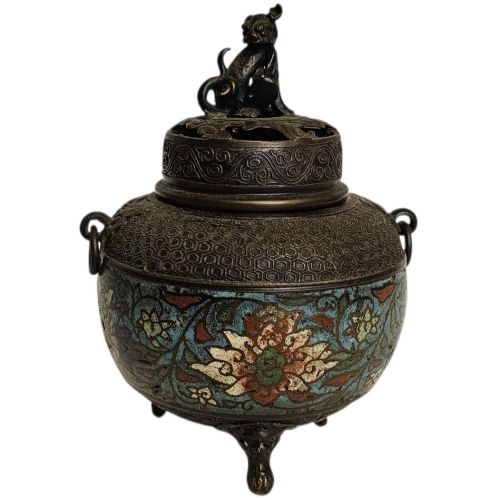
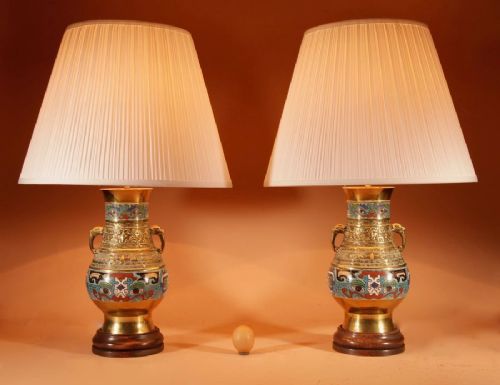
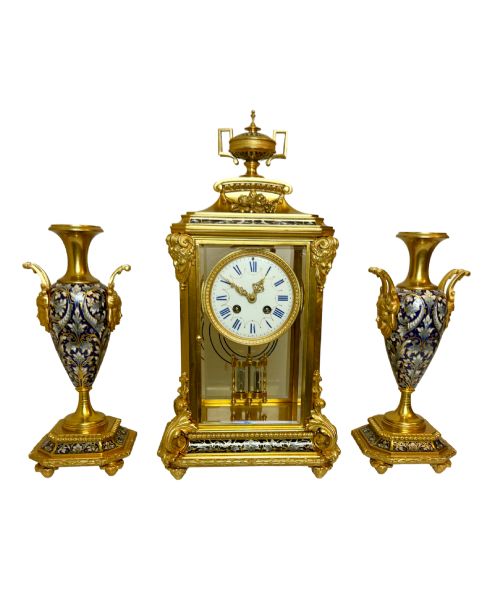
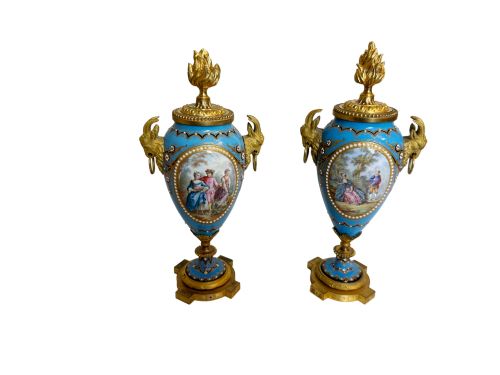
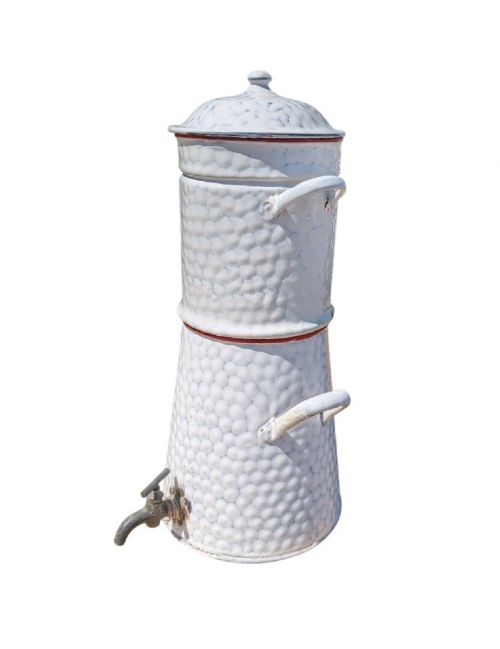
The pieces appearing on this page span diverse cultural origins, ranging from French gilt bronze garnitures and mantel clocks to Japanese Meiji period champlevé table lamps and Chinese Qing dynasty cloisonné vessels. Forms vary from traditional lidded vases and chensers to cassolettes and coffee urns, reflecting both European revival styles and Asian export traditions.
Victorian examples often integrate vibrant enamel panels with green onyx or gilded metal, while earlier pieces display hand-painted porcelain or delicate copper wirework. Each surviving vessel demonstrates how domestic and decorative arts intersected during periods of prolific international exchange.
Materials and construction
The creation of these vessels relied upon fusing powdered glass to metal or ceramic substrates at high temperatures, producing hard, lustrous surfaces resistant to wear. Artisans utilised copper, bronze, and brass foundations for metal-based enamelling, shaping them through casting or hammering before applying the decorative layers.
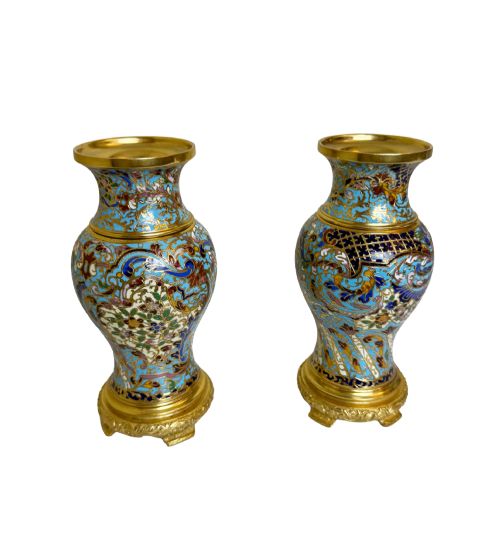
Techniques diverge primarily between cloisonné, where thin metal wires create cells for distinct enamel pastes, and champlevé, which involves gouging troughs directly into the metal body to hold the coloured glass. Once filled and fired multiple times, the surfaces were ground smooth and gilded to highlight the metallic borders.
Listings feature items spanning the eighteenth to the twentieth centuries, utilising materials such as earthenware, porcelain, bronze, glass, and gold leaf.
Assessing craftsmanship and execution
Quality rests upon the precision of the metalwork and the uniformity of the fired glass paste. Superior pieces display crisp wire boundaries or deeply carved channels that contain the enamel without pooling or bubbling.
The complexity of the palette and the refinement of hand-painted or hand-applied details distinguish standard production from exceptional studio output. Integrated mounts in gilt bronze and the crispness of subsidiary ornamentation further indicate the hand of a skilled workshop.
Maruni Kobe·Kinkōzan Workshop·Kralik Glass·Makuzu Kozan II
The Antique Enamel Urn Glossary
- Cloisonné
- An enamelling technique where metal wires are soldered to a base to form compartments filled with vitreous paste. This method creates intricate patterned designs bounded by thin metallic lines.
- Champlevé
- A technique where troughs or cells are hollowed out of a metal surface and filled with enamel powder before firing. The surrounding metal remains visible as part of the overall design.
- Garniture
- A set of matching decorative objects, typically vases or urns accompanied by clocks, designed to sit together on a mantelpiece. These matched sets dominated nineteenth-century formal interiors.
- Cassolette
- A decorative vessel shaped like an urn, featuring a reversible lid that functions either as a solid cover or a burner for perfumes. French makers frequently paired these with gilt bronze mounts.
- Famille Rose
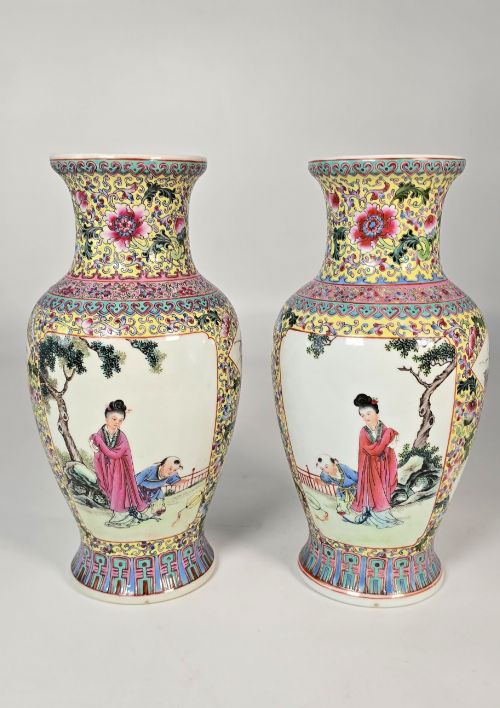
- A Chinese ceramic palette characterised by opaque pink or rose enamel introduced during the Qing dynasty. This coloration allowed for delicate shading in floral and figural scenes.
Antique Enamel Urn: Frequently Asked Questions
What is an antique enamel urn used for?
These vessels served primarily as decorative garniture pieces for mantelpieces, centrepieces for formal dining tables, or housing for clock movements and lighting fixtures.
Over time, their function shifted from practical domestic items to purely decorative statements showcasing skilled metalwork and glass fusing.
How do I date an antique enamel urn?
Dating relies on examining the substrate materials, stylistic revival motifs, and manufacturing marks left by specific workshops or dynasties.
French pieces often correlate with nineteenth-century historicism, while Asian examples align with marked Qing reign periods or Meiji era production eras.
Where were these urns manufactured?
Production centres spanned Europe and Asia, with prominent output originating from French studios in Paris, Japanese artisan hubs in Kyoto and Kobe, and Chinese imperial kilns.
Each region developed distinct material preferences, combining local metalworking traditions with specialised enamelling methods.
How should I clean an antique enamel urn?
Maintenance requires gentle dusting with a soft, dry cloth to protect fragile metal gilding and vitreous enamel surfaces from abrasion.
Moisture and chemical polishes should be avoided entirely, as they can discolour exposed copper, brass, or delicate glass pastes.