



Meiji Period Incense Burner
A meiji period incense burner brings meticulous metalwork and ceramic artistry into a room, offering both sculptural presence and traditional fragrance.
Meiji Period Incense Burner
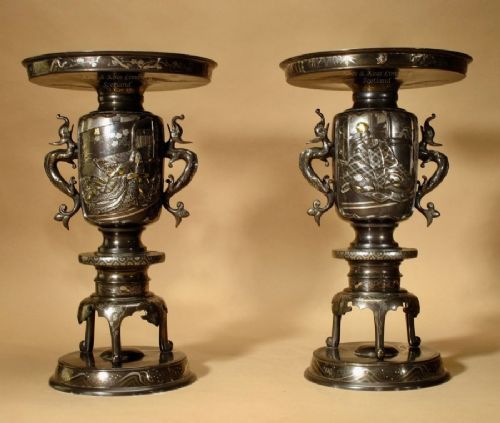
When you search for a meiji period incense burner, you encounter lidded vessels known as koro, alongside larger temple censers and sculptural shapes.
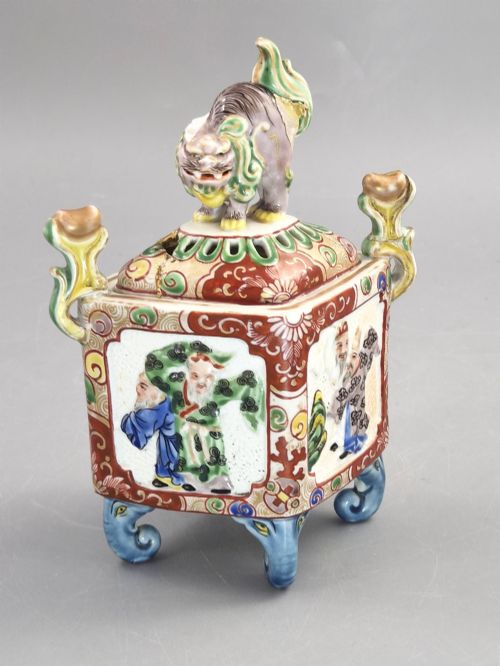
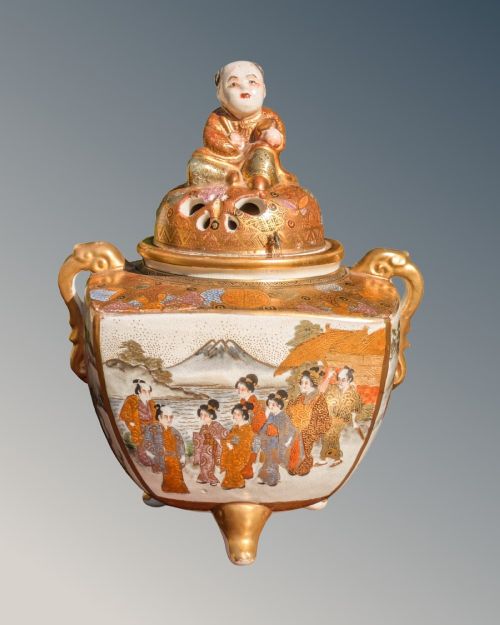
Many examples arrive complete with pierced lids, resting upon elephant head feet or modelled in the form of treasure ships and hanging boats.
Materials and construction methods
Metal vessels utilise bronze, often enhanced with gold inlay, silver, or gilding, while ceramic examples employ earthenware and porcelain bodies decorated with enamel and gold leaf.
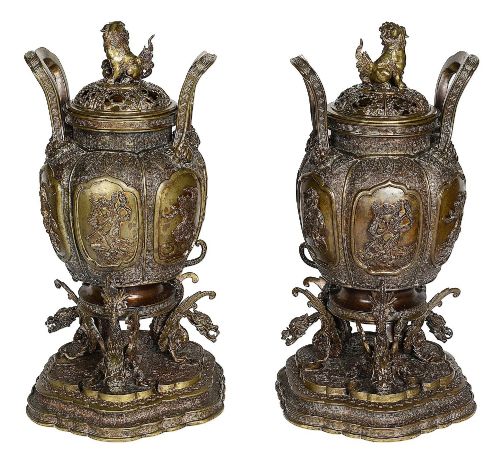
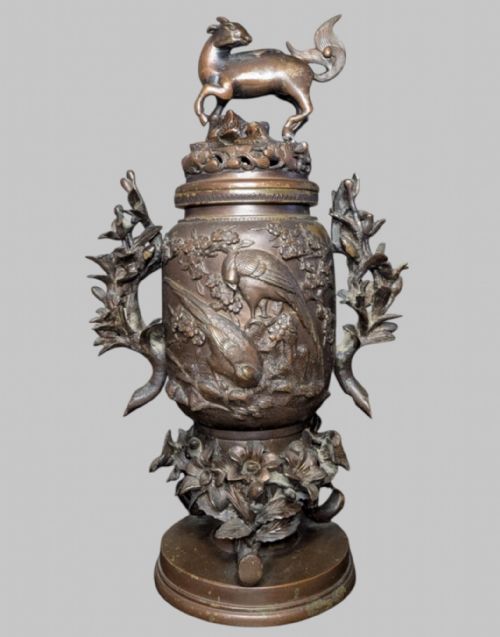
Makers shaped bronze through casting and surface tooling, frequently incorporating sculpted finials such as dragons, goats, and Shi-Shi lions atop the lids.
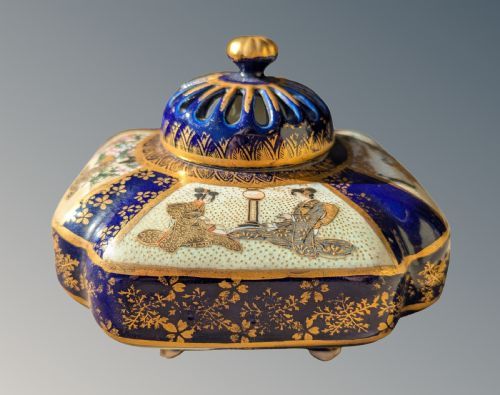
Earthenware pieces display fine crackle glazes associated with Satsuma ware, alongside reticulated panels and hand-painted polychrome details.
Several bronze incense burners feature mischievous goats perched atop the lids, watching over the smoke.
Distinctions in craftsmanship
Quality rests upon the crispness of the casting in bronze examples and the precision of the enamel painting upon Satsuma and Kutani surfaces.
Superior pieces display intricate reticulation, balanced proportions, and detailed figural finials like the Karashishi lion rather than simplified ornament.
Signatures from notable workshops and identifiable crests distinguish higher-tier vessels from standard commercial output of the period.
Kinkozan·Kizan·Kotobuki do·Shizan
The Meiji Period Incense Burner Glossary
- Koro
- A traditional Japanese incense burner, typically fitted with a removable pierced lid for releasing fragrance. These lidded vessels form the core of the available selection.
- Satsuma
- A type of Japanese earthenware characterised by a pale, ivory-coloured crackle glaze, heavily decorated with enamels and gilding. Pieces often incorporate detailed figural scenes.
- Reticulated
- Describes an openwork or pierced pattern carved into porcelain or ceramic bodies. This technique allows smoke to escape while displaying intricate structural design.
- Kutani
- A style of Japanese porcelain known for bold colour palettes and detailed pictorial ornamentation. These ceramic vessels frequently take natural or vessel forms.
- Karashishi
- A mythical guardian lion or dog often sculpted as a finial upon the cover of an incense burner. The motif signifies protection and strength in traditional design.
Meiji Period Incense Burner: Frequently Asked Questions
What is a koro?
A koro is a traditional Japanese incense burner designed to hold burning incense inside an enclosed bowl. These vessels typically feature a fitted, often pierced cover that allows the scented smoke to diffuse gently into a room.
Most examples include a base supported by feet, sometimes shaped as animal heads, and a decorative finial on top for lifting the lid.
How do I identify Satsuma ware?
Satsuma ware is recognised by its distinctive earthenware body covered in a fine, creamy crackle glaze. Artisans decorated these surfaces using rich enamels and gold leaf to depict figures, flowers, and traditional scenes.
Many of these pieces bear signatures from specific studios or artists on the underside, aiding attribution.
Were these burners used daily?
While originally intended for burning aromatic woods and incense during ceremonies or quiet reflection, many examples served primarily as decorative display objects in Japanese and Western interiors.
The presence of intact gilding and delicate enamel work on surviving pieces suggests careful handling rather than heavy everyday use.
How do bronze and ceramic censers differ?
Bronze censers rely on metal casting, patination, and sometimes silver or gold inlay to create sculptural form and texture. They often take the shape of mythical beasts, urns, or boats.
Ceramic censers, by contrast, utilise porcelain or earthenware to showcase painted imagery, coloured enamels, and sculpted openwork patterns.