




Japanese Bronze Incense Vessel
A Japanese bronze incense vessel brings tactile weight and centuries of foundry skill straight into a modern interior.
Japanese Bronze Incense Vessel
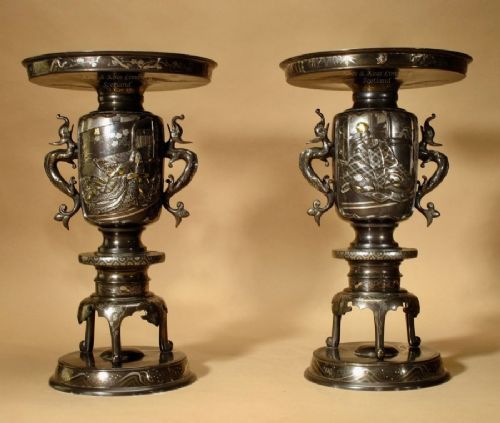
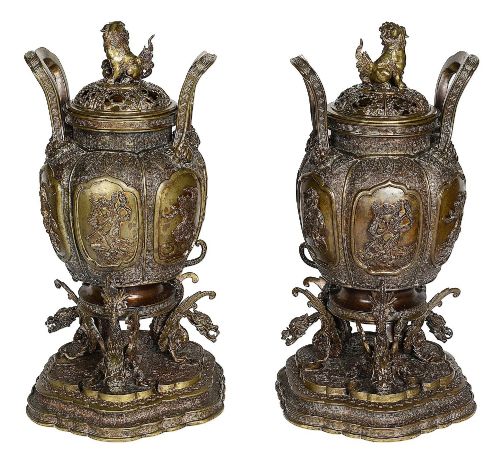
A Japanese bronze incense vessel encompasses lidded urns, suspended hanging boats and traditional tripod koro burners designed for burning aromatic resins and woods. Most examples encountered here belong to the 19th century and the Meiji period, though earlier Edo examples occasionally appear.
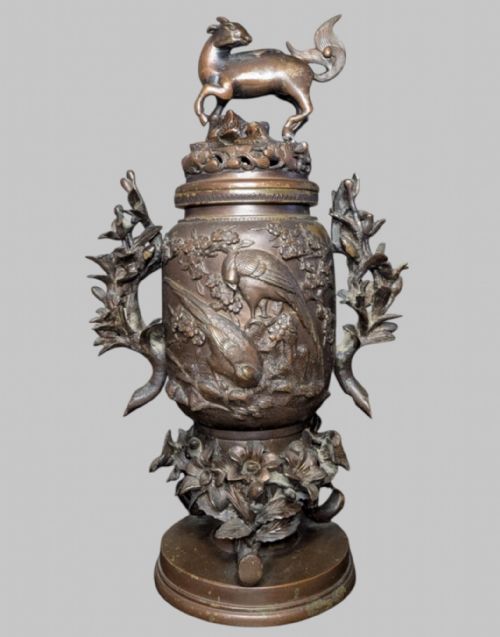
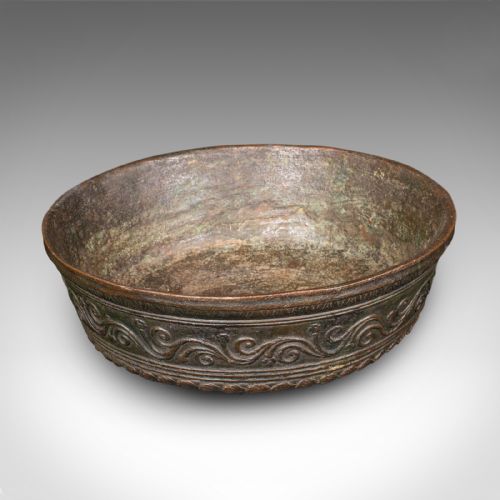
Makers shaped these utilitarian objects with artistic ambition, employing forms that range from archaic bowls to animal-topped vessels featuring creatures such as goats or dragons. Alongside dedicated burners, the selection frequently incorporates related forms like decorative bowls and jardinières.
How they were made
Foundries cast these vessels primarily in bronze, frequently enriching the dark metallic surfaces with inlays of gold, silver or copper. Artisans also integrated cloisonné enamel work directly onto the bronze bodies to introduce vibrant colour and intricate pattern.
Secondary decorative elements include applied crests, delicate cord work and, in specific instances, contrasting earthenware components like Satsuma bodies. The casting and inlay techniques reflect the advanced metallurgical expertise of Japanese metalworkers.
The selection spans pieces from the 18th century through the Victorian era.
What varies in quality
Quality rests upon the crispness of the cast detail and the precision of the metal inlays, where gold and silver lines remain flush and secure within the bronze ground. Stronger pieces display deliberate sculptural proportion and balanced ornamentation rather than crowded surface decoration.
The sophistication of specific motifs, such as animal finials or dragon reliefs, distinguishes standard production items from superior workshop output. Original components, including matching lids and suspension chains on hanging koro, preserve the structural integrity of the piece.
Kizan
The Japanese Bronze Incense Vessel Glossary
- Koro
- A traditional Japanese incense burner, typically featuring a body raised on legs and fitted with a pierced lid. These vessels are designed to release fragrant smoke during ceremonial or domestic use.
- Cloisonné
- A metalwork technique where thin wire partitions are affixed to a metal base to create cells, which are then filled with enamel paste and fired. This method produces intricate, multi-coloured decorative surfaces.
- Meiji Period
- The era in Japanese history spanning from 1868 to 1912, characterised by a surge in decorative arts produced for both domestic patrons and Western export markets.
- Edo Period
- The period lasting from 1603 to 1867, during which Japanese metalwork often adhered to more austere, archaic aesthetic traditions.
- Finial
- A decorative ornament fixed to the top of a lid, frequently sculpted as an animal or mythical beast on these vessels.
Japanese Bronze Incense Vessel: Frequently Asked Questions
What is a koro?
A koro is a traditional Japanese incense burner designed to hold burning incense. These vessels usually feature a removable pierced lid that allows fragrant smoke to diffuse evenly into a room.
They appear in various forms, from tripod bowls to hanging boat shapes, and serve both decorative and aromatic functions in traditional settings.
How do I clean a bronze incense vessel?
Bronze vessels require minimal intervention to preserve their historic patina. Gentle dusting with a soft, dry cloth is sufficient for routine maintenance.
Avoid using metal polishes, abrasive cloths or chemical cleaners, as these substances can strip away the aged surface and damage delicate gold or silver inlays.
How do I tell Edo period from Meiji period pieces?
Edo period bronze vessels generally exhibit more restrained, archaic designs with simpler patinas and forms influenced by earlier Chinese bronzes. They reflect an aesthetic of quiet utility.
Meiji period pieces often display greater decorative complexity, incorporating elaborate silver and gold inlays, distinct animal finials and technical combinations with cloisonné enamel.
Were these vessels used with charcoal?
Traditional Japanese incense ceremonies utilise small pieces of heated charcoal placed inside the vessel to warm aromatic woods or pressed incense trails. The pierced lids allow the resulting smoke to escape gradually.
Modern owners often display these pieces as sculptural objects, though the interiors frequently show signs of past heat and ash use.