



Japanese Metalwork Vessel
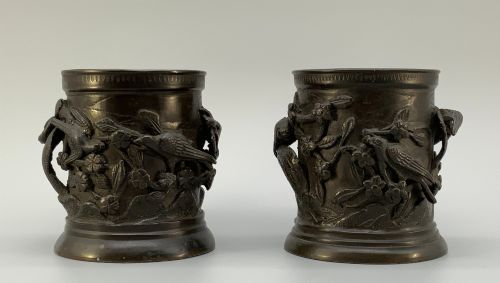
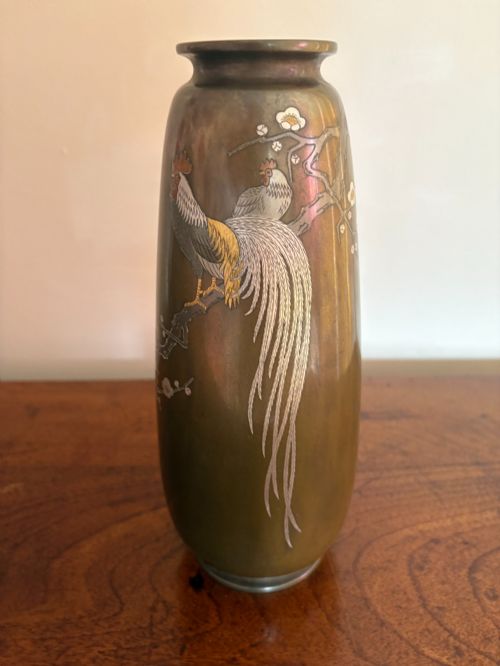
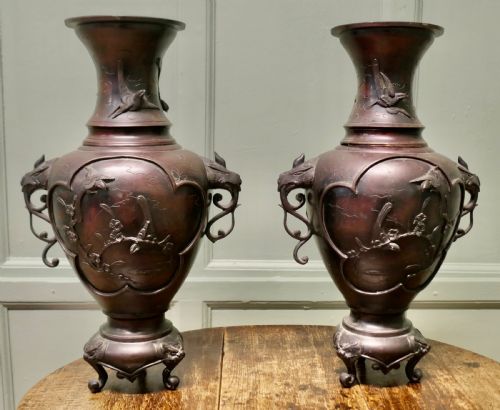
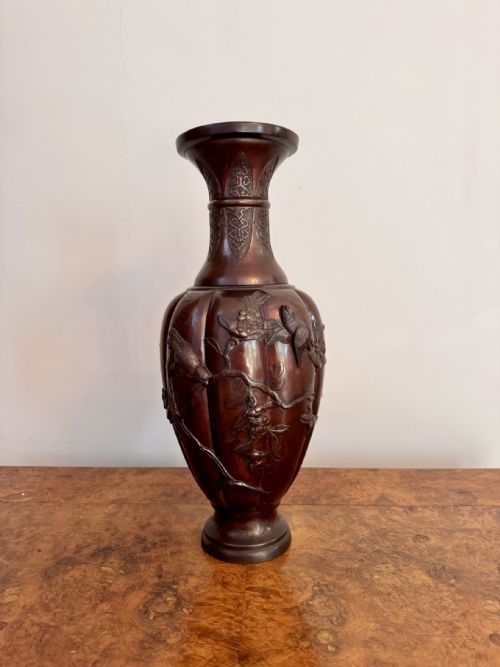
These pieces of Japanese metalwork vessel design combine skilled metalwork and decorative surfaces from the Meiji and Edo periods.
Japanese Metalwork Vessel
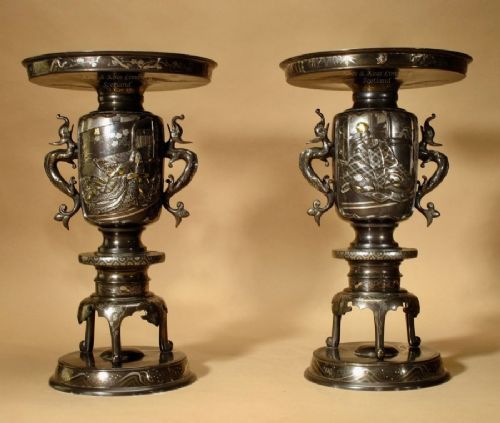
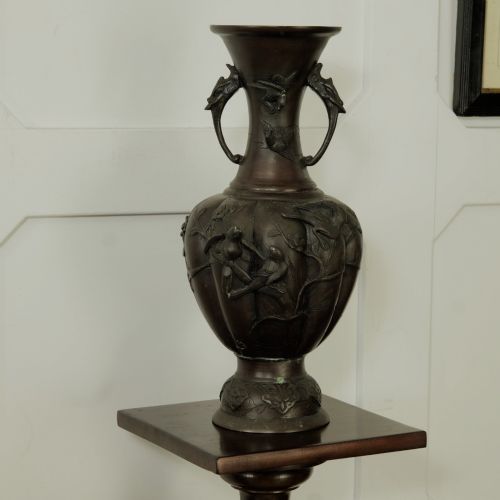
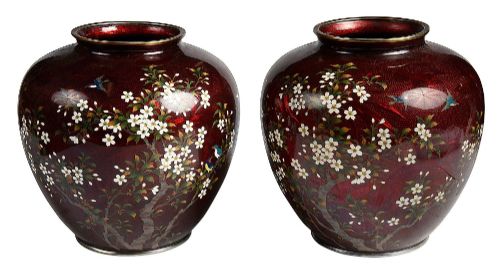
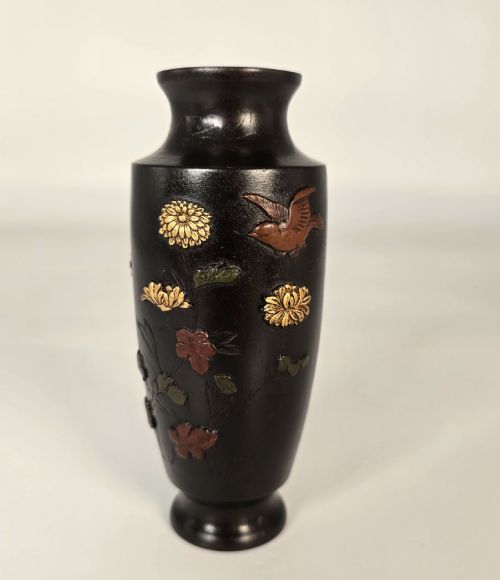
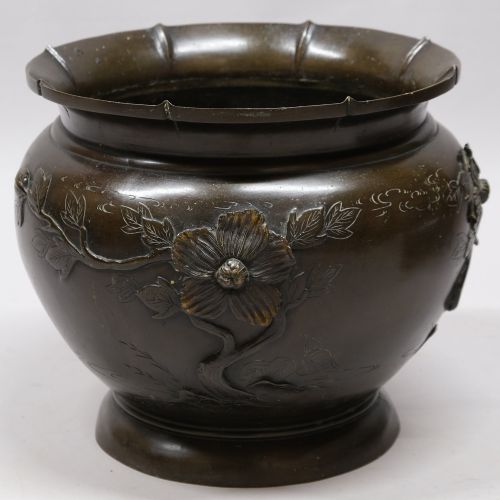
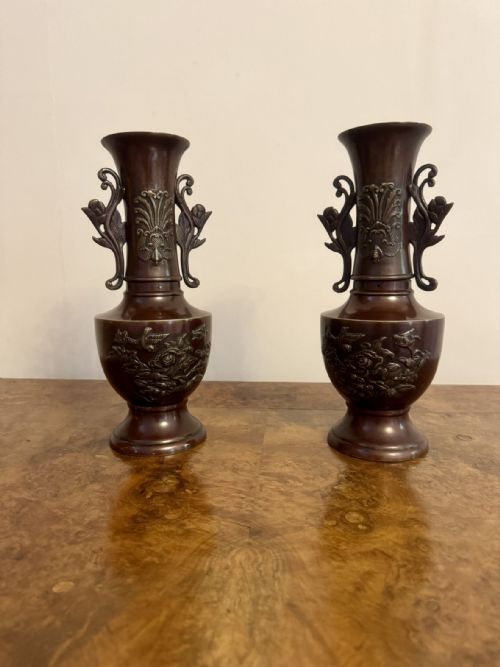
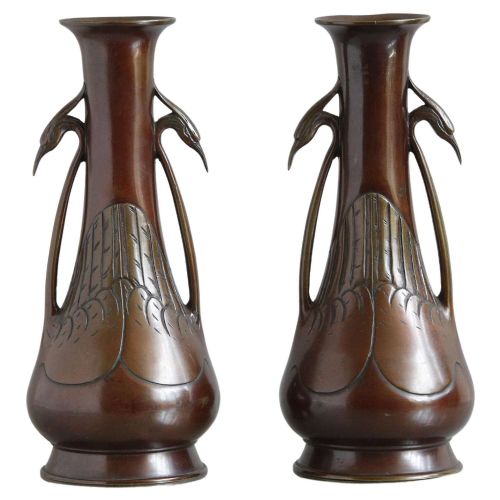
A Japanese metalwork vessel encompasses vases, jardiniere bowls, incense burners, and lidded pedestal bowls originating primarily from the Meiji and Edo periods. Buyers frequently encounter bronze and cloisonne enamel examples bearing birds, floral motifs, dragons, or raised mixed metal details.
The selection ranges from tall baluster urns and twin-handled floor vases to compact table censers and decorative planter bowls. Many date from the late nineteenth century, reflecting the craftsmanship of Japanese metalworkers working in bronze, copper, and brass.
Materials and Techniques
Craftsmen cast vessels in bronze, copper, and brass, frequently applying chemical patination to achieve deep, original surface tones. Metal surfaces often incorporate inlaid elements of silver and gold or raised mixed metal flora and fauna.
Cloisonne enamel pieces utilise thin wire partitions soldered to a metal base to create cells filled with coloured vitreous enamel pastes. These vessels then undergo successive firings and polishings to produce smooth, patterned decorative surfaces.
Listings feature bronze, brass, and copper vessels alongside cloisonne enamel pieces from the Meiji and Edo periods.
Standards of Execution
Quality separates through the crispness of the casting, the complexity of the patination, and the precision of inlaid mixed metal details such as birds and blossoms. Master metalworkers achieved finer lines and more balanced proportions in their handles, rims, and overall vessel geometry.
Surface decoration dictates visual distinction, where intricate cloisonne wirework or sharply defined raised relief requires significantly greater technical skill than plain patinated forms. Signed pieces and those originating from established schools reflect the highest tiers of Meiji and Edo period production.
KANASAWA
The Japanese Metalwork Vessel Glossary
- Patinated bronze
- Bronze that has been treated with chemical solutions to alter its surface colour, creating rich brown, black, or greenish tones.
- Cloisonne enamel
- A technique where flat wire is soldered to a metal body to form compartments that hold coloured glass enamel.
- Mixed metal
- The decorative combination of different metals, such as bronze, copper, silver, and gold, within a single vessel design.
- Censer
- A ritual or decorative vessel designed for burning incense, typically featuring a pierced lid for smoke release.
- Jardiniere
- A large ornamental pot or bowl used to hold growing plants or flower arrangements.
Japanese Metalwork Vessel: Frequently Asked Questions
What is a Japanese metalwork vessel?
A Japanese metalwork vessel is a decorative or functional object such as a vase, bowl, censer, or jardiniere formed from bronze, copper, or brass.
These pieces often display traditional Japanese motifs like birds, blossoms, dragons, and koi through casting, patination, and inlay techniques.
How do I date a Japanese bronze vase?
Dating relies on stylistic markers, manufacturing methods, and recorded production periods such as the Meiji or Edo eras.
Nineteenth-century Meiji pieces frequently feature intricate mixed metal details or refined patination, while earlier Edo examples often show archaic bowl forms.
What is the difference between bronze and cloisonne?
Bronze vessels are cast from metal alloys and finished with patination, carving, or metal inlays.
Cloisonne vessels feature wire cells on a metal base filled with coloured vitreous enamel to create patterned, glass-like decorative surfaces.
How were incense burners used?
Incense burners, or censers, served both ritual purposes and domestic interior decoration in Japanese homes.
Their perforated lids allowed fragrant smoke to disperse while containing the burning incense within the bowl.