


Green Dragon Bowl
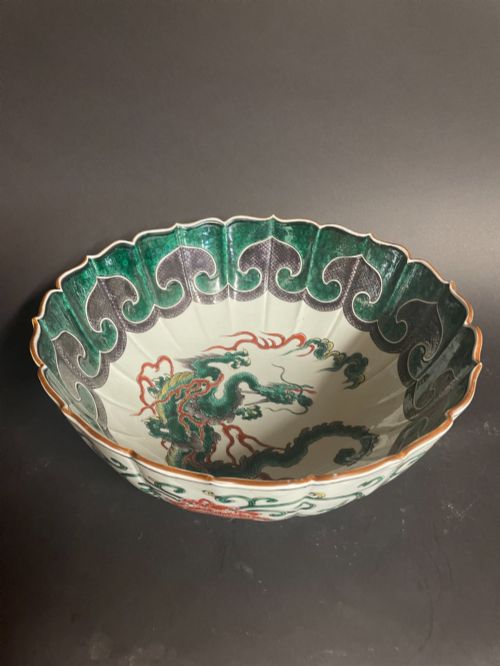
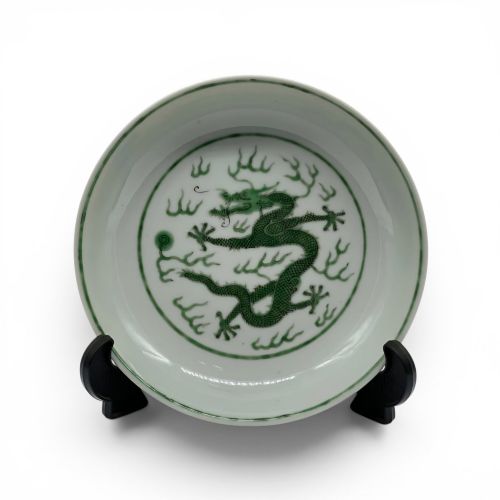
A green dragon bowl brings together fierce mythic imagery and vibrant ceramic artistry, offering a striking focal point for any interior collection.
Green Dragon Bowl
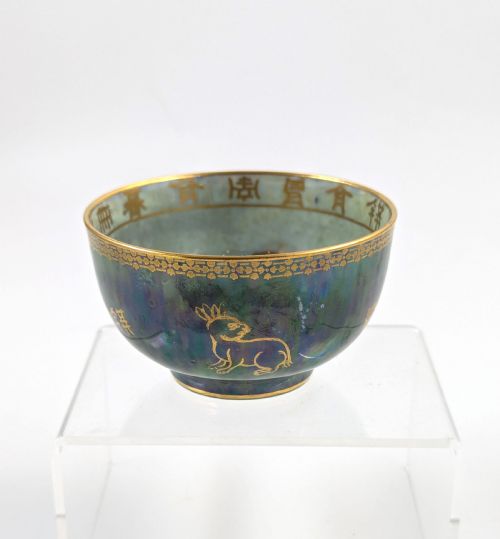
A green dragon bowl is a decorative vessel featuring serpentine mythical beasts rendered in verdant tones across porcelain, bone china, or enamel surfaces. When you search for a green dragon bowl, you encounter diverse forms ranging from English lustreware to Qing Dynasty porcelain and Japanese cloisonne chargers.
The pieces appearing on this page span the eighteenth century through the 1920s, incorporating styles such as Regency Chinoiserie, Art Nouveau, and the Meiji period. Decorative bowls, chargers, and dishes predominate, alongside occasional incense burners and brush washers.
Makers and regional traditions diverge significantly, linking English earthenware production directly with East Asian porcelain and cloisonne techniques. Collectors meet both imperial-style motifs and whimsical twentieth-century interpretations.
Materials and construction methods
Potters and artisans utilised porcelain, bone china, and copper foundations, applying enamel, lustre glaze, and gold leaf to achieve rich surface textures. Cloisonne examples integrate delicate brass wire to delineate the dragon motifs before filling the cells with enamel.
Carved hardstones like nephrite and jade also appear among these vessels, requiring meticulous abrasive shaping rather than ceramic firing. Lustre glazes involve metallic oxides fired in reduction kilns to produce an iridescent sheen across the ceramic body.
Whispering dragons hide inside octagonal lustre bowls, guarding your sugar from invisible mythical thieves.
Distinctions in craftsmanship and design
Quality rests upon the precision of the enamel work, the clarity of the dragon drawing, and the depth of the glaze. Finer pieces demonstrate meticulous brushwork or perfectly soldered wire cells that contain the rich green pigments without bleeding.
The integration of precious elements like gold leaf or lustrous metallic finishes elevates certain examples above standard production pieces. Condition of the glaze and the presence of artist signatures or reign marks further distinguish exceptional items.
Daisy Makeig-Jones·Wedgwood
The Green Dragon Bowl Glossary
- Lustre Glaze
- A type of ceramic glaze containing metallic salts that produce an iridescent, metallic sheen upon firing. This technique was notably mastered by designers like Daisy Makeig-Jones at Wedgwood.
- Cloisonne Enamel
- A metalwork technique where thin metal wires are soldered to a base to form compartments, which are then filled with coloured enamel paste and fired. Japanese Meiji period examples frequently utilise this method.
- Doucai
- A Chinese porcelain technique involving underglaze blue outlines filled in with contrasting overglaze enamels on the biscuit. Pieces bearing this style often display imperial dragon motifs.
- Totai Shippo
- A Japanese cloisonne method involving a porcelain body rather than metal, sometimes called bodyless cloisonne. It results in translucent vessels where light passes through the enamel cells.
Green Dragon Bowl: Frequently Asked Questions
What periods do these bowls come from?
The listings span from the eighteenth century through the Regency era, the late nineteenth century, and into the 1920s.
Examples include Qing Dynasty porcelain alongside Victorian and early twentieth-century British and Japanese production.
How were these vessels used historically?
Many served as decorative chargers, display bowls, or cabinet pieces rather than functional tableware.
Specialist items such as incense burners and brush washers served ritual or scholarly purposes in East Asian traditions.
How do I care for a lustre glaze bowl?
Lustre glazes require gentle handling and should be kept away from harsh abrasives or chemical cleaners that might damage the iridescent surface.
Dusting with a soft, dry cloth is generally sufficient for maintenance.