


Bronze Enamel Vessel
A bronze enamel vessel brings together cast metalwork and colourful vitreous decoration in forms spanning centuries of Asian and European craftsmanship.
Bronze Enamel Vessel
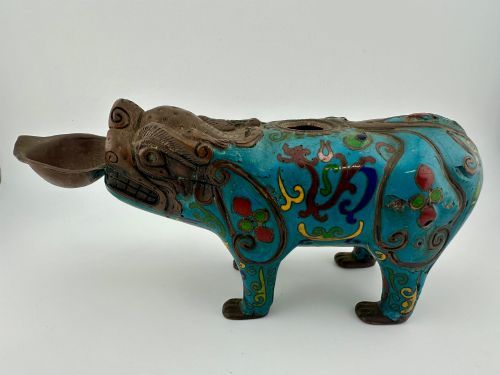
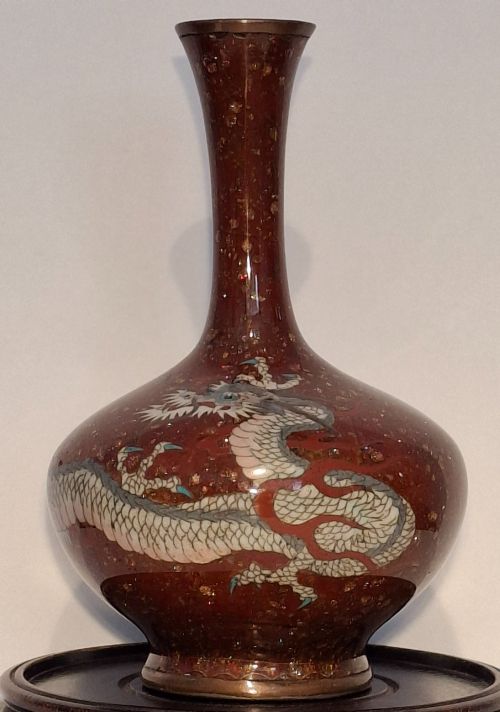
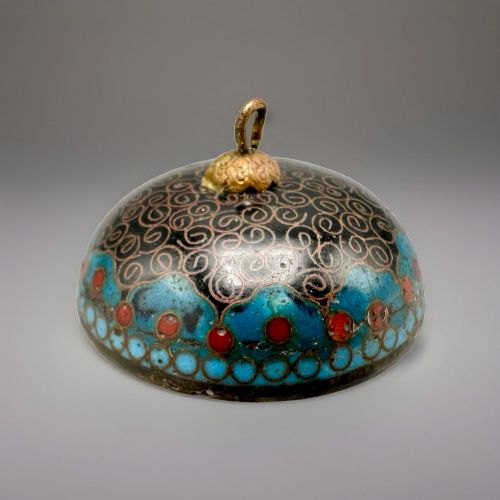
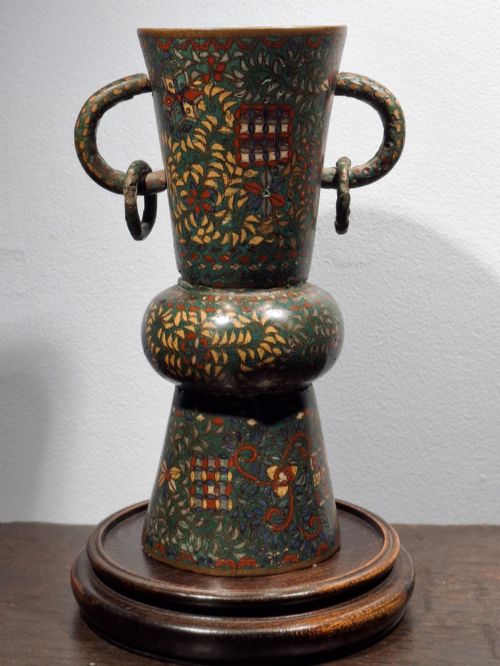
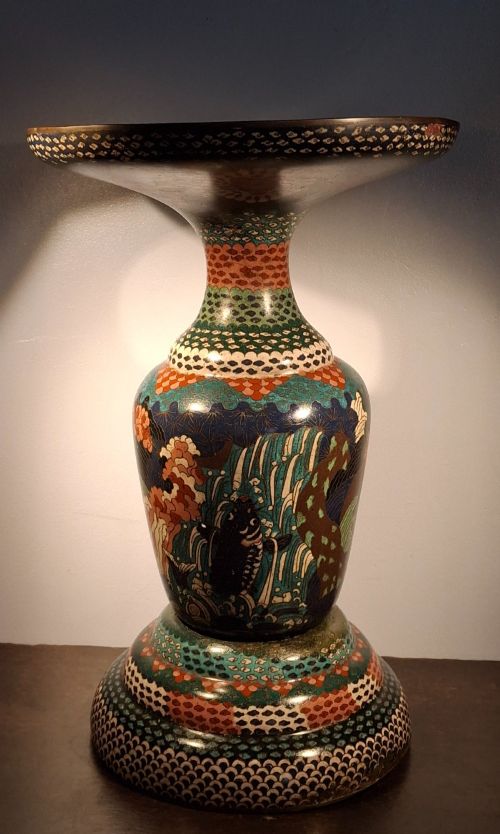
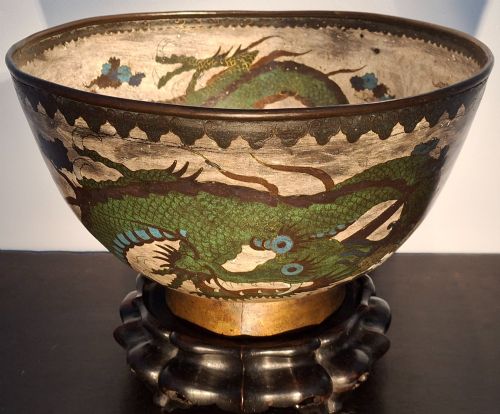
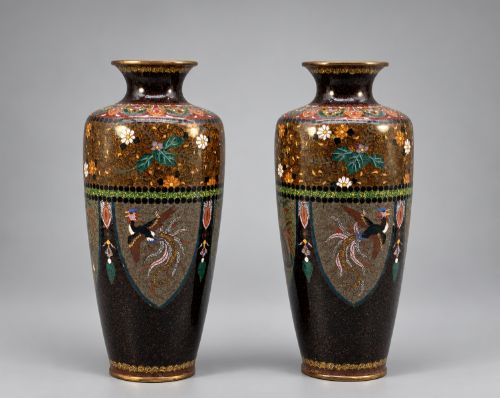
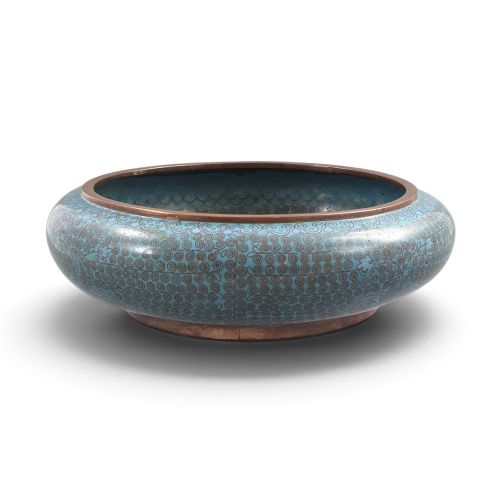
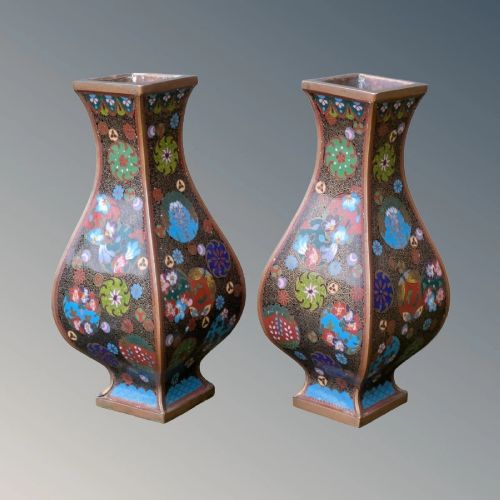
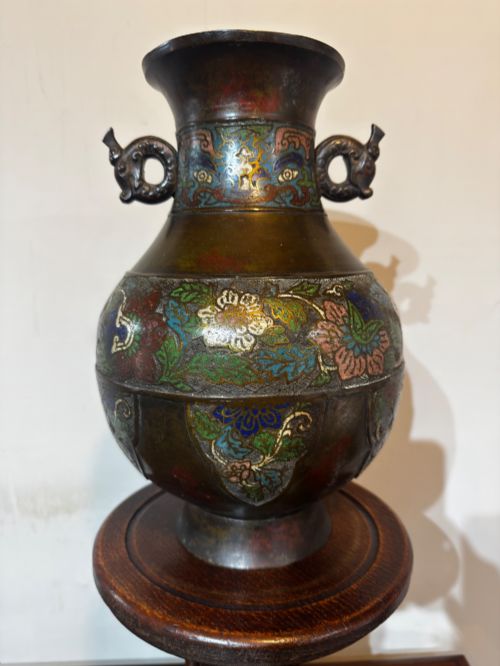
When you search for a bronze enamel vessel, you encounter a diverse range of functional and decorative containers made from cast bronze, brass, or copper combined with vitreous enamel. These pieces originate primarily from the nineteenth and early twentieth centuries, drawing heavily upon Japanese Meiji and Chinese Qing aesthetics.
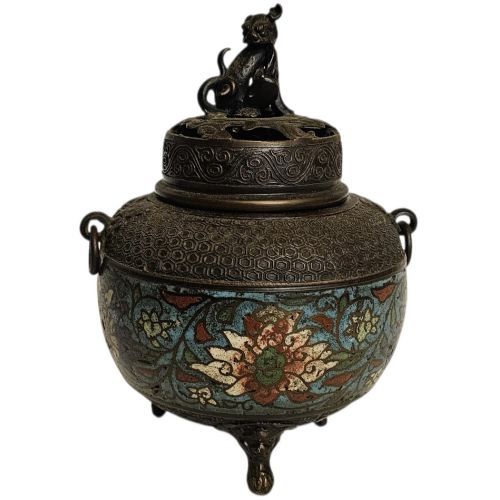
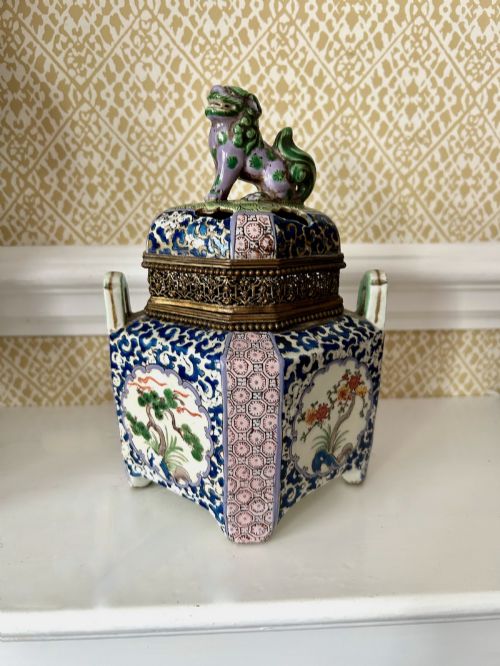
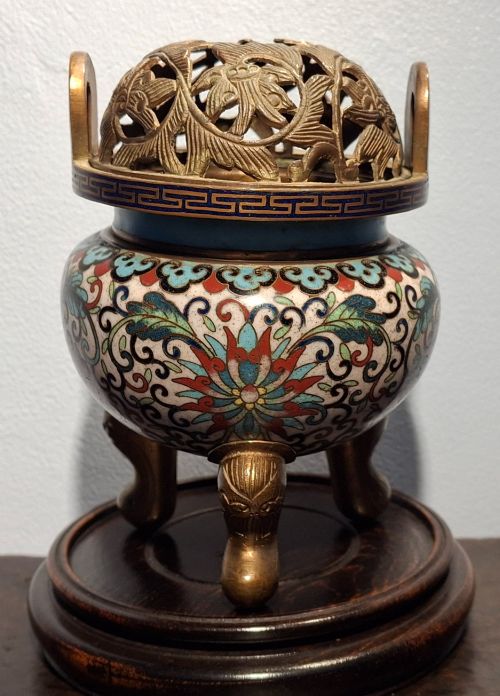
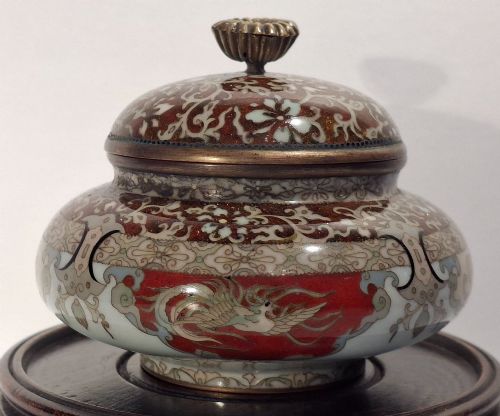
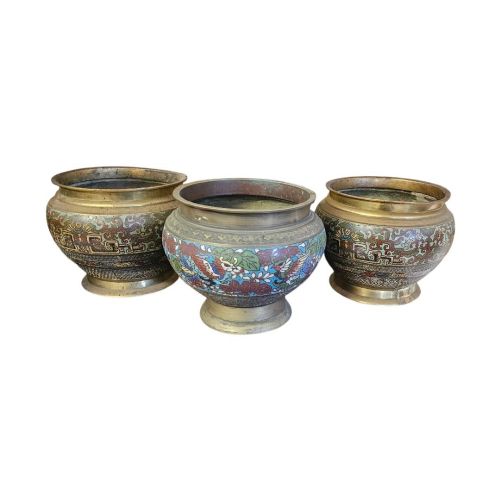
The forms vary widely, encompassing vases, jardinieres, lidded censers or koro, ginger jars, sake kettles, and scholar's brush washers. You are most likely to meet Japanese cloisonné vessels and Chinese champlevé planters on this page, reflecting the dominant styles preserved in the listings.
How they were made
The construction typically begins with a cast metal body of bronze, brass, or copper, sometimes finished with gilt bronze or gilt metal. Artisans then apply enamel using distinct techniques, most notably cloisonné, where thin metal wires form individual cells for the coloured pastes, and champlevé, where troughs are carved directly into the metal surface to hold the enamel.
Once filled with vitreous paste, the object is fired at high temperatures and ground down to create a smooth, unified surface where metal boundaries and coloured glass meet. Additional materials such as wood sometimes complement these mixed-media objects, particularly in stands or specific domestic mountings.
Bronze Enamel Vessel Retail Price Guide 2026
Typical asking prices for bronze enamel vessel among the pieces listed under this phrase on Sellingantiques today, from the lower quarter to the upper quarter. They describe what is for sale here now, not the wider market.
Listings feature periods spanning the nineteenth century through the 1930s, alongside styles from the Meiji and Qing eras.
What varies in quality
The standard of a bronze enamel vessel depends largely on the precision of the metalwork and the control demonstrated during the firing process. Finer pieces display crisp, uniform wirework in cloisonné or deeply chiselled channels in champlevé, without bubbling or uneven shrinkage in the coloured enamel fillings.
Weight, rigidity of the cast bronze body, and the harmony of colour transitions also distinguish exceptional examples from standard production. Details such as refined surface polish and the complexity of decorative motifs contribute significantly to the overall distinction of a piece.
Tsukamoto Hikokichi
The Bronze Enamel Vessel Glossary
- Cloisonné enamel
- A technique where thin metal wires are soldered to a metal base to create compartments, which are then filled with enamel paste and fired. This method allows for intricate and detailed pictorial designs.
- Champlevé enamel
- A method where troughs or cells are hollowed out directly into the surface of a cast bronze or copper base, leaving metal walls to hold the coloured enamel. The resulting surface presents a robust integration of metal and glass.
- Koro
- A traditional Japanese incense burner, frequently cast in bronze and fitted with a pierced lid to allow scented smoke to escape. These vessels often feature detailed enamel panels or tripod supports.
- Jardiniere
- A large decorative bowl or planter designed to hold growing plants or floral arrangements. They appear frequently in heavy bronze with extensive champlevé or cloisonné decoration.
- Jue cup
- An archaic style of tripod wine vessel originating from ancient Chinese ritual bronzes. Later interpretations recreate this distinct form using bronze and enamel techniques.
Bronze Enamel Vessel: Frequently Asked Questions
What is a bronze enamel vessel used for?
These objects served various ceremonial, domestic, and scholarly functions depending on their specific form. Many acted as incense burners, flower containers, or scholars' desk accessories.
Over time, their roles shifted toward ornamental display, prized for the rich interplay between cast metal and colourful vitreous decoration within interior spaces.
How do I tell cloisonne and champleve apart?
Cloisonne relies on thin metal wires soldered onto the surface of the bronze or copper base to form separate enclosed cells for the enamel paste. This creates a fine, grid-like network across the design.
Champleve involves carving or casting troughs directly into the thick metal body itself to hold the coloured enamel, resulting in broader expanses of metal framing the vitreous decoration.
How do I care for a bronze enamel vessel?
Maintenance requires gentle dusting with a soft, dry cloth to protect both the exposed metal surfaces and the glass enamel from scratching. Avoid chemical cleaners and moisture, which can tarnish the bronze or weaken old repairs.
Keep these objects away from direct sunlight and sudden temperature shifts to preserve the stability of the enamel over time.
How can I date a bronze enamel piece?
Dating relies on examining the manufacturing techniques, stylistic motifs, and the composition of the metal base. Pieces often reflect specific regional periods, such as the Meiji era in Japan or the Qing dynasty in China.
Comparing the weight, wire gauge, and enamel palette to established examples helps narrow down the probable era of production.