

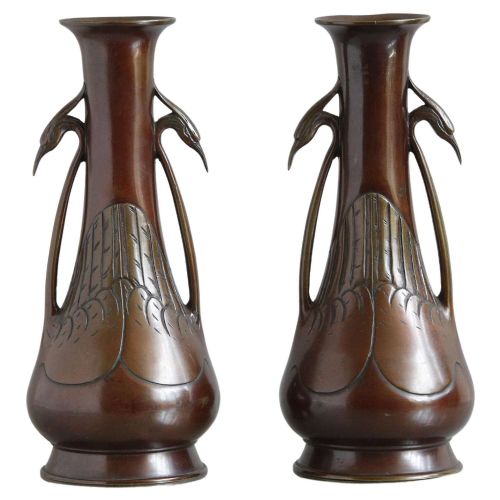

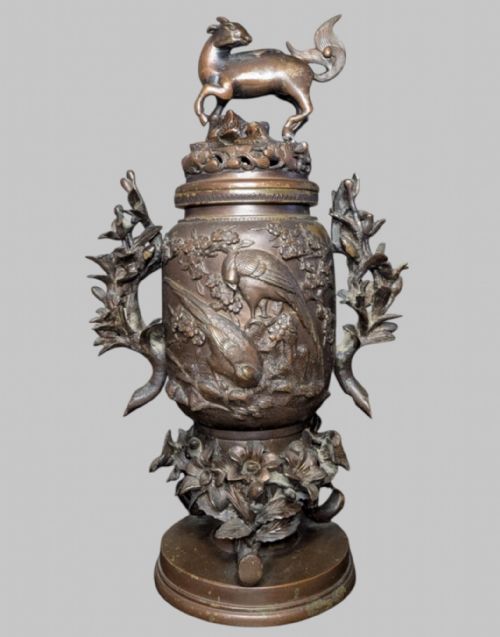


Brown Bronze Urn
A brown bronze urn brings heavy, textured metal and classical form into a room, offering centuries of craftsmanship in a single vessel.
What a brown bronze urn is
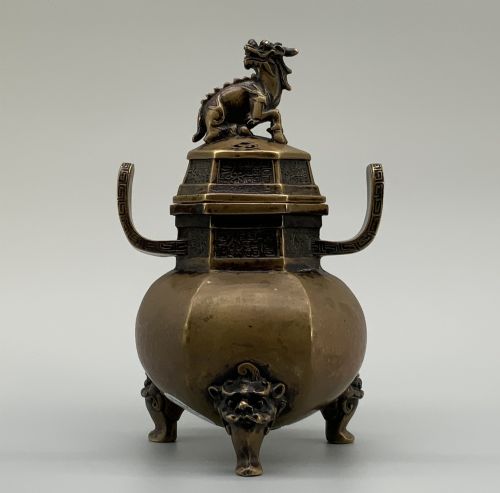
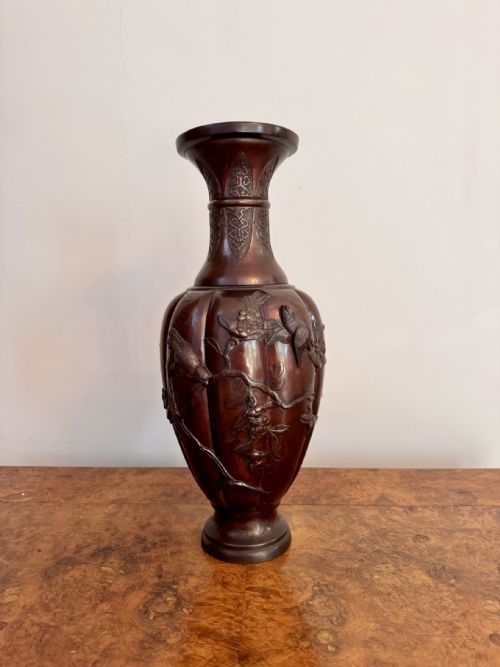
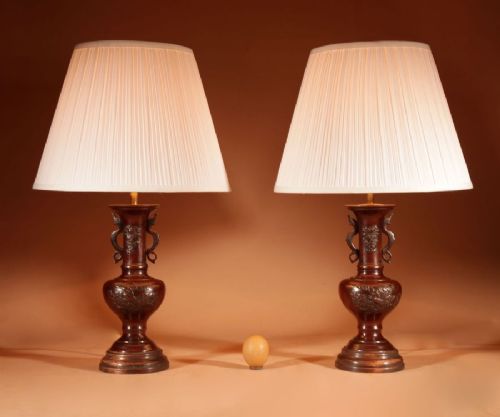
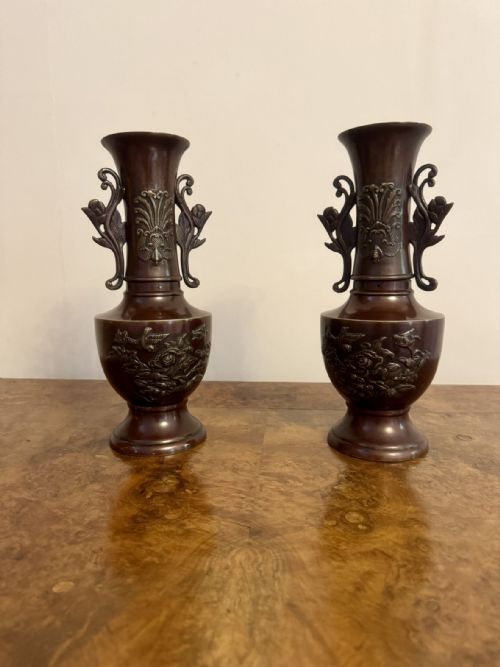
A brown bronze urn is a substantial metal vessel, often taking the form of a classical vase or a ritual Gu shape. When you search for a brown bronze urn, you are looking at decorative pieces that span the nineteenth century and originate from Japanese, Italian Grand Tour, and Chinese traditions.
The versions you are most likely to meet on this page include Japanese Meiji Period bronze vases, nineteenth-century Grand Tour Italian vases, and Qing Dynasty Chinese Gu vases. These objects served purely decorative or display purposes rather than practical household tasks.
Materials extend beyond plain metal to incorporate contrasting elements like marble and coloured enamel. Each piece reflects the aesthetic priorities of its specific place of origin, whether that is European classical antiquity or East Asian metalworking.
How they were made
These items are constructed from bronze, frequently treated to achieve a deep patinated bronze finish. Artisans employed traditional casting techniques to shape the heavy metal into vases and urns with distinct profiles and decorative collars.
Surface ornamentation on these pieces often includes applied enamel work for colour and contrast. Certain examples combine the cast bronze body with solid marble bases or structural components, requiring precise joinery between different materials.
Retail Price Guide 2026
Typical UK retail prices for brown bronze urn, calculated from the Sellingantiques database of over a million retail prices indexed since 2003. This retail price guide relies exclusively on Sellingantiques data; no external sources or auction records are used, so the figures do not describe the wider market.
One piece travels all the way from Qing Dynasty China to join nineteenth-century European tour souvenirs.
What varies in quality
Quality in these pieces rests upon the crispness of the cast and the depth of the patinated bronze finish. Superior examples display sharply defined details and a rich, stable surface colour that has aged uniformly.
The integration of secondary materials such as enamel and marble dictates the upper tier of the range. Finer urns exhibit meticulous control in their decorative inlays and structural stability without crude joins.
The Brown Bronze Urn Glossary
- Bronze
- An alloy consisting primarily of copper, traditionally combined with tin. It forms the heavy, durable body of these urns and vases.
- Patinated Bronze
- Metal treated with chemical solutions or heat to create a darkened, aged surface finish. This protects the bronze while giving it a rich brown tone.
- Grand Tour
- A nineteenth-century cultural tradition where affluent travellers collected souvenirs in Italy. These objects often copied classical antiquities.
- Gu Vase
- An ancient Chinese ritual vessel form featuring a flared mouth, a slender central section, and a wide base. Later dynasties revived this classic silhouette in bronze.
- Meiji Period
- A Japanese era lasting from eighteen sixty-eight to nineteen twelve, known for exceptional metalwork and decorative arts produced for export.
Frequently Asked Questions
How do I identify a Grand Tour bronze vase?
Grand Tour pieces originate from nineteenth-century Italy and typically reference classical Roman or Greek antiquity. They were acquired by travellers touring European historical sites.
These items often feature architectural styling or patinated bronze finishes designed to evoke ancient artefacts. Their craftsmanship reflects European revival tastes of the eighteen-fifties.
What is the difference between a vase and an urn?
In this category, the terms often overlap to describe heavy metal decorative vessels. Urns typically feature a footed base and a covered or wide-mouthed top, while vases may have taller, narrower necks.
Both forms utilise cast bronze and share similar decorative purposes within nineteenth-century collections. The distinction usually lies in the specific silhouette rather than the function.
How can I tell Japanese Meiji period bronze apart?
Japanese Meiji period bronze objects display distinct East Asian aesthetic motifs combined with advanced metalworking techniques. They often incorporate surface details like enamel or specific patinated bronze finishes.
These pieces date from the late nineteenth or early twentieth century and reflect the high standards of Japanese export art from that era.